4.4
(54)
345
ライダー
12
ライド
カランジャーヌス/カランジャーヌス周辺には魅力的なマウンテンバイクルートがいくつもありますが、冒険を始めるにはその場所とルートを把握する必要があります。ここでは、komootが提供するカランジャーヌス/カランジャーヌス周辺でのマウンテンバイクルートのコレクション全体を評価して選び抜いた、人気ルートをご紹介します。各ライドの詳細をぜひご覧ください。
最終更新日: 4月 10, 2026
5.0
(3)
14
ライダー
40.0km
03:09
760m
760m
中程度のマウンテンバイクライド. ある程度のフィットネスレベルが必要です。 あらゆるスキルレベルに適しています。
5.0
(1)
11
ライダー
28.3km
03:00
820m
820m
難しいマウンテンバイクライド. ある程度のフィットネスレベルが必要です。 高度なライディングスキルが必要です。ツアーの一部で自転車を押して歩く必要があるかもしれません。
無料新規登録
4.0
(1)
7
ライダー
33.8km
02:35
500m
500m
中程度のマウンテンバイクライド. ある程度のフィットネスレベルが必要です。 あらゆるスキルレベルに適しています。
6
ライダー
43.9km
04:34
1,090m
1,090m
難しいマウンテンバイクライド. 標準以上のフィットネスレベルが必要です。 あらゆるスキルレベルに適しています。
5
ライダー
31.5km
02:33
580m
580m
中程度のマウンテンバイクライド. ある程度のフィットネスレベルが必要です。 あらゆるスキルレベルに適しています。
さらに多くのルートや他のユーザーのおすすめ情報を確認できます。
無料新規登録
すでにアカウントをお持ちですか?
おすすめのツアーは他のkomootユーザーが実際に経験した何千ものアクティビティに基づいています。
無料アカウントで今日から始めよう
次の冒険が待っています。
ログインまたは登録
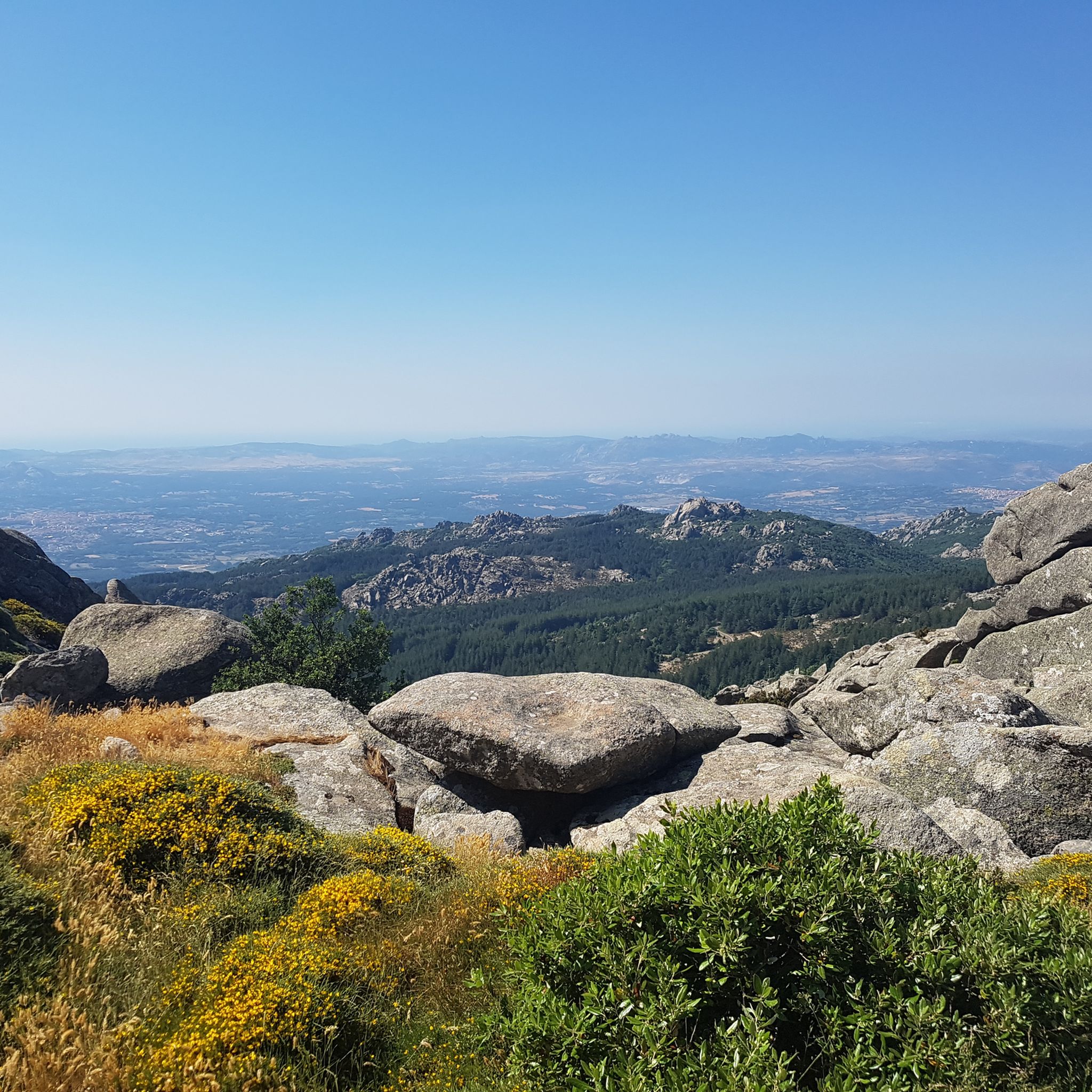
Granite town in the mountains. Beautiful.
0
0
This church, dedicated to the Holy Cross (Latin: "Santa Croce"), derives its patronage from the cross on which Jesus Christ died. The veneration of the Holy Cross largely originates from Saint Helena, the mother of Emperor Constantine the Great (who, after his victory at the Milvian Bridge in front of Rome, recognized Christianity as a religion and ended the long period of persecution with the Edict of Toleration of Milan in 312). She made a pilgrimage to the Holy Land (Israel/Palestine) in the early fourth century and brought numerous relics back to Europe, including the "True Cross," on which Jesus Christ was crucified. Therefore, Helena is often depicted with a cross as an attribute. The Church celebrates the Feast of the Discovery, public presentation, and veneration of the Holy Cross—called the "Exaltation of the Holy Cross"—on September 14th.
0
0
Many small bars and restaurants invite you to linger here. Everything is colorful and cozy.
1
0
This is a beautiful stretch of road that leads to Tempio Pausania. The road surface is excellent and the view of the surrounding hills is very suggestive.
1
0
Nuchis is a splendid municipality, belonging to the seven historical municipalities of the Gallura area. Perhaps founded in the 11th century, it still maintains its ancient charm intact. The ancient churches are of great interest, such as that of the Holy Spirit built in the 13th century which is striking for its high bell tower which soars into the blue sky.
1
0
A walk through the pretty and quiet Tempio Pausania is highly recommended.
1
0
The church dedicated to San Pietro Apostolo, cathedral of the diocese of Tempio-Ampurias, stands in the heart of the historic center. Built starting from 1200, the medieval granite building underwent various changes over the centuries, from the construction of the bell tower in the 16th century to the expansion works completed in 1827. The inauguration and consecration took place on June 2, 1839 by the bishop Monsignor Capece, who commissioned many of the marble furnishings of San Pietro. The church presents itself 2 St. Peter's Basilica in baroque style. It consists of a single nave with four chapels on each side. The very simple façade, slightly enlivened by the splayed portal and the two round-arched windows of the upper part, is deprived of its function by the much more complex side on the right side. with pediment openings, oculi decorated with mosaics and the articulation of the surface by pairs of strongly raised pilasters. The interior, in the nave, covered by a grooved barrel vault, has four chapels on each side and a semicircular apse where the wooden "choir" is located, the individual columns are deeper, forming almost a transept, to which the large raised and apsidal area of the presbytery is attached. The last restoration works date back to 2007: thanks to them, the vault has regained its ancient colors, with bright green tones that highlight the nineteenth-century marble furnishings in baroque-Genoese style, including the main altar, the pulpit, the baptismal font and some statues. The cathedral is equipped with a beautiful organ by Paolo Ciresa, dating from 1980, consisting of 25 registers and 1726 pipes. Source: https://comuneditempiopausania.it/cattedrale-san-pietro/
0
0
The Church of Santa Croce stands next to the cathedral. The bell tower of the cathedral itself, built between the end of the 15th and the beginning of the following century, forms a single body with Santa Croce. From the cathedral, you can access it through a small door to the left of the presbytery. It is very ancient, perhaps older than the cathedral itself, and certainly contemporary with the Church of the Rosary. This is evidenced by the rock left after the recent restoration, which bears the carved Greek letter Y (gamma), representing the number 3, the three persons of the Holy Trinity. This rock was the altar stone, reminiscent of Christ Rock Corner Head, on which the church was founded. It was built in the Romanesque style and renovated in the 16th century with a terracotta barrel vault. On the façade, you can admire a marble plaque from 1830 depicting the Confraternity of Santa Croce, which was housed in this church. It was an important, economically independent church. The brothers wore a white, hooded cloak that they pulled over their faces. They were affiliated to the Archconfraternity of the Gonfalone, founded in Rome, and as such enjoyed privileges granted to them by Pope Gregory, including religious week, religious theater, processions, popular festivals in city centers and rural churches, as well as aid to the poor, the sick, prisoners, and the settlement of disputes between rival families. The members of the confraternity played a very important role in the civic and religious community of Tempi. The confraternity's distinctive feature was to revive a symbolism and a cultural and religious activity that already belonged to the Templars and, like the Templar Order, was suppressed by the authority of the Church. In fact, on December 21, 1813, Bishop Monsignor Paradiso suppressed the Confraternity of the SS. Crucified for the excessive autonomy it displayed with regard to the provisions of the Church. From this point on, the church slowly declined, was practically abandoned, and gradually degraded to an oratory, a religious building with an ancillary function to the cathedral. In this church, the largest of the churches, the nobles of Tempio met with the clergy on April 29, 1679, to decide on the construction of the Capuchin Poor Clares Convent. Source: https://comuneditetempiopausania.it/chiesa-di-santa-croce/
2
0
他の地域の最高のMTBトレイルを見てみましょう。
無料でサインアップ