マラ周辺のアトラクション&必見スポット - トップ20
マラには必見のスポットがたくさんあります。ハイキング愛好家やサイクリング愛好家の方は、ぜひマラを探索してこのエリアにある20
の隠れたスポットを訪れてみてください。このエリアの必見スポットを確認し、次の冒険に出かける計画を立てましょう。
最終更新日: 6月 3, 2026
ヌラーゲ・サントゥ・アンティネ・ディ・トッラルバ
ハイライト • 歴史的な場所
翻訳者 Google •
役立つ情報 は

サルデーニャ高原の岩石層と洞窟
ハイライト (セグメント) • 洞窟
翻訳者 Google •
役立つ情報 は

今すぐサインアップして、こんな場所を発見しよう
最高のシングルトラック、ピーク、その他のエキサイティングなアウトドアスポットのおすすめを受け取ろう。
無料新規登録
アルト・テモ湖
ハイライト • 湖
翻訳者 Google •
役立つ情報 は

ティエージの歴史的中心地
ハイライト • 歴史的な場所
翻訳者 Google •
役立つ情報 は

プットゥ・コディヌのネクロポリス
ハイライト • 歴史的な場所
翻訳者 Google •
役立つ情報 は

無料でサインアップして、さらに多くの観光スポットを発見しましょう マラでの。
無料新規登録
すでにアカウントをお持ちですか?
無料アカウントで今日から始めよう
次の冒険が待っています。
ログインまたは登録
コミュニティからのヒント

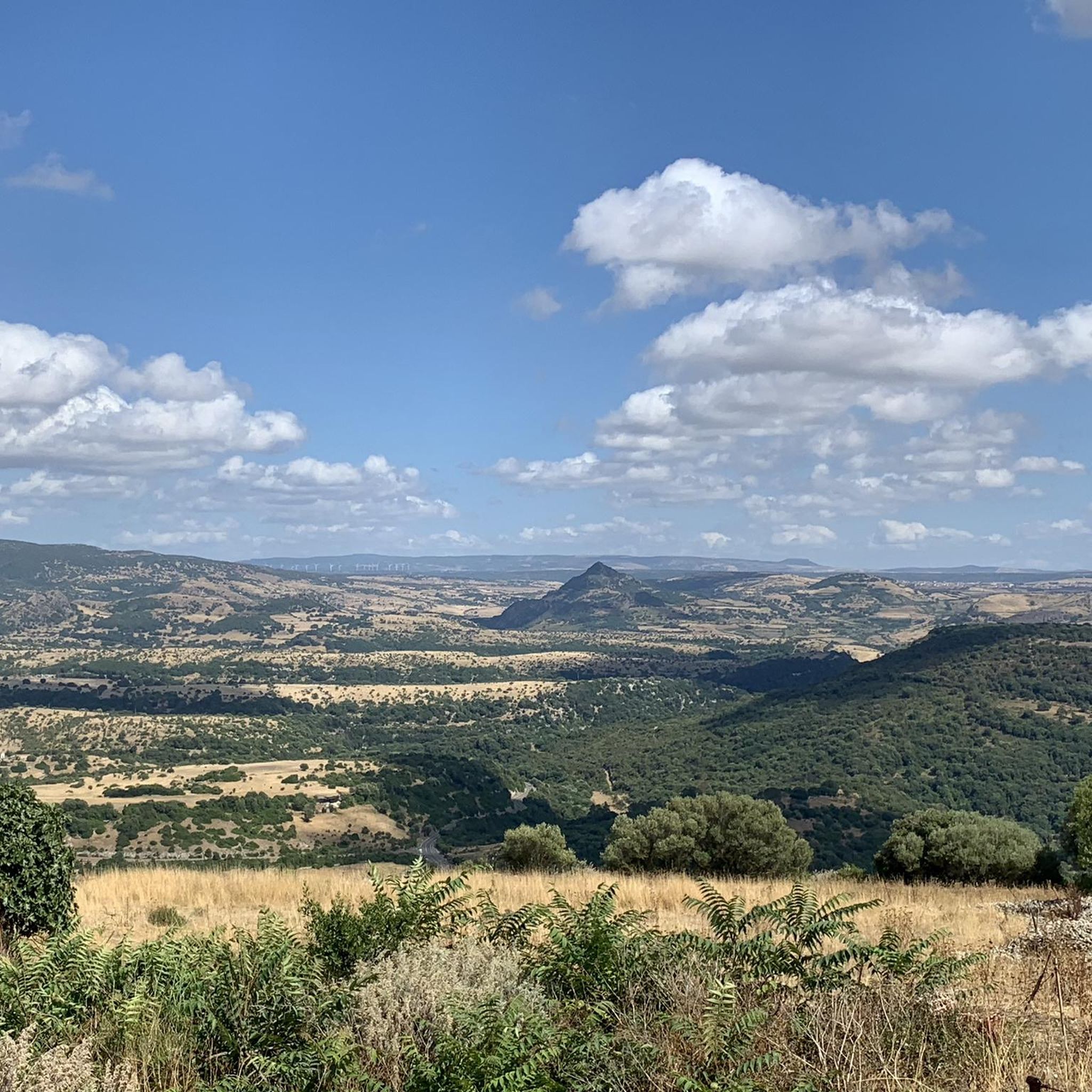
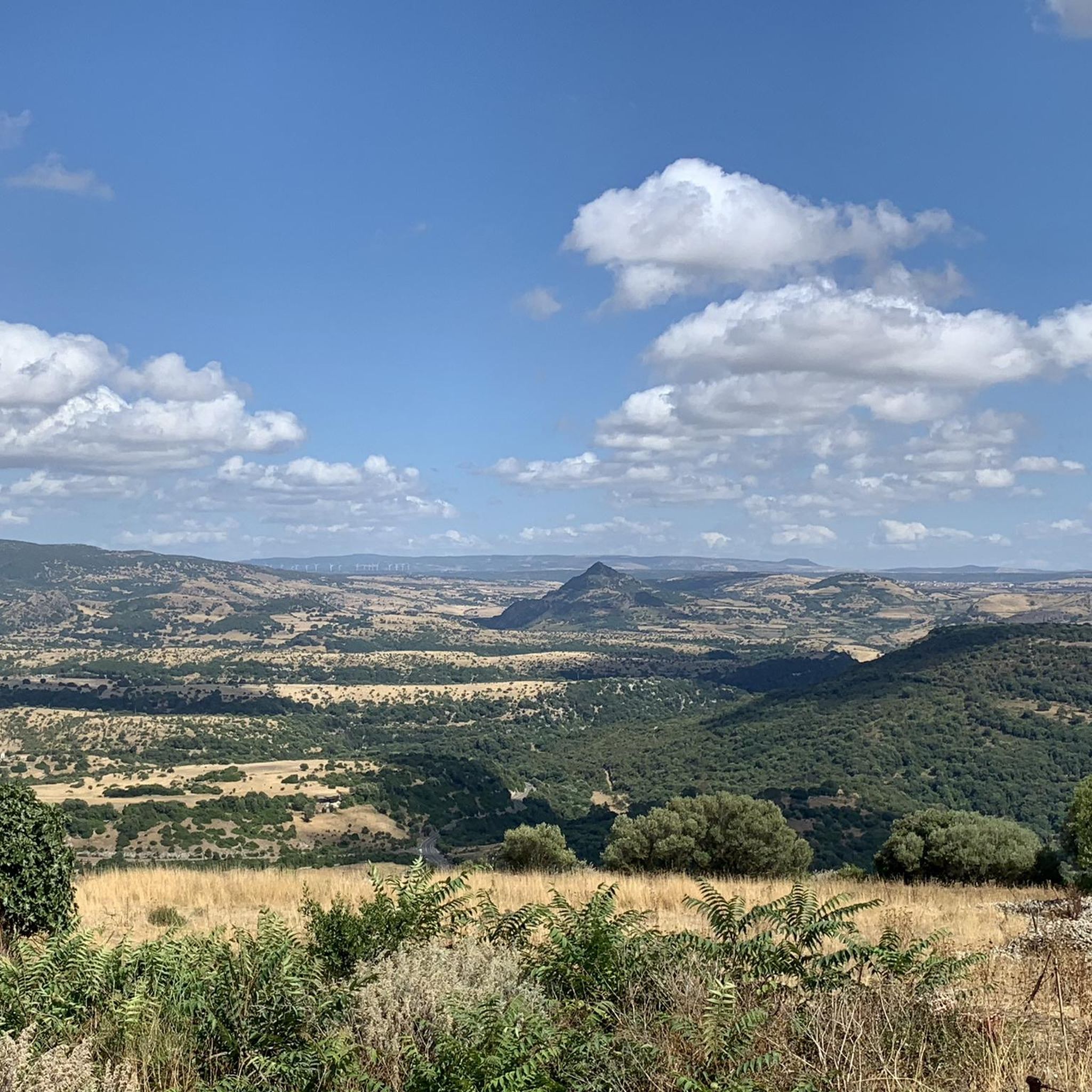
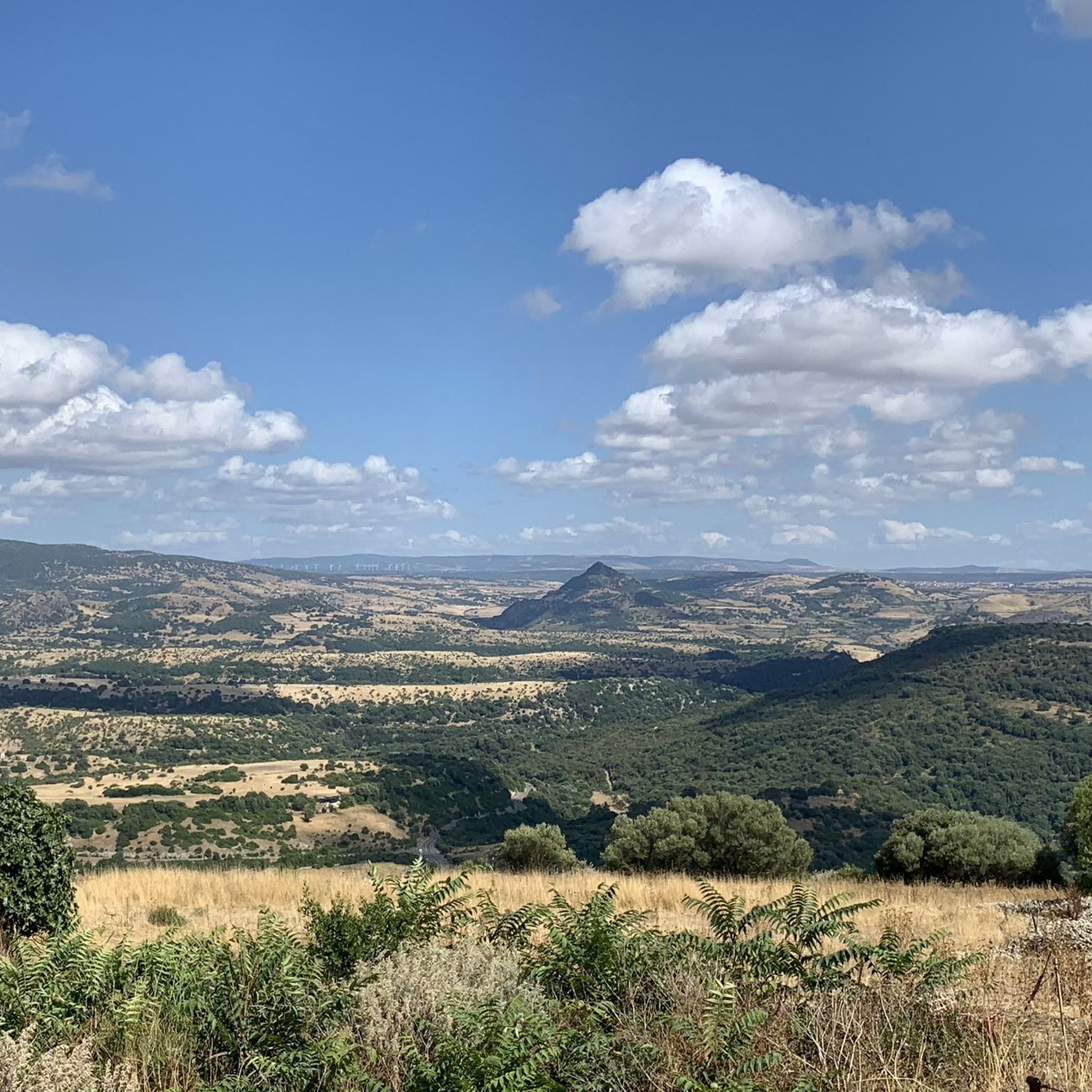
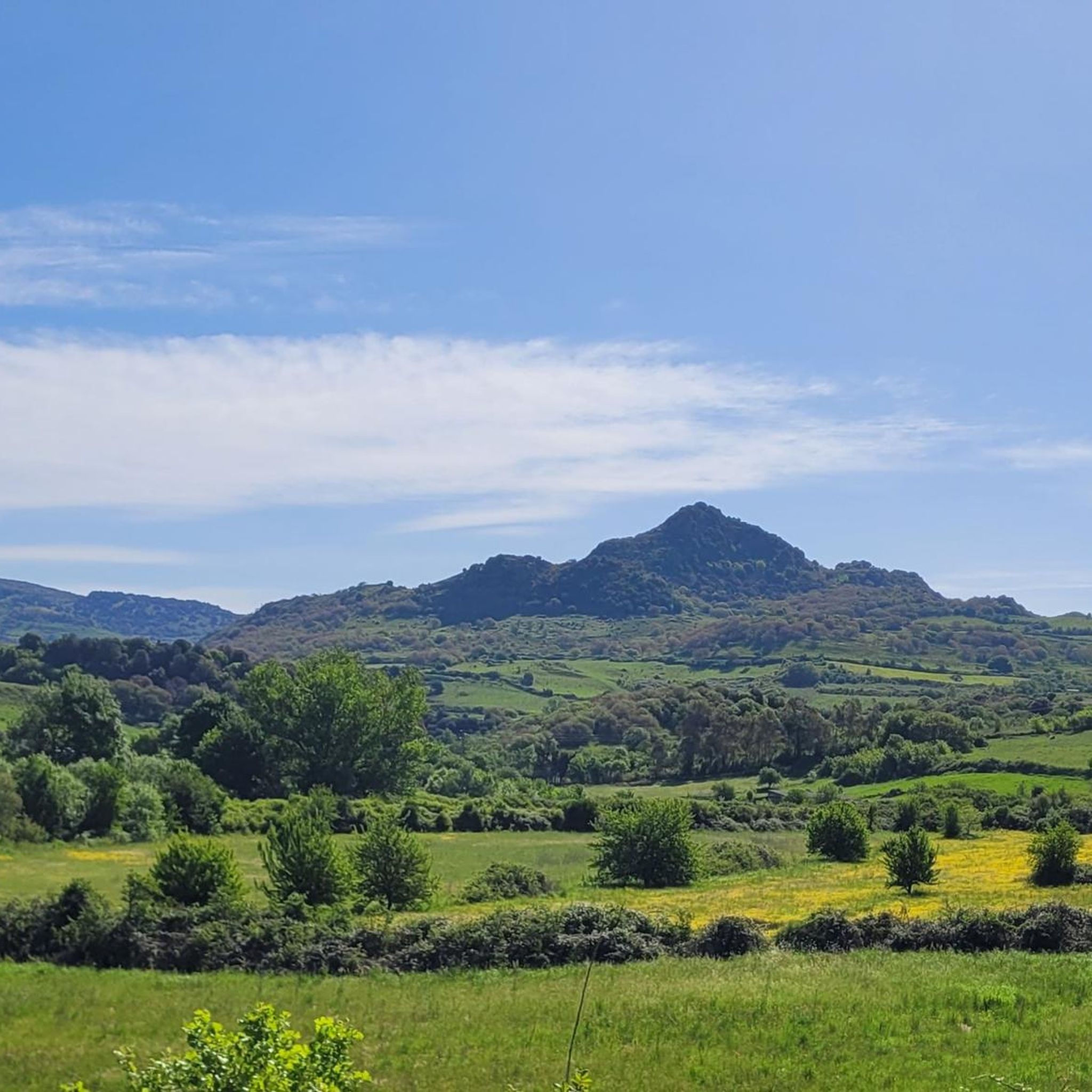
Plains with a primordial appearance, large green spaces bordered by imposing rock formations, isolated or in rows, with caves dug by nature and inhabited by man over the millennia
0
0

A place of great historical value. Well worth a visit!
0
0

The necropolis of Puttu Codinu ("rock well") is an archaeological site located in the municipality of Villanova Monteleone, province of Sassari, near the state road 292 that leads to Monteleone Rocca Doria. A necropolis with nine hypogeal tombs was found on the site, in an area with rocks emerging from the surrounding land. The tombs were found by chance during recent excavation work. It is believed that the site began to be used in the recent Neolithic (3500 BC). Source: Wikipedia https://it.wikipedia.org/wiki/Necropoli_di_Puttu_Codinu
0
0

One of the most beautiful nuraghi on the island.
1
0

According to some sources, the town of Thiesi was founded by Jews deported by the Romans. Today cheese production is the main activity and is home to large dairy industries. The most important historical buildings found there are the seventeenth-century church of Sant'Antonio and the parish church of Santa Vittoria, a beautiful Gothic-Aragonese building built between 1400 and 1590, with Renaissance interior decoration and portal.
0
0

Artificial lake created by damming the river Temo. Its waters are used for irrigation and as drinking water.
1
0

The nuraghe of the monumental complex of Santu Antine di Torralba (15th century BC), cornerstone of the entire settlement system of the Valle dei Nuraghi, represents the synthesis and culmination of the architecture of the Nuragic period. At the foot of the nuraghe lies the nuragic village, only partially brought to light by the excavations. The huts were built in Roman times as early as the 2nd century BC. and after a short period of neglect (middle of the 1st century BC) a rustic villa was built on the southern village structures. The virtual reconstruction of the Nuraghe Santu Antine represents an equilateral triangle centered on the central tower – or mastio – whose original height exceeded 25 meters. At the corners are three side towers that are almost identically spaced from each other, about 42 meters. The exterior brickwork follows a curvilinear pattern, with rows arranged in horizontal courses. Inside, there are long corridors, simple and spiral staircases to reach the upper rooms, silos for storing food, and a fountain system. The constant regularity of dimensions and symmetries suggest a unified project in which the desire to create large voids within the walls is clearly felt. The main entrance overlooks the courtyard in which stands the mastio, of which only the first and second chambers are complete; On the wall there are 7 monumental entrances, arranged symmetrically, from which you can reach the different rooms also on the first and second floor. At the two ends of the courtyard are the entrances to the west and east towers: in each of these chambers another passageway connects them to the north tower through monumental corridors. From the ground floor of the mastio, going up the spiral staircase, you reach the room on the first floor, which, like the lower one, has a tholos roof. The geometric lines of the planimetric scheme of the basement are also proposed on the upper floor: only the central tower had an additional level, now reduced to a few lines. Source: https://www.nuraghesantuantine.it/nuraghe.html
1
0

Worth seeing, since the otherwise dark corridors are illuminated here and only give an impression of the size of the building
0
0
マラでのの人気観光スポット

komootモバイルアプリでインスピレーションを得よう


さらに探索
まだ探しているハイライトが見つかりませんか?他の地域のトップアトラクションのガイドを見てみましょう:
