メルカートサラチェーノの洞窟・トップ20
ハイキングの途中で偶然見つけた場合でも、ガイドブックに沿ってたどり着いた場合でも、いつも特別な体験をもたらしてくれる城。メルカートサラチェーノには訪れるべき 20
の美しい城があります。一覧から行きたい城を見つけて、次の冒険では歴史にも触れてみましょう。
最終更新日: 8月 25, 2026
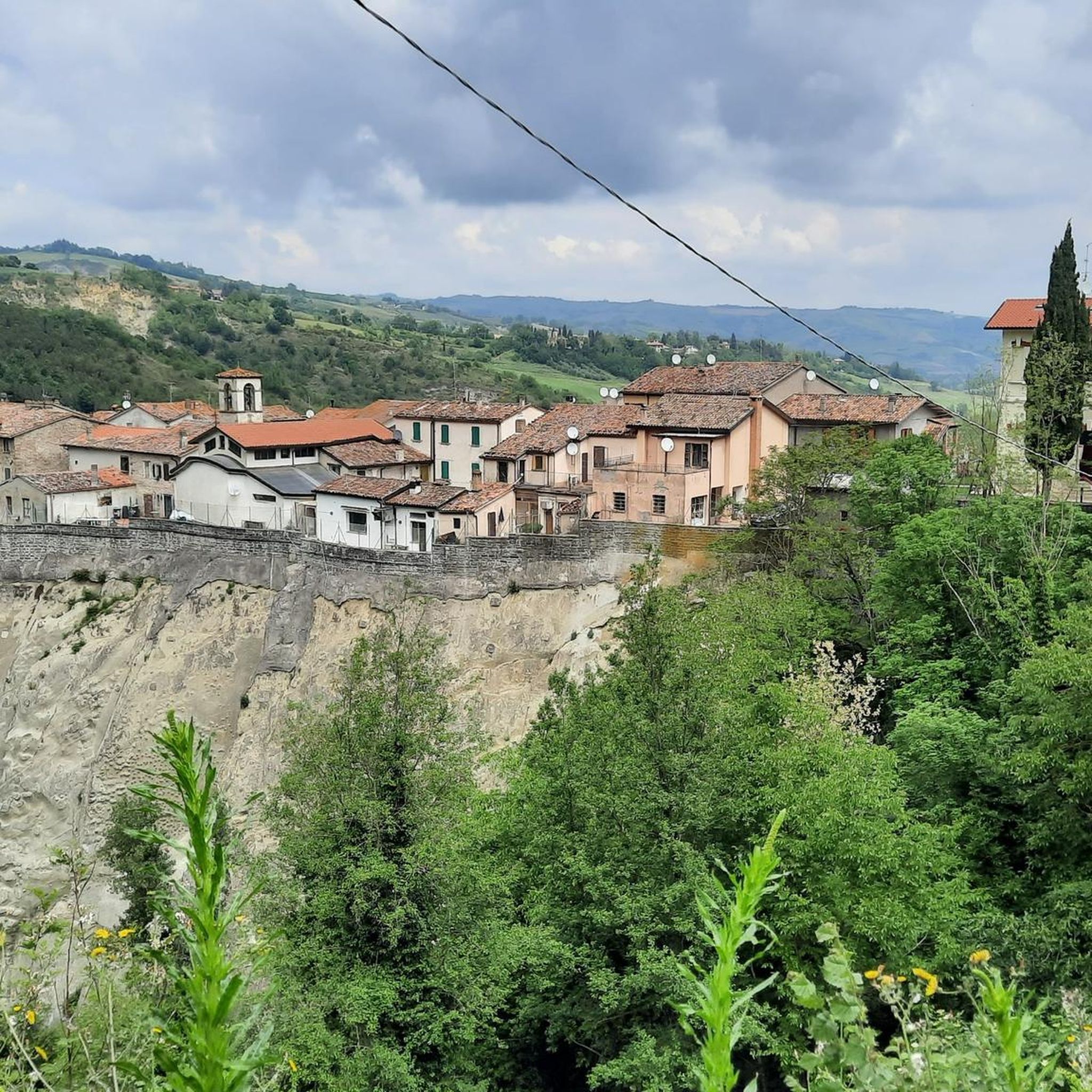
ロンコフレッド村の中心部
ハイライト • 歴史的な場所
Castle worth seeing.
More information: de.wikipedia.org/wiki/Roncofreddo
翻訳者 Google •
役立つ情報 は

モンテレオーネ中世の村
ハイライト • 集落
翻訳者 Google •
役立つ情報 は

今すぐサインアップして、こんな場所を発見しよう
最高のシングルトラック、ピーク、その他のエキサイティングなアウトドアスポットのおすすめを受け取ろう。
無料新規登録
サン・レオの要塞と歴史的な村
ハイライト • 城
翻訳者 Google •
役立つ情報 は

サン・レオの要塞
ハイライト • 城
翻訳者 Google •
役立つ情報 は

モンテベッロ・ディ・トリアーナ
ハイライト • 城
翻訳者 Google •
役立つ情報 は

無料でサインアップして、さらに多くの城を発見しましょう メルカートサラチェーノでの。
無料新規登録
すでにアカウントをお持ちですか?
無料アカウントで今日から始めよう
次の冒険が待っています。
ログインまたは登録
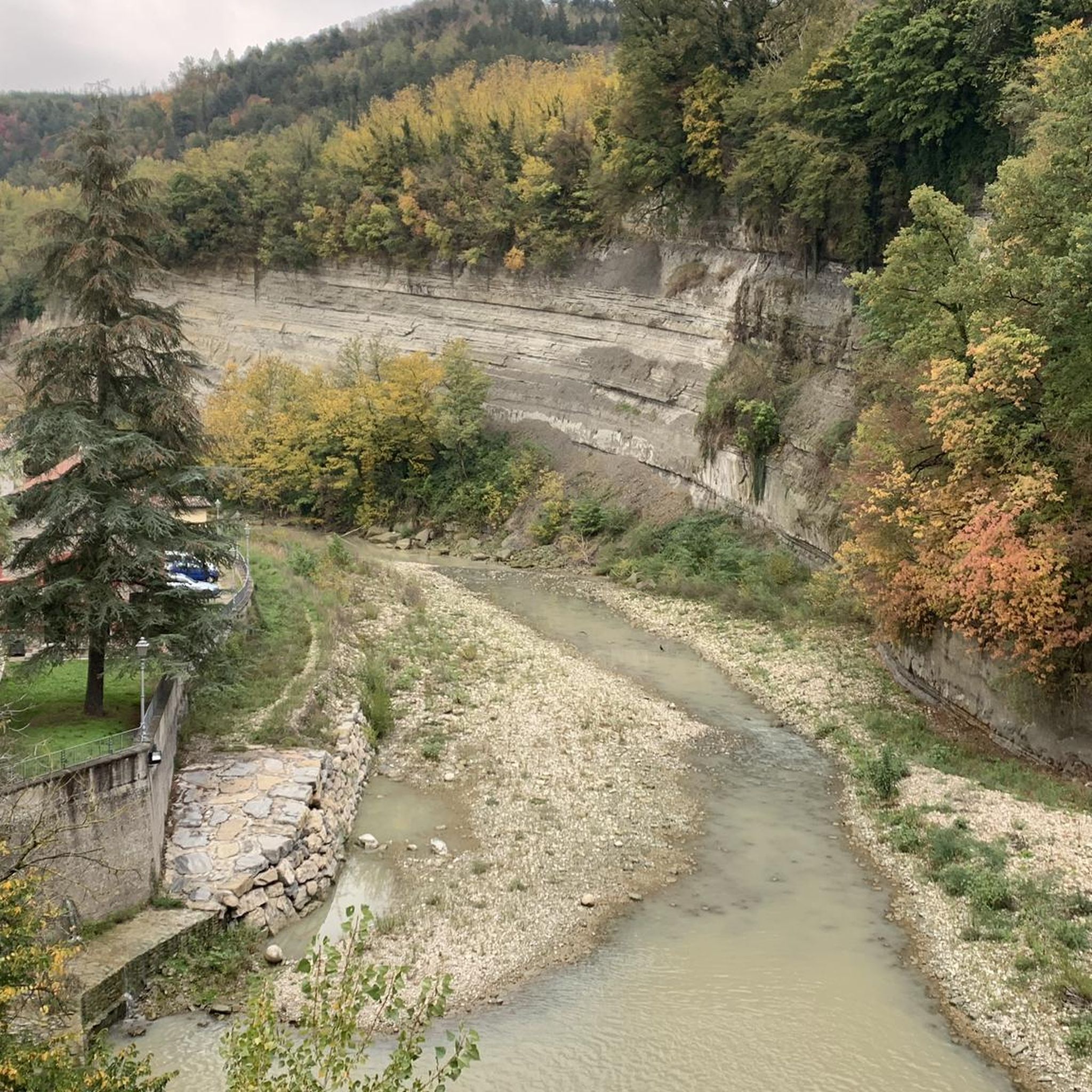
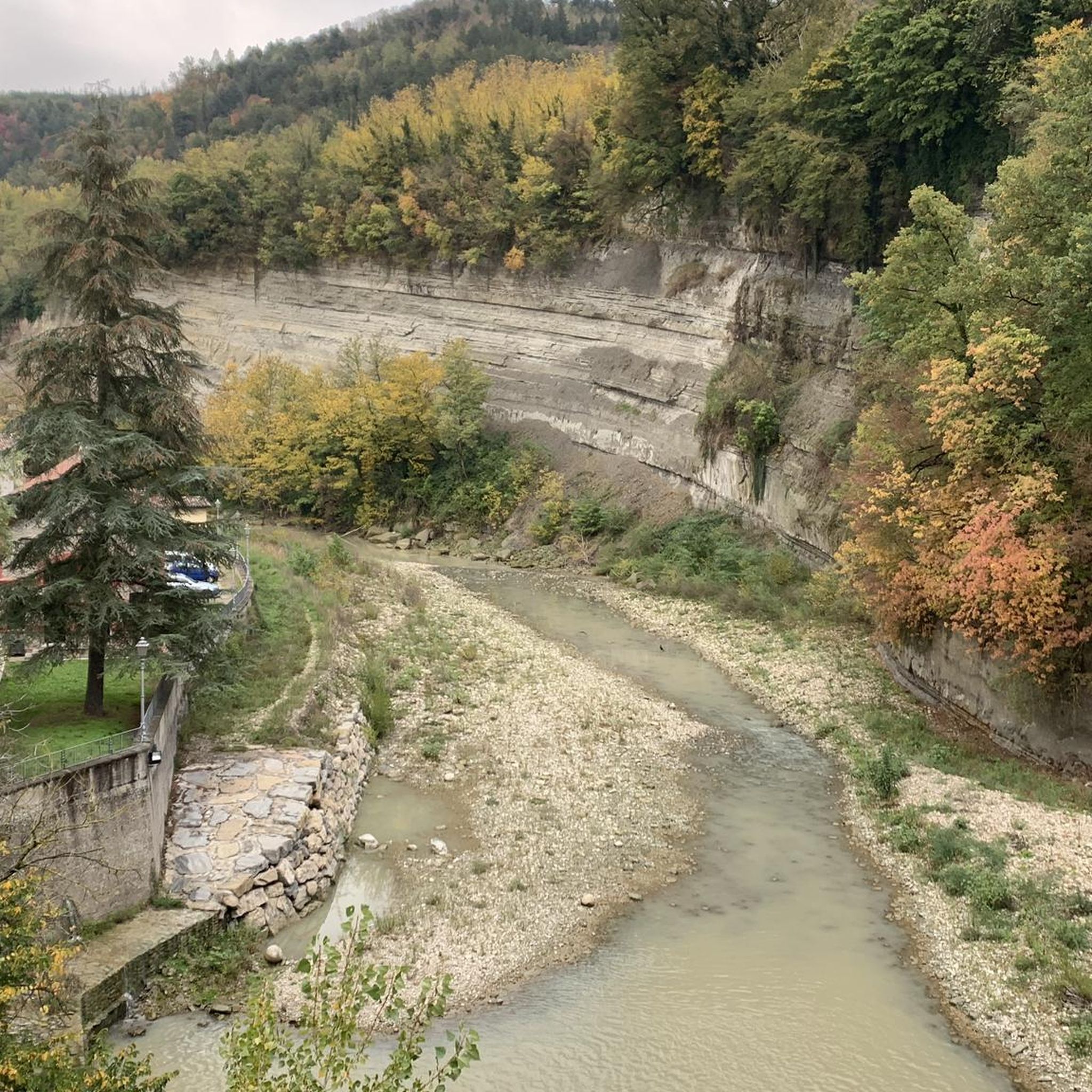
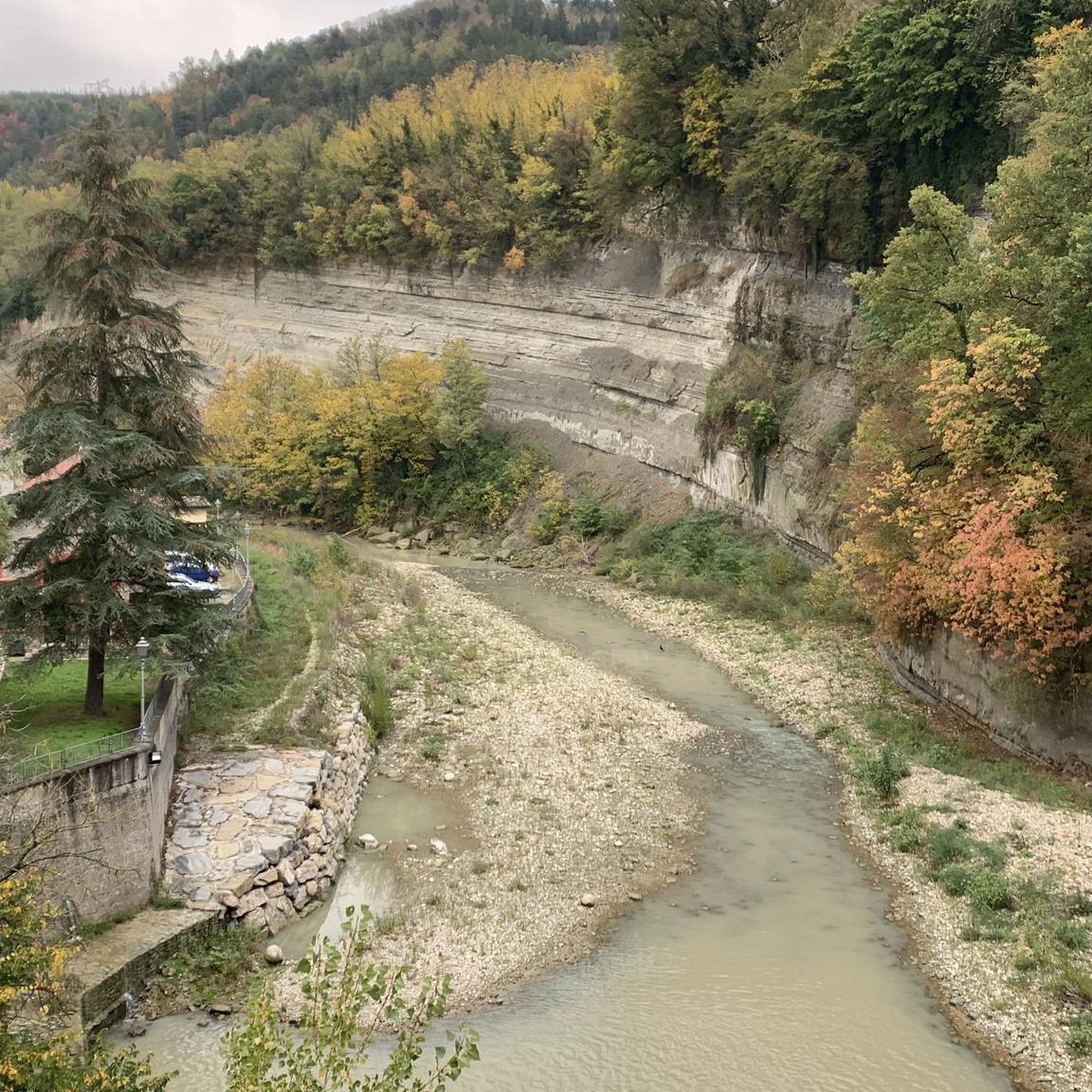
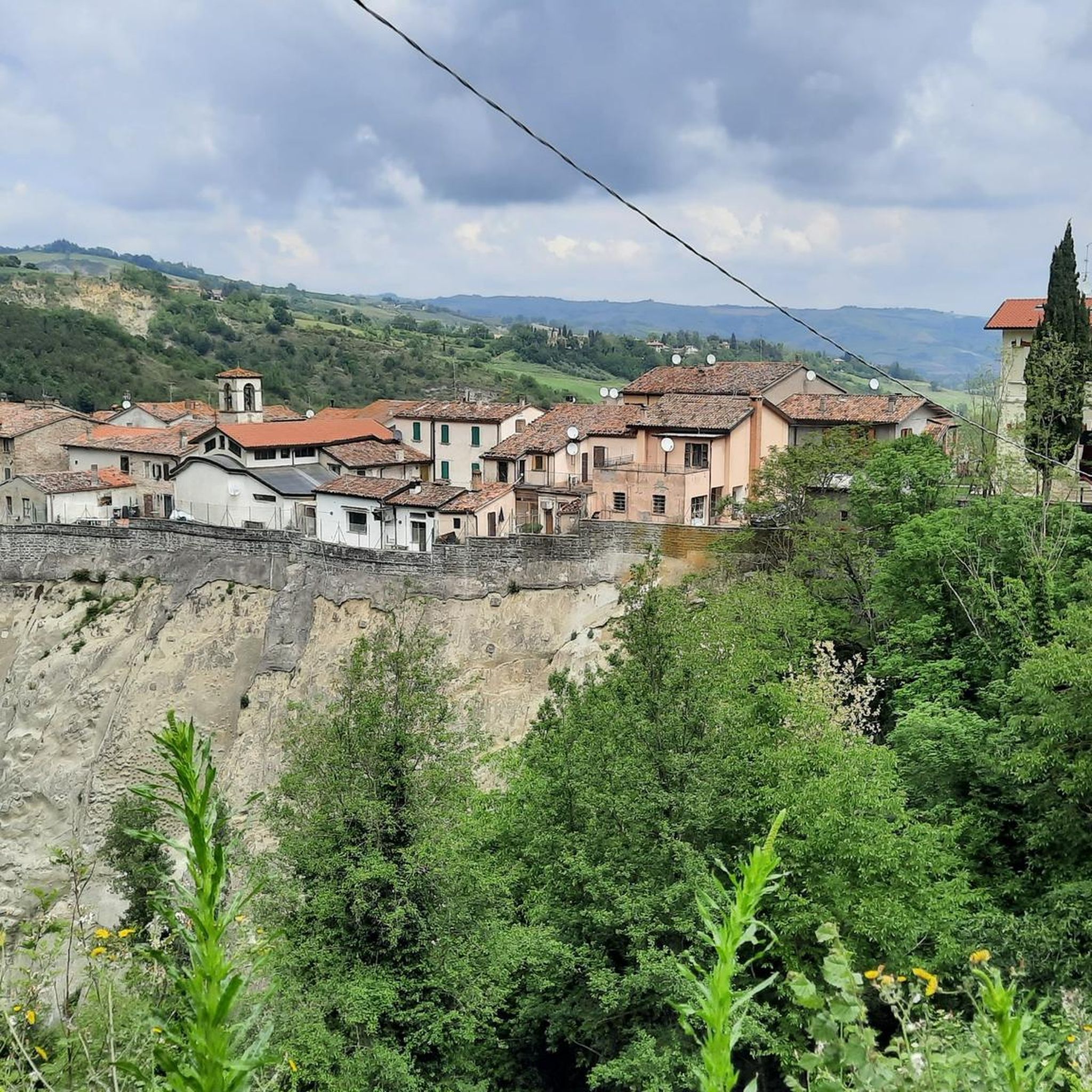

コミュニティからのヒント

Beautiful view of the Valmarecchia
0
0

The fort of San Leo thus took on an emblematic meaning, so much so that Bembo defined them as "a very strong fort and admirable tool of war", an admirable meeting point between nature and art.
1
0

In the 13th century it was a possession of the Malatesta family, under whom the town managed to prosper until the abolition of feudalism at the dawn of the 19th century. After the brief Napoleonic period, the municipality passed to the Church in 1816, followed by the Risorgimento uprisings, the passage of Giuseppe Garibaldi and the annexation to the Kingdom of Italy. (Source: https://www.ilturista.info/guide.php?cat1=4&cat2=8&cat3=6&cat4=157&lan=ita)
0
0
The etymology of the name Roncofreddo is uncertain, as are the origins of the town. The first documented information dates back to the documents of the Bavarian Code (an ancient administrative register of the Church of Ravenna dating back to the 7th-10th centuries, currently kept in Munich) where in n.70 mention is made of the concession by an archbishop of Ravenna to Tybalt , son of Leone del Duca Orso, of an estate called Fundum Roncofrigido. (Source: http://www.comune.roncofreddo.fc.it/c040037/zf/index.php/servizi-aggiuntivi/index/index/idtesto/20041 )
0
0

When we visited, in the summer of 2023, preparations were being made for a wedding at the castle, it is very romantic to get married in this beautiful place.
6
0
The famous Dante already had great words for the small town of San Leo near the dwarf state of San Marino in his “Divine Comedy”. Thanks to its exceptional attractiveness, the municipality in the Emilia-Romagna region has often served as a film set. Not only has San Leo been named one of the most beautiful villages in the country, but it has also been awarded a seal of quality by the Italian Touring Club. No wonder that the town on the bizarre rock formation is a real visitor magnet. The buildings of San Leo are extremely remarkable, both artistically and architecturally. Source: www.italien.de/staedte/san-leo
7
0
The Rocca di San Leo is a fortress located on the municipality of the same name in the province of Rimini, Emilia Romagna, Italy. The fortress is built on the top of the rocky peak that overlooks the Leonine town and dominates the Valmarecchia. It was built in 1441 by Francesco di Giorgio Martini to keep up with the new military techniques of the time. The fortress was used as a prison and hosted historical figures such as Felice Orsini and Cagliostro.
1
0
The Fortress of San Leo is linked above all to the life of the famous magician and alchemist Giuseppe Balsamo, Count of Cagliostro, mysterious and enigmatic "guest" of its prisons, who after having lived in the most important courts of Europe, from London to St. Petersburg, where it was possible for him to form friendships with prominent personalities such as Schiller and Goethe, he ended his existence in the impregnable Fortress of San Leo, pardoned by Pope Pius VI, after being condemned to death in a harsh trial in 1790 for heresy and activity seditious.
1
0
メルカートサラチェーノでのの人気観光スポット

komootモバイルアプリでインスピレーションを得よう


さらに探索
他の場所で最高の城を探していますか?他のガイドを発見しましょうメルカートサラチェーノでの:
