テヴェリーナのルニャーノのおすすめMTBライド
4.5
(203)
1,056
ライダー
142
ライド
テヴェリーナのルニャーノ周辺には魅力的なマウンテンバイクルートがいくつもありますが、冒険を始めるにはその場所とルートを把握する必要があります。ここでは、komootが提供するテヴェリーナのルニャーノ周辺でのマウンテンバイクルートのコレクション全体を評価して選び抜いた、人気ルートをご紹介します。各ライドの詳細をぜひご覧ください。
最終更新日: 9月 14, 2026
18
ライダー
58.0km
05:03
1,470m
1,470m
難しいマウンテンバイクライド. 標準以上のフィットネスレベルが必要です。 高度なライディングスキルが必要です。
4.7
(3)
50
ライダー
40.5km
03:17
750m
750m
中程度のマウンテンバイクライド. ある程度のフィットネスレベルが必要です。 あらゆるスキルレベルに適しています。

19
ライダー
37.1km
03:30
860m
860m
難しいマウンテンバイクライド. ある程度のフィットネスレベルが必要です。 高度なライディングスキルが必要です。ツアーの一部で自転車を押して歩く必要があるかもしれません。
4.0
(4)
27
ライダー
35.0km
02:56
600m
600m
中程度のマウンテンバイクライド. ある程度のフィットネスレベルが必要です。 高度なライディングスキルが必要です。
7
ライダー
64.4km
05:59
1,570m
1,570m
難しいマウンテンバイクライド. 標準以上のフィットネスレベルが必要です。 高度なライディングスキルが必要です。ツアーの一部で自転車を押して歩く必要があるかもしれません。
さらに多くのルートや他のユーザーのおすすめ情報を確認できます。
すでにアカウントをお持ちですか?
おすすめのツアーは他のkomootユーザーが実際に経験した何千ものアクティビティに基づいています。
無料アカウントで今日から始めよう
次の冒険が待っています。
コミュニティからのヒント

ペルジーノの聖母教会は、ジョーヴェにある小さな礼拝堂で、奇跡的とされる聖母の像にまつわる地元の伝統から生まれました。パネルによると、1458年にペルージャ出身のフランチェスコ・カッファローリが村の扉にその像を描き、1749年に市民によって礼拝堂が再建され、その後フレスコ画で装飾され、1879年に修復されました。本質的に、ジョーヴェのコミュニティの歴史とアイデンティティに深く結びついた、信心深い建物です。
0
0
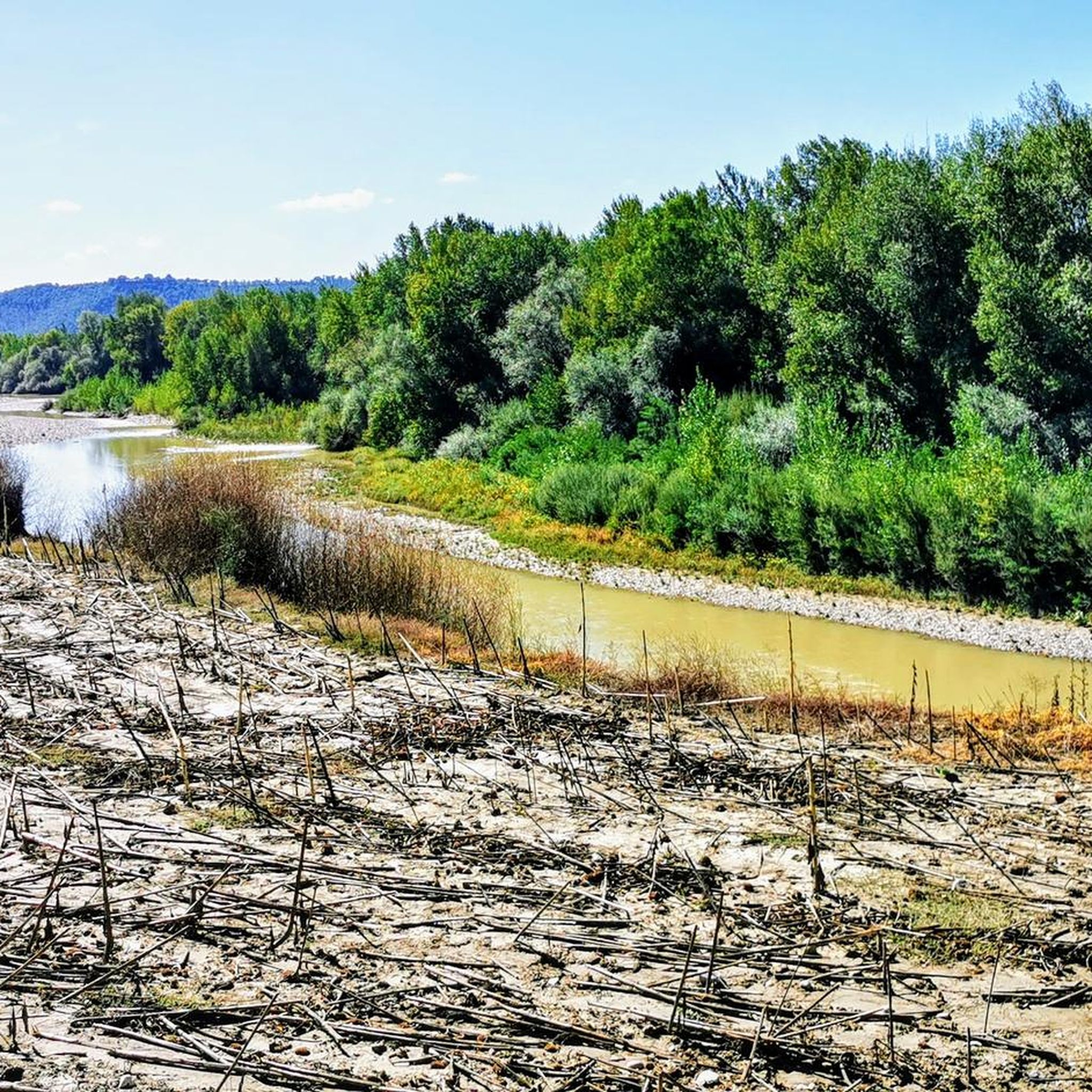
リオ・グランデ川流域は、アメリアから約2キロメートル、モンティ・アメリニ地域に位置しています。リオ・グランデ川はテヴェレ川に注ぐ支流であり、この地域は都市型河川公園、そして自然および景観的関心の高い場所として説明されています。 その歴史的重要性は、主に2つのダムに依存しています。1つはパラと呼ばれる上流のダムで、ラゴ・ヴェッキオ(古い湖)を形成しました。もう1つはデイ・フィネストローニまたはポンテ・グランデと呼ばれる下流のダムです。 何世紀にもわたり、この水力システムは地域の水源を確保し、油と穀物を挽くための製粉所を稼働させてきました。これらの製粉所は、今でも流域沿いに記憶されています。
0
0


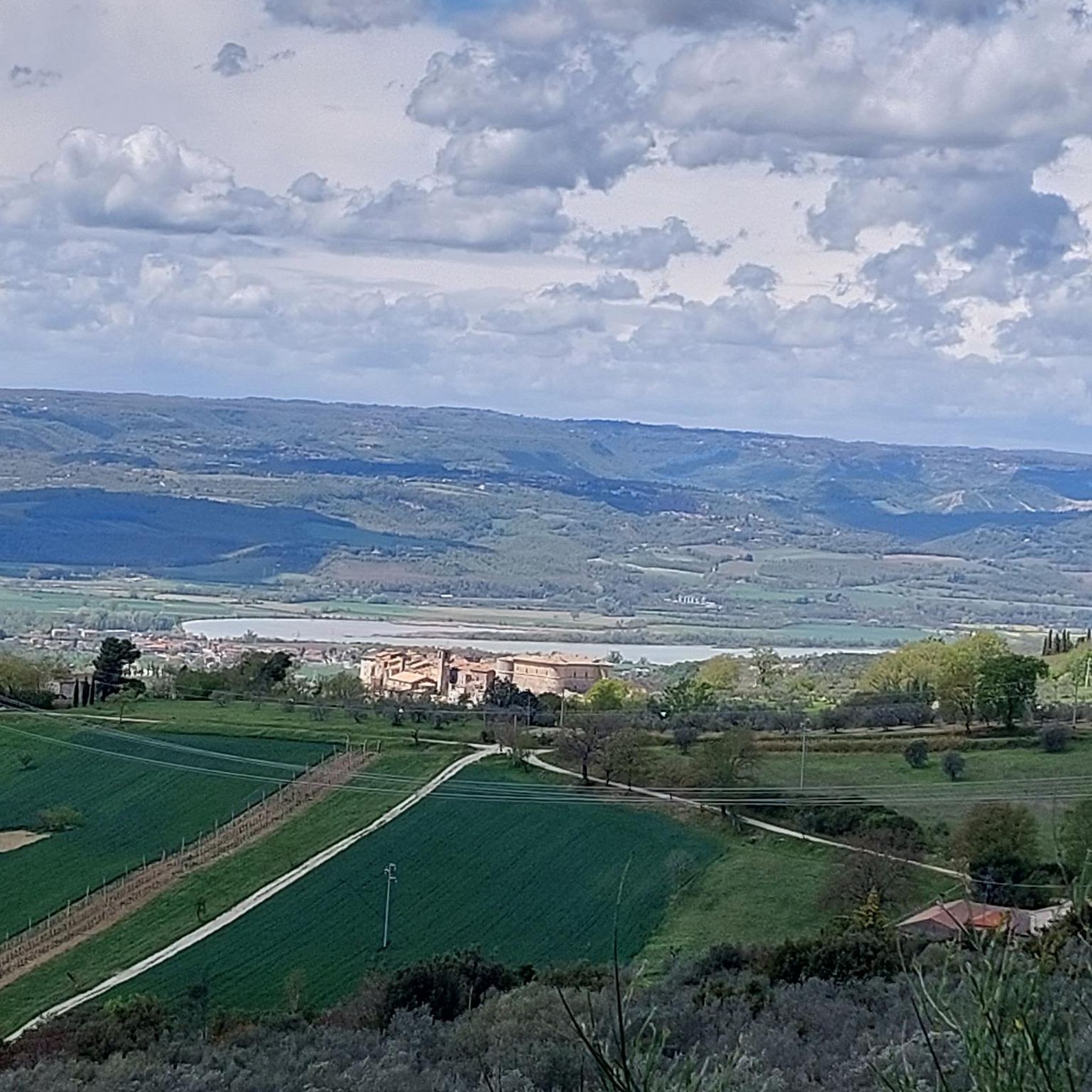
This palace-castle stands on the ruins of a temple dedicated to Jupiter Elicius, hence its name. The first traces of construction date back to the 12th century, and the structure has been modified and remodeled over time. Visits to the interior are available by sending a request to the association that manages it: castellogiove@gmail.com.
2
0

Gorgeous place! Too bad it takes so many rainy days to see any water!
0
0

archaeological site immediately after the church, worth visiting
0
0

CHURCH OF THE MADONNA DEL ROTOLINO (or dell'arrotino) (1555) Small devotional chapel originally built in 1555 thanks to the efforts of the then governor of Vitorchiano Alessio Boccamazza. Located along the "piagge" road that led through the vegetable gardens to the countryside and the church of San Michele. The name derives from a miraculous event that happened to a knife-grinder who was passing by and who saw a large peperino stone (located near the chapel) fall on him and was miraculously saved by the protection of the Virgin Mary. Inside there was a stucco altar with an image of a Madonna with the child in her arms. Initially the church was in the care of the Community of Vitorchiano but around 1600 it passed under the protection of the parish. Having fallen into ruin during the 20th century, the chapel was rebuilt in 2003.
0
0
テヴェリーナのルニャーノでのの人気観光スポット

komootモバイルアプリでインスピレーションを得よう


さらに探索
他の地域の最高のMTBトレイルを見てみましょう。
