ロッカ・ダラッツォ周辺のアトラクション&必見スポット - トップ20
ロッカ・ダラッツォには必見のスポットがたくさんあります。ハイキング愛好家やサイクリング愛好家の方は、ぜひロッカ・ダラッツォを探索してこのエリアにある20
の隠れたスポットを訪れてみてください。このエリアの必見スポットを確認し、次の冒険に出かける計画を立てましょう。
最終更新日: 9月 13, 2026
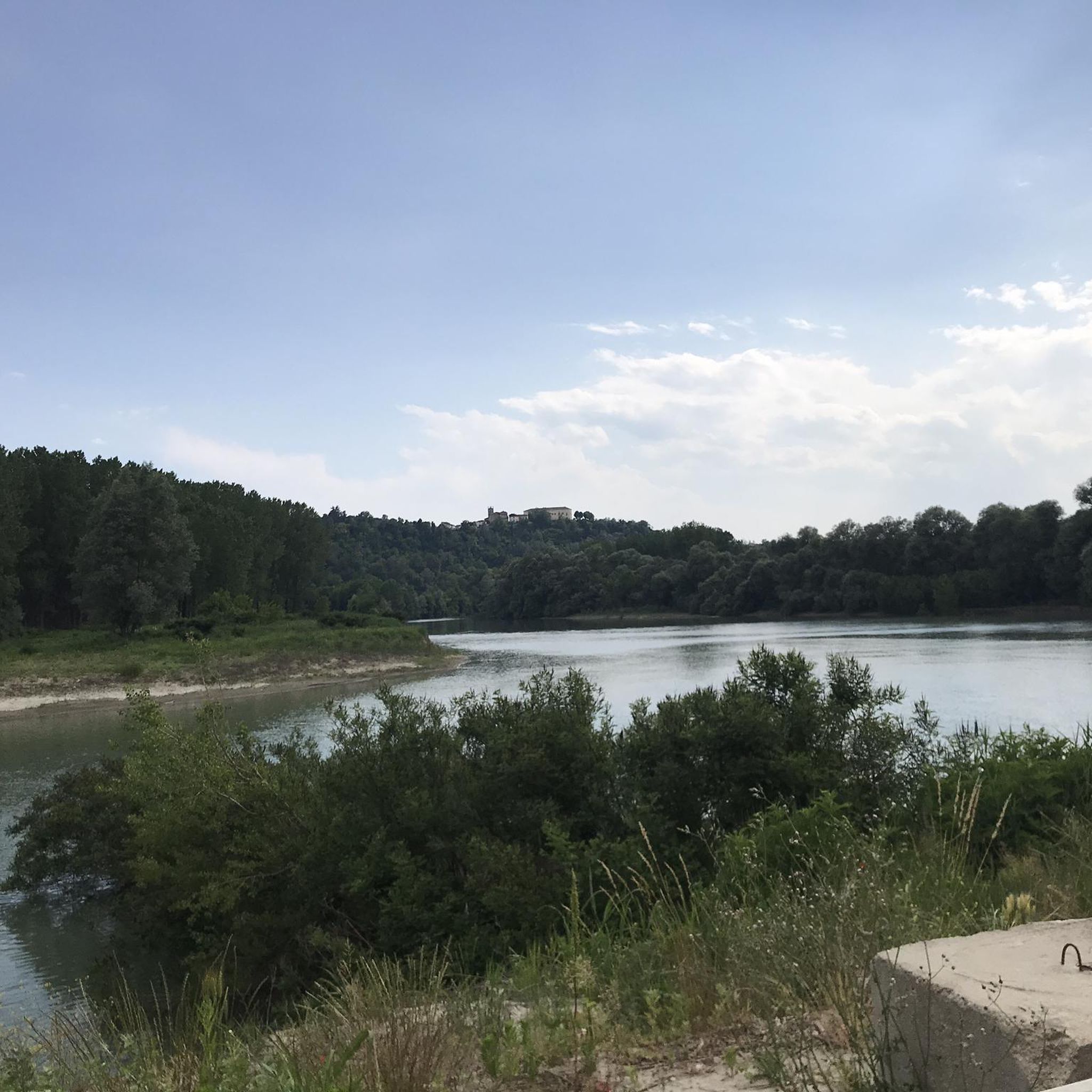
ヴィアトスト教会とアスティの丘の眺め
ハイライト • 宗教的な場所
翻訳者 Google •
役立つ情報 は

コスティリオーレ・ダスティ城
ハイライト • 城
翻訳者 Google •
役立つ情報 は

今すぐサインアップして、こんな場所を発見しよう
最高のシングルトラック、ピーク、その他のエキサイティングなアウトドアスポットのおすすめを受け取ろう。
カステルヌオーヴォ・カルチェアの中心広場
ハイライト • 集落
cittaecattedrali.it/it/bces/313-chiesa-di-s-stefano-castelnuovo-calcea-at
翻訳者 Google •
役立つ情報 は

サン・セッコンド参事会教会
ハイライト • 宗教的な場所
翻訳者 Google •
役立つ情報 は

ピアッツァ・カスタニョーレ・モンフェッラート
ハイライト • 集落
翻訳者 Google •
役立つ情報 は

無料でサインアップして、さらに多くの観光スポットを発見しましょう ロッカ・ダラッツォでの。
すでにアカウントをお持ちですか?
無料アカウントで今日から始めよう
次の冒険が待っています。
コミュニティからのヒント

Castelnuovo Calcea, located in the heart of the Monferrato Astigiano, has ancient origins linked to the Ligurian Statielli, Celts, and Gauls, before Roman colonization (Castrum Novum ad Calcea). The medieval village, known for its castle, destroyed several times starting in 1155, was a fiefdom of the Marquises of Incisa, the Trotti family, and finally the Savoy family in 1735.
0
0

Divided into three naves by twelve pillars supporting arches and cross vaults on a Latin cross plan, the church contains works of great artistic value by painters of the 16th and 17th centuries. Of note are the carved choir and wooden lectern, commissioned by Bishop Innocenzo Migliavacca at the end of the 17th century. At the end of the nave is the Chapel of San Secondo, built between 1772 and 1789 to a design by Bernardo Antonio Vittone.
7
0

With a plaque for the "Martyrs of Freedom": Ferrero Domenico Ferruccio from Castelnuovo was a partisan in the Giustizia & Liberta formations, killed in action on March 26, 1945, during the fighting in Agliano, not far from here. http://intranet.istoreto.it/partigianato/dettaglio.asp?id=35746 Bianco Luigi Loris was a farmer from Castelnuovo and a partisan in an autonomous unit. He was captured during a clearing operation on December 6, 1944, and deported to Germany. He died during the death march from Flossenbürg to Dachau. https://israt.it/banche-dati/deportati-politici-astigiani.html https://www.pietredellamemoria.it/pietre/monumento-ai-caduti-di-castelnuovo-calcea/
0
0

The castle, configured in a single and imposing square volume, reveals evident architectural stylistic differences, originating from the layout choices undertaken in the 17th century by the legitimate owners. Starting from 1625, the Asinari nobles shared the rank of "counts of Costigliole" with the noble Verasis family. This complex was therefore divided between two feudal lords, who, with autonomous determination, gave rise to transformations and embellishments on subjective bases. The northern part of the manor, pertaining to the Asinari, retains the appearance derived from the interventions of the second half of the eighteenth century, duly inspired by the architectural canons propagated by Benedetto Alfieri. At the same time, the external aspect of the southern part, pertaining to the Verasis, constitutes an interesting example of neo-medieval stylistic re-proposition, dating back to the first decades of the 19th century.
5
0

Strada Mazzola in its (almost) final part before the outlet on the Valmanera road.
0
0
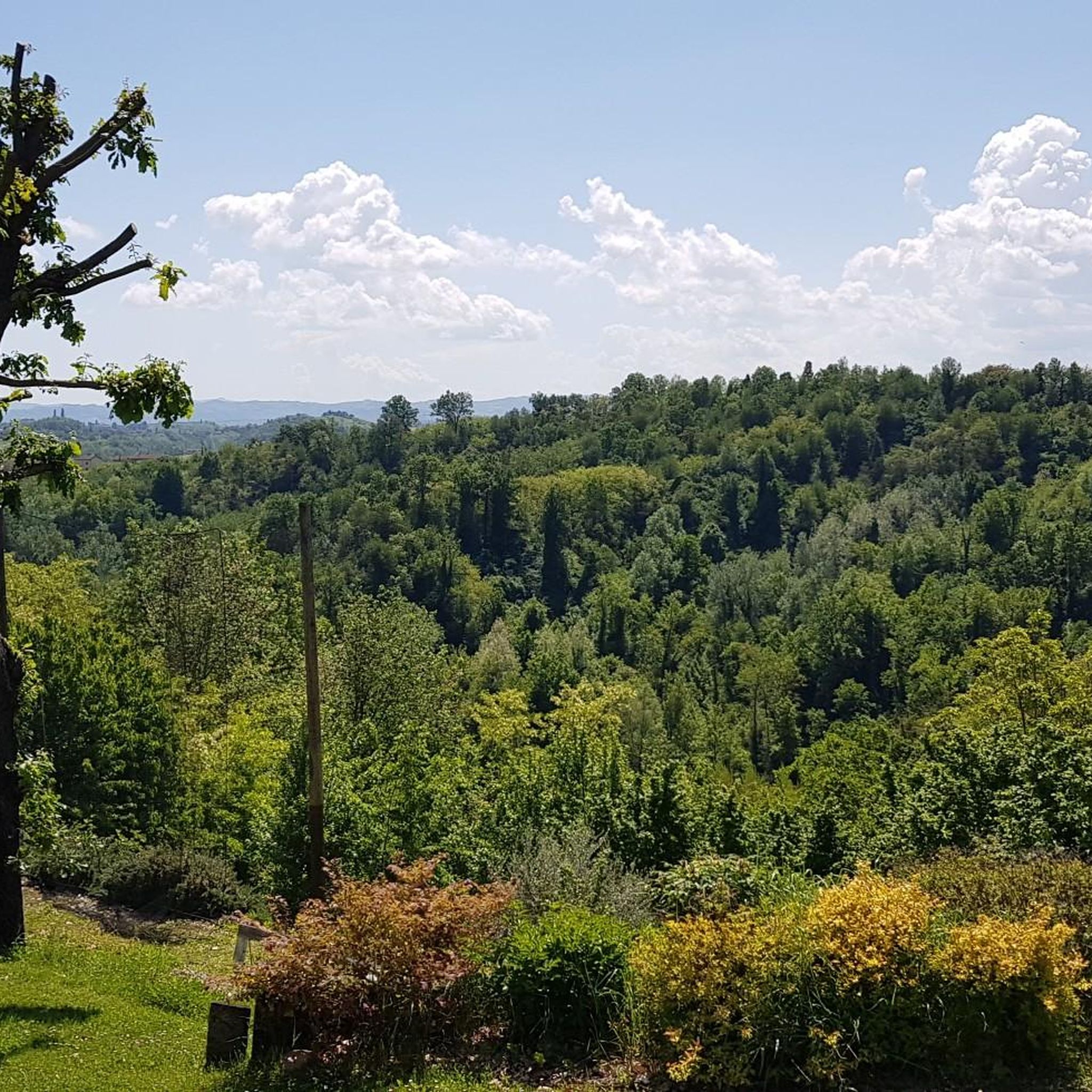
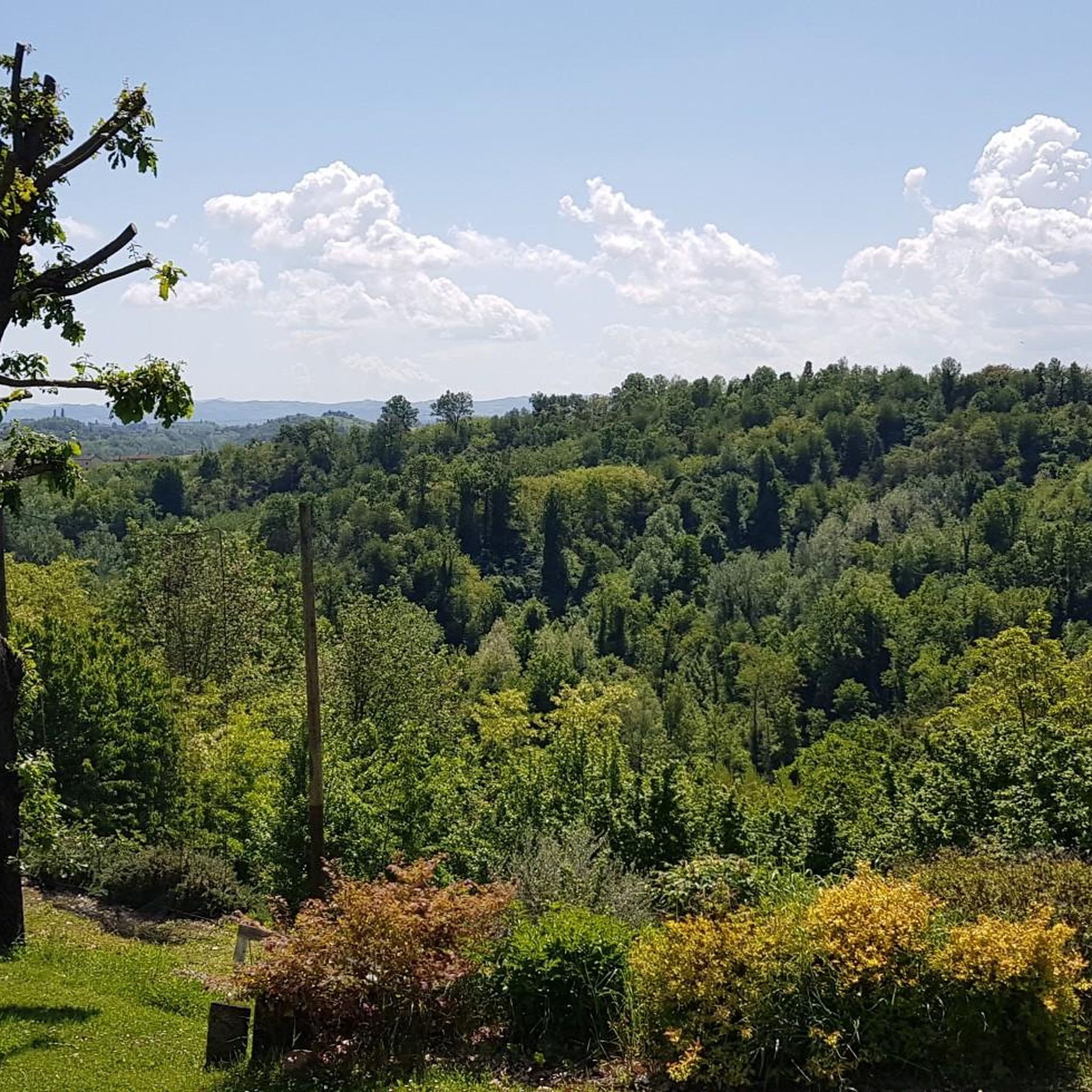
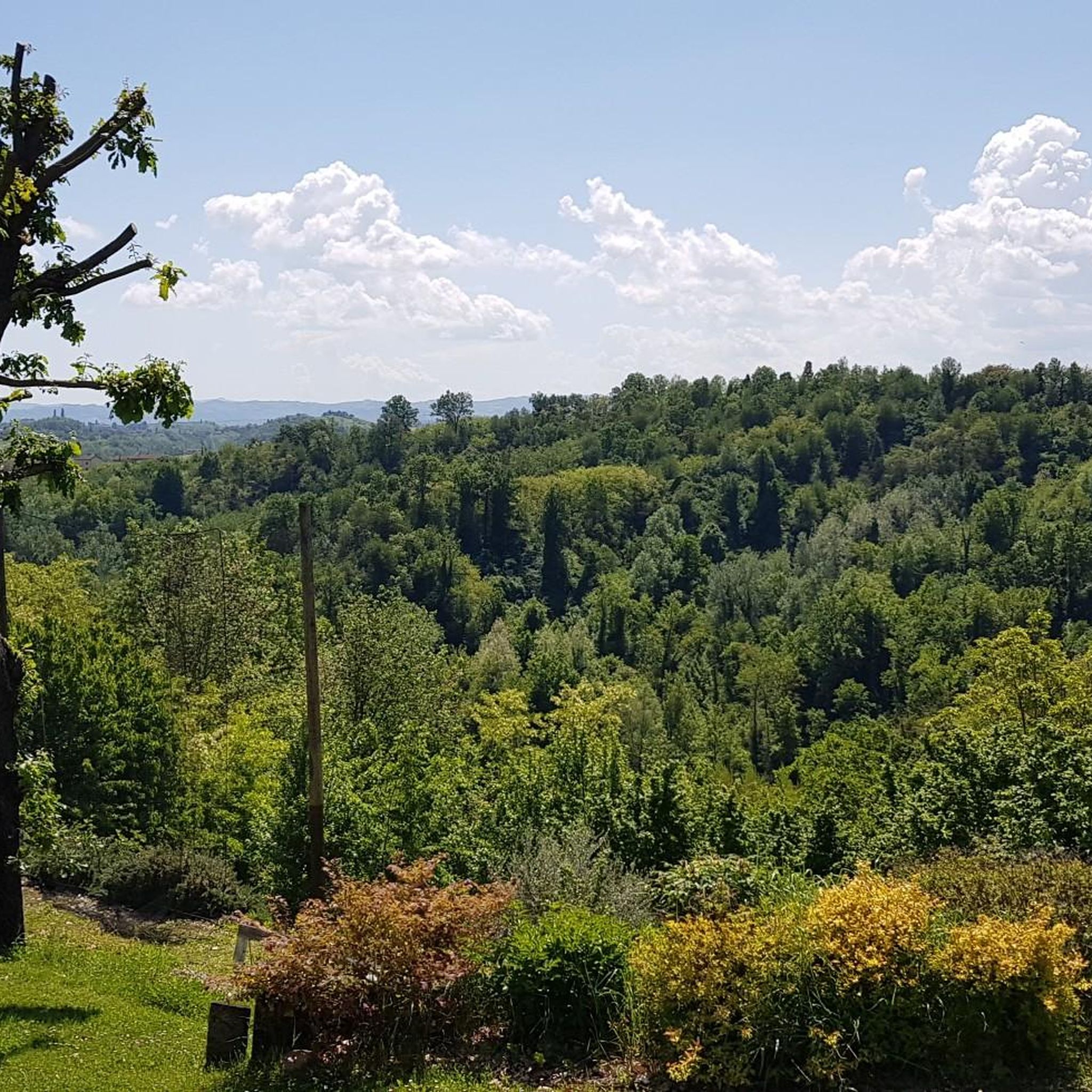
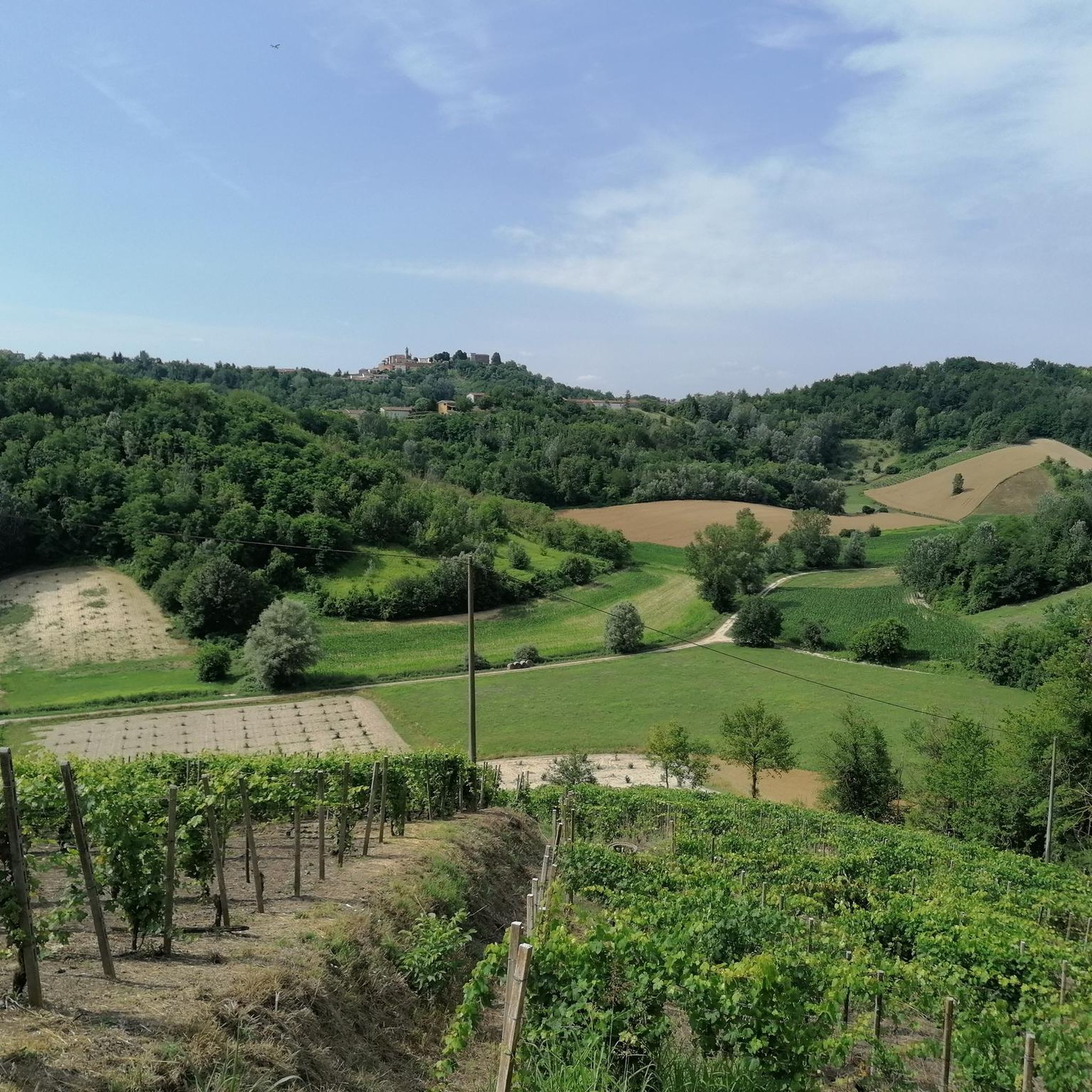
Image taken from the top of the first micro-tear that comes after the square. Viatosto is and will always remain a perfect place for those who love walking or cycling.
0
0
After the small square of the bar, take the road that goes up. There are actually two strappetti, one after the other in sequence but short and feasible, after which the road forks and if you keep to the right, you take strada Mazzola. Within 1.5 km you return to the foot of the small hill for Viatosto. Nice little street, very very quiet.
0
0
Votive shrine dating back to the 1950s located in Strada Valmarone near the motorway viaduct. This road leads to Viatosto in less than 2km and is very popular with walkers, runners and cyclists of all kinds and ages.
0
0
ロッカ・ダラッツォでのの人気観光スポット

komootモバイルアプリでインスピレーションを得よう


さらに探索
まだ探しているハイライトが見つかりませんか?他の地域のトップアトラクションのガイドを見てみましょう:
