サラパルータ周辺のアトラクション&必見スポット - トップ20
サラパルータには必見のスポットがたくさんあります。ハイキング愛好家やサイクリング愛好家の方は、ぜひサラパルータを探索してこのエリアにある20
の隠れたスポットを訪れてみてください。このエリアの必見スポットを確認し、次の冒険に出かける計画を立てましょう。
最終更新日: 10月 23, 2026
ブッリのクレット
ハイライト • 記念碑
翻訳者 Google •
役立つ情報 は

ベリーチェの星
ハイライト • 記念碑
翻訳者 Google •
役立つ情報 は
今すぐサインアップして、こんな場所を発見しよう
最高のシングルトラック、ピーク、その他のエキサイティングなアウトドアスポットのおすすめを受け取ろう。
ポッジョレアーレの廃墟
ハイライト (セグメント) • 歴史的な場所
翻訳者 Google •
役立つ情報 は

ボスコ・フィネストレッレ
ハイライト (セグメント) • トレイル
翻訳者 Google •
役立つ情報 は

無料アカウントで今日から始めよう
次の冒険が待っています。
コミュニティからのヒント

The Belice Gate, or Belice Gate, is a stainless steel installation by Pietro Consagra erected on the road leading to the town of Gibellina Nuova. The work recalls the town lights that were once displayed for the holidays, but over time it has also become a symbol of the Belice Valley. It was erected following the artistic reconstruction of Gibellina, as desired by Mayor Ludovico Corrao. The work is 26 meters tall.
25
0
The beautiful Stella at the entrance to Belice. https://it.m.wikipedia.org/wiki/Stella_d'entrata_al_Belice
27
0

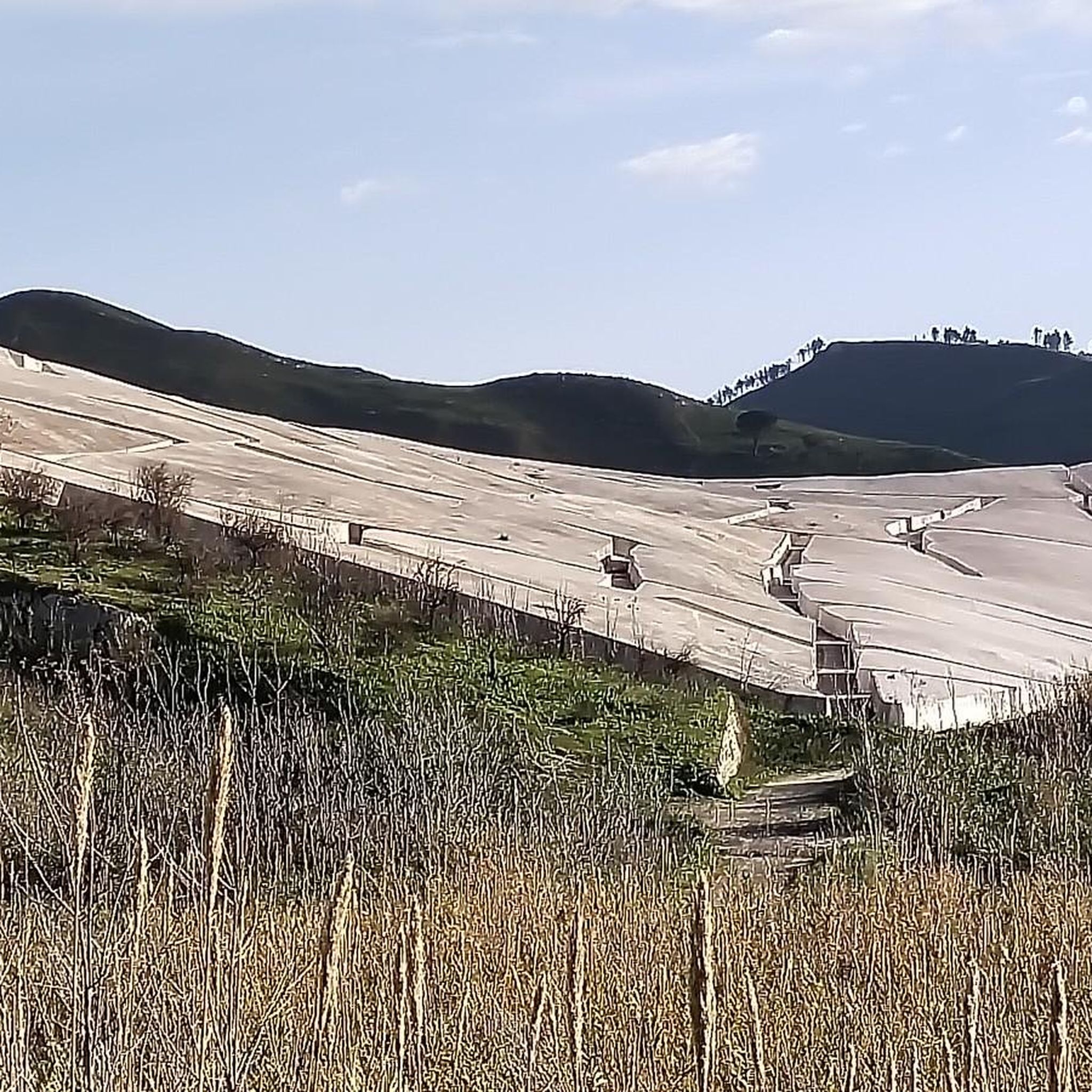
The Cretto di Burri in Gibellina, also known as “Il Grande Cretto”, is a unique work of art that honors the destroyed town of Gibellina after the devastating earthquake of 1968. Italian artist Alberto Burri created this monumental work between 1985 and 1989 and it was completed in 2015. With its huge white concrete blocks that look like giant cracks in the ground, the work symbolizes the lasting pain and memory of the past, but at the same time, renewal and reconstruction. Walking through the Cretto almost feels like walking through the past, as if you are re-entering the streets and alleys of the old town. The approximately 80,000 square meter area is made up of concrete structures that trace the original city layout. What is particularly impressive is the fact that the blocks are made from the rubble of the old town itself. When you stand on the Cretto and take in the simple but powerful aesthetic, you can literally feel the connection between art, history and human resilience. It is not only a reminder of what was lost, but also a symbol of hope and rebirth. It is especially beautiful if you do the hike in clear weather - the view into the distance underlines the silence and grandeur of this unique place.
1
0

seen online and seen live it is that place that is worth seeing live, huge and astonishing, shame only for the history of all this
2
1
Cycling here is magic, beautiful! A pleasant climate and unique landscapes, go there!
1
0
place rich in history and suffering, unfortunately at 07/2024 it was not possible to access, everything was cordoned off, and work inside, I hope it is to try to recover something of this unique place
0
0
Work of art that marks the entrance to Belice.
38
0
サラパルータでのの人気観光スポット

komootモバイルアプリでインスピレーションを得よう


さらに探索
まだ探しているハイライトが見つかりませんか?他の地域のトップアトラクションのガイドを見てみましょう:
