ボルゲット・ディ・ヴァラのおすすめライド
4.5
(466)
6,009
ライダー
81
ライド
ボルゲット・ディ・ヴァラ周辺のロードバイクルートをお探しですか?ここでは、komootが提供するボルゲット・ディ・ヴァラでのロードバイクライドのコレクション全体を評価して選び抜いた人気ルートをご紹介します。各ライドの詳細をぜひご覧ください。
最終更新日: 10月 18, 2026
4.4
(21)
385
ライダー
79.4km
04:14
1,460m
1,460m
難しいロードライド. 標準以上のフィットネスレベルが必要です。 全般的に舗装状態が良好で走行しやすい道です。
4.1
(43)
114
ライダー
57.4km
02:26
470m
470m
中程度のロードライド. ある程度のフィットネスレベルが必要です。 全般的に舗装状態が良好で走行しやすい道です。

4.4
(7)
85
ライダー
65.5km
03:21
890m
890m
中程度のロードライド. ある程度のフィットネスレベルが必要です。 ツアーの一部に、未舗装のため走行が難しい箇所があるかもしれません。
4.5
(4)
53
ライダー
49.9km
02:17
590m
590m
中程度のロードライド. ある程度のフィットネスレベルが必要です。 全般的に舗装状態が良好で走行しやすい道です。
4.0
(2)
31
ライダー
59.8km
03:07
1,050m
1,050m
難しいロードライド. 標準以上のフィットネスレベルが必要です。 全般的に舗装状態が良好で走行しやすい道です。
さらに多くのルートや他のユーザーのおすすめ情報を確認できます。
すでにアカウントをお持ちですか?
おすすめのツアーは他のkomootユーザーが実際に経験した何千ものアクティビティに基づいています。
無料アカウントで今日から始めよう
次の冒険が待っています。
コミュニティからのヒント

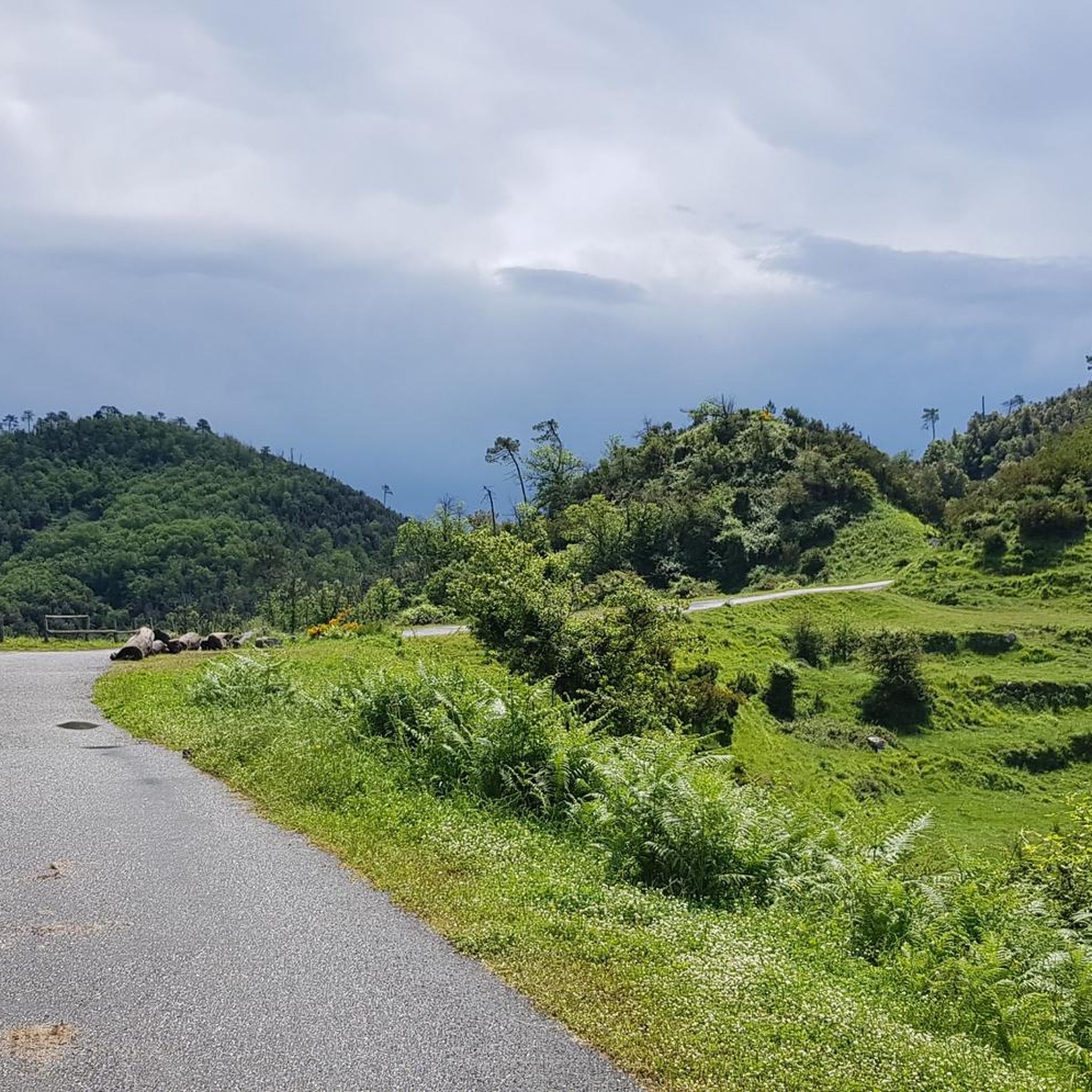
モラ峠(またはモラ越)は、リグーリア州にある標高約650〜655メートルの峠で、ラ・スペツィア県とジェノヴァ大都市圏の間に位置し、海岸地帯とヴァル・ディ・ヴァラ(カロ・コムーネ)を結んでいます。 主な特徴 標高:650〜655 m s.l.m. 場所:カロとヴェルヴァの地域を結び、より有名なブラッコ峠の代替となります。 道路:州道50号線(SP50)でアクセスできます。道路は車道が狭く、勾配は全体的に緩やかですが、いくつかのカーブや急なヘアピンカーブがあります。 眺望:空気が澄んだ日には、マリティーム・アルプスからアプアーネ・アルプスまで見渡せる景色が楽しめます。
0
0


Update September 2025: Fieschi Castle is temporarily closed for renovations
0
0
A small, quiet town in the Vara Valley. A good starting point for a circular tour of Lunigiana (Rastrello Pass or Calzavitello Pass).
0
0

This must be the cliché image of the Italian Riviera. It has everything!
0
0

The name Calice al Cornoviglio combines two distinctive elements of the village: "Calice," of uncertain origin but perhaps derived from the Latin calix (cup), referring to the site's concave shape, and "Cornoviglio," the mountain (561 m) that overlooks the village and lends its name to the entire ridge. This toponym appears in medieval documents and recalls the village's ancient connection with the surrounding Apennine territory. Calice was long ruled by the Malaspina dello Spino Secco family, who built a strategic castle there, documented since the 11th century and modified several times over the centuries. Today, the fortress houses the Diocesan Museum of Sacred Art and the Chestnut Documentation Center, two testimonies to the profound intertwining of history, spirituality, and the territory's resources. A short distance away is the parish church of Santa Maria Lauretana, an elegant 18th-century Baroque building with exquisite decorations and a polychrome marble high altar. The village comes alive throughout the year with traditional events such as the Feast of Our Lady of Loreto (September), the Chestnut Festival (October) and various summer festivals, which highlight the historical and cultural roots of the place.
0
0
The houses of the oldest part of the village of Rocchetta di Vara have been extensively remodeled in the past, when no attention was paid to the conservation of the original architecture, which has therefore been lost. The most interesting monument is undoubtedly the parish church of Santa Giustina. Dating back to the 16th century and built on the foundations of the ancient chapel of San Pantaleone, it houses a statue of the church's patron saint.
0
0

Quiet road through the beautiful valley. A bit uneven in places, but easily manageable with a racing bike.
0
0
ボルゲット・ディ・ヴァラでのの人気観光スポット

komootモバイルアプリでインスピレーションを得よう


さらに探索
他の地域の最高のロードサイクリングルートを見てみましょう。
