フラッソ・サビーノのおすすめツーリングルート
4.8
(24)
583
ライダー
62
ライド
フラッソ・サビーノ周辺でのおすすめのサイクリングルートを参考にして、このエリアを最大限に楽しみましょう。ここでご紹介するのは、フラッソ・サビーノ周辺の人気バイクライドです。ぜひ、自分に合ったルートを見つけてください。
最終更新日: 10月 9, 2026
30
ライダー
72.6km
04:53
1,200m
1,200m
難しい自転車ライド. 標準以上のフィットネスレベルが必要です。 全般的に舗装された状態です。あらゆるスキルレベルに適しています。
5.0
(2)
8
ライダー
86.7km
06:10
1,520m
1,520m
難しい自転車ライド. 標準以上のフィットネスレベルが必要です。 全般的に舗装された状態です。あらゆるスキルレベルに適しています。

18
ライダー
111km
08:02
2,230m
2,230m
難しい自転車ライド. 標準以上のフィットネスレベルが必要です。 全般的に舗装された状態です。あらゆるスキルレベルに適しています。
18
ライダー
71.8km
04:58
1,320m
1,320m
難しい自転車ライド. 標準以上のフィットネスレベルが必要です。 全般的に舗装された状態です。あらゆるスキルレベルに適しています。
11
ライダー
80.8km
05:54
1,690m
1,690m
難しい自転車ライド. 標準以上のフィットネスレベルが必要です。 全般的に舗装された状態です。あらゆるスキルレベルに適しています。
さらに多くのルートや他のユーザーのおすすめ情報を確認できます。
すでにアカウントをお持ちですか?
おすすめのツアーは他のkomootユーザーが実際に経験した何千ものアクティビティに基づいています。
無料アカウントで今日から始めよう
次の冒険が待っています。
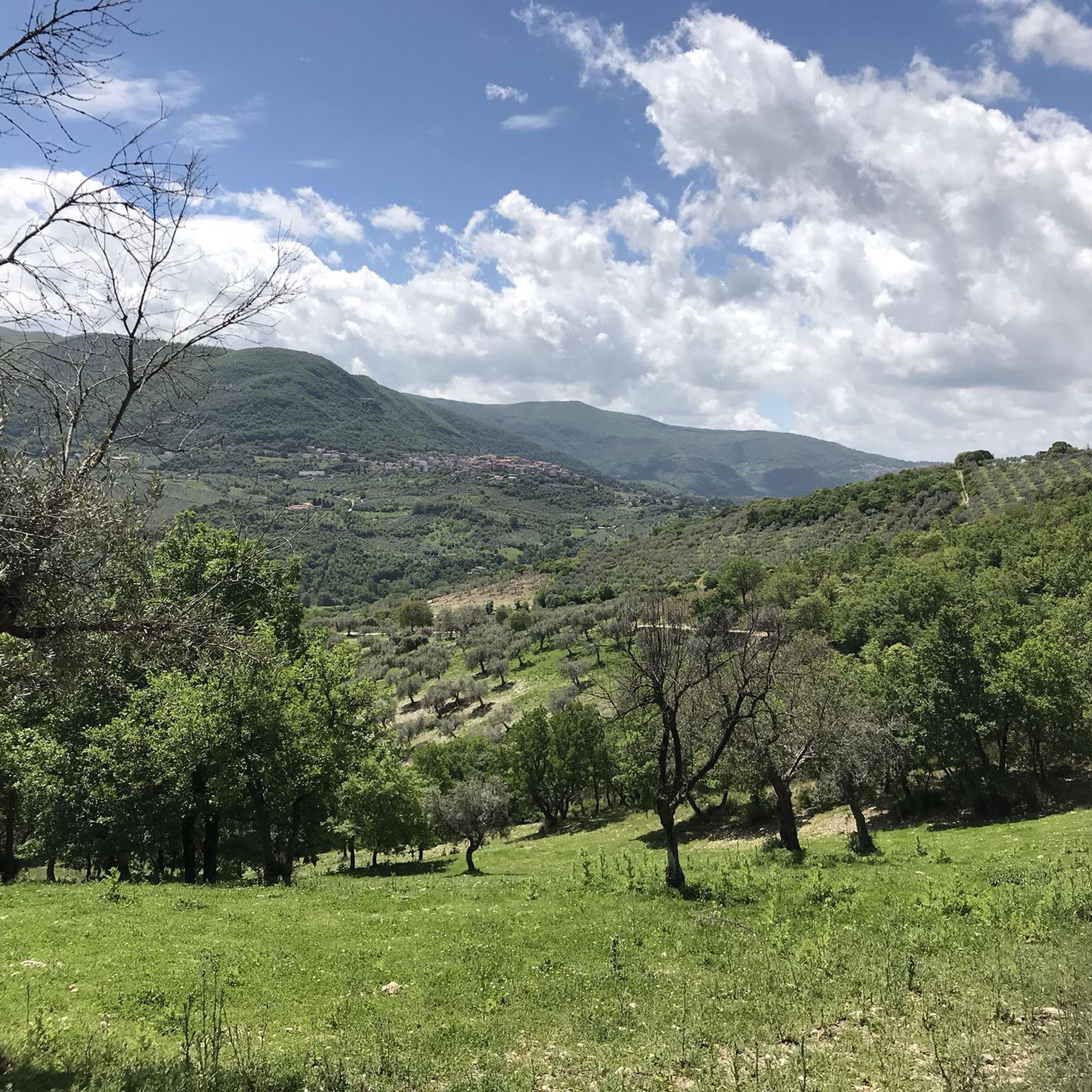
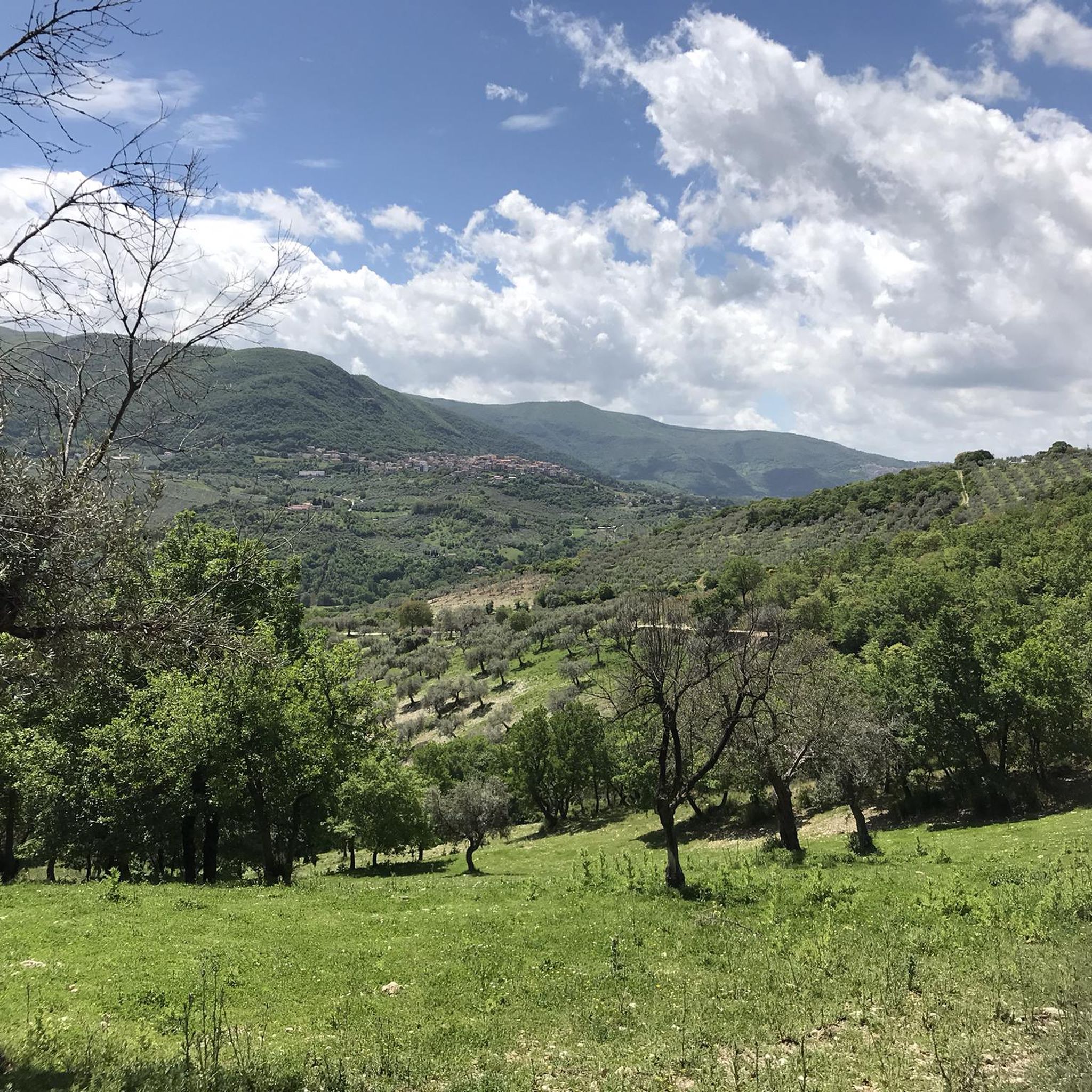
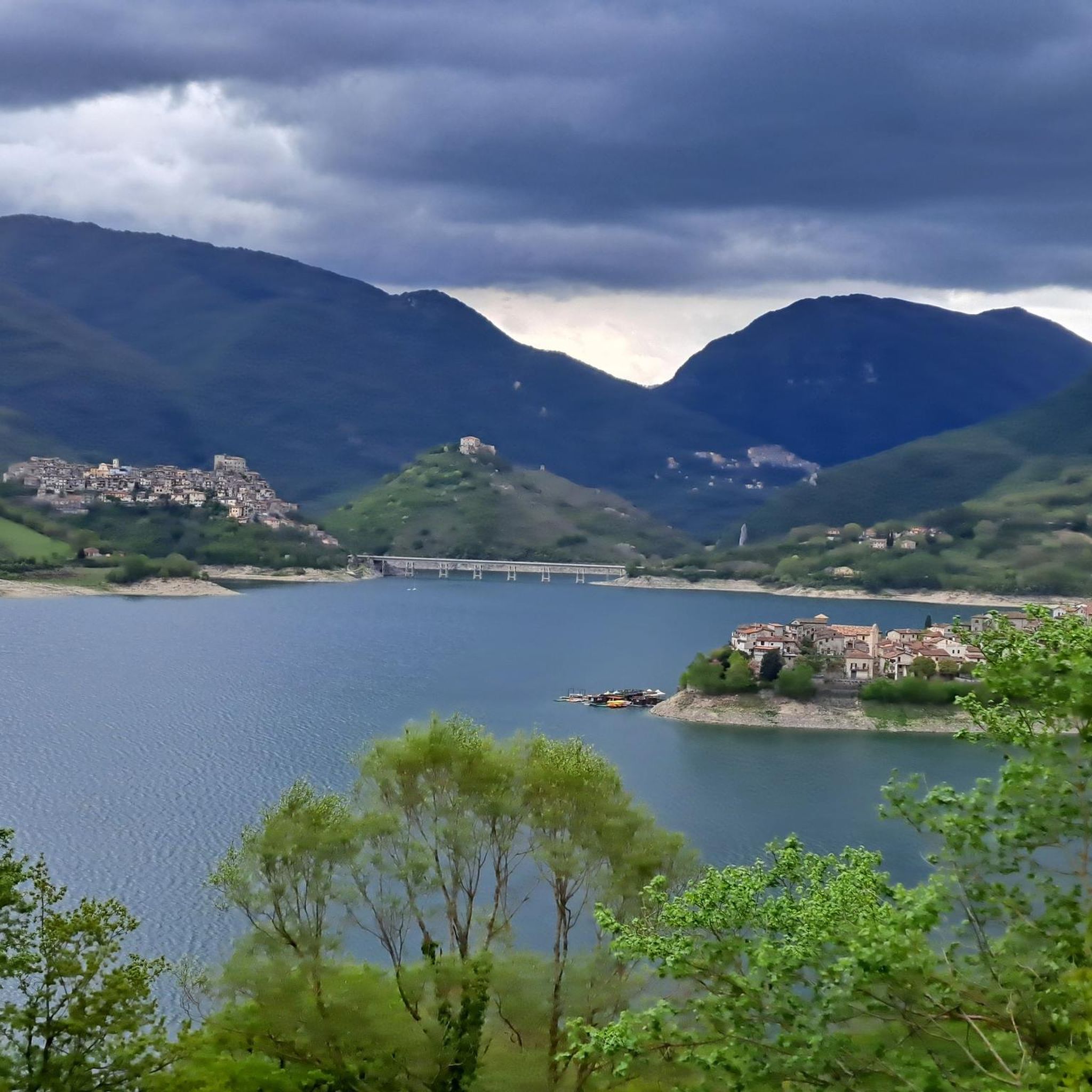

コミュニティからのヒント

サン・ロッコ礼拝堂
0
0
ボルゴ・アントゥーニの眺め(ガイドツアーはwww.camminandocon.org)
0
0
絶対に訪れるべき村
0
0

It is located just before the bridge that crosses the lake and leads to Castel di Tora
4
0

Enchanting views, intense climbs. A little extra attention is needed due to the uneven asphalt and motorcyclists.
0
0

Duomo di Santa Maria Assunta, Rieti The Cathedral of Saint Mary, Mother of God The Cathedral of Rieti, dedicated to Santa Maria Madre di Dio and commonly known as the Cathedral of the Assumption of the Virgin Mary, was rebuilt on the foundations of the early Christian basilica, documented since the fifth century, between 1109 and 1225. The lower basilica, consecrated in 1157 and striking for its sober and composed forms, is divided into nine naves supported by columns made from the rubble of ancient Roman buildings, among which stands out a milestone of the consular salaria. The upper basilica, in which the architectural lines of the Romanesque plan have remained intact, demonstrates the radical changes resulting from the adaptation of liturgical norms and the change in tastes and styles. Of particular value is the decoration of the main portal, which interprets the motif of acanthus spirals, with clear classical assonance, reinterpreted in the Christian iconography of the Tree of Life. Text / Source: Official Tourist Portal of the City of Rieti https://www.visitrieti.com/2020/01/25/la-cattedrale-di-s-maria-madre-di-dio/
14
0

San ROCCO was chosen as the patron saint for this church and the corresponding parish. Saint Roch was born in the middle of the 14th century in Montpellier, France. He is popularly regarded as the "plague saint" - alongside Saint Sebastian. A characteristic feature of Roch's depiction in paintings and as a statue is that he is usually pointing to a plague boil on his leg; a dog can also often be seen at his feet, because according to legend, when he was caring for plague victims, he himself became ill and withdrew into solitude, and the dog provided him with bread every day. The memorial day of San Rocco in the calendar of saints is August 16th.
0
0
フラッソ・サビーノでのの人気観光スポット

komootモバイルアプリでインスピレーションを得よう


さらに探索
他の地域の最高のサイクリングルートを見てみましょう。
