パルモリ周辺のアトラクション&必見スポット - トップ10
パルモリには必見のスポットがたくさんあります。ハイキング愛好家やサイクリング愛好家の方は、ぜひパルモリを探索してこのエリアにある10
の隠れたスポットを訪れてみてください。このエリアの必見スポットを確認し、次の冒険に出かける計画を立てましょう。
最終更新日: 9月 8, 2026
トッレ・デッラ・ファラ
ハイライト • 歴史的な場所
翻訳者 Google •
役立つ情報 は

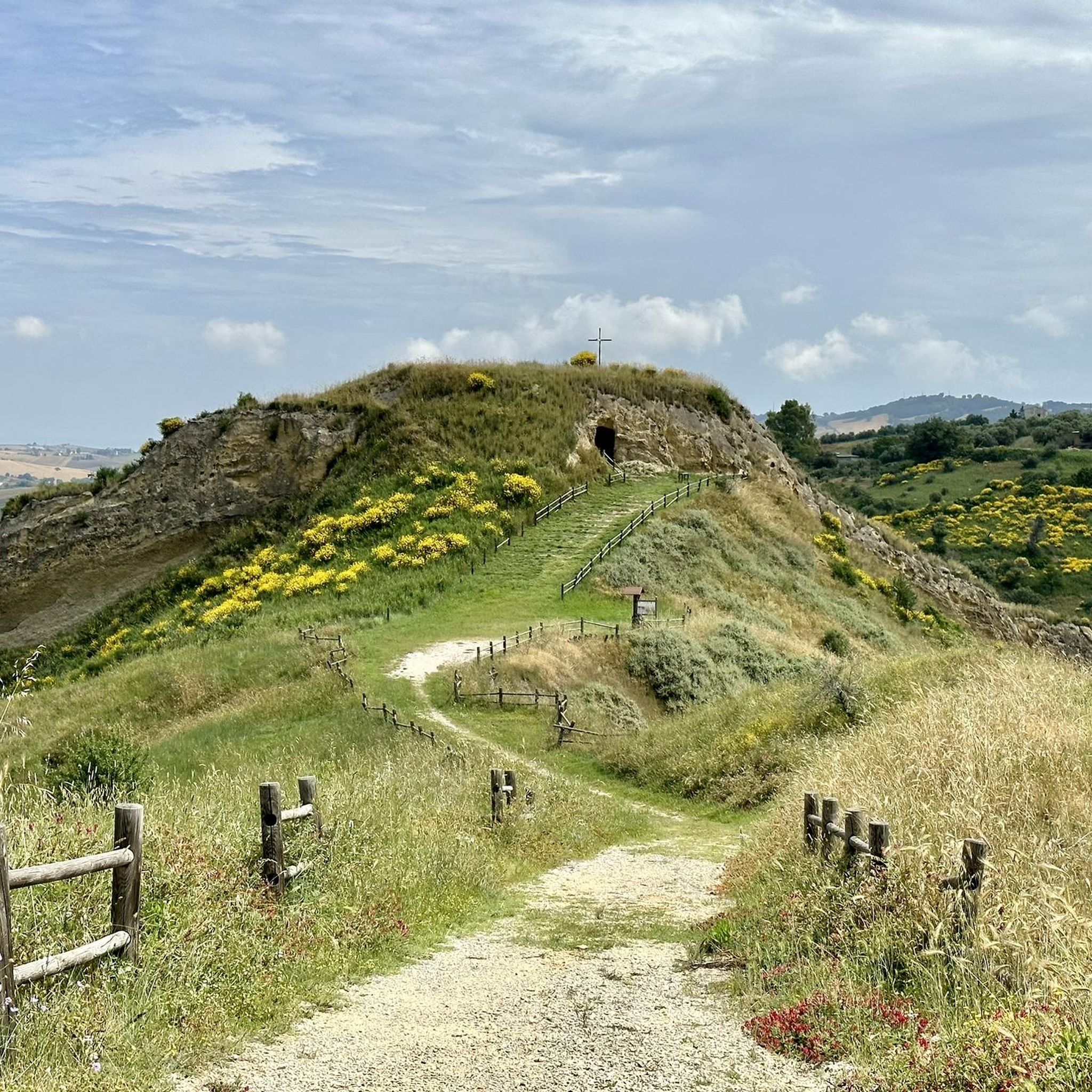
リッシャのサン・ミケーレ・アルカンジェロ洞窟
ハイライト • 洞窟
グロッタ・ディ・サン・ミケーレ・アルカンジェロ(エレーモ・ディ・サン・ミケーレとしても知られる)は、リスチャの村のすぐ外にある岩の中にあるユニークで古代の聖域です。教会は、深さ約10メートルの自然のカルスト洞窟の周りに建てられています。
地元の伝説によると、大天使ミカエル自身が、プーリア州の有名なモンテ・サント・アンジェロに向かう前に、モンテ・ソルボ周辺のこれらの森に立ち寄ったとされています。
静かで岩の多い空洞の中では、小さな泉が石の壁に沿って流れています。石の盆に集められた水は、古くから巡礼者によって神聖で癒しの力があると見なされてきました。白い石灰岩のファサード、トレステ渓谷の荒々しい自然、そして精神的な静けさの組み合わせが、アブルッツェの田園地帯にある最も魅力的な隠された宝物の1つとなっています。
翻訳を表示中
役立つ情報 は

今すぐサインアップして、こんな場所を発見しよう
最高のシングルトラック、ピーク、その他のエキサイティングなアウトドアスポットのおすすめを受け取ろう。
ロッカヴィヴァーラ中心部
ハイライト • 集落
翻訳者 Google •
役立つ情報 は

コンヴェント・ディ・サンタントニオ
ハイライト • 宗教的な場所
サンタントニオ修道院は、キエティ県の奥地、丘陵地帯の村サン・ブオーノのすぐ外にある、牧歌的で静かな場所にあります。このフランシスコ会修道院複合施設は、元々1575年に地元の王子ジョヴァンアントニオ・カラッチョーロの命により建設されました。
教会は、その記念碑的な石造りの建築と特徴的な二重の鐘楼によってすぐに目を引きます。
この場所がアウトドア愛好家にとってユニークなのは、その静かで落ち着いた立地です。複合施設内には、中央に井戸がある、美しく本格的な回廊(キオストロ)があります。
現在、この複合施設には、地元の美術考古学博物館などが収容されています。広々とした日陰の前の広場は、自転車を置いて、自然の中で当然の休憩を楽しむのに最適です。
翻訳を表示中
役立つ情報 は
景色の良い新しく舗装された道路
ハイライト (セグメント) • サイクリングロード
翻訳者 Google •
役立つ情報 は

無料でサインアップして、さらに多くの観光スポットを発見しましょう パルモリでの。
すでにアカウントをお持ちですか?
無料アカウントで今日から始めよう
次の冒険が待っています。

コミュニティからのヒント

緑豊かな谷に隠された精神的な岩の聖域。 グロッタ・ディ・サン・ミケーレ・アルカンジェロ(エレーモ・ディ・サン・ミケーレとしても知られる)は、リスチャの村のすぐ外にある岩の中にあるユニークで古代の聖域です。教会は、深さ約10メートルの自然のカルスト洞窟の周りに建てられています。 地元の伝説によると、大天使ミカエル自身が、プーリア州の有名なモンテ・サント・アンジェロに向かう前に、モンテ・ソルボ周辺のこれらの森に立ち寄ったとされています。 静かで岩の多い空洞の中では、小さな泉が石の壁に沿って流れています。石の盆に集められた水は、古くから巡礼者によって神聖で癒しの力があると見なされてきました。白い石灰岩のファサード、トレステ渓谷の荒々しい自然、そして精神的な静けさの組み合わせが、アブルッツェの田園地帯にある最も魅力的な隠された宝物の1つとなっています。
2
0
緑の中に隠された、何世紀も前のフランシスコ会修道院。 サンタントニオ修道院は、キエティ県の奥地、丘陵地帯の村サン・ブオーノのすぐ外にある、牧歌的で静かな場所にあります。このフランシスコ会修道院複合施設は、元々1575年に地元の王子ジョヴァンアントニオ・カラッチョーロの命により建設されました。 教会は、その記念碑的な石造りの建築と特徴的な二重の鐘楼によってすぐに目を引きます。 この場所がアウトドア愛好家にとってユニークなのは、その静かで落ち着いた立地です。複合施設内には、中央に井戸がある、美しく本格的な回廊(キオストロ)があります。 現在、この複合施設には、地元の美術考古学博物館などが収容されています。広々とした日陰の前の広場は、自転車を置いて、自然の中で当然の休憩を楽しむのに最適です。
2
0

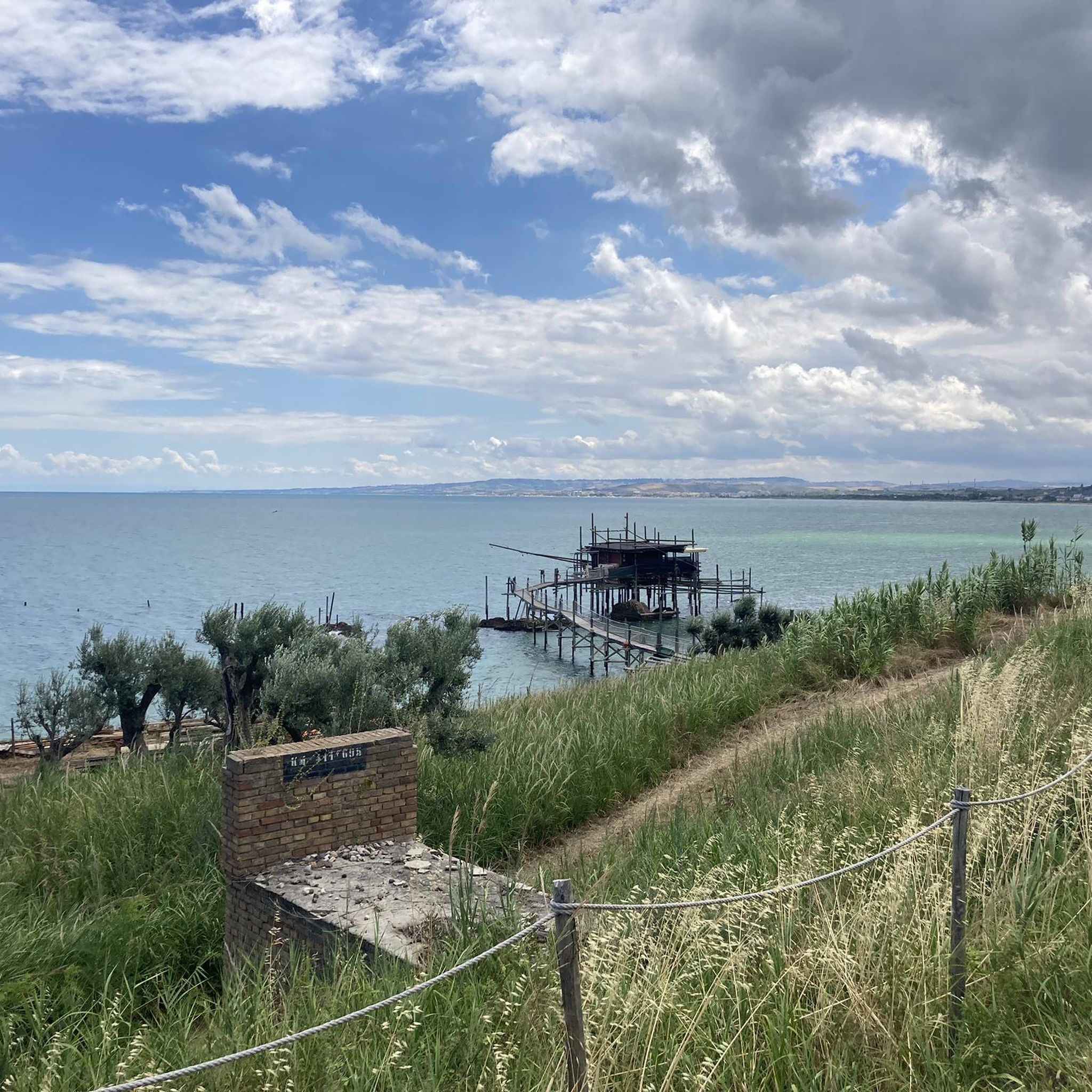
The Torre della Fara is located in Torre della Fara in the municipality of Celenza sul Trigno in the province of Chieti. The tower is located near the Trigno river and the Ateleta-Biferno sheep track and was in visual connection with neighboring towns and with the monastery of Santa Maria del Canneto of Roccavivara (Molise). (Source Wikipedia.)
1
0

The Torre della Fara is located in Torre della Fara in the municipality of Celenza sul Trigno in the province of Chieti. The tower is located near the Trigno river and the Ateleta-Biferno tratturo and was in visual connection with neighboring towns and with the monastery of Santa Maria del Canneto in Roccavivara (Molise). The tower dates back to the 12th century.[1] Even if the toponym recalls the Longobard fara, it is, however, difficult to identify the period of construction of the site.[ The tower has a cylindrical structure and is made of stone[1], but stone fragments are also used to frame the openings and loopholes[2]. The tower is 15 meters high and 6 meters in diameter. The tower has no scarp walls and, at a third of the height there is an opening which, probably, is a raised entrance. Furthermore, inside there are the holes where the beams used to support the various levels. The roof inside is vaulted with a lowered cap. The use of mortar in the Torre della Fara decreases with height[1] just as the thickness of the walls decreases with increasing height
0
0
According to oral tradition, it seems that San Michele, who left from the East to defeat paganism, stopped in a wood near Liscia before arriving on the Gargano; this wood is located around Monte Sorbo, an area that in ancient times had a high anthropic density, as can be seen from the remarkable archaeological material found here and coming from Italic tombs. Still on the subject of legend, it is said that a man from Palmoli, a village in the upper Vasto bordering Liscia, intent on grazing cows near the Treste river, noticed that a young bull got lost every day and then returned in the evening. One day, however, the farmer, intrigued by this mysterious behavior, decided to follow his animal and saw that the vegetation opened up, as if by magic, as it passed, as if to indicate a direction to follow; this strange path led him to a cave where he saw the bull kneeling in front of a wooden image of St. Michael the Archangel, which miraculously made water gush out so that man could quench his thirst and recover from the discovery to witness this event supernatural. In memory of these events that occurred in Liscia, the Marquesses of Avalos, in the eighteenth century incorporated the cave inside a small church, perhaps, to regulate the large influx of pilgrims who are here recalled by popular devotion to the Archangel Michael, a cult that is lost in the mists of time.
1
0

Beautiful convent, surrounded by oak woods. There is also a picnic area.
0
0

Newly paved road with gentle gradients and wonderful views. But: officially prohibited for bicycles
0
0

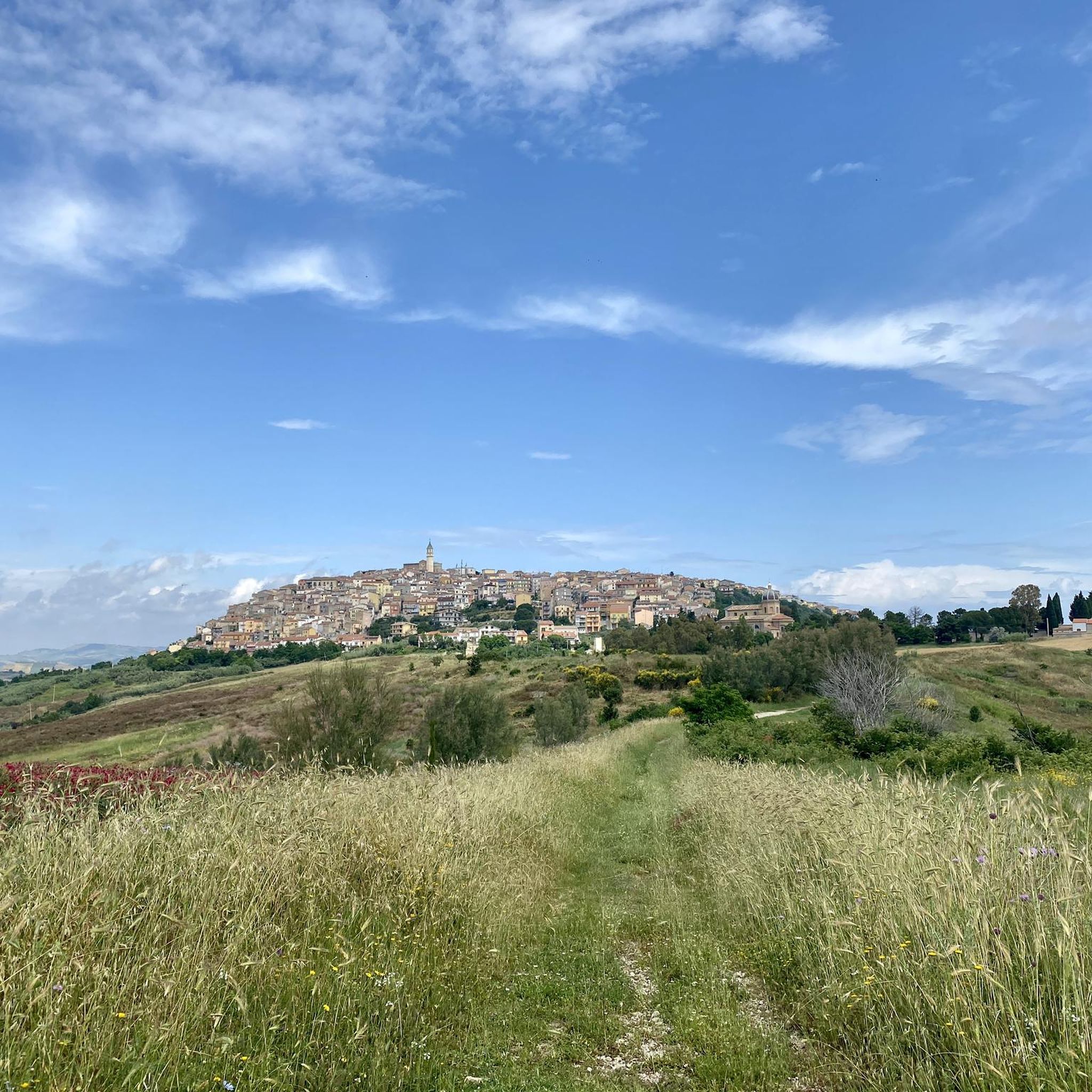
There are two hypotheses on the origins of its name, the first has it that it derives from Rocca Bonnarii, referring to its founder, a certain Bonnario; the second that it comes from Rocca di Vivara, referring to the district of Vivara still existing and bordering the municipality of Roccavivara. The lower part of the Roccavivara countryside offers ample evidence of the presence of inhabited centers at the time of republican and imperial Rome. Historical information tells us that in 1268 Gualtiero di Vollers was feudal lord of Roccavivara; he was followed by Bertrando Cantelmo, whose descendants held the dominion until 1442. Subsequently the power passed to the Sangro, the Carafa and the Coppola until the abolition of feudalism. A very interesting site was found in San Fabiano: a Roman villa certainly built on a ground floor supported by a megalithic construction.
0
0

komootモバイルアプリでインスピレーションを得よう


さらに探索
まだ探しているハイライトが見つかりませんか?他の地域のトップアトラクションのガイドを見てみましょう:
