フォッサルト周辺のアトラクション&必見スポット - トップ20
フォッサルトには必見のスポットがたくさんあります。ハイキング愛好家やサイクリング愛好家の方は、ぜひフォッサルトを探索してこのエリアにある20
の隠れたスポットを訪れてみてください。このエリアの必見スポットを確認し、次の冒険に出かける計画を立てましょう。
最終更新日: 9月 7, 2026
Bagnoli del Trigno
ハイライト • 集落
翻訳者 Google •
役立つ情報 は

フロゾローネ - ナイフの村
ハイライト • 集落
翻訳者 Google •
役立つ情報 は

今すぐサインアップして、こんな場所を発見しよう
最高のシングルトラック、ピーク、その他のエキサイティングなアウトドアスポットのおすすめを受け取ろう。
サンタンジェロ・リモザーノの歴史的な村
ハイライト • 集落
翻訳者 Google •
役立つ情報 は

サン・ニコラの階段とトリヴェント大聖堂
ハイライト • 歴史的な場所
役立つ情報 は

ユメント・アルボのベネディクト会修道院
ハイライト • 宗教的な場所
翻訳者 Google •
役立つ情報 は
無料でサインアップして、さらに多くの観光スポットを発見しましょう フォッサルトでの。
すでにアカウントをお持ちですか?
無料アカウントで今日から始めよう
次の冒険が待っています。
コミュニティからのヒント

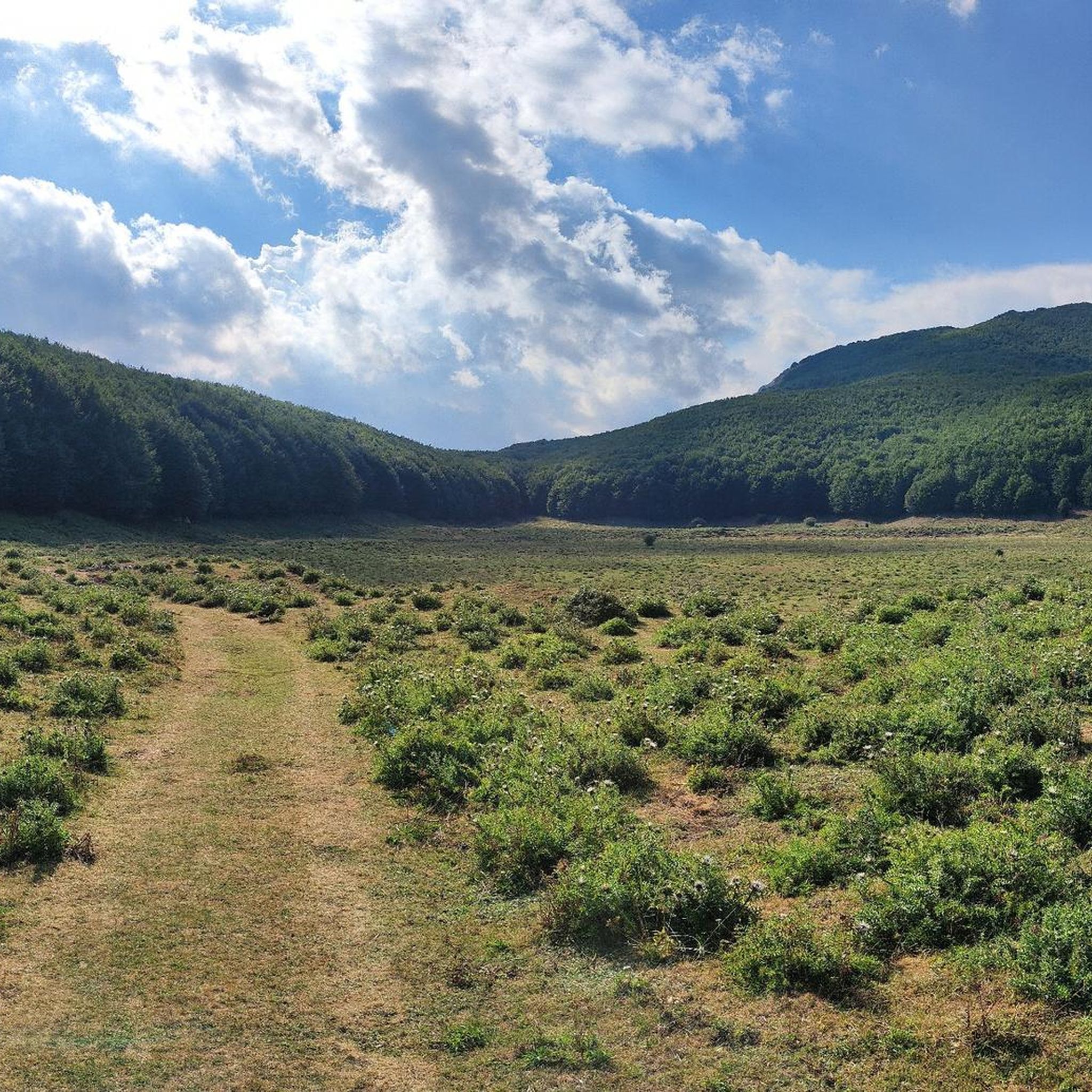
The history of the de Iumento Albo can be reconstructed thanks to the parchment foundation that concerns it; preserved at the Abbey of Montecassino, the contents were published at the beginning of the 20th century. From the documents we learn that in 1002 the comes Berardo and his wife decided to donate a church dedicated to San Benedetto to Abbot Pietro «sita intra fines Banioli (Bagnoli del Trigno) in loco qui vocatur Molendini Vetulus». The church was therefore already existing in that year and the novelty was that the two aristocrats, involving Abbot Pietro, had decided to annex a monastery, a frequent custom among the Italian aristocracies of the time. In 1020 Abbot Pietro, together with another character named Paolo, decided to cede the monastery to Abbot Atenulf of Montecassino. The donation is part of the alliance between the Borrellis and the Lazio monastery which, in that territorial area, already held other monasteries, such as that of S. Colomba in Frosolone and the more distant ones of S. Pietro del Tasso in Carovilli and of S. Eustasio in Pietabbondante. The monastery was still under the control of Montecassino in 1057; it is also mentioned in the panels of the Cassino bronze doors installed with various interventions between the end of the 11th century and the beginning of the 12th and reappears in 1137 in a diploma, also confirming the assets of the Lazio abbey, issued by the Emperor Lothair III. https://www.turismoinmolise.com/de-iumento-albo/
1
0
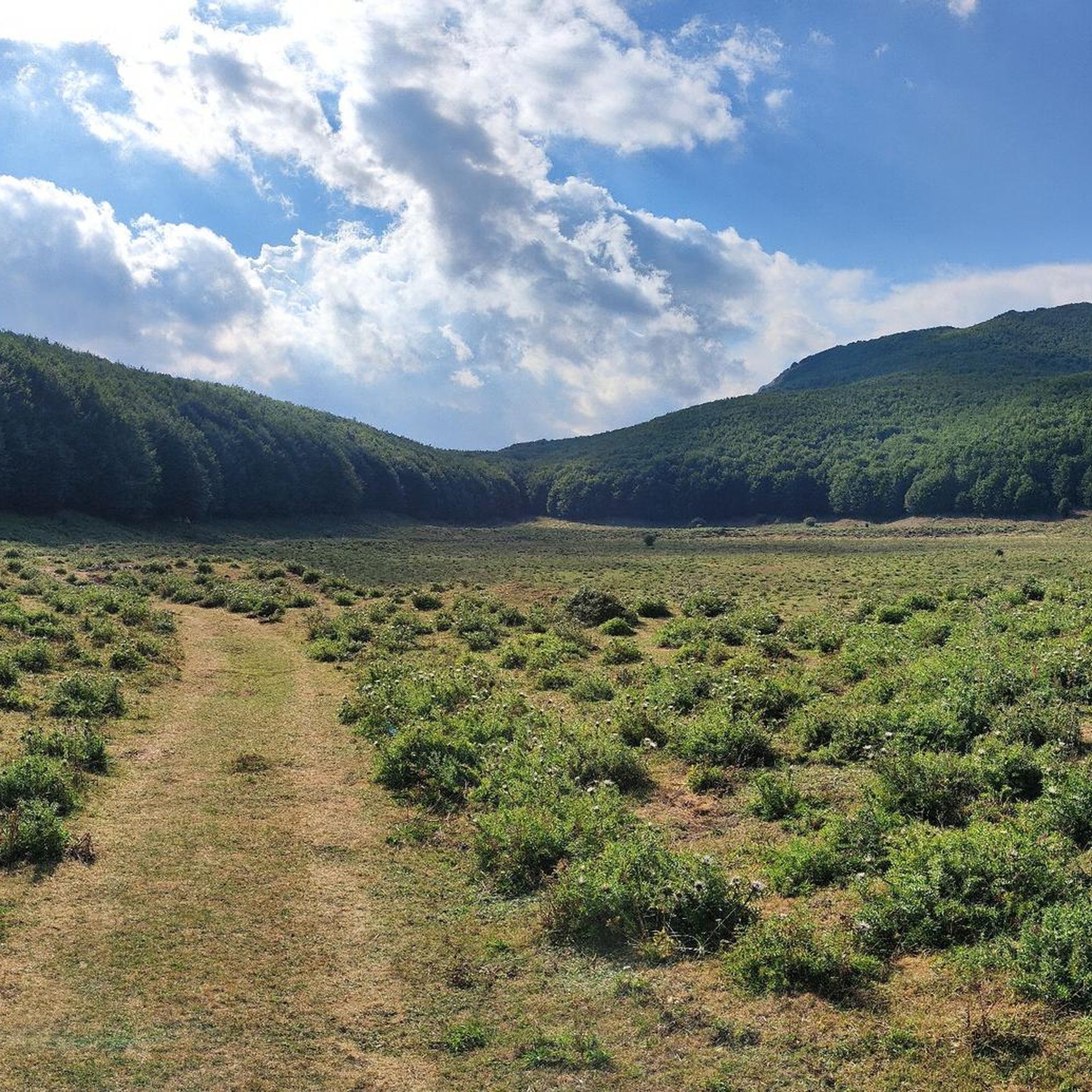
Frosolone (Frescëlonë in Molise, Frusëlónë in Frosolonese dialect) is an Italian municipality of 2,797 inhabitants in the province of Isernia in Molise. The hypotheses which derive the name Frosolone from the Frosone, which some identify as the bird present in the municipal banner, must be considered Paretymologies, as well as that which associates it with an unidentified Samnite settlement cited by Livy, Fresilia and that according to which Frosolone it would have been founded by Benedictine monks coming from Frosinone, who would therefore have called the new settlement with the name of their place of origin. Before the Roman age the area was inhabited by Samnite populations, as evidenced by the presence of polygonal megalithic wall enclosures, visible on the mountain above the town, in the Civitelle area. These remains belong to what is defined as a high-altitude settlement: a fortified settlement of not very large dimensions, probably intended to be inhabited only in certain periods of the year, with generically defensive functions. As with many other centers in Molise, the medieval phase of the town ended drastically with the earthquake of 1456: according to what Antonino Pierozzi reports in his Chronicon, Frosolone was totally razed to the ground and there were 317 victims[16]; this information was then taken up by various authors, including Giovanni Antonio Summonte, who recalls how the town "largely fell, with the death of 318 people". There are regular testimonies of Frosolone starting from the Spanish period; in this era it went through an intense phase of development: together with Agnone and Trivento it hosted one of the three bishop's residences of the diocese. There is also a war fortification, which concerns very few centers in Molise, with the construction of an armed ravel in the area where today stands the so-called loggia dei pezzenti, the space known as Largo XX Settembre. In the early years of the 19th century, Frosolone was one of the most populous inhabited centers in the Molise countryside: in the same period in which it was close to 4,000 inhabitants, Agnone had around 7,500, Boiano around 3,500, Campobasso around 5,500, Isernia around 6,900. The 1805 earthquake imposed a major setback in the country's development; this second catastrophe seems to have had an equally disastrous outcome as that of 1456: sources of the time define it as "almost entirely adequate for the ground", and report a figure (how reliable it is not known) of a thousand deaths and 46 injuries out of a population of 4,000 souls. Source: Wikipedia
0
0

Country located on a hill and built on different heights. The city is in fact divided into an "Above" and a "Below".
1
0

Small village in the province of Campobasso, it boasts medieval ramparts and a medieval church (XIII) with a chapel dedicated to Pietro da Morrone (later Pope Celestino V)
1
0

The town is located at 900 m a.s.l. and, from some points of the place, you can see the Tremiti islands and the tops of the Maiella. On the hill there is a castle, albeit in advanced ruins. There is no certain information about the birth of Sant’Angelo Limosano for sure, however, it is known that in the past it was the fortress of the nearby town of Limosano. The last feudal lords were the de Attellis who ruled the territory from 1650 until the abolition of feudalism. The conditions of the town improved when, in the seventeenth century, the baron moved from the top of the castle to the inhabited center and when Cardinal Vincenzo Maria Orsini took important initiatives during his numerous pastoral visits. Sant’Angelo Limosano claims the Sant Angiolese citizenship of Pope San Pier Celestino (Celestino V), who has not yet been recognized as the dispute with Isernia is still underway. It is also the birthplace of the self-taught inventor Alessio Marone to whom the Corso that winds under the great Vittorio Emanuele III ramp, the main access road to the town, is named. Il Marone is remembered for the invention of the electromagnetic-chemical telegraph and the Maltese cross tubular bridges. The parish church of Santa Maria Assunta in Cielo, restored over the past centuries, is a harmonious building to visit. Another place to admire is the ancient church of San Pier Celestino which in 1695 was transformed by Cardinal Orsini into a granary because it had not been restored according to his orders. Going along via del Municipio, you arrive at Rua and Contrada di San Pietro. Places linked to the name of Pope Angelico are the "hill" and the "Fonte di San Pietro" from which water begins to flow after the winter, a few days before the feast of the Saint, on 19 May. Worth visiting is the sanctuary of the Madonna delle Stelle, built two kilometers from the town, to the west, following the discovery of a statue of the Madonna on January 3, 1926.
0
0
Arte e storia del territorio molisano caratterizzano anche il paese di Trivento, in provincia di Campobasso, cosi chiamato perché ancora oggi è esposto ai venti dell’est, del sud e del nord. Vi si accede tramite una salita che porta in cima al colle e proietta il visitatore in un’altra dimensione, dove a trionfare è la pietra. Ovunque tutto intorno è fatto di pietra, ad incominciare dalla fontana monumentale fino alla magnifica scalinata a tre corsie, formata da quella centrale molto ampia e da due laterali più piccole. E’ la scalinata di San Nicola, dove sfilano uno dopo l’altro ben 365 gradini, che si dice siano uno per ogni giorno dell’anno. Conduce alla parte alta del borgo collegando la piazza al centro storico: ai suoi lati si ergono gli edifici più importanti del paese e da sempre è il simbolo di accoglienza di Trivento, rappresentando una delle più belle gradinate di tutto il Molise. Scalino dopo scalino si arriva davanti alla Chiesa di San Nicola, davanti alla quale si può ammirare una bella statua marmorea del Cuore Immacolato di Maria. A quota 150 scalini ci si può fermare su Largo di Porta Maggiore dove la visuale spazia sulla Trivento moderna e si perde sulla montagna circostante. A quota 175 una poderosa costruzione la costringe a diramarsi e dare luogo a Via Roma, una strada fatta di scale. Al 234esimo scalino si apre invece la grande piazza che ospita la Cattedrale, il Campanile, la chiesa della SS Trinità e la Curia. La Cattedrale è l’altro simbolo cittadino, eretta su una preesistente basilica dedicata a San Casto. Ha subito nei secoli vari restauri ma custodisce tutt’ora preziosi tesori artistici tra cui la Cripta, situata a qualche metro di profondità sotto il transetto e il presbiterio, che segna il passaggio dal Tempio pagano, dedicato a Diana, al primo Cristianesimo. Della sua fase più antica la Cattedrale conserva oltre ad un' iscrizione del 1076 con la dedica ai Santi Nazario e Casto, una serie di archetti pensili che a tratti la coronano esternamente. Sull'altare c'è una lunetta in pietra, risalente al XIII secolo, con bassorilievo raffigurante la Trinità fiancheggiata da due angeli e due delfini. Tra le tre sculture lignee spicca una Madonna in trono del Duecento. A sinistra della Cattedrale un portale con arco a ogiva introduce nel Giardino dell’Episcopio da cui si può osservare la fiancata romanica della chiesa e, nelle aiuole, frammenti di cippi funerari romane. Quando poi si arriva in cima la vista ripaga della salita, con la panoramica a 360° che spazia dai profili frastagliati dei monti ai paesini dirimpettai come Schiavi d’Abruzzo, Vastogirardi e Pietrabbondante.
0
0
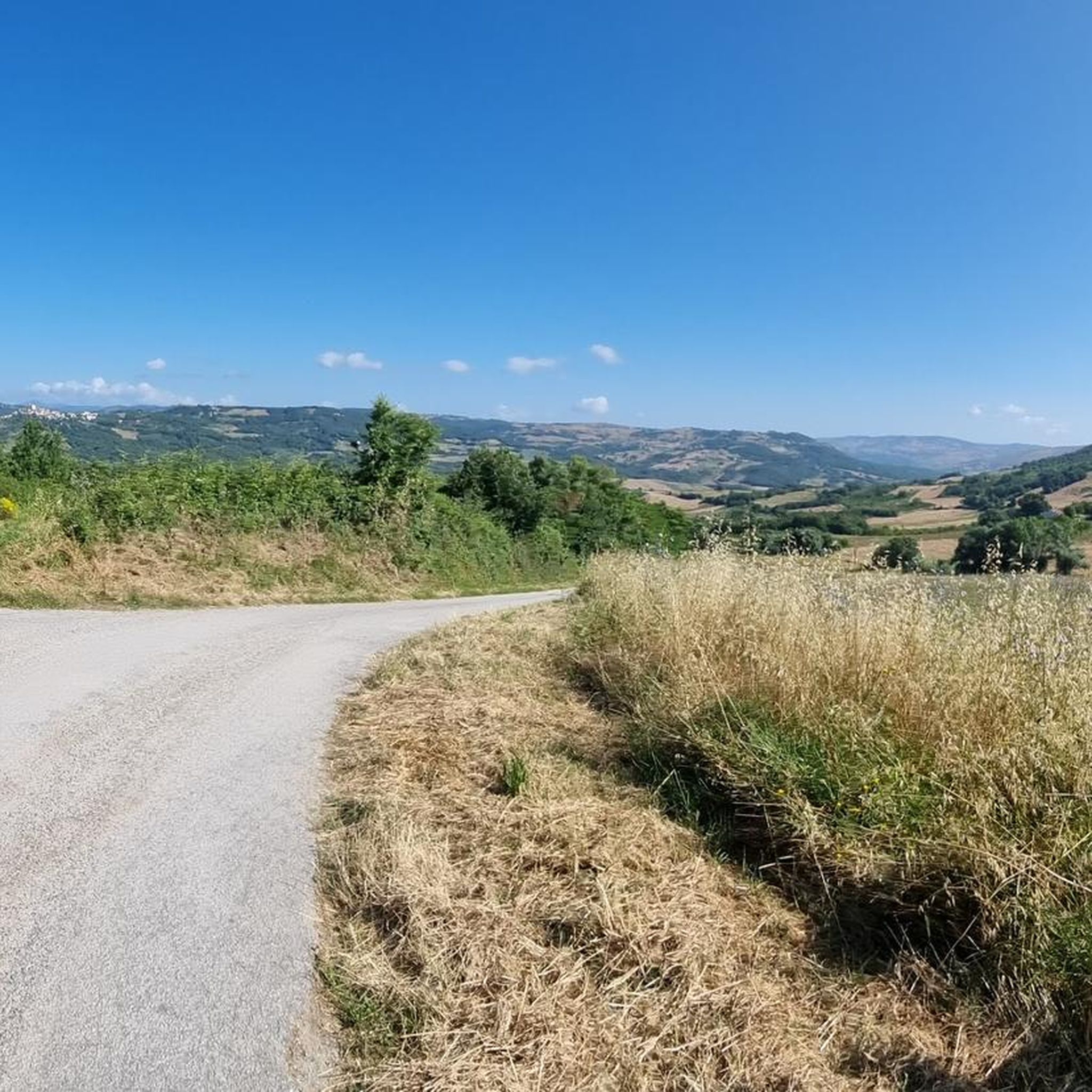
Il paese si trova nel cuore del Molise, in provincia di Isernia, ed è stato costruito su un rilievo collinare a ridosso di un massiccio roccioso che divide il fiume Trigno dal torrente Vella. L’incredibile posizione in cui sorge ha reso Bagnoli del Trigno un’attrazione turistica senza precedenti. In effetti, è come osservare un giocattolino intagliato dalla roccia dalle mani di un gigante, e la linearità delle costruzioni è elemento caratteristico del paesino. Essendo situato a due differenti altezze, a partire da 660 metri di altitudine sino ad arrivare ai 783 metri del punto più alto, il borgo è socialmente e culturalmente scisso in due zone, rispettivamente chiamate Terra di sotto e Terra di sopra. Passeggiare lungo le vie che, dal centro storico, si diramano per l’intero paese è come fare un vero e proprio viaggio nel tempo. Sulle origini di questo ameno borgo non si sa molto. Le leggende sulla nascita di Bagnoli del Trigno sono le più varie: chi fa cenno a una sorgente termale che diede vita al primo nucleo urbano, chi invece ritiene che tutto abbia avuto inizio per mano di una tribù in fuga dalle invasioni barbariche. Ciò che è certo è che le prime notizie ufficiali risalgono al medioevo, quando il centro abitato era un feudo appartenente al Contado del Molise. Le sue alterne vicende lo videro passare di mano in mano tra varie famiglie importanti, sia italiane che straniere. Nei secoli successivi, Bagnoli del Trigno divenne parte del Regno di Napoli e, in seguito, del Regno d’Italia. È proprio in questo periodo che visse il suo massimo splendore, prima di subire un fenomeno di emigrazione che lo portò quasi allo spopolamento. Moltissimi abitanti oggi risiedono a Roma, tanto che la capitale vanta un numero di bagnolesi più elevato rispetto a quello di coloro che si trovano ancora nella loro terra natia. Ma il piccolo borgo risplende ancora, grazie alle attività di artigianato e al turismo. Scopriamo alcune delle sue meraviglie. (fonte: https://siviaggia.it/varie/bagnoli-del-trigno-borgo-molise/251009/)
0
0
フォッサルトでのの人気観光スポット

komootモバイルアプリでインスピレーションを得よう


さらに探索
まだ探しているハイライトが見つかりませんか?他の地域のトップアトラクションのガイドを見てみましょう:
