カッサーノデッレマージ周辺のアトラクション&必見スポット - トップ20
カッサーノデッレマージには必見のスポットがたくさんあります。ハイキング愛好家やサイクリング愛好家の方は、ぜひカッサーノデッレマージを探索してこのエリアにある20
の隠れたスポットを訪れてみてください。このエリアの必見スポットを確認し、次の冒険に出かける計画を立てましょう。
最終更新日: 9月 27, 2026
アルタムーラのプーロ
ハイライト • 渓谷
This created a more or less …
翻訳者 Google •
役立つ情報 は

メルカダンテ国有林
ハイライト • 森
In …
翻訳者 Google •
役立つ情報 は

今すぐサインアップして、こんな場所を発見しよう
最高のシングルトラック、ピーク、その他のエキサイティングなアウトドアスポットのおすすめを受け取ろう。
トッレ・デル・マルケーゼ・アルカモーネ
ハイライト • 歴史的な場所
翻訳者 Google •
役立つ情報 は

トゥルッロ
ハイライト • 歴史的な場所
翻訳者 Google •
役立つ情報 は

サンタ・マリア・アッスンタ母教会(カッサーノ・デッレ・ムルジェ)
ハイライト • 宗教的な場所
翻訳者 Google •
役立つ情報 は

無料でサインアップして、さらに多くの観光スポットを発見しましょう カッサーノデッレマージでの。
すでにアカウントをお持ちですか?
無料アカウントで今日から始めよう
次の冒険が待っています。

カッサーノデッレマージでのの他の冒険

コミュニティからのヒント

Church of Santa Maria Assunta (pictured) History of Cassano delle Murge Hundreds of stone artifacts, paintings, various objects found in the caves around the town tell us about prehistoric settlements. The recent discovery of a menhir, dating back to 2500–2000 BC., confirms the antiquity of the human presence in these districts. The origins of Cassano seem to date back to the Roman Age, as confirmed by many archaeological finding, such as the recent discovery of a precious 5th century mosaic floor. The name Cassano appears for the first time in a document dating back to the beginning of the 14th century. The toponym derives from the Latin term “Cassius” to which the specification “delle Murge” was added in 1863, in reference to the geographical context in which the town stands. The history of the town reflects that of the entire regional territory which, after a long period of stagnation in the early Middle Ages, saw a recovery under the Normans and the Swabians.
0
0
Trulli - or trullo when you’re talking about just one dwelling - were initially built to provide temporary field shelters and storehouses. Over time they also became permanent dwellings for agricultural families and labourers of smallholdings. The simple traditional lime whitewash that decorates the trulli’s exterior complements the local geology and pastoral landscapes. To protect against the elements and balance the temperature all year round, the trulli walls are incredibly thick, made up of a double skin filled with rubble. Similarly, the doorways and windows are small. These iconic rural dwellings began appearing as early as the 14th century, and their popularity originated because of a 15th century decree that made urban settlers pay taxes to the crown under feudal rule. If the king’s inspectors came collecting, the villagers could easily demolish these inexpensive buildings into a pile of stones and hide in the forest, and then rebuild them once they’d gone.
0
0
The "Torre del marchese Arcamone" is a fortified two-storey farmhouse whose last phase is certainly from the modern age, which has on the ground floor rooms for stables, warehouses and an oil mill. But what is its history and why is the district called this way? In 1399 the king of Naples, Louis, ceded the barony of Bitetto together with the fief of Ceglie and Bari, for having fought bravely in a war near Taranto, to Marcello Arcamone. Since 1382, during the reign of Charles III, he had come to Puglia with his brother Lionello, who had been given the Lordship of Ceglie. The Arcamone family lived in Bitetto for a long time. In 1407 Pope Martin V transferred Bishop the son of Marcello, Carlo Arcamone, from his seat in Venafro to Bitetto. The farm had many changes of ownership and in 1806, already belonging to the Noja family of Mola, it was confiscated for the abolition of the feudal regime.
0
0

Small square and church.
1
0

The main church of Cassano delle Murge, which dominates the square in front with its simple and beautiful white façade.
3
0

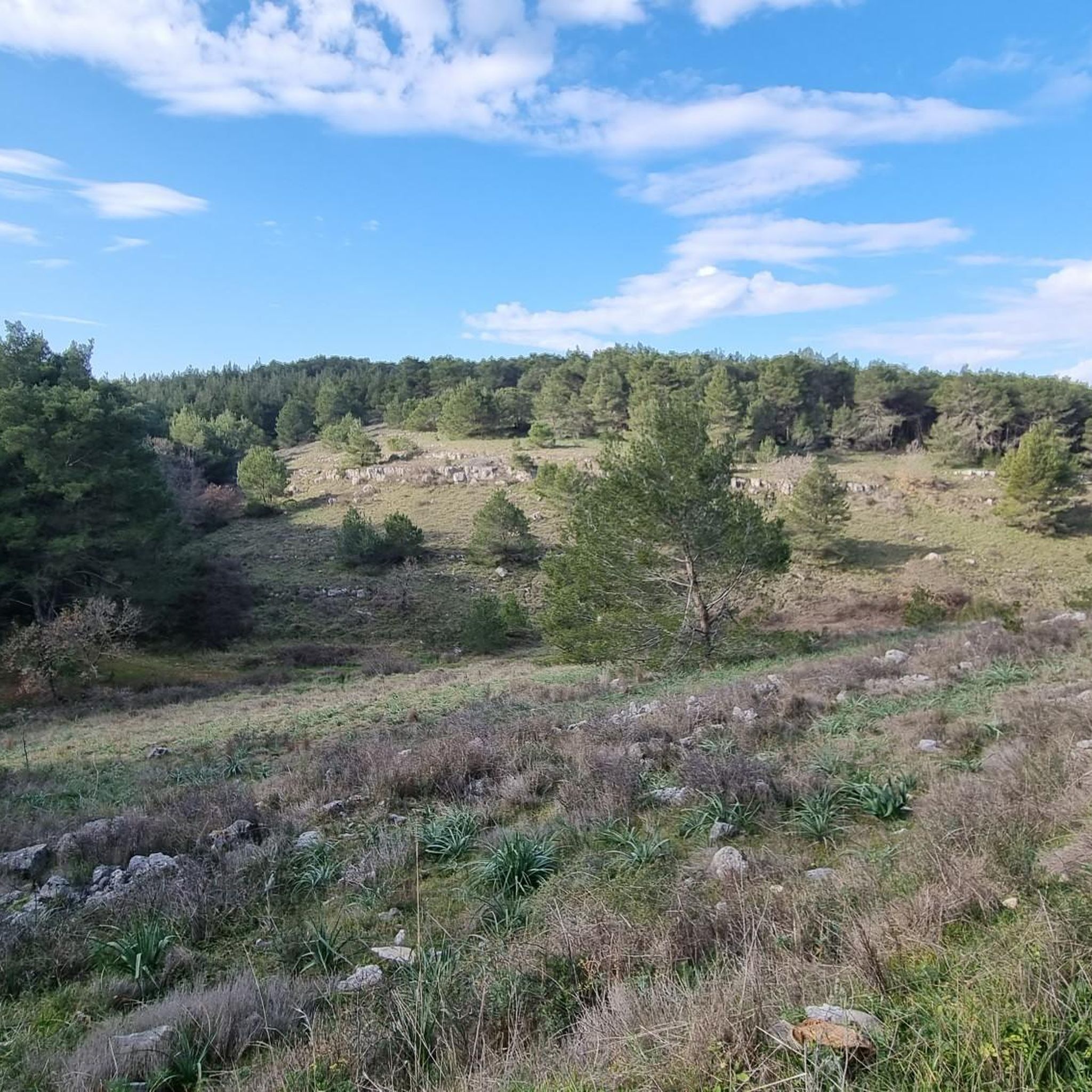
The Mercadante Forest is a protected wooded area that extends for 1,300 hectares between the municipalities of Cassano delle Murge and Altamura. It was born in 1928 from a reforestation project after a flood, and hosts different species of trees, such as oaks, cedars and cypresses. It is the ideal place to cool off among the trees on hot summer days and take a break in one of the areas equipped with picnic tables.
1
0

The Trulli are typical Apulian buildings. They represent an extraordinary example of dry stone construction
1
0
The Torre del Marchese is an ancient farmhouse with an ancient history. Even today it represents one of the most important oil mills where the niches with the press for pressing the olives are still visible.
2
0
カッサーノデッレマージでのの人気観光スポット

komootモバイルアプリでインスピレーションを得よう


さらに探索
まだ探しているハイライトが見つかりませんか?他の地域のトップアトラクションのガイドを見てみましょう:
