オーペイ自然公園周辺のアトラクション&必見スポット - トップ20
オーペイ自然公園には必見のスポットがたくさんあります。ハイキング愛好家やサイクリング愛好家の方は、ぜひオーペイ自然公園を探索してこのエリアにある20
の隠れたスポットを訪れてみてください。このエリアの必見スポットを確認し、次の冒険に出かける計画を立てましょう。
最終更新日: 8月 31, 2026
ル・カイユ=キ=ビック
ハイライト • 自然記念物
A little step back in time... …
翻訳者 Google •
役立つ情報 は

Le Chalet Du Garde
ハイライト • カフェ
A growing number of tourists encouraged Léon Laurent to build a café restaurant in 1892 with a billiard room and bedrooms. It was the time of …
翻訳者 Google •
役立つ情報 は

今すぐサインアップして、こんな場所を発見しよう
最高のシングルトラック、ピーク、その他のエキサイティングなアウトドアスポットのおすすめを受け取ろう。
無料新規登録
ボワ・ダングル
ハイライト • 森
翻訳者 Google •
役立つ情報 は

エミール・ヴェルハーレンの石
ハイライト • 記念碑
"Admire man and admire the earth, and you will live fervently and …
翻訳者 Google •
役立つ情報 は
RAVeL 98/98Aの交差点
ハイライト • サイクリングロード
翻訳者 Google •
役立つ情報 は
無料でサインアップして、さらに多くの観光スポットを発見しましょう オーペイ自然公園での。
無料新規登録
すでにアカウントをお持ちですか?
無料アカウントで今日から始めよう
次の冒険が待っています。
ログインまたは登録
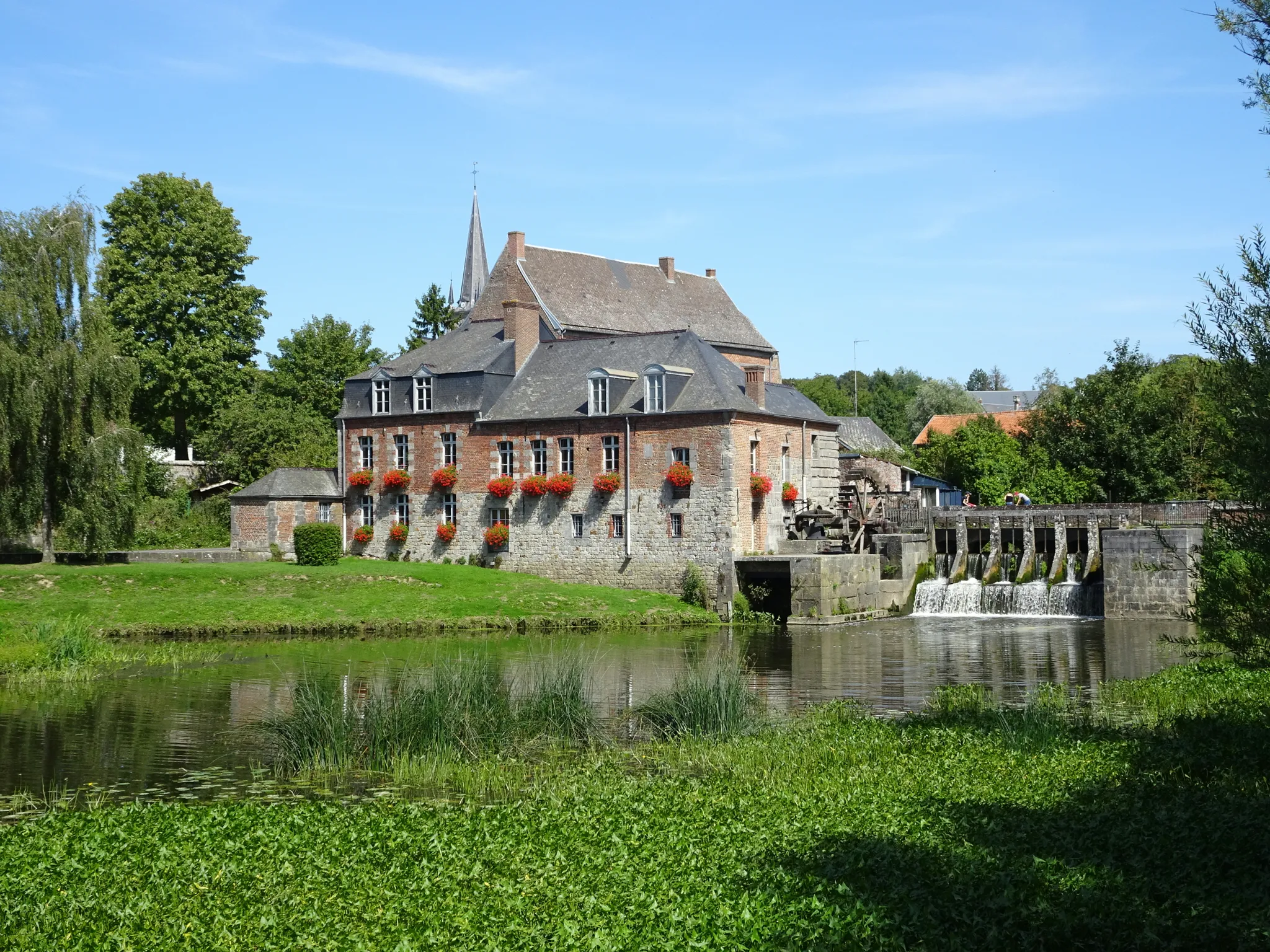
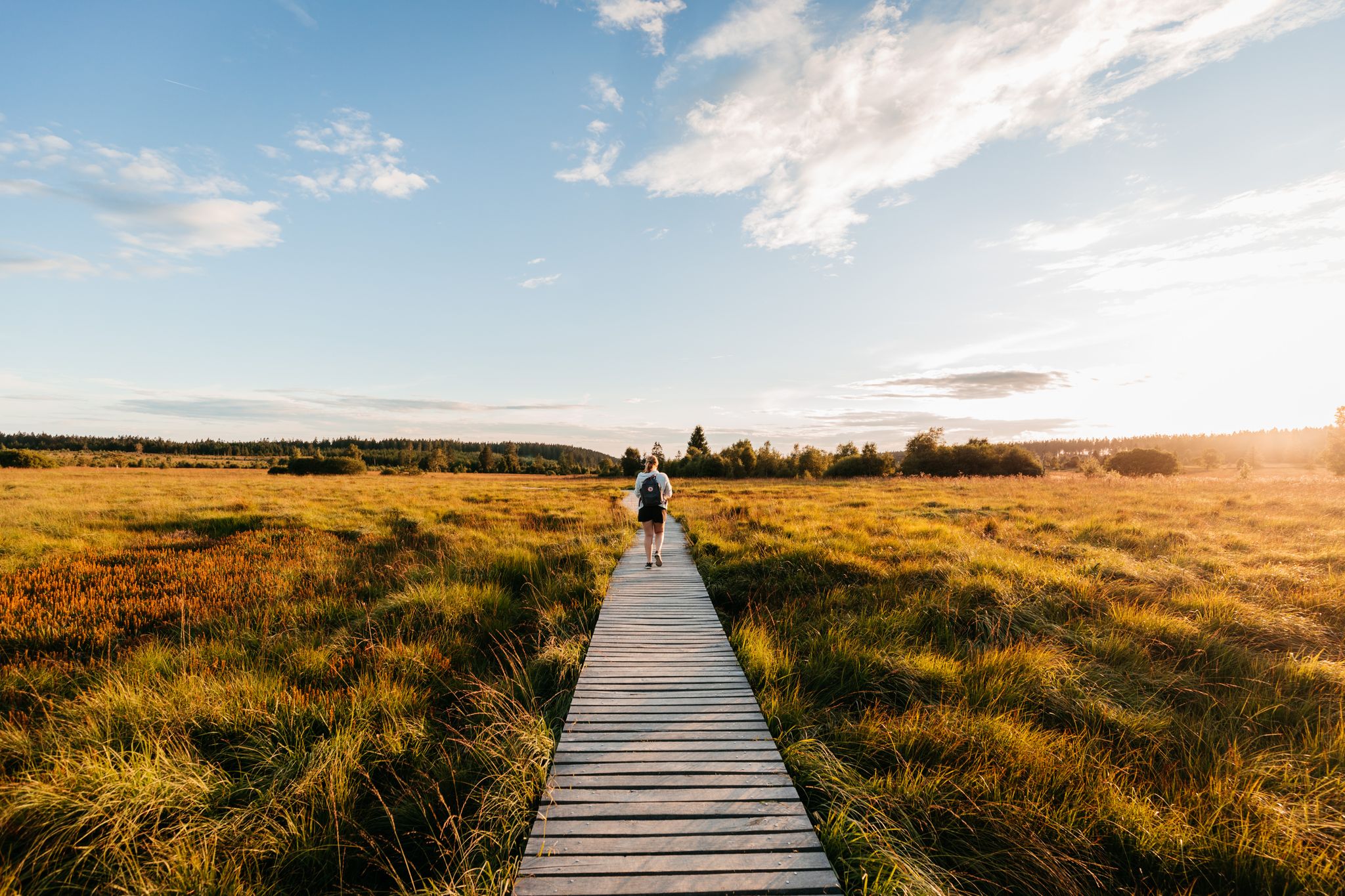
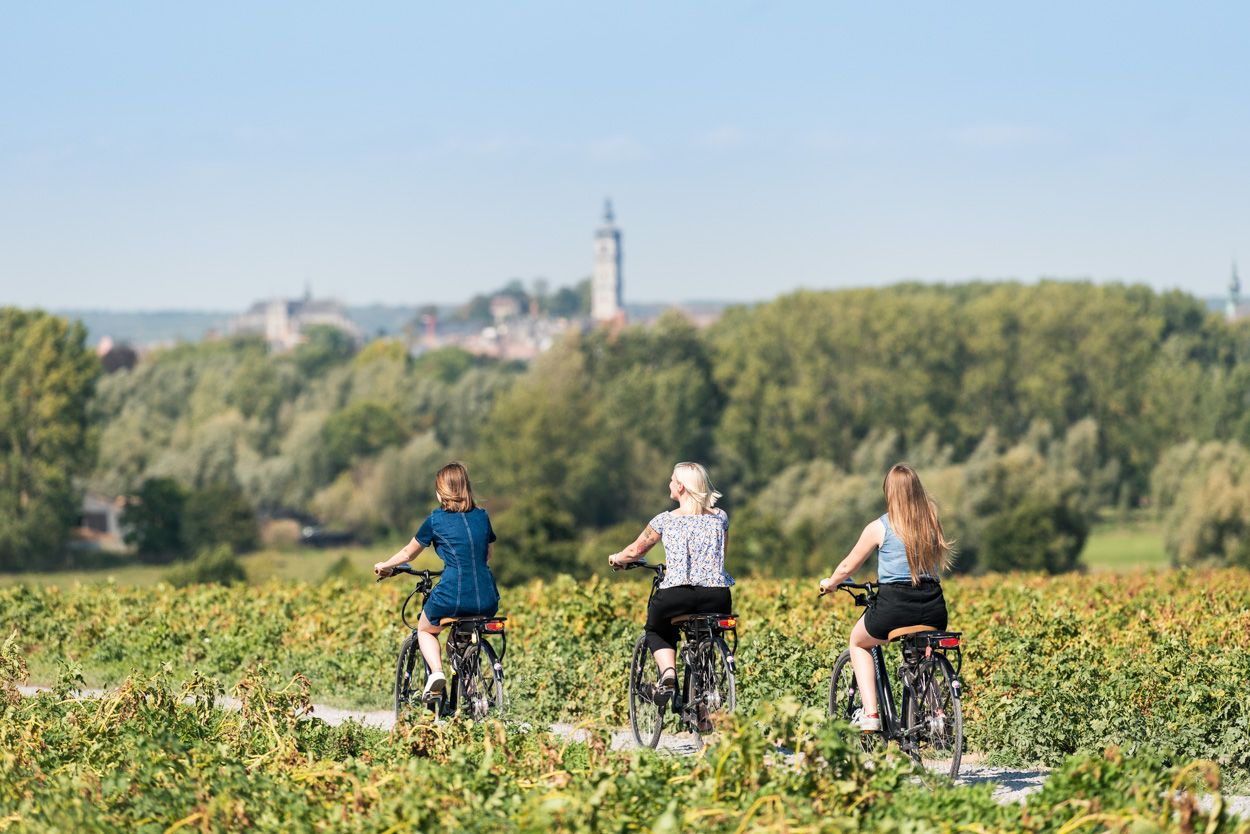
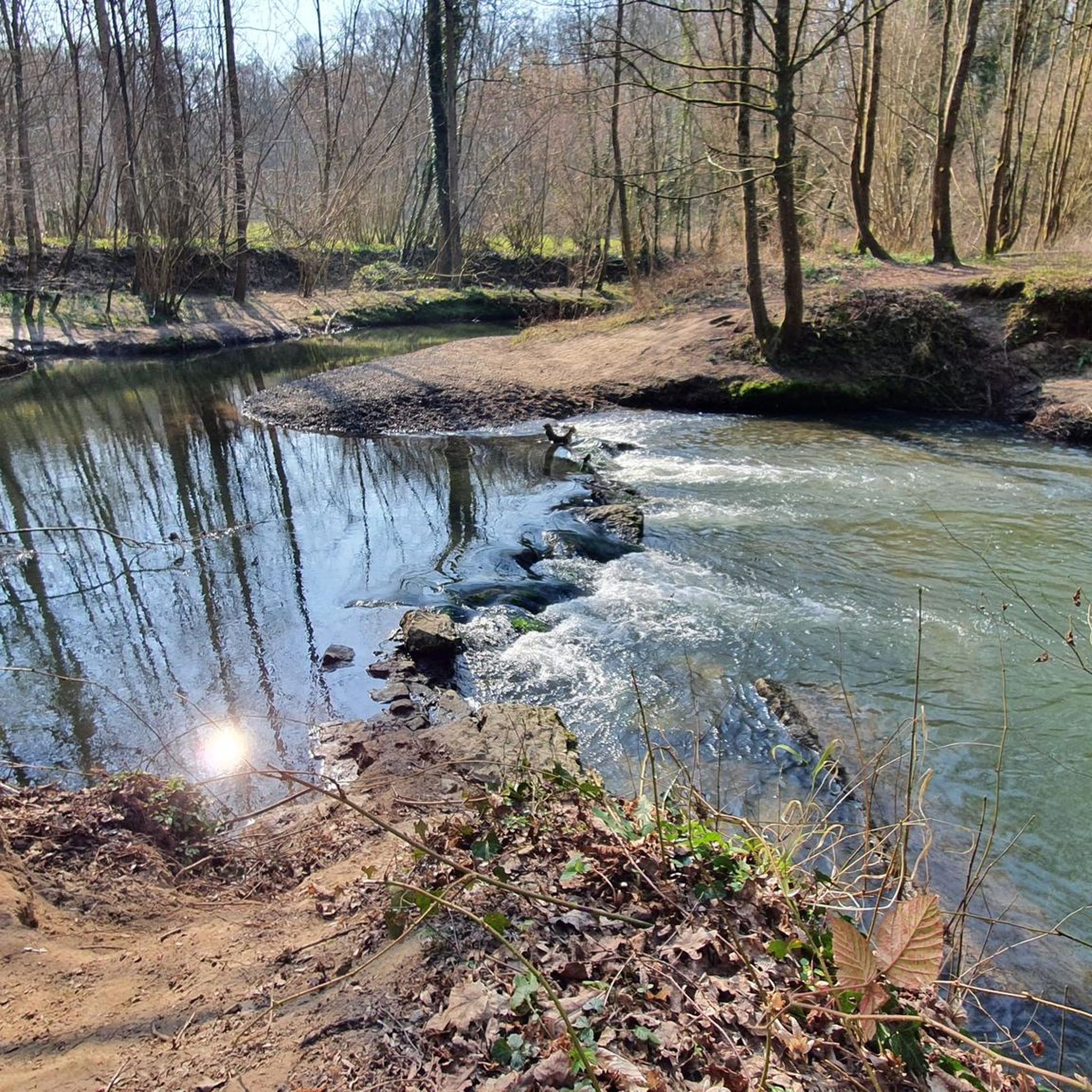
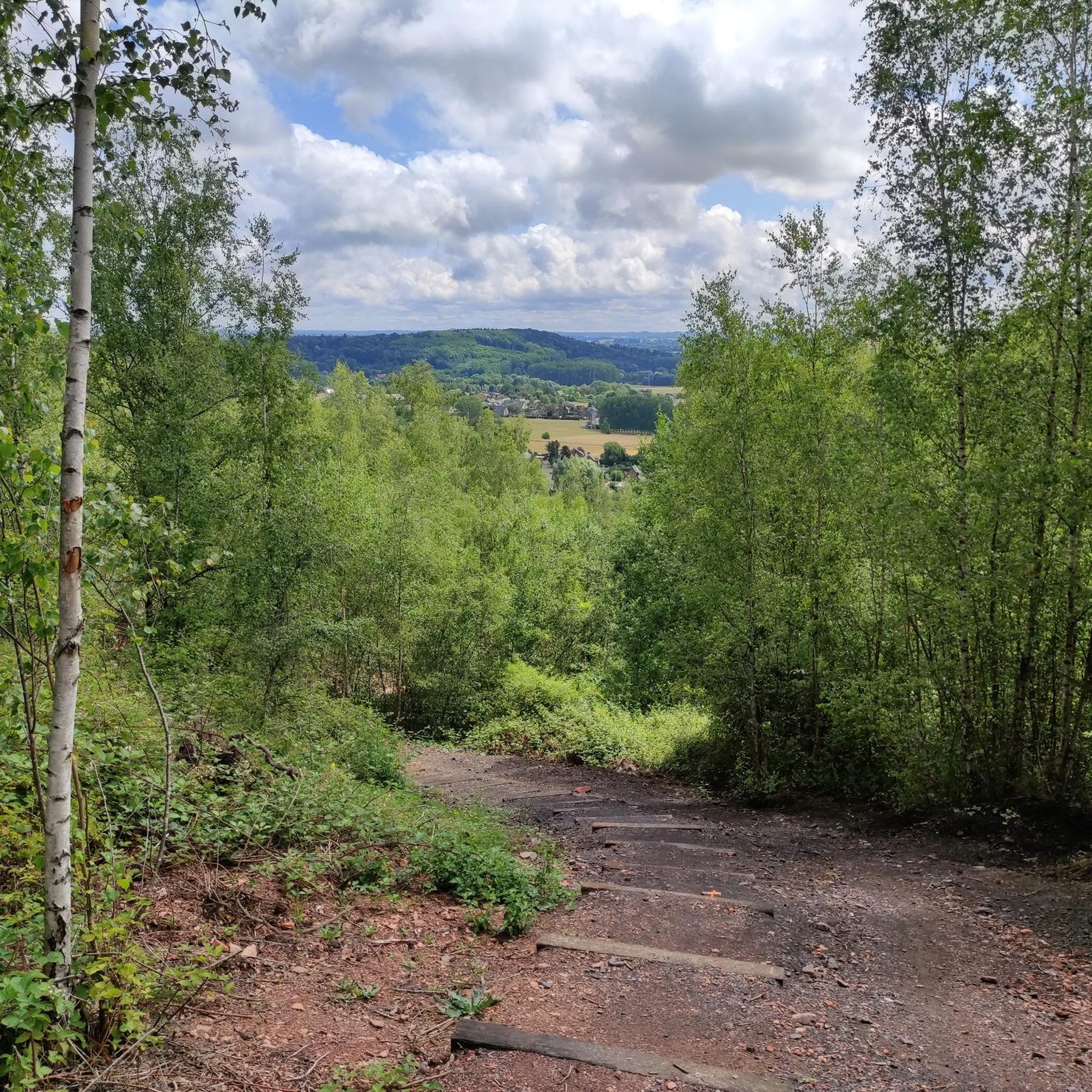
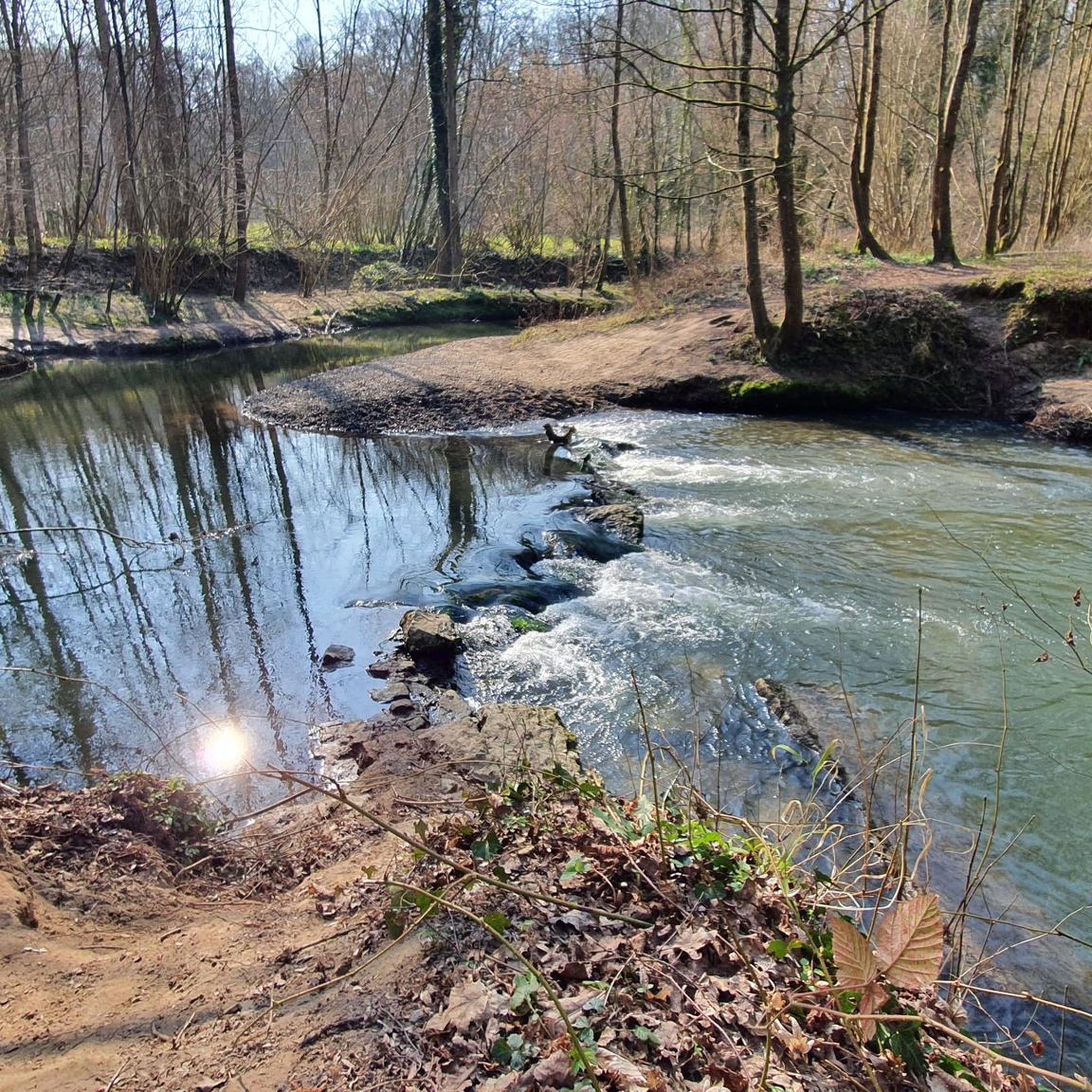
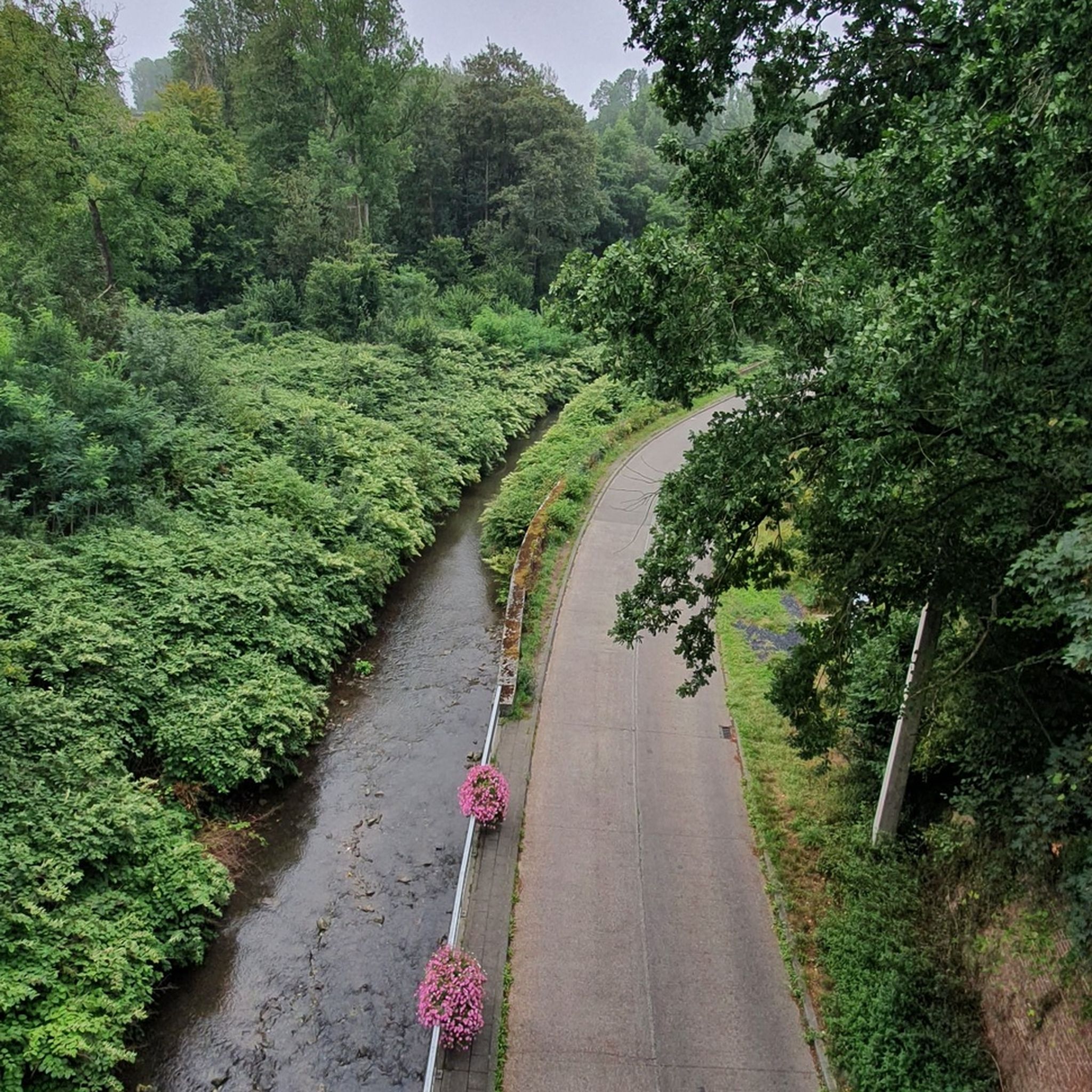
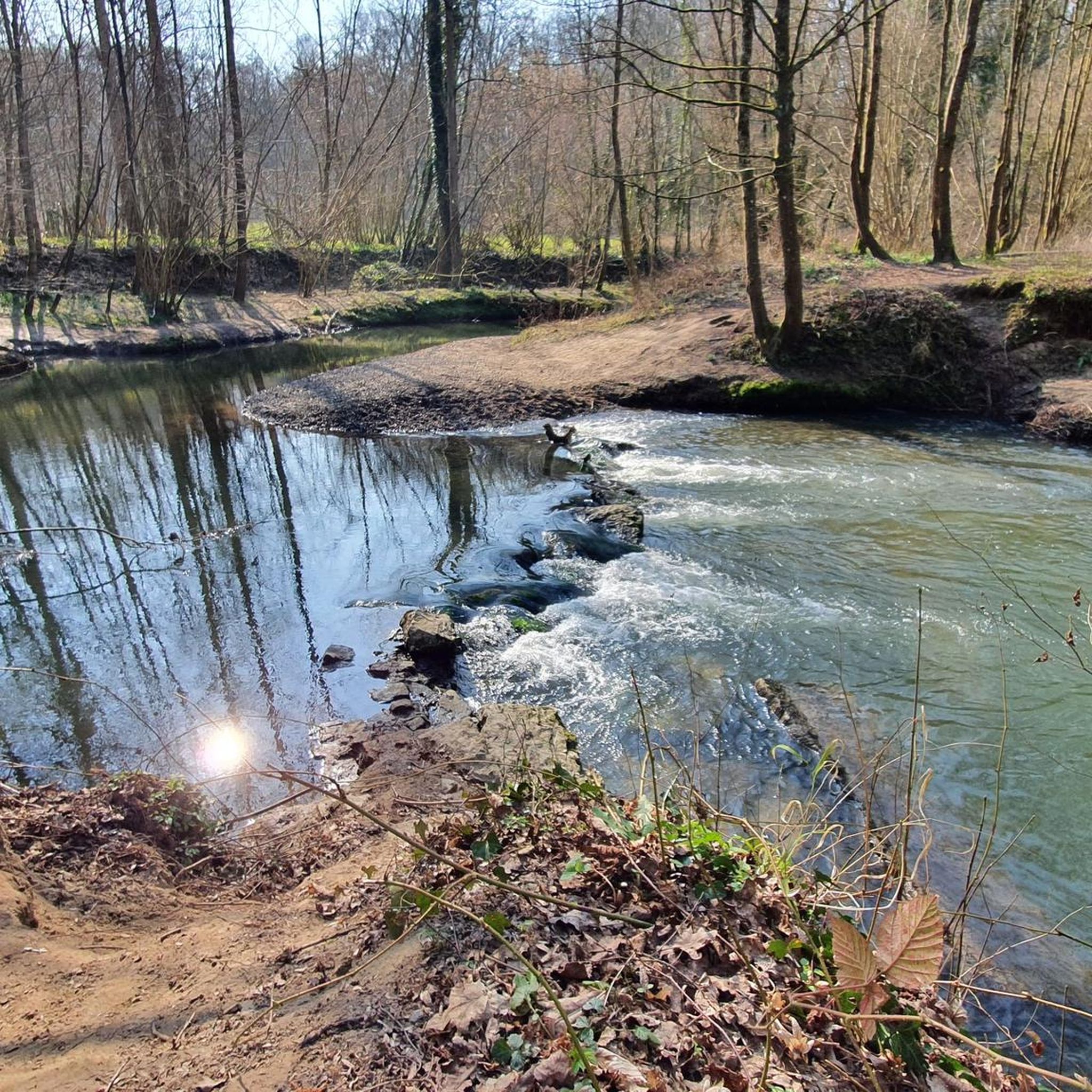

オーペイ自然公園でのの他の冒険


コミュニティからのヒント

cafe in the middle of the woods, very friendly owner with cozy terrace. definitely recommended.
1
0

Very friendly welcome! Ideal place during a hike or a stroll in the surrounding area to drink a local beer, Daffodil.
1
0

The Bois d'Angre, located in Honnelles, is a forest renowned for the Caillou-qui-Bique, a 370 million year old pudding rock. This forest is home to rich biodiversity with oaks, ash trees and various rare species. A place of legends and hikes, the Angre woods is a precious natural site in Wallonia, managed by Natagora and other organizations to preserve its unique fauna and flora.
2
0

This rock formation is very special in the forest!
2
0

The Borinage is inextricably linked to a prestigious industrial past that created a lot of wealth in Europe. A number of small railway lines were built to transport both labor and coal. These lines have now been transformed into beautiful RAVeL routes. These four routes of the RAVeL of the Borinage (Lines 98,98A, 98B and 98C) will take you into different atmospheres in no time. You drive from a heavily urbanized and industrial region to wooded zones and agricultural areas. You will be amazed! On the one hand you cycle between the coal slag heaps, but you also visit cultural places that were visited by Van Gogh and Verhaeren. In short, a bike tour full of surprises! Adventurers can also cycle on the short Line 98B, between Warquignies and Boussu. We propose 3 stages, which are not connected to each other, but can be combined: Line 98, the Borinage hills, between Cuesmes and Quiévrain Line 98A, the RAVeL of the 'Hauts-Pays', between Dour and Onnezies. Line 98C, between Frameries and Hornu. https://ravel.wallonie.be/nl/home/itineraires/local/lignes-98-du-borinage.html
9
0
A legend has been perpetuated for generations on this 25 meter high stone planted on a ridge (in patois we say that it rocks). A little step back in time... Saint-Ghislain completes the construction of its abbey. The devil decides that he will take advantage of the inauguration day to destroy the abbey and its occupants, by throwing an enormous stone found in the Pyrenees at the community. An angel warns Saint-Ghislain of the imminent danger weighing on the abbey. He gathers as many pairs of worn shoes as possible, which he slips into a huge bag and takes to the road to meet the evil one. Coming across a poor fellow in rags with holes in his shoes at this place, the devil, quite exhausted by the heavy load, questions him: “Is the abbey of Saint-Ghislain still far away? ". - “I’m coming from there, if it’s far!” » replies the old man while emptying his bag, filled with threadbare shoes, in front of the devil. Discouraged and disappointed, Satan preferred to give up, dropping his heavy stone on the ground and walking away blaspheming, fooled by the subterfuge. An hour and a half. N.B.: some historians say that this is the legend of Saint Remacle, during the construction of Stavelot Abbey. You are therefore free to substitute Remacle for Saint-Ghislain since this substitution does not modify the spirit of the story. In both cases, the devil is defeated. Cfr de informatiesteen ter hoogte van Le Chalet de Garde.
10
1
Emile Adolphus Gustavus Verhaeren (Sint-Amands, May 21, 1855 – Rouen, November 27, 1916) was a French-speaking Belgian author and a representative of Symbolism. He was a poet, wrote short stories, art criticism and drama. His work has been translated into 28 languages (including English, Russian, German, Chinese and Japanese).[1] Verhaeren made his debut in 1883 with Les Flamandes, a naturalistic collection inspired by the voluptuous scenes from Flemish painting of the 16th and 17th centuries. In 1886 Les Moines follows in the sphere of religious mysticism. From 1888 to 1891 he published his black trilogy: Les Soirs (1888), Les Débâcles (1888) and Flambeaux noirs (1891). The collections, published bibliophile by Edmond Deman in Brussels, bathe in the dark fin-de-siècle atmosphere of melancholy and self-torture. Those were the years in which Verhaeren suffered from neurasthenia. https://nl.wikipedia.org/wiki/Emile_Verhaeren
8
1

komootモバイルアプリでインスピレーションを得よう


さらに探索
まだ探しているハイライトが見つかりませんか?他の地域のトップアトラクションのガイドを見てみましょう:
