トルカルデアンテケラのおすすめMTBライド
4.8
(32)
508
ライダー
73
ライド
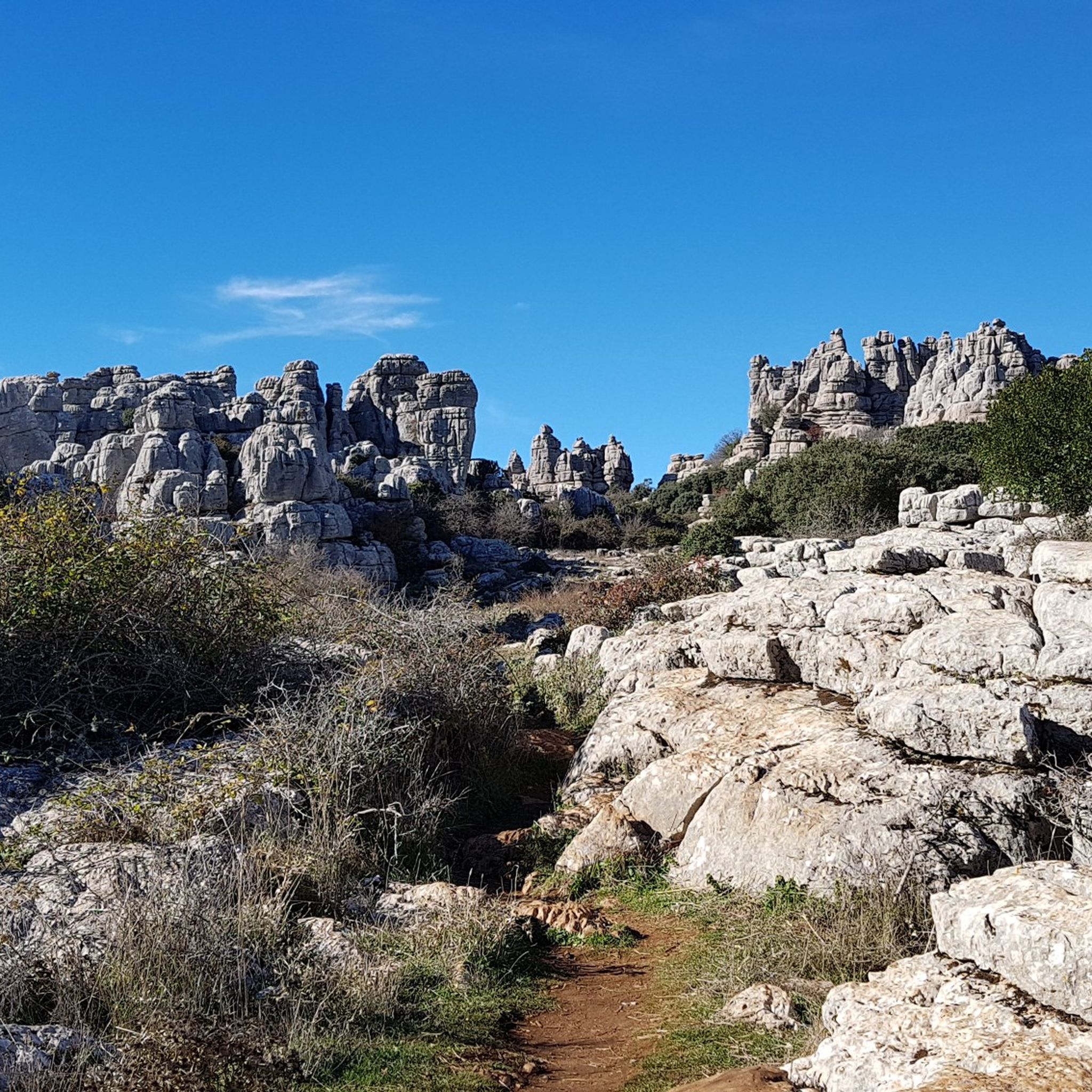
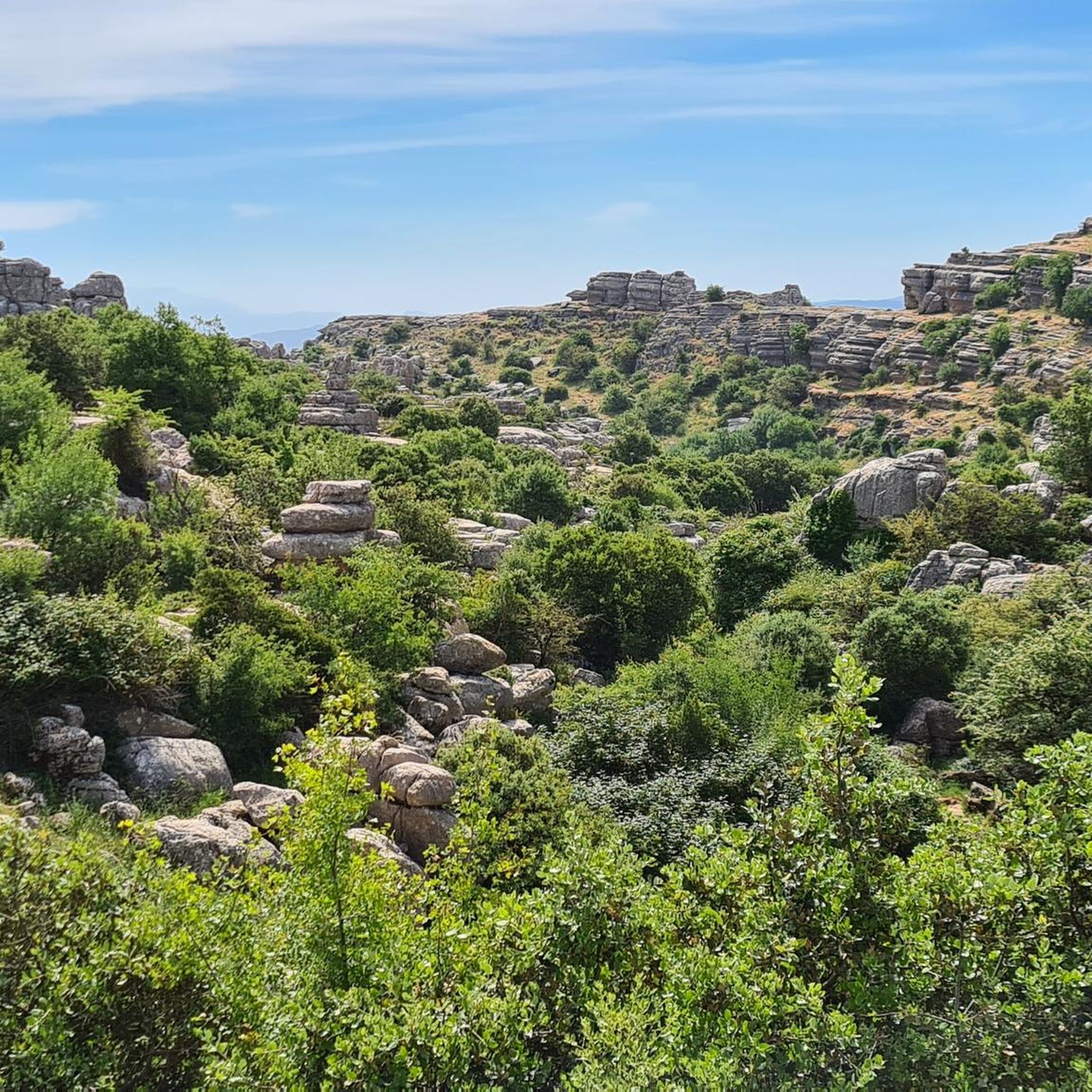
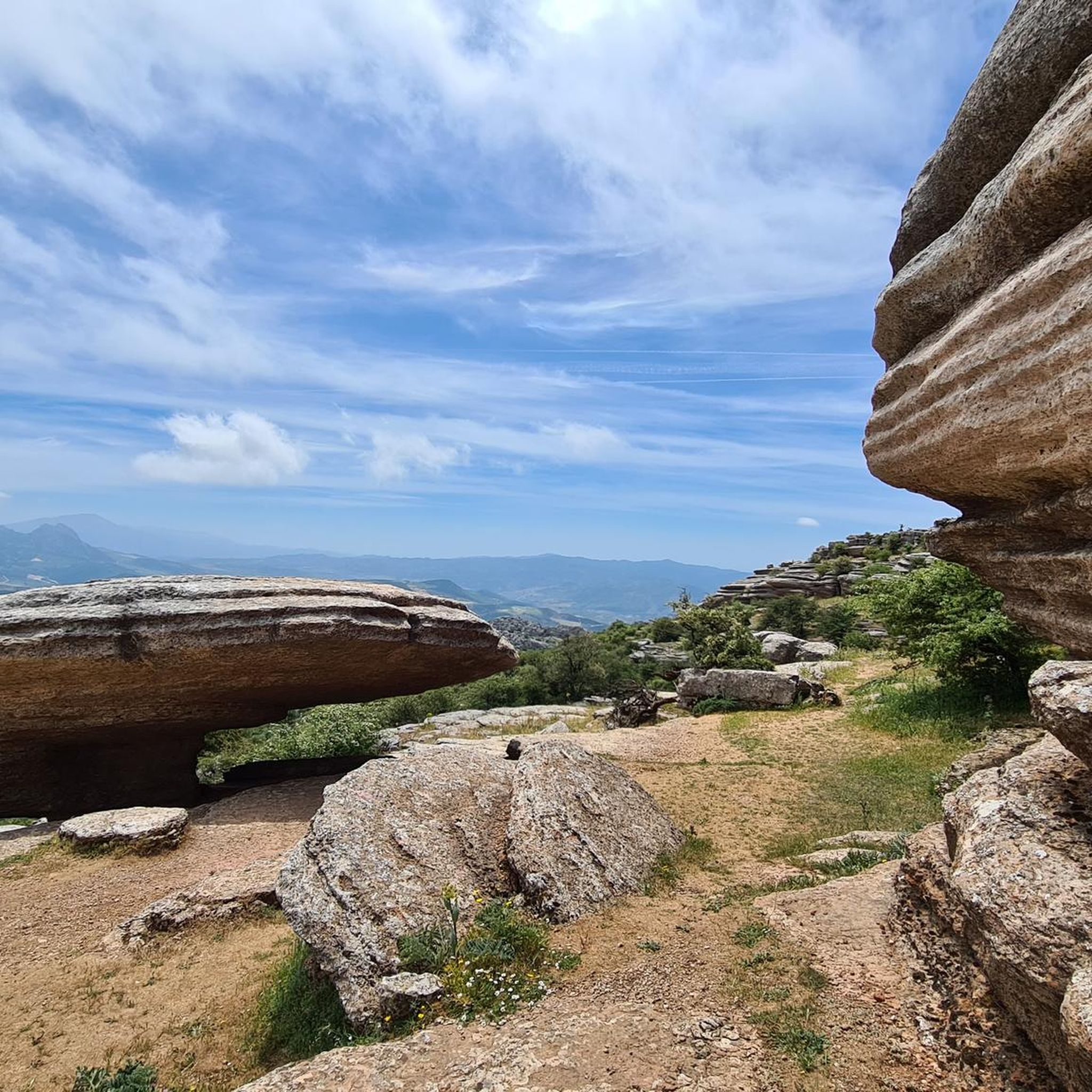
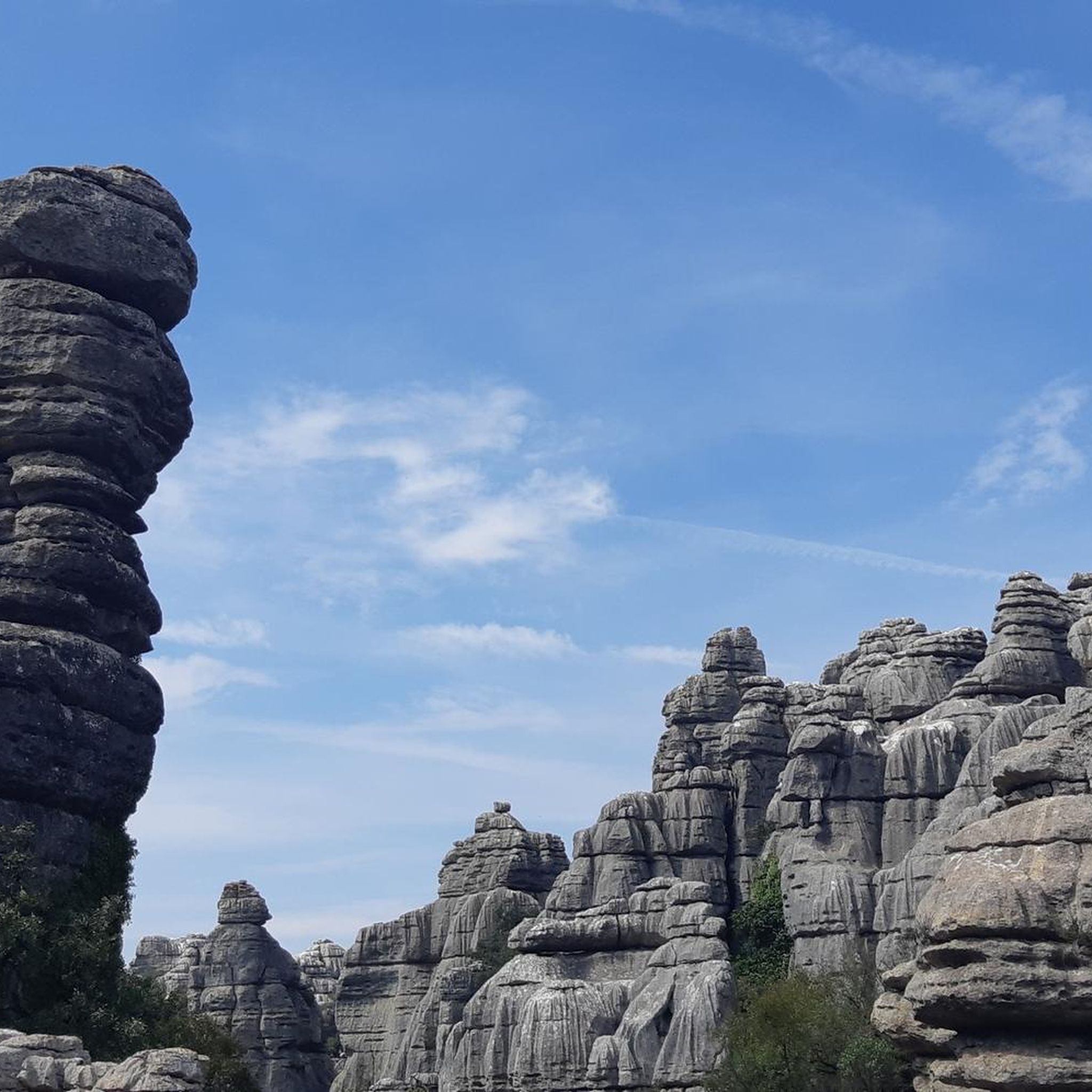
トルカルデアンテケラでおすすめのマウンテンバイクルートをお探しですか?ノルテ・オ・アンテケラが誇るこの美しい自然公園周辺で楽しめるMTBライドを集めたkomootコレクションを参考にしてください。次のアドベンチャーでは、トルカルデアンテケラの魅力をもっと発見しましょう。
最終更新日: 10月 20, 2026
5.0
(4)
26
ライダー
36.0km
02:53
890m
900m
中程度のマウンテンバイクライド. ある程度のフィットネスレベルが必要です。 あらゆるスキルレベルに適しています。
15
ライダー
16.5km
01:31
260m
260m
中程度のマウンテンバイクライド. あらゆるフィットネスレベルに適しています。 高度なライディングスキルが必要です。

6
ライダー
初級者向けMTBライド. あらゆるフィットネスレベルに適しています。 あらゆるスキルレベルに適しています。
5.0
(1)
5
ライダー
難しいマウンテンバイクライド. ある程度のフィットネスレベルが必要です。 高度なライディングスキルが必要です。ツアーの一部で自転車を押して歩く必要があるかもしれません。
3
ライダー
60.6km
05:24
1,590m
1,590m
難しいマウンテンバイクライド. 標準以上のフィットネスレベルが必要です。 あらゆるスキルレベルに適しています。
さらに多くのルートや他のユーザーのおすすめ情報を確認できます。
すでにアカウントをお持ちですか?
おすすめのツアーは他のkomootユーザーが実際に経験した何千ものアクティビティに基づいています。
無料アカウントで今日から始めよう
次の冒険が待っています。

コミュニティからのヒント

The Mirador Niña de Antequera offers excellent views over the eastern part of the old town of Antequera and the surrounding mountains.
0
0

An impressive Moorish fortress, perched high above Antequera. Built by the Moors between the 11th and 14th centuries, it was further expanded after the Christian reconquest in the 15th century. It served both as a defensive structure and as a symbol of power over the valley.
1
0

Especially in the evening hours, when the setting sun bathes the walls of the Alcazaba in a golden light, one of the most beautiful perspectives of Antequera is offered, reflecting both the history and the scenic location of the city.
1
0

The descent is worthwhile, but technically feasible!
0
0
The roads through El Torcal are barely passable from the west side!
0
0
The Alcazaba de Antequera is a 14th-century Moorish fortress in the heart of the Andalusian city of Antequera. Built on the remains of an ancient Roman settlement, it served as a defensive fortification during the Muslim rule, protecting the city and the surrounding valley. After the Christian conquest in 1410 by Infante Ferdinand of Castile, the fortress became a key strategic point in the Kingdom of Castile. The imposing Torre del Homenaje (Tower of Homage) is particularly impressive, one of the largest keeps in Andalusia, offering panoramic views of the city, the Peña de los Enamorados (Peño de los Enamorados rock formation), and the surrounding landscape. A bell tower was later added to the tower, housing a large bell dating from 1582. Within the walls, remnants of residential buildings, cisterns, and fortifications can still be seen. Today, the Alcazaba is open to the public, offering a fascinating glimpse into the history of Antequera and Andalusia through its panoramic views and audio guides.
1
1
The Conjunto Arqueológico Dólmenes de Antequera (Antequera Dolmens Archaeological Site) is one of the most important prehistoric sites in Europe and is located on the outskirts of Antequera in Andalusia, directly on the Carretera de Málaga (Málaga Highway). The site comprises three large megalithic tombs – the Dolmen de Menga, the Dolmen de Viera, and the Tholos de El Romeral – as well as the two natural monuments Peña de los Enamorados and El Torcal de Antequera. Together, they have formed a UNESCO World Heritage Site since 2016, uniquely demonstrating the connection between humankind, architecture, and landscape. The Dolmen de Menga is the largest structure in the site and is among the most impressive megalithic tombs in Europe. It was built between approximately 3800 and 3600 BC and consists of enormous stone blocks assembled to form a long burial chamber. Particularly noteworthy is its alignment with the rock Peña de los Enamorados, suggesting a symbolic or ritual significance. Human remains and grave goods were found inside. Just a few meters away is the Dolmen de Viera, which is somewhat smaller and more classically constructed. It was built between approximately 3500 and 3000 BC and is oriented precisely to the east, so that sunlight falls directly into the burial chamber at the equinox. The third structure, the Tholos de El Romeral, lies about four kilometers away and dates from the Copper Age, around 2500 BC. Its circular shape and corbelled vault distinguish it from the older dolmens and represent a further development of the architectural techniques of that time.
0
0
トルカルデアンテケラでのの人気観光スポット

komootモバイルアプリでインスピレーションを得よう


さらに探索
他の地域の最高のMTBトレイルを見てみましょう。
