ラグナデフエンテデピエドラのおすすめライド
4.3
(26)
851
ライダー
67
ライド
ラグナデフエンテデピエドラでのでおすすめのロードバイクルートをお探しですか?ノルテ・オ・アンテケラが誇るこの美しい自然公園周辺で楽しめるライドを集めたkomootコレクションを参考にしてください。次のアドベンチャーでは、ラグナデフエンテデピエドラの魅力をもっと発見しましょう。
最終更新日: 10月 14, 2026
30
ライダー
75.4km
03:10
470m
470m
中程度のロードライド. ある程度のフィットネスレベルが必要です。 全般的に舗装状態が良好で走行しやすい道です。
17
ライダー
60.8km
02:33
380m
380m
中程度のロードライド. ある程度のフィットネスレベルが必要です。 全般的に舗装状態が良好で走行しやすい道です。

3.0
(1)
13
ライダー
23.8km
01:01
180m
180m
初級者向けロードバイクライド. あらゆるフィットネスレベルに適しています。 全般的に舗装状態が良好で走行しやすい道です。
10
ライダー
68.0km
02:58
460m
460m
中程度のロードライド. ある程度のフィットネスレベルが必要です。 ツアーの一部に、未舗装のため走行が難しい箇所があるかもしれません。
8
ライダー
53.7km
02:12
310m
310m
中程度のロードライド. ある程度のフィットネスレベルが必要です。 全般的に舗装状態が良好で走行しやすい道です。
さらに多くのルートや他のユーザーのおすすめ情報を確認できます。
すでにアカウントをお持ちですか?
おすすめのツアーは他のkomootユーザーが実際に経験した何千ものアクティビティに基づいています。
無料アカウントで今日から始めよう
次の冒険が待っています。

コミュニティからのヒント

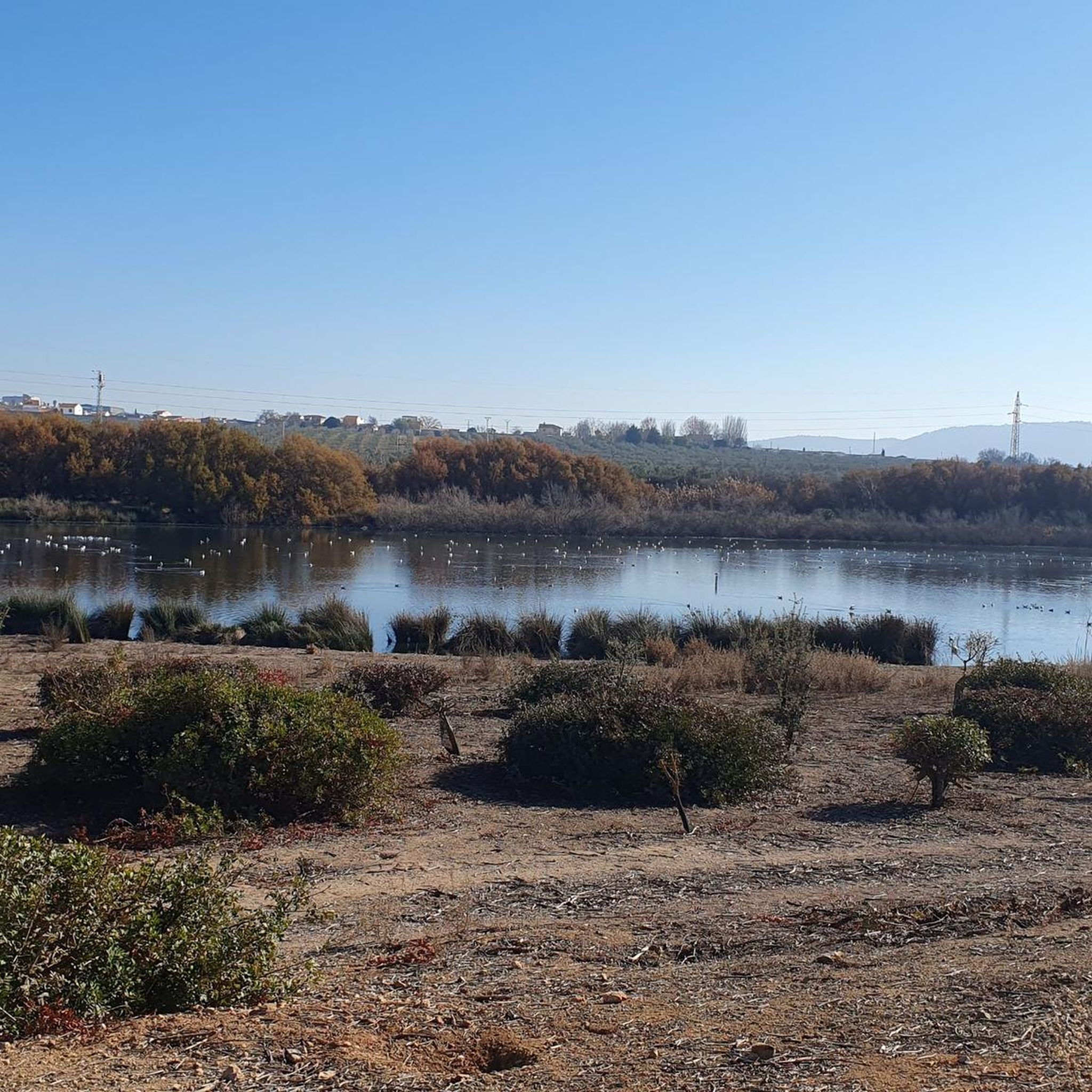
The Laguna de Fuente de Piedra provides an important habitat for large flamingo colonies and is one of the most significant breeding grounds for this bird species in Europe. The shallow salt lagoon offers ideal conditions for the birds, allowing them to be observed there in large numbers, especially during the warmer months.
1
0

The Conjunto Arqueológico Dólmenes de Antequera (Antequera Dolmens Archaeological Site) is one of the most important prehistoric sites in Europe and is located on the outskirts of Antequera in Andalusia, directly on the Carretera de Málaga (Málaga Highway). The site comprises three large megalithic tombs – the Dolmen de Menga, the Dolmen de Viera, and the Tholos de El Romeral – as well as the two natural monuments Peña de los Enamorados and El Torcal de Antequera. Together, they have formed a UNESCO World Heritage Site since 2016, uniquely demonstrating the connection between humankind, architecture, and landscape. The Dolmen de Menga is the largest structure in the site and is among the most impressive megalithic tombs in Europe. It was built between approximately 3800 and 3600 BC and consists of enormous stone blocks assembled to form a long burial chamber. Particularly noteworthy is its alignment with the rock Peña de los Enamorados, suggesting a symbolic or ritual significance. Human remains and grave goods were found inside. Just a few meters away is the Dolmen de Viera, which is somewhat smaller and more classically constructed. It was built between approximately 3500 and 3000 BC and is oriented precisely to the east, so that sunlight falls directly into the burial chamber at the equinox. The third structure, the Tholos de El Romeral, lies about four kilometers away and dates from the Copper Age, around 2500 BC. Its circular shape and corbelled vault distinguish it from the older dolmens and represent a further development of the architectural techniques of that time.
0
0
The city gate of Antequera was built in 1749 in the Baroque style, demolished in the 19th century, and faithfully reconstructed in the 1990s. Today, the Puerta de Estepa is a symbolic gateway to the city.
3
0
Fuente de Piedra is a charming village whose name derives from an ancient spring believed to possess healing powers. The area was already settled in Roman times, and the spring was then referred to as "Fons Divinus." In the Middle Ages, a small settlement grew up around the spring, which later acquired its present name. During the 18th and 19th centuries, Fuente de Piedra was a renowned spa town thanks to its mineral waters, until the spring dried up. Today, the village's name evokes this past, while its history remains closely intertwined with the use and veneration of the water.
1
0
The Puerta de Estepa city gate is one of Antequera's most striking buildings and marks the historic entrance to the city. It is located at the end of the Alameda de Andalucía, very close to the Plaza de la Constitución, where the modern city merges into the historic old town. The gateway with its three round arches was built in 1749 in the Baroque style and once served as a welcoming gateway for travelers coming from the direction of Estepa. The structure was demolished in the 19th century but faithfully rebuilt in the 1990s. Today, the Puerta de Estepa city gate is a popular photo opportunity and a symbolic gateway to the city. The view of the old town through the arches is particularly impressive.
4
0
The Antequera Dolmens Archaeological Complex is one of the most important prehistoric sites in Europe and is located on the outskirts of Antequera in Andalusia, directly on the Carretera de Málaga. The complex includes three large megalithic tombs – the Dolmen de Menga, the Dolmen de Viera, and the Tholos de El Romeral – as well as the two natural monuments Peña de los Enamorados and El Torcal de Antequera. Since 2016, they have formed a recognized UNESCO World Heritage Site, uniquely demonstrating the connection between humans, architecture, and landscape. The Dolmen de Menga is the largest structure in the complex and is one of the most impressive megalithic tombs in Europe. It was built between approximately 3800 and 3600 BC and consists of enormous stone blocks assembled to form a long burial chamber. Particularly noteworthy is its orientation toward the Peña de los Enamorados rock, which indicates symbolic or ritual significance. Human remains and grave goods have been found inside. Just a few meters away is the Dolmen de Viera, which is somewhat smaller and of a more classical design. It was built between 3500 and 3000 BC and is oriented exactly east, allowing sunlight to fall directly into the burial chamber at the equinox. The third structure, the Tholos de El Romeral, is located about four kilometers away and dates back to the Copper Age around 2500 BC. Its circular shape and corbelled vault distinguish it from the older dolmens, demonstrating a further development of the architectural style of the time. The visitor center is located directly next to the Dolmens of Menga and Viera, where visitors can learn more about the history, architecture, and cultural significance of the complex. Exhibitions, models, and interactive displays explain how these monumental structures were constructed using the simplest of means and the role they played in the religious life of early communities. The center also offers guided tours, information materials, and a small shop. Today, the dolmens of Antequera are considered an outstanding example of how people understood their environment more than 5,000 years ago and shaped monumental structures in harmony with nature, astronomy, and faith. The combination of prehistoric architecture and the impressive landscape makes the site a unique testament to early European cultural history.
1
0
The view of Antequera and the Peña de los Enamorados is one of the most impressive scenes in the region – a harmonious blend of city, landscape, and legend. From a vantage point like the Alcazaba or the Church of Santa María la Mayor, Antequera stretches out before you: a sea of white houses, narrow streets, and reddish-tiled roofs, gently nestling into the fertile plains of the Vega de Antequera. Church towers and domes rise between the buildings, reflecting the golden light of the sun. On the horizon rises the mysterious Peña de los Enamorados – the "Rock of the Lovers." Its shape is reminiscent of the profile of a sleeping face, serenely watching over the landscape. According to legend, two lovers, a Moor and a Christian, once threw themselves to their deaths here because their love was forbidden – a symbol of eternal fidelity and tragic passion.
1
0
ラグナデフエンテデピエドラでのの人気観光スポット

komootモバイルアプリでインスピレーションを得よう


さらに探索
他の地域の最高のロードサイクリングルートを見てみましょう。
