4.5
(1344)
5,484
ライダー
196
ライド
ムルデスタウゼーでおすすめのサイクリングルートをお探しですか?行きたいルートを簡単に決められるように、このページではムルデスタウゼー周辺の人気バイクライドをご紹介します。 ぜひ、お気に入りのルートを見つけてください。
最終更新日: 5月 30, 2026
4.2
(126)
451
ライダー
22.5km
01:34
100m
100m
難しい自転車ライド. あらゆるフィットネスレベルに適しています。 ツアーの一部で自転車を押して歩く必要があるかもしれません。
4.6
(117)
444
ライダー
39.8km
02:20
100m
100m
中程度の自転車ライド. ある程度のフィットネスレベルが必要です。 全般的に舗装された状態です。あらゆるスキルレベルに適しています。

無料新規登録
4.8
(170)
370
ライダー
21.0km
01:14
60m
60m
初級者向けバイクライド. あらゆるフィットネスレベルに適しています。 全般的に舗装された状態です。あらゆるスキルレベルに適しています。
4.5
(52)
240
ライダー
51.2km
03:13
110m
110m
中程度の自転車ライド. ある程度のフィットネスレベルが必要です。 全般的に舗装された状態です。あらゆるスキルレベルに適しています。
4.4
(40)
157
ライダー
136km
08:07
320m
320m
難しい自転車ライド. 標準以上のフィットネスレベルが必要です。 全般的に舗装された状態です。あらゆるスキルレベルに適しています。
さらに多くのルートや他のユーザーのおすすめ情報を確認できます。
無料新規登録
すでにアカウントをお持ちですか?
おすすめのツアーは他のkomootユーザーが実際に経験した何千ものアクティビティに基づいています。
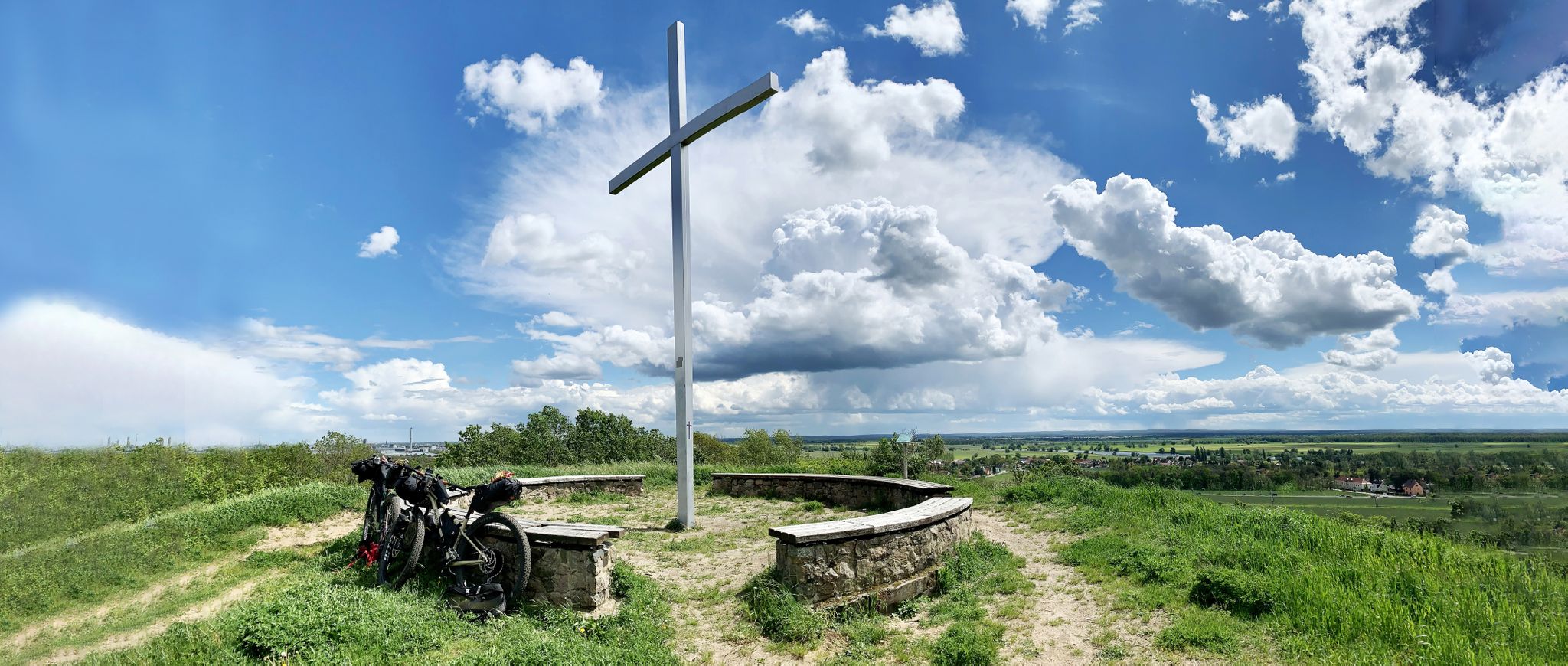
ノイホイザー湖に沿って、景観の形成に関する展望台や案内板を備えた、整備された自転車道と遊歩道のネットワークが広がっています。ルターシュタット・ヴィッテンベルクからマルククレーベルクまで続く全長120kmの自転車道「Kohle-Dampf-Licht」は湖のそばを通ります。 Quelle https://de.wikipedia.org/wiki/Neuh%C3%A4user_See
1
0
19世紀半ば、最初の鉱業活動がGoitzscheの南西部、PetersrodaとHolzweißigの集落の近くで始まりました。[3] 褐炭層を追って、採掘は西から東へと移動しました。現在のマクデブルク・ライプツィヒ線およびトレブニッツ・ライプツィヒ線の開通により、褐炭の販売市場は、とりわけハレやライプツィヒまで拡大しました。19世紀と20世紀における電力と化石燃料の需要増加は、1908年のレオポルド露天掘り鉱山(1945年から1962年まではHolzweißig-Ost)の開設、および1958年のHolzweißig-West露天掘り鉱山の創設につながりました。[3] ノイハウザー湖は、かつての褐炭露天掘り鉱山Holzweißig-Westから生まれました。名前の由来は、1976年にパウピッツシュの町とともに取り壊されたノイハウスの邸宅です。Holzweißig-West露天掘り鉱山は1958年から1980年まで操業していました。他の情報源では1991年までの利用が報告されています。湖の湛水は1993年から2005年まで行われました。[1] 溢れた水はGoitzscheを経由してMuldeに導かれます。1997年以来、この地域は自然再生されており、安定した法面が作られています。 出典 https://de.wikipedia.org/wiki/Neuh%C3%A4user_See
1
0
ノイホイザー湖は、ザクセン自由州とザクセン=アンハルト州の北西の境界に、標高約78mの地点に位置しています。湖の南には、ノルトザクセンの郡庁所在地デルリッツシュの地区であるベンンドルフがあり、北にはザクセン=アンハルト州の単一自治体ビターフェルト=ヴォルフェンがあります。ミッテルドイチェ湖水地方にあり、グローサー・ゴイツシェ湖の南、ルートヴィヒ湖およびパウピッツシャー湖の水域の南に位置しています。 Quelle https://de.wikipedia.org/wiki/Neuh%C3%A4user_See
1
0
ノイホイザー湖(Neuhauser Seeとも呼ばれる)は、かつてのホルツヴァイスヒ・ヴェスト(Holzweißig-West)の露天掘り採掘場が水没してできた、約155ヘクタールの露天掘り採掘跡の湖です。この湖は、ドイツ中部湖水地方に位置し、ゴイツシェ(Goitzsche)風景保護区の南、デリチュ(Delitzsch)市の北にあります。 出典 https://de.wikipedia.org/wiki/Neuh%C3%A4user_See
1
0
グレンミナー湖(Gremminer See)を一周することをお勧めします。「鉄の街」フェロポリス(Ferropolis)の眺めのほかにも、美しく舗装された道沿いには想像力豊かな名前を持つ非常に興味深い鉄の彫刻がたくさんあります。また、グレンハインヒヒェン(Gräfenhainichen)の町へ向かうB100/B107の橋を渡ってすぐのところにあるギリシャ料理店「アトス(Athos)」で素晴らしい食事を楽しむこともできます。 (https://athos-der-grieche.de)
0
0
The Mulde, also known as the United Mulde or Vereinte Mulde, is a left, non-navigable tributary of the Elbe. It originates southeast of Leipzig near Sermuth (Saxony) from the confluence of two large headstreams: the longer Zwickauer Mulde and the Freiberger Mulde, which drains a larger catchment area due to its greater discharge. The river's catchment area encompasses large parts of Saxony and, in particular, the vast majority of the northern slopes of the Ore Mountains. With a discharge of approximately 73 m³/s at its mouth,[8] it is the fourth largest tributary of the Elbe. The old name for the Mulde, Milda, is translated by onomasticians as "the water-rich one."[9] The word element "Mel," referring to grinding, is sometimes associated with the name due to the numerous mills that once operated along the river. This overlooks the fact that river names represent the oldest, often Slavic or Celtic, layer of geographical names. The Mulde's name is sometimes linked to the numerous mills that once operated along its banks, but this connection overlooks the fact that river names represent the oldest, often Slavic or Celtic, layer of geographical names. Source https://de.wikipedia.org/wiki/Mulde_(Fluss)
2
0
The village of Seelhausen was buried in 1987 during the expansion of the Goitzsche open-cast mine. The Seelhausen Lake was created by flooding the remaining open-cast mine pit. It lies west of Löbnitz, south of Bitterfeld, and north of Delitzsch, in the Central German Lake District. From the end of July 2000, the lake was filled with water from the Mulde River via a pipeline at a rate of 1 m³/s[1] until the pipeline was destroyed by the Elbe River flood in 2002. Since then, the lake has been fed by the Lober-Leine Canal. According to the LMBV (Lausitz and Central German Mining Company), 96% of the planned water level had been reached by March 2004. The flooding work was completed in 2005.[1] A beach area has since been built at the flooding site, and further development of the lake as a recreational area is planned. The larger Goitzsche Lake lies northwest of the Seelhausen Lake. The lake district also includes Lake Paupitzsch, Lake Holzweißig, Lake Ludwig, Lake Neuhaus, and Lake Zöckeritz with Essigloch and Lake Auensee. The total surface area of all lakes in the former Goitzsche open-cast mine is estimated at 24 square kilometers. Lake Seelhausen is a former open-cast mine lake with a water level of 78 meters above sea level. Its storage capacity is 74 million cubic meters, with a surface area of 622 hectares. Source: https://de.wikipedia.org/wiki/Seelhausener_See
2
0
Lake Seelhausen is a former open-cast mining lake of approximately 622 hectares, formed from the former Rösa lignite mine (part of the Goitzsche). It lies mostly in the German state of Saxony and partly in Saxony-Anhalt. Source: https://de.wikipedia.org/wiki/Seelhausener_See
2
0


他の地域の最高のサイクリングルートを見てみましょう。