クラム周辺のおすすめ交通量の少ないサイクリングルート
4.7
(31)
361
ライダー
39
ライド
周辺の交通量の少ないロードバイクルートは、一般的に穏やかな起伏のある丘陵地帯と広大な田園地帯を特徴とする景観を走り、ロードバイクに適した舗装路が混在しています。この地域には、小さな町や歴史的な見どころを結ぶ静かな道路網があります。標高は概して穏やかで、大きな峠道はないため、様々な体力レベルの方がアクセス可能です。
クラム周辺の交通量の少ないロードバイクルート ベストセレクション
- 最も人気のある交通量の少ないロードバイクルートは、ジョンザック城ループ(ジョンザック発)です。このルートは29.6マイル(47.6 km)で、所要時間は2時間2分です。このルートは1038フィート(316 m)の適度な標高差があり、歴史的なジョンザック城を通過します。
- 地元のロードサイクリストに人気のもう一つのルートは、シャトー・ダルス~ラ・フレナード修道院ループ(シャドナック発)です。これは26.0マイル(41.9 km)の中程度の距離のルートです。このルートは田園風景と歴史的建造物の景観を楽しめ、標高差は763フィート(233 m)です。
- 地元のロードサイクリストに愛されているのは、サン・マルタン・ド・モワン教会ループ(シャドナック発)です。この33.9マイル(54.6 km)のルートは、田園風景を抜け、サン・マルタン・ド・モワン教会を通過し、所要時間は約2時間15分です。
- クラム周辺のロードサイクリングは、静かな田舎道、穏やかな丘、そして歴史的な村々を巡るルートが特徴です。このネットワークは、簡単なループからより中程度の距離まで、様々なレベルのサイクリストに対応するオプションを提供しています。
- クラムのルートは、komootコミュニティから高く評価されており、30件以上のレビューで平均4.7つ星を獲得しています。300人以上のロードサイクリストがkomootを利用して、クラムの多様な地形を探索しています。
最終更新日: 8月 14, 2026
2
ライダー
84.5km
03:36
470m
470m
中程度のロードライド. ある程度のフィットネスレベルが必要です。 全般的に舗装状態が良好で走行しやすい道です。
5.0
(5)
10
ライダー
47.6km
02:02
320m
320m
中程度のロードライド. ある程度のフィットネスレベルが必要です。 全般的に舗装状態が良好で走行しやすい道です。

無料新規登録
5
ライダー
34.9km
01:32
250m
250m
初級者向けロードバイクライド. あらゆるフィットネスレベルに適しています。 全般的に舗装状態が良好で走行しやすい道です。
5
ライダー
41.0km
01:43
230m
230m
中程度のロードライド. あらゆるフィットネスレベルに適しています。 ツアーの一部に、未舗装のため走行が難しい箇所があるかもしれません。
4
ライダー
40.4km
01:40
240m
240m
初級者向けロードバイクライド. あらゆるフィットネスレベルに適しています。 全般的に舗装状態が良好で走行しやすい道です。
さらに多くのルートや他のユーザーのおすすめ情報を確認できます。
無料新規登録
すでにアカウントをお持ちですか?
おすすめのツアーは他のkomootユーザーが実際に経験した何千ものアクティビティに基づいています。
無料アカウントで今日から始めよう
次の冒険が待っています。
ログインまたは登録
コミュニティからのヒント

Built in the 11th and 12th centuries, this church, listed as a historic monument in 1912, is a spectacular work of art. Well worth the drive past when crossing town!
0
0

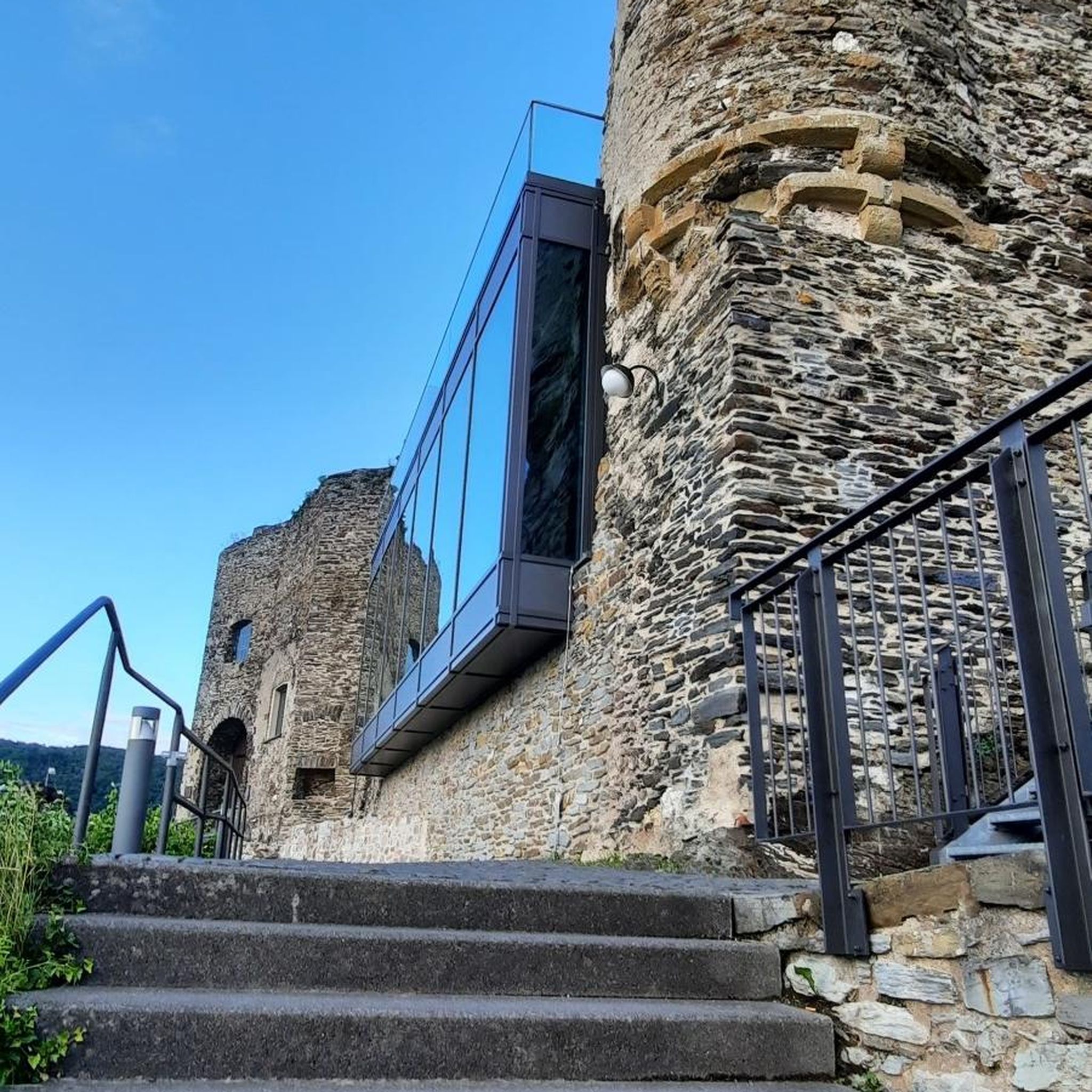
In 1073, the castle already exists; the first known lord was Guillaume de la Rochandry at the beginning of the 12th century. The 1449 inscription on the castle attests to its reconstruction following the destruction caused by the Hundred Years War. In 1505, Jean de Sainte-Maure, lord of Jonzac, founded the Carmelite monastery on the remains of an old chapel dedicated to Saint Nicolas. The cloister was built in 1657. The young Louis XIV, the Queen Mother and Mazarin stayed at the castle in 1659. The castle remained at Sainte-Maure until the end of the 17th century, then passed through marriage to Espardes de Lussan, which transformed the fortress in beautiful stately home with neat ornamentation and guard until the Revolution. Currently the north wing of the castle houses the buildings of the Town Hall (restored in the 19th century), and the south wing, those of the sub-prefecture. The cloister was restored between 1976 and 1978, and now houses a cultural center, with exhibition halls and an archaeological museum. The towers, postern and fountain in the basement date from the 12th century. Of the old feudal castle, only the postern and an isolated tower remain, connected to the main body by a large hall. The moat in front of the drawbridge was filled was filled in the 19th century. It was reopened at the beginning of the 21st century. The imposing gatehouse is marked 1549 and therefore dates from the 16th century, a period of work including the north-west tower, while the south-west tower, of a smaller diameter, is from the 17th century. The towers flanking the postern have retained their defenses. At each, the loopholes have been retained or enlarged. Stone stairs serve each floor and access the walkway. This passage seems to have been discovered, as evidenced by the gargoyles. The crenellation includes machicolations with archers in the middle of the merlons. The slate roofs are high pepperboxes on the towers, and a curious set with two sides connecting two pepperboxes for the gatehouse The fountain located in the basement of the sub-prefecture, has a niche and a niche frame decorated with sculptures imitating stalactites. Carved mask. The fountain was probably built by Léon de Sainte-Maure, Count of Jonzac, who enlarged and embellished the castle in the middle of the 12th century. In a former courtyard of the castle, a theater was built in the 19th century. It is a round building with approximately 300 seats.
0
0
The Seugne crosses a single department, in this case that of Charente-Maritime, watering thirty-six communes and seven cantons. The Seugne has its source in the canton of Montlieu-la-Garde, then crosses the cantons of Montendre, Jonzac, Saint-Genis-de-Saintonge, Pons, Gémozac and, finally, confluences in the canton of Saintes-Est. The Seugne has eighteen tributaries or referenced arms. The old forms of the name Seugne are flumen Soenna around 1100, Sonye in 1280, la Soyngna in 1322, la Soyngnhe in 1354, aqua Soynnie in 1363, Souaigne in 1494. The current pronunciations, Seugne and Souègne, are based on a medieval form Soïgne, which the scribes of the 13th and 14th centuries had difficulty transcribing. According to Duguet, a more recent spelling, Seuigne was misread and interpreted Sévigne in the 19th century.
0
0

The Moulin de la Baine dates from the 17th century. You will now find a restaurant and a magnificent view of the Charente.
0
0

よくある質問
クラム地域には、交通量の少ないサイクリングロードはいくつありますか?
クラム地域では、30以上の専用の交通量の少ないサイクリングロードが提供されています。これらのルートは、車両の交通から離れた平和で楽しい体験を提供するために慎重にキュレーションされています。
クラムには、初心者向けの交通量の少ないサイクリングロードはありますか?
はい、クラム地域は初心者や楽なライドを求める方に最適で、14のイージー評価の交通量の少ないサイクリングロードがあります。まずは、この地域の静かな道を優しく紹介してくれるジョンザックからのロードバイクループを試してみてはいかがでしょうか。
クラムの交通量の少ないサイクリングロードの典型的な長さと所要時間はどのくらいですか?
クラム地域のルートは様々ですが、多くは半日または終日の楽しいサイクリング excursions になるように設計されています。例えば、ジョンザックからのジョンザック城ループは約47.5キロメートルで所要時間約2時間ですが、シャドナックからのサン・マルタン・ド・モワーズ教会ループはより長く、約54.6キロメートルで所要時間約2時間15分です。
クラム地域には、周回型の交通量の少ないサイクリングロードはありますか?
もちろんです!クラムの交通量の少ないサイクリングロードの多くはループ型に設計されており、同じ場所からスタートして同じ場所に戻ることができます。シャドナックからのロードバイクループは、田園地帯を巡る便利な周回ルートの良い例です。
クラムの交通量の少ないサイクリングロード沿いでは、どのような観光スポットを見ることができますか?
クラム地域では、歴史的および文化的な見どころが魅力的に組み合わさっています。サイクリング中には、印象的なジョンザック城、静かなサン・ポール礼拝堂、または歴史的なクリオンのサン・アンドレ教会などのランドマークに出会うかもしれません。また、地元の遺産を垣間見ることができるユニークなロバの橋や工芸品と農村博物館もあります。
他のロードサイクリストは、クラムの交通量の少ないルートのどこを最も楽しんでいますか?
クラム地域はkomootコミュニティから高く評価されており、平均スコアは5つ星中4.7です。レビューでは、ルートの静けさ、美しい田園風景、そして交通量の多さに邪魔されずに魅力的な村や歴史的な場所を探索できる機会がしばしば称賛されています。
クラム地域は、家族向けの交通量の少ないサイクリングに適していますか?
イージーおよびミディアム評価の交通量の少ないルートが豊富にあるため、クラム地域は一般的に家族連れに非常に適しています。静かな田舎道は、あらゆる年齢のサイクリストにとって安全で楽しい環境を提供します。最も家族向けのオプションについては、「イージー」とマークされたルートを探してください。
クラムで交通量を避けてロードバイクに乗るのに最適な季節は何ですか?
ルートは一年中交通量が少ないように設計されていますが、春と秋はクラムでのロードバイクに特に快適な時期です。気候は通常穏やかで、自然の風景は鮮やかで、快適で絵のように美しいライドを楽しむことができます。夏の午前中または午後の遅い時間帯も、日中の暑さを避けるのに最適です。
クラムの交通量の少ないサイクリングロード沿いには、カフェや休憩できる場所はありますか?
多くのルートは、ジョンザックやシャドナックのような小さな町や村を通過するか、その近くを通ります。そこでは、地元のカフェ、パン屋、または小さなお店で休憩や補給ができます。komootでルートを計画すると、これらの潜在的な休憩場所を事前に特定できます。
クラム地域の交通量の少ないロードバイク用トレイルの駐車場はどこにありますか?
駐車場は通常、ジョンザックやシャドナックのような多くのルートの出発点となる町や村にあります。これらの場所には公共の駐車場があり、ライドに出かける前に車を安全に駐車できます。
クラムには、経験豊富なライダー向けの、中程度の難易度の交通量の少ないサイクリングロードはありますか?
はい、もう少し挑戦したい方のために、20のミディアム評価の交通量の少ないサイクリングロードが利用可能です。シャドナックからのシャトー・ダルス – ラ・フレナード修道院ループは、変化に富んだ地形と美しい景色を提供する、素晴らしいミディアムオプションです。
クラムでのの人気観光スポット

komootモバイルアプリでインスピレーションを得よう


さらに探索
他の地域の最高のロードサイクリングルートを見てみましょう。
