コネレ周辺のおすすめ交通量の少ないサイクリングルート
4.4
(39)
1,566
ライダー
177
ライド
Connerré周辺の交通量の少ないロードサイクリングルートは、サイクリストに多様な地形を提供するフランスのサルテ県に位置しています。この地域は、起伏のあるエリア、ロワール川やサルテ川のような平坦な河谷、そしてベルセの森(Forêt de Bercé)のような広大な国有林が特徴です。緑の道と絵のように美しいボカージュの景観のネットワークは、車両交通から離れたサイクリングの多くの選択肢を提供します。この多様な地形は、さまざまなサイクリング能力に適しています。
Connerré周辺の交通量の少ないロードサイクリングルート ベスト
- 最も人気のある交通量の少ないロードサイクリングルートは、Connerré Beillé発サン・シンフォリアン教会ループで、所要時間2時間10分の距離28.8マイル(46.3 km)のトレイルです。この適度な難易度のルートは、1,200フィート(約365メートル)を超える顕著な標高差があります。
- 地元のロードサイクリストの間で次に人気が高いのは、Montfort-le-Gesnois発メンヒル・ド・ラ・ベルジェール – シャンパニエの製粉所ループで、適度な難易度の距離26.9マイル(43.3 km)のパスです。このルートは、サイクリストを地元の田園地帯へと導き、歴史的建造物や自然の景観を通過します。
- 地元のロードサイクリストに愛されているのは、Parigné-l'Évêque発リレット – Connerré Beillé発スムーズな林道ループで、距離42.2マイル(67.9 km)のトレイルは、滑らかな林道と田園風景を通り抜け、所要時間は約2時間45分です。
- Connerré周辺のロードサイクリングは、起伏のある地形、静かな河谷、そして広大な森林が特徴です。このネットワークは、簡単なルート、適度な難易度のルート、そしてより挑戦的なルートの選択肢を提供し、さまざまなスキルレベルに対応します。
- Connerréのルートは、komootコミュニティから高く評価されており、30件以上のレビューで平均4.5つ星を獲得しています。1,400人以上のロードサイクリストがkomootを利用して、Connerréの多様な地形を探索しています。
最終更新日: 9月 22, 2026
24
ライダー
58.6km
02:26
330m
330m
中程度のロードライド. ある程度のフィットネスレベルが必要です。 ツアーの一部に、未舗装のため走行が難しい箇所があるかもしれません。
24
ライダー
68.3km
02:46
330m
330m
中程度のロードライド. ある程度のフィットネスレベルが必要です。 全般的に舗装状態が良好で走行しやすい道です。

9
ライダー
46.4km
02:03
350m
350m
中程度のロードライド. ある程度のフィットネスレベルが必要です。 全般的に舗装状態が良好で走行しやすい道です。
10
ライダー
40.7km
01:38
160m
160m
中程度のロードライド. あらゆるフィットネスレベルに適しています。 ツアーの一部に、未舗装のため走行が難しい箇所があるかもしれません。
16
ライダー
44.4km
01:45
210m
210m
初級者向けロードバイクライド. あらゆるフィットネスレベルに適しています。 全般的に舗装状態が良好で走行しやすい道です。
さらに多くのルートや他のユーザーのおすすめ情報を確認できます。
すでにアカウントをお持ちですか?
おすすめのツアーは他のkomootユーザーが実際に経験した何千ものアクティビティに基づいています。
無料アカウントで今日から始めよう
次の冒険が待っています。

コミュニティからのヒント


Placed in a self-service distributor 7 days a week, 24 hours a day, if you have a craving for rillettes! Butcher, bakery and Spar right next door
0
0
Very pleasant for a moment of relaxation
0
0

In this architecture we find different styles and periods, from the 12th, 15th, 16th to the 19th century, including Gothic and Neo-Romanesque. Romanesque bays and foothills. Stained glass window and 16th century font as well as the current apse and the two side chapels. The south door with its lintel and its straight feet decorated with rosettes and diamonds. The church had stained glass windows from the end of the 15th and beginning of the 16th century. Fragments exist in the speckles and spandrels of the bay of the Rosary Chapel, listed in 1983. The stained glass windows are almost all dated and signed by the same glass painter between 1885-1889 "af Paris" probably Anselme Fialex, son of François Fialex who was a glass painter in Mayet Creation of an entrance to the square as well as the opening of new 19th century bays. the vault, paneled and undoubtedly painted from the beginning, was redone in 1602 with restoration in the 19th century, when a new decoration was painted. The main altar dates from 1867.
0
0
Located in the heart of Connerré, the Catholic church of Saint Symphorien is an essential historical monument of the city. With its Gothic architecture and colorful stained glass windows, this church offers visitors a unique experience. It is a place of worship as well as a place to visit for all architecture and history enthusiasts. The beauty of Saint Symphorien leaves no one indifferent, whether for a simple visit or to attend a mass. Its doors are open to all and everyone can find a place of meditation and peace there. Don't hesitate to take a trip there to discover the richness of this monument steeped in history.
0
0


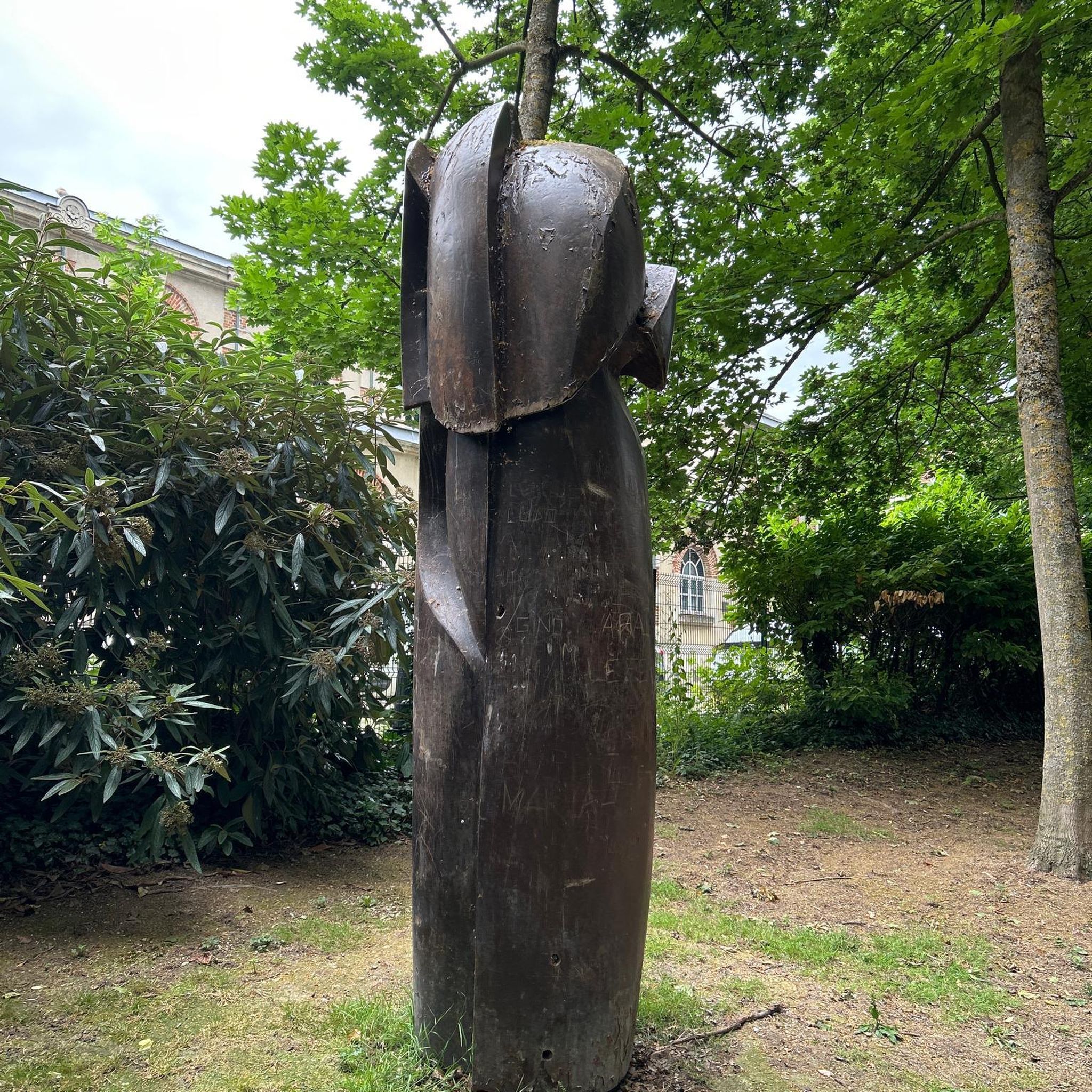
The Palets de Gargantua is a megalithic structure that was originally a dolmen. Looking at it in its environment, one can't help but wonder which came first: the rock...or the tree...? The tree trunk giving way to the rock of course gives the answer to this question.
2
0
A place conducive to hiking and a pleasant setting. A beach at one end of the lake allows you to rest.
2
0
よくある質問
コネール周辺には、交通量の少ないロードサイクリングルートはいくつありますか?
コネール周辺には170以上の専用の交通量の少ないロードサイクリングルートがあり、静かな道と景色の良いライドを求めるサイクリストに幅広い選択肢を提供しています。
コネール近郊の交通量の少ないロードサイクリングルートでは、どのような地形が期待できますか?
サルト県内のコネール周辺地域は、多様な地形を提供しています。「アルプス・マンセル」方面(北側)に向かうにつれて起伏のあるエリアがあり、より挑戦的な登り坂が楽しめます。サルト川やルール川のような平坦な河谷は、よりゆったりとしたライドに適しています。多くのルートは舗装状態が良く、ロードサイクリングに最適です。
コネールには、初心者や家族連れに適した、交通量の少ない簡単なロードサイクリングルートはありますか?
はい、コネール周辺には約33本の交通量の少ない簡単なロードサイクリングルートがあります。これらのルートは一般的に平坦で短いため、初心者、家族連れ、またはリラックスしたライドを求める方に最適です。例として、モンフォール=ル=ジェスノワ発の「ガルガンチュワの円盤ループ」(Gargantua's Palet loop from Montfort-le-Gesnois) があり、これは簡単なレベルに分類されています。
これらの交通量の少ないサイクリングルート沿いでは、どのような自然景観やランドマークを見ることができますか?
多くのルートは、ベルセの森のような広大な森林、ルール川やサルト川の穏やかな河谷、魅力的なボカージュ(生垣の景観)など、絵のように美しい風景の中を通過します。歴史的な場所に出会うこともあります。特定の興味深い場所については、「ルドン池」や歴史的な「ラ・シェロンヌ城」を訪れることを検討してください。どちらもこの地域のさまざまなルートからアクセス可能です。
コネール周辺には、交通量の少ないロードサイクリングの周回ルートはありますか?
はい、コネール周辺の交通量の少ないロードサイクリングルートの多くはループ状に設計されており、同じ場所からスタートしてフィニッシュすることができます。例えば、コネール・ベイエ発の「サン・シンフォリアン教会ループ」(Saint Symphorien Church loop from Connerré Beillé) は、中程度の難易度の周回ライドを提供しています。
コネールでの交通量の少ないロードサイクリングに最適な時期はいつですか?
コネールでのロードサイクリングに最も快適な時期は、一般的に春と秋で、気温も穏やかで景色も美しいです。夏も楽しめますが、特にベルセの森のような日陰の多い森林ルートをサイクリングする際には快適です。外出する前に必ず現地の天気予報を確認してください。
コネール周辺の交通量の少ないロードサイクリングルートは、通常どのくらいの長さですか?
ルートの長さは大きく異なります。ちょっとした外出に最適な短いライドから、より長く挑戦的なルートまで見つけることができます。例えば、モンフォール=ル=ジェスノワ発の「メンヒル・ドゥ・ラ・ベルジェール – シャンパニエ水車小屋ループ」(Menhir de la Bergère – Champagné Mill loop from Montfort-le-Gesnois) は約43kmですが、コネール・ベイエ発の「リレット・ドゥ・パルニエ=レ=エペック – 滑らかな林道ループ」(Rillette from Parigné-l'Évêque – Smooth Forest Road loop from Connerré Beillé) は約68kmに及びます。
コネールでのロードサイクリングについて、他のサイクリストはどのように評価していますか?
komootコミュニティはコネール周辺のロードサイクリング体験を高く評価しており、平均スコアは5つ星中4.5です。レビューでは、静かで整備された道、森林から河谷に至る多様な景観、そして交通量の多い場所を避けて魅力的な村々を探索できる機会がしばしば称賛されています。
交通量の少ないルートで、より高度なロードサイクリスト向けの挑戦的なオプションはありますか?
はい、多くのルートは中程度ですが、この地域にはより高度なサイクリスト向けのオプションもあります。「アルプス・マンセル」方面の起伏のある地形は、挑戦的な登り坂の機会を提供します。ヌイエ=ル=ジャレ発の「パノラマ尾根 – シャンパニエ水車小屋ループ」(Panoramic Ridge – Champagné Mill loop from Nuillé-le-Jalais) のような獲得標高の高いルートは、良いトレーニングになります。
サルテ県全体のサイクリングインフラやその他のルートに関する情報はどこで見つけられますか?
サルテ県はサイクリングに適しており、ヴュロセニーやロワール・ア・ヴェロなどの主要ルートの一部を含む約1,000キロメートルのルートがあります。ロワール渓谷全体のサイクリングに関する詳細については、サルテ観光局のウェブサイト(Sarthe Tourisme's website) をご覧ください。このサイトでは、この地域の他のサイクリングルートに関する詳細も提供しています。
コネレでのの人気観光スポット

komootモバイルアプリでインスピレーションを得よう


さらに探索
他の地域の最高のロードサイクリングルートを見てみましょう。
