ラロダデアンダルシア周辺のおすすめ交通量の少ないサイクリングルート
4.6
(9)
688
ライダー
18
ライド
La Roda De Andalucía 周辺の交通量の少ないロードサイクリングルートは、広大なオリーブ畑に覆われた広大な農耕地と起伏のある丘陵地帯を特徴とする景観を走ります。この地域はシエラ・スール内に位置し、スブ・バエティック山脈に接しており、変化に富んだ地形を提供しています。サイクリストは、特にラ・グーナ・デ・フエンテ・デ・ピエドラのような自然の景観の周りで、起伏のある地形と手入れの行き届いた小道を期待できます。
La Roda De Andalucía 周辺の交通量の少ないロードサイクリングルート ベスト
- 最も人気のある交通量の少ないロードサイクリングルートは、フエンテ・デ・ピエドラ・ラグーン・サーキュラー・ルートです。これは、所要時間1時間19分、距離19.0マイル(30.7 km)のイージールートです。このルートからは、フラミンゴのコロニーで知られるラ・グーナ・デ・フエンテ・デ・ピエドラの景色を楽しめます。
- 地元のロードサイクリストの間で次に人気があるのは、フエンテ・デ・ピエドラ・ラグーン – フエンテ・デ・ピエドラ発、アンテケーラのドルメンを巡るループです。これは、距離45.6マイル(73.5 km)のミディアムルートです。このルートは、景色の良いラグーンの眺めと、歴史的なアンテケーラのドルメンへの旅を組み合わせています。
- 地元のロードサイクリストに人気なのは、オリーブ畑を抜ける道 – ラ・ロダ・デ・アンダルシア発、フエンテ・デ・ピエドラのループです。これは、広大なオリーブ畑と農耕地を抜ける距離41.8マイル(67.3 km)のルートで、所要時間は約2時間42分です。
- La Roda De Andalucía 周辺のロードサイクリングは、起伏のあるオリーブ畑、農耕平野、そしてラ・グーナ・デ・フエンテ・デ・ピエドラの自然の湿地帯によって特徴づけられます。このネットワークは、ゆったりとしたライドと、変化に富んだ高低差のあるより挑戦的なルートの両方のオプションを提供します。
- La Roda De Andalucía のルートは、komootコミュニティから高く評価されており、7件のレビューで平均4.4つ星を獲得しています。600人以上のロードサイクリストがkomootを利用して、La Roda De Andalucía の変化に富んだ地形を探検しています。
最終更新日: 10月 5, 2026
5.0
(1)
2
ライダー
30.7km
01:19
240m
240m
初級者向けロードバイクライド. あらゆるフィットネスレベルに適しています。 全般的に舗装状態が良好で走行しやすい道です。
30
ライダー
75.4km
03:10
470m
470m
中程度のロードライド. ある程度のフィットネスレベルが必要です。 全般的に舗装状態が良好で走行しやすい道です。

38
ライダー
70.1km
02:54
460m
460m
中程度のロードライド. ある程度のフィットネスレベルが必要です。 ツアーの一部に、未舗装のため走行が難しい箇所があるかもしれません。
17
ライダー
60.8km
02:33
380m
380m
中程度のロードライド. ある程度のフィットネスレベルが必要です。 全般的に舗装状態が良好で走行しやすい道です。
5.0
(2)
27
ライダー
71.8km
03:06
590m
590m
中程度のロードライド. ある程度のフィットネスレベルが必要です。 全般的に舗装状態が良好で走行しやすい道です。
さらに多くのルートや他のユーザーのおすすめ情報を確認できます。
すでにアカウントをお持ちですか?
おすすめのツアーは他のkomootユーザーが実際に経験した何千ものアクティビティに基づいています。
無料アカウントで今日から始めよう
次の冒険が待っています。
ラロダデアンダルシア周辺で人気
コミュニティからのヒント

The Laguna de Fuente de Piedra provides an important habitat for large flamingo colonies and is one of the most significant breeding grounds for this bird species in Europe. The shallow salt lagoon offers ideal conditions for the birds, allowing them to be observed there in large numbers, especially during the warmer months.
1
0
Laguna de Fuente de Piedra is home to large flamingo colonies and is considered one of the most important breeding grounds for this bird species in Europe, where they can be observed particularly well in the warmer months.
3
0
The Vicaría Observatory (Mirador) is an official viewpoint at the Fuente de Piedra Lagoon and is one of the most important observation points in the nature reserve. From here, there is a good overview of the shallow salt lagoon.
2
0

The Conjunto Arqueológico Dólmenes de Antequera (Antequera Dolmens Archaeological Site) is one of the most important prehistoric sites in Europe and is located on the outskirts of Antequera in Andalusia, directly on the Carretera de Málaga (Málaga Highway). The site comprises three large megalithic tombs – the Dolmen de Menga, the Dolmen de Viera, and the Tholos de El Romeral – as well as the two natural monuments Peña de los Enamorados and El Torcal de Antequera. Together, they have formed a UNESCO World Heritage Site since 2016, uniquely demonstrating the connection between humankind, architecture, and landscape. The Dolmen de Menga is the largest structure in the site and is among the most impressive megalithic tombs in Europe. It was built between approximately 3800 and 3600 BC and consists of enormous stone blocks assembled to form a long burial chamber. Particularly noteworthy is its alignment with the rock Peña de los Enamorados, suggesting a symbolic or ritual significance. Human remains and grave goods were found inside. Just a few meters away is the Dolmen de Viera, which is somewhat smaller and more classically constructed. It was built between approximately 3500 and 3000 BC and is oriented precisely to the east, so that sunlight falls directly into the burial chamber at the equinox. The third structure, the Tholos de El Romeral, lies about four kilometers away and dates from the Copper Age, around 2500 BC. Its circular shape and corbelled vault distinguish it from the older dolmens and represent a further development of the architectural techniques of that time.
0
0
The city gate of Antequera was built in 1749 in the Baroque style, demolished in the 19th century, and faithfully reconstructed in the 1990s. Today, the Puerta de Estepa is a symbolic gateway to the city.
3
0
Fuente de Piedra is a charming village whose name derives from an ancient spring believed to possess healing powers. The area was already settled in Roman times, and the spring was then referred to as "Fons Divinus." In the Middle Ages, a small settlement grew up around the spring, which later acquired its present name. During the 18th and 19th centuries, Fuente de Piedra was a renowned spa town thanks to its mineral waters, until the spring dried up. Today, the village's name evokes this past, while its history remains closely intertwined with the use and veneration of the water.
1
0
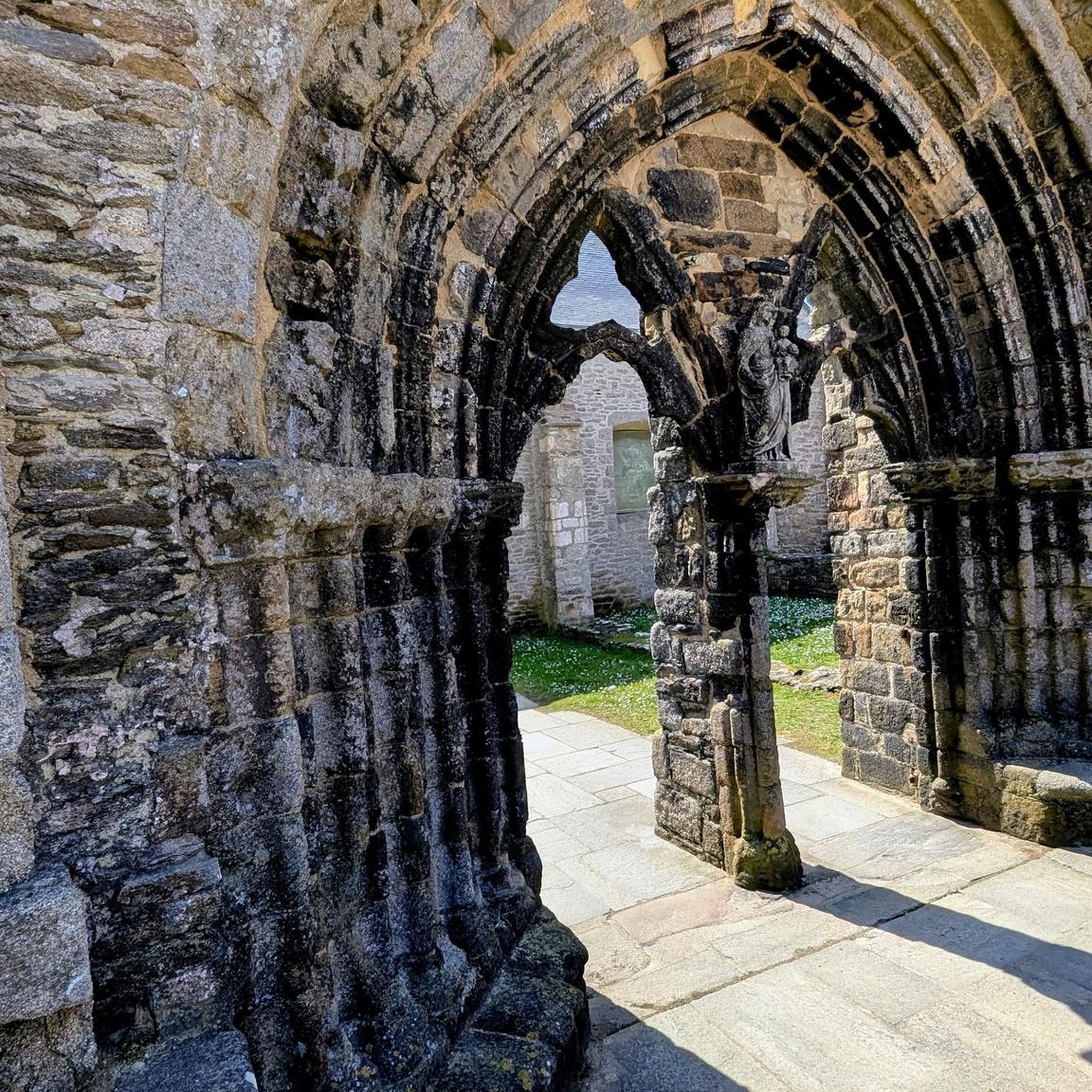
The Parish Church of Our Lady of the Immaculate Conception (Iglesia Parroquial de Nuestra Señora de la Inmaculada Concepción) is the main church of Alameda and is located in the town center. Built in 1633, it has been expanded several times over the centuries, including the 18th century with the addition of side aisles and a Baroque chapel. The church displays typical elements of Andalusian Baroque architecture, with a simple stone and brick facade and a striking round-arched portal. Inside, the high nave, flanked by two lower side aisles, and a barrel-vaulted ceiling create a harmonious atmosphere. The church is particularly famous as the burial place of the legendary bandit El Tempranillo, who died in Alameda in 1833. It also houses an elaborate image of the Virgen de los Dolores (Virgin of Sorrows), created in 1940 by the sculptor Castillo Lastrucci. The church is now a listed building and is considered one of the most important historical buildings in the town, combining both religious and cultural history.
2
0
よくある質問
ラ・ロダ・デ・アンダルシア周辺には、交通量の少ないサイクリングロードはいくつありますか?
ラ・ロダ・デ・アンダルシア周辺には、16本の専用交通量少なめロードサイクリングルートがあり、サイクリストに様々な体験を提供します。これらのルートは、地域の景色の良い風景の中を穏やかなライドを楽しめるように設計されています。
交通量の少ないサイクリングロードの難易度はどのくらいですか?
ラ・ロダ・デ・アンダルシア周辺のルートは、様々なスキルレベルに対応しています。リラックスしたライドに最適な易しいルートが4本、もう少し挑戦したい方向けの普通レベルのルートが12本あります。この選択肢の中には難しいルートはリストされておらず、アクセスしやすく楽しいサイクリングに重点が置かれています。
これらの交通量の少ないサイクリングロードでは、どのような景色が楽しめますか?
広大なオリーブ畑と緩やかに起伏する丘が特徴的な、典型的なアンダルシアの田園風景の中をサイクリングするのを期待してください。多くのルートでは、重要な自然のラグーンであるラゴナ・デ・フエンテ・デ・ピエドラや、この地域を特徴づける穏やかな農業景観の絵のように美しい景色を楽しめます。ルートは、その静けさと自然の美しさのために選ばれています。
家族向けの交通量の少ないサイクリングロードはありますか?
はい、いくつかのルートは家族連れに適しており、特に易しい評価のオプションがあります。ラゴナ・デ・フエンテ・デ・ピエドラ周辺のエリアは、整備された道や小道があり、一般的に平坦なので、リラックスした家族での外出に最適です。ラス・ラゴナス・グリーンウェイは、ここでは明示的にルートとしてリストされていませんが、この広い地域には専用の、しばしば平坦な道が存在することを示唆しており、リラックスしたサイクリングに最適です。
交通量の少ないサイクリングロード沿いには、どのような見どころがありますか?
多くのルートでは、フラミンゴが見られるかもしれない素晴らしいフエンテ・デ・ピエドラ湖を通り過ぎます。特に春と秋にはフラミンゴが見られるかもしれません。野生生物観察のために、バードウォッチングタワーを訪れることもできます。その他の見どころには、ヘニル川の蛇行や歴史的なフエンサントの聖母礼拝堂があり、ライドに文化的な興味を加えてくれます。
ラ・ロダ・デ・アンダルシアでのロードサイクリングについて、他のサイクリストはどのように言っていますか?
komootコミュニティはこのエリアでのロードサイクリングを高く評価しており、平均スコアは4.4つ星です。レビューでは、静かで景色の良い道、美しいオリーブ畑、そして平和な雰囲気がしばしば称賛されており、交通量の少ないロードサイクリングの理想的な目的地となっています。
円形の交通量の少ないサイクリングロードはありますか?
はい、交通量の少ないロードサイクリングのために設計された円形のルートがいくつかあります。人気のオプションは、自然の湖の周りを巡る景色の良いループを提供するフエンテ・デ・ピエドラ湖円形ルートです。もう一つの素晴らしい選択肢は、ラ・ロダ・デ・アンダルシアからのオリーブ畑を抜ける道 – フエンテ・デ・ピエドラループで、同じ場所からスタートして終了しながら地元の風景を楽しむことができます。
ラ・ロダ・デ・アンダルシアで交通量の少ないロードサイクリングを楽しむのに最適な時期はいつですか?
ラ・ロダ・デ・アンダルシアは、一年を通してサイクリングに適した気候に恵まれています。特に春と秋は、穏やかな気温とラゴナ・デ・フエンテ・デ・ピエドラでフラミンゴを見るチャンスを含む、鮮やかな自然の風景で、特に快適です。冬でも良いサイクリングコンディションですが、夏は暑くなることがあるため、早朝または夕方のライドが好ましいです。
サイクリングとバードウォッチングのような他のアクティビティを組み合わせたルートを見つけることはできますか?
もちろんです!ラゴナ・デ・フエンテ・デ・ピエドラ周辺のルートは、サイクリングと野生生物観察を組み合わせるのに最適です。この重要な湿地は、特に春と秋に鮮やかなフラミンゴの大コロニーで有名です。体験をさらに豊かにするために、バードウォッチングタワーでライドを一時停止することができます。
経験豊富なライダー向けの、より長い交通量の少ないロードサイクリングルートはありますか?
このガイドは交通量の少ないルートに焦点を当てていますが、いくつかの普通レベルのオプションはより長い距離を提供します。例えば、フエンテ・デ・ピエドラからのフエンテ・デ・ピエドラ湖 – アンテケーラのドルメンループは、73kmを超える普通レベルのルートで、変化に富んだ地形と重要なランドマークを巡る充実したライドを提供します。
これらの交通量の少ないロードサイクリングルートにアクセスするために、車をどこに駐車できますか?
多くのルートは、ラ・ロダ・デ・アンダルシアやフエンテ・デ・ピエドラのような町から始まります。これらの町では、通常、公共の駐車場を見つけることができます。ラゴナ・デ・フエンテ・デ・ピエドラ周辺のルートの場合、「ホセ・アントニオ・バルベルデ」ビジターセンターが、駐車場を備えた便利な出発点となり、地域の情報を提供しています。
ラロダデアンダルシアでのの人気観光スポット

komootモバイルアプリでインスピレーションを得よう


