マーサイク周辺のおすすめ交通量の少ないサイクリングルート
4.4
(6466)
54,724
ライダー
1,244
ライド
Maaseikの交通量の少ないサイクリングルートは、マース川の谷、数多くのウォータープラッセン、広大な緑の森に囲まれたリンブルフ州の多様な景観を提供します。この地域の地形は一般的に平坦から緩やかな起伏であり、アクセスしやすい道を探しているツーリングサイクリストに最適です。また、森からヒースランドまで多様な環境を特徴とするホーヘ・ケンペン国立公園の北部へのアクセスも提供します。リンブルフで最も狭い部分に位置するマースアイクでは、オランダへの国境を越えたサイクリング体験が可能です。
Maaseik周辺の交通量の少ない最高のツーリングサイクリングルート
- 最も人気のある交通量の少ないツーリングサイクリングルートは、ボスラントの木々の中をサイクリングで、22.6マイル(36.3 km)のトレイルで、所要時間は2時間14分です。この適度な難易度のルートは、鬱蒼とした森の樹冠を抜ける高架の道をサイクリングするというユニークな体験を提供します。
- 地元のツーリングサイクリストの間で次に人気が高いのは、マース川と鉱山の間のサイクリング - リンブルフで、適度な難易度の30.1マイル(48.4 km)の道です。このルートは、マース川の対照的な景観と地域の鉱業の遺産を紹介しています。
- 地元のツーリングサイクリストに愛されているもう一つのルートは、鉄道沿い – フラームス・ナトゥールレゼルヴァート・テンハーグドゥルンハイデからのアルバート運河アーチ橋ループで、30.1マイル(48.5 km)のトレイルは、自然保護区を通り抜け、アルバート運河沿いを走り、所要時間は約2時間51分です。
- Maaseik周辺のツーリングサイクリングは、景色の良いマース川の谷、静かなウォータープラッセン、緑豊かな森に特徴づけられ、ルートは簡単、中程度、より挑戦的な難易度レベルのオプションを提供しています。
- Maaseikのルートはkomootコミュニティから高く評価されており、4000件以上のレビューから平均4.4つ星のスコアを獲得しています。44,000人以上のツーリングサイクリストがkomootを使用してMaaseikの多様な地形を探索しています。
最終更新日: 9月 15, 2026
4.6
(293)
1,669
ライダー
38.8km
02:19
80m
80m
中程度の自転車ライド. ある程度のフィットネスレベルが必要です。 全般的に舗装された状態です。あらゆるスキルレベルに適しています。
4.7
(77)
484
ライダー
48.4km
02:47
150m
150m
中程度の自転車ライド. ある程度のフィットネスレベルが必要です。 全般的に舗装された状態です。あらゆるスキルレベルに適しています。

4.4
(40)
161
ライダー
51.4km
03:00
80m
80m
中程度の自転車ライド. ある程度のフィットネスレベルが必要です。 全般的に舗装された状態です。あらゆるスキルレベルに適しています。
4.6
(508)
2,375
ライダー
36.5km
02:06
90m
90m
中程度の自転車ライド. ある程度のフィットネスレベルが必要です。 全般的に舗装された状態です。あらゆるスキルレベルに適しています。
4.6
(30)
141
ライダー
41.2km
02:23
80m
80m
中程度の自転車ライド. ある程度のフィットネスレベルが必要です。 全般的に舗装された状態です。あらゆるスキルレベルに適しています。
さらに多くのルートや他のユーザーのおすすめ情報を確認できます。
すでにアカウントをお持ちですか?
おすすめのツアーは他のkomootユーザーが実際に経験した何千ものアクティビティに基づいています。
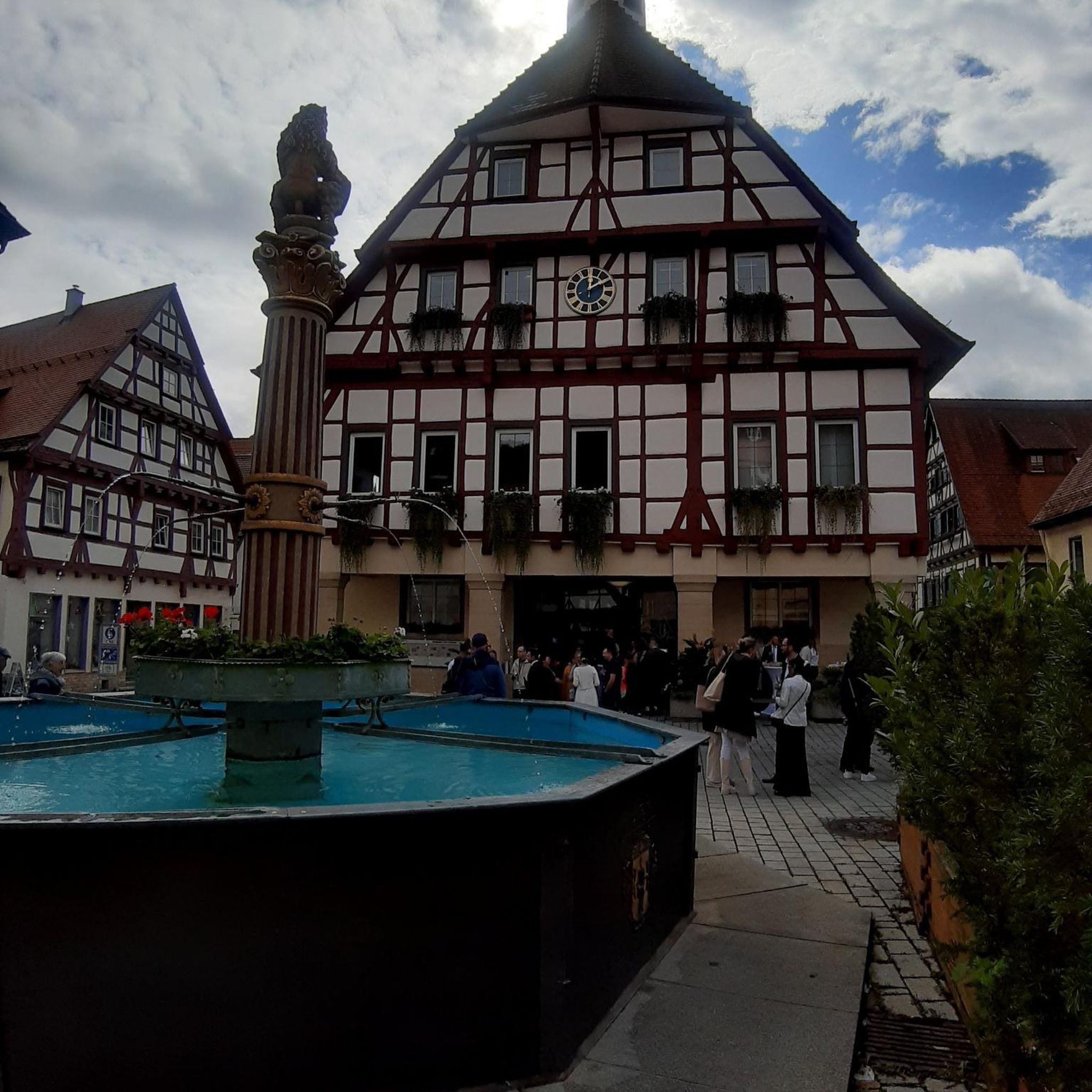
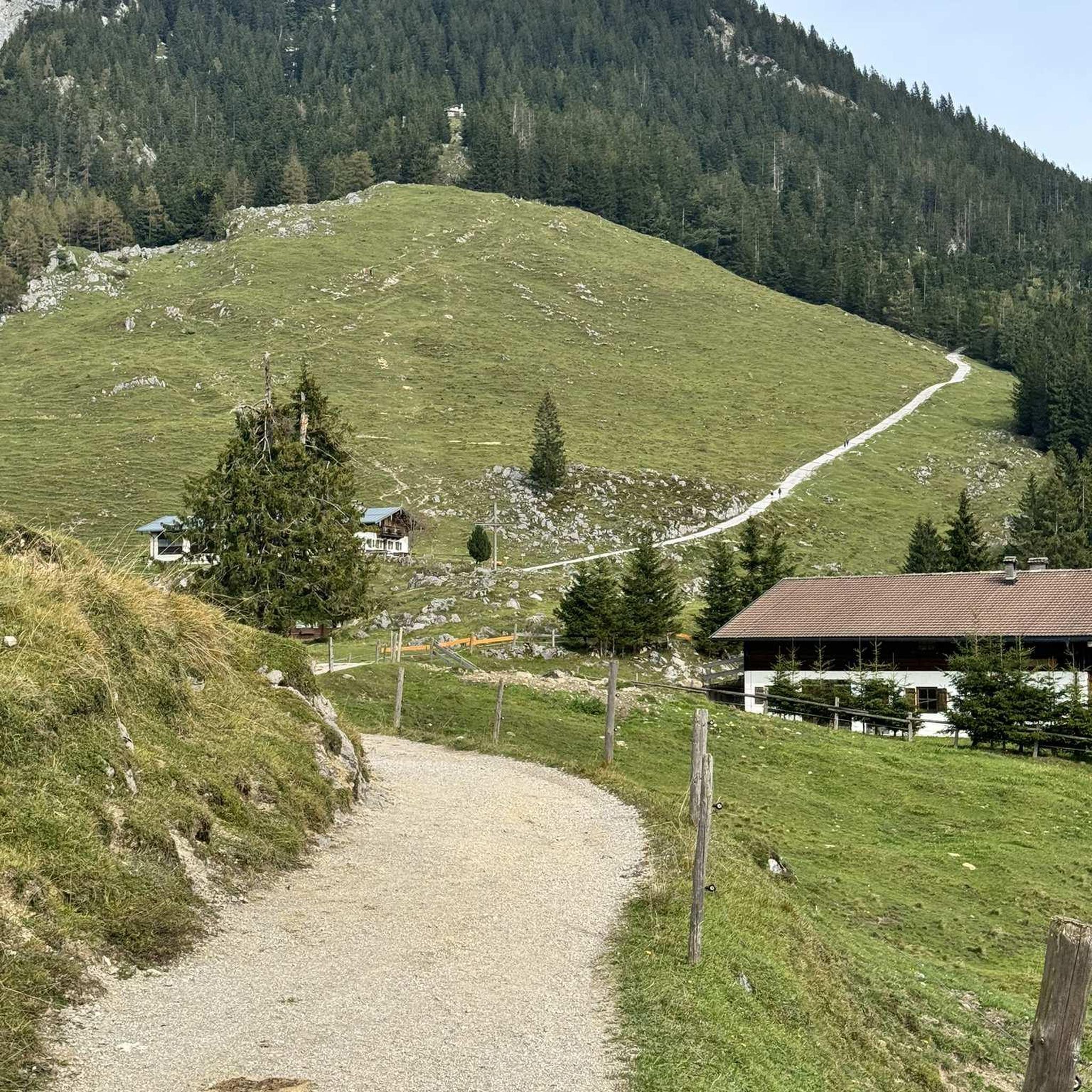
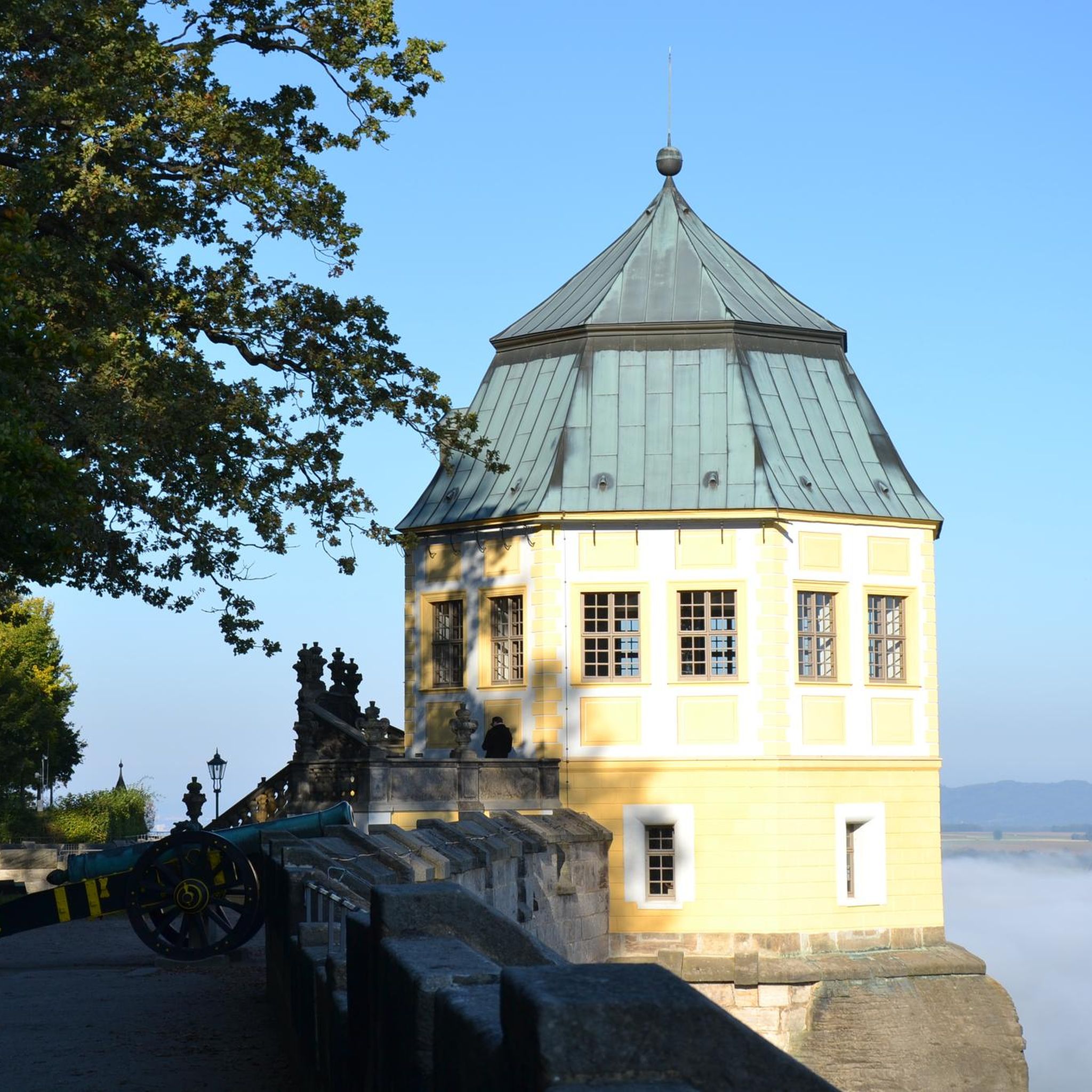




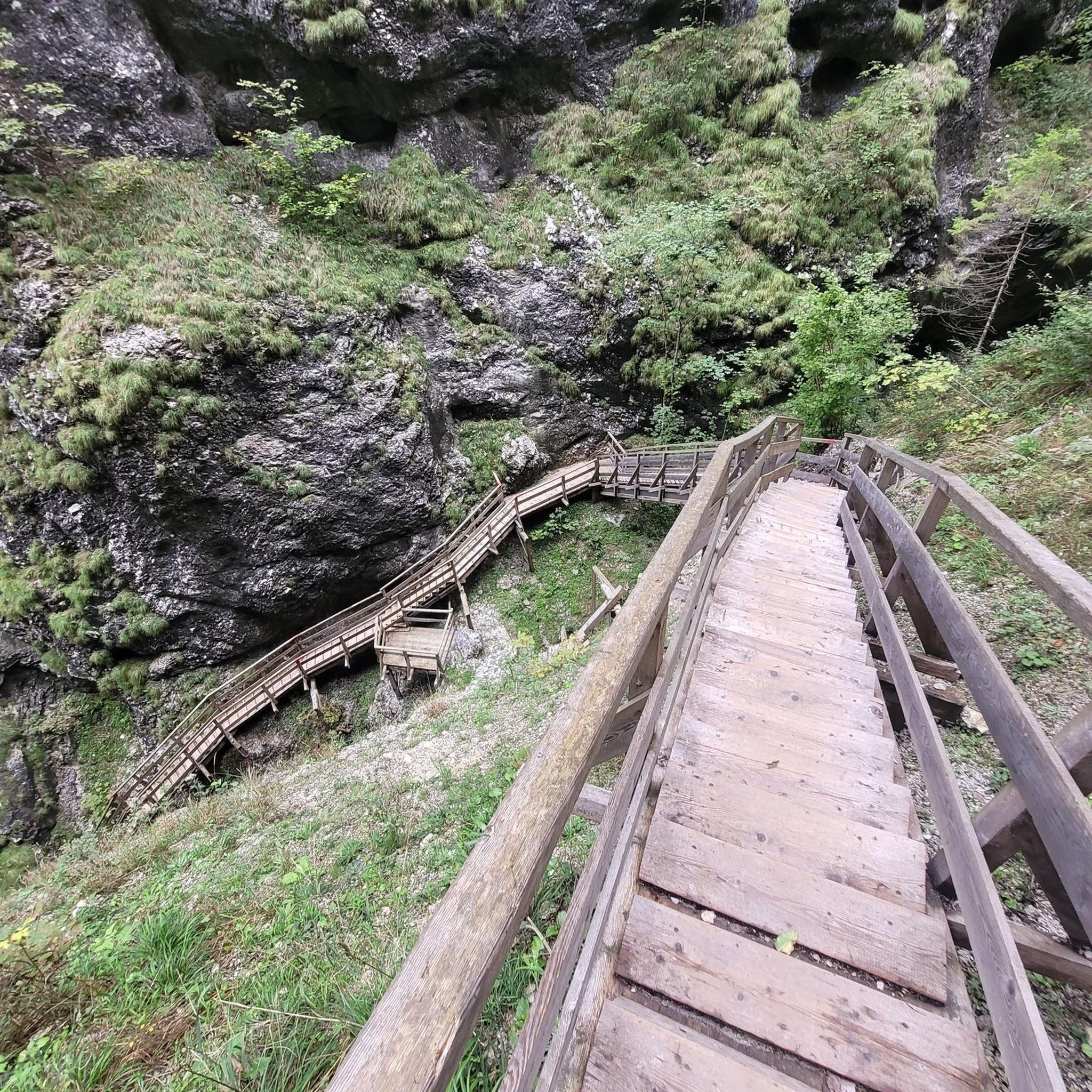

マーサイクでのの他の冒険


コミュニティからのヒント


マースメヘレンにあるテルヒルズホテルは、4つ星と59室の豪華な客室を備え、クラスと快適さの総和です。
0
0

ブリーの市庁舎は、VrijthofにあったGewanthuisでした。ここでは市議会と市参事会が会議を開き、市警備隊が駐屯し、この建物の下では市場が開かれていました。Gewanthuisと同じ場所に、1587年から1591年にかけて、スレート屋根、小塔、部分的にレンガ造りの壁を持つこの建物が建てられました。行政、裁判所、市参事、射撃隊、消防隊、市警備隊、そして銃、導火線、弾丸を備えたささやかな武器庫が収容されていました。1647年にファサードが改修されましたが、1755年にはロココ様式のペディメントを備えたルイ14世様式の新しいファサードが完成しました。そこには、聖ミカエルと竜の戦いを描いたレリーフと、ブリーの紋章、オーストリア皇帝の紋章、そして当時のリエージュの君主司教であったヨハン・テオドール・フォン・バイエルンの紋章の3つの紋章があります。古い市庁舎は1969年までその役割を果たし、その後、観光案内所などが置かれ、1975年からはブリー郷土博物館も入居しました。市庁舎はGrauwe Torenwalの近代的な建物に移転し、2004年には旧聖ミカエルカレッジに移転しました。
3
0


A huge marker with rounded curves on which is engraved Geodetic Station.
3
0

🏘️ Opitter Center – The beating heart of a Kempen village. Opitter is a historic Kempen church village that has been part of the municipality of Bree in the Belgian province of Limburg since its merger in 1977. The center of Opitter, especially around Itterplein, forms the social, historical, and geographical core of the village, where nature, village life, cultural heritage, and community converge. The village was first mentioned in writing in 1143 as Itera, a name derived from the Itterbeek stream that flows through the village and defines Opitter's natural location. The village originated as a river valley settlement on the Itter riverbank and experienced its greatest growth around agriculture, watermills, and religious life. Throughout the centuries, Opitter often fell under the domain of the Counts of Loon and, in the Middle Ages, changed various administrative and property rights, including the influence of Averbode Abbey. Until well into the 20th century, Opitter remained primarily a farming village, although in the second half of the century it transformed into a commuter town with new residential areas and housing developments. The center was always formed around Itterplein, where the Itterbeek stream flows immediately to the west, a place where social, religious, and economic functions converged. Itterplein is the central square of Opitter and forms the social and historical hub of the village. Here are several important buildings and functions, such as the church and rectory, small squares, green spaces, and sightlines with a historical connection to the now-lost castle of the Lords of Opitter. (The castle once stood on a moated plot on the northern bank of the Itter; it was replaced by multifunctional centers in the 1980s.) Today, the square remains a central landmark for events, markets, and walking and cycling routes in and around Opitter. The Gothic St. Trudo Church is one of the most important heritage sites in the center and a recognizable landmark. Its foundations date back to the Middle Ages and it houses works of art and liturgical objects of historical significance. In the center and surrounding area, there are also other chapels and religious structures, such as the Chapel of Our Lady, and pastoral buildings rooted in local traditions from the 17th and 18th centuries. Opitter boasts several watermills, some of which are directly linked to the village's social and economic history. The most famous of these is Pollismolen, mentioned as early as 1078 and restored to this day. In addition, there are historical traces of other mills along the Itterbeek stream, such as Slagmolen (Slag Mill) and Kasteelmolen (Castle Mill), which, along with their milling history, illustrate traditional agriculture and crafts. These mills bear witness to how water power was part of the local economy and infrastructure for centuries, memories still visible in the landscape around the village center. In the town center, on Itterplein, lies the Cornelissen Brewery (formerly Sint-Jozef Brewery), a traditional family brewery since 1859 that produces beers such as Herkenrode and Pax Pils. This brewery is a cultural and social hub in Opitter, where visitors come to sample local beer and socialize in the area surrounding the square. Roads and paths run around the town center, leading directly to nature reserves such as the Itterbeek Valley and the castle park. This connection makes the town center not only a residential and shopping area but also a base for walks and recreation in the surrounding valleys, forests, and stream landscapes.
0
0

Beautiful view over the surroundings
2
0

A ride on the little train is a wonderful surprise for all ages. And those who want and are able can climb the tower, where a magnificent view of the former coal-mining region awaits.
2
0
よくある質問
マーセイク周辺には、交通量の少ないサイクリングルートはいくつありますか?
komootでは、マーセイク周辺に1000以上の交通量の少ないツーリングサイクリングルートを提供しており、交通量を最小限に抑え、平和で楽しいライドをお楽しみいただけます。その中でも500以上はイージーと評価されており、様々なスキルレベルの方が利用しやすいです。
マーセイク近郊の交通量の少ないサイクリングルートでは、どのような景観が期待できますか?
マーセイク周辺の交通量の少ないルートでは、多様な景観が楽しめます。主に、野生の航行不能な川と絵のように美しい景色が特徴の、静かなマース川渓谷を体験できます。多くのルートは緑豊かな森を横切り、数多くの「ウォータープラッセン」(小さな湖)を通過します。例えば、ボスラントの木々の中をサイクリングの一部のようなルートは広大な森林地帯を通り抜け、他のルートはホーヘ・ケンペン国立公園の端をかすめ、湿地や荒野を含む変化に富んだ地形を提供します。
マーセイク地域には、家族向けの交通量の少ないサイクリングルートはありますか?
はい、マーセイクの広範なサイクリングノードネットワークにより、家族向けの交通フリールートを簡単に見つけることができます。500以上あるイージーなルートの多くは、ご家族での利用に適しています。マース川沿いや森の中の平坦な地形は、あらゆる年齢層に安全で楽しい選択肢を提供します。専用のサイクリングパスとよく整備されたノードシステムを利用するルートを探すと、ストレスなく楽しめます。
マーセイク周辺で、周回型の交通量の少ないサイクリングルートを見つけることはできますか?
もちろんです。マーセイクが属するリンブルフ州のサイクリングネットワークは、数多くの周回ルートで設計されています。これにより、同じ場所から出発し、同じ場所に戻ってくることができ、同じ道を戻る必要がありません。例えば、マーセイク発マース渓谷サイクリングループは、出発点への景色の良い帰路を提供します。
交通量の少ないツーリングサイクリングルート沿いには、どのようなユニークなアトラクションがありますか?
自然の美しさ以外にも、いくつかのユニークなアトラクションに出会えます。ボスラントにある有名な木々の中をサイクリングは、高所からのサイクリング体験を提供するハイライトです。また、広大な景色を楽しめるマース川堤防サイクリングパスを通過するかもしれません。歴史的な興味からは、一部のルートからアクセス可能なロンメルドイツ軍墓地があります。この地域には、マース川堤防サイクリングパス – トルン、小さな白い町のループのようなルートで探索できる、魅力的な村や「白い町」トルンのような文化的なランドマークもあります。
マーセイクの交通量の少ないルートをサイクリングするのに最適な時期はいつですか?
マーセイクでのサイクリングに最適な時期は、一般的に春と秋です。春は自然が咲き誇り、気温も穏やかですが、秋は特に森林地帯で美しい紅葉が楽しめます。夏も快適ですが、日中の暑さを避けるために早めの出発をお勧めします。冬は通常寒く、雨が多いことがありますが、交通量が少ないため静かな環境は保たれます。
交通量の少ないサイクリングルート沿いには、食事や飲み物を楽しめる場所はありますか?
はい、この地域にはカフェ、パブ、レストランが充実しており、特に多くのルートが通過する魅力的な村や町には多くあります。リンブルフ州の「ブルゴーニュ風」ライフスタイルにより、休憩を楽しめる機会がよく見つかります。広範なサイクリングノードネットワークは、これらの施設を通過または近くを通るように案内しているため、休憩を計画しやすくなっています。
マーセイクの交通量の少ないルートについて、他のツーリングサイクリストが最も楽しんでいる点は何ですか?
komootコミュニティでは、マーセイクでのツーリングサイクリング体験を高く評価しており、4300件以上の評価から平均4.4つ星を獲得しています。レビューでは、交通フリーパスの静けさ、マース渓谷の景色の美しさ、そして整備が行き届いていてナビゲートしやすいサイクリングネットワークがよく称賛されています。「木々の中をサイクリング」のようなユニークなアトラクションや、国境を越えるサイクリングの機会も頻繁にハイライトされています。
公共交通機関で交通量の少ないサイクリングルートにアクセスするにはどうすればよいですか?または駐車場はありますか?
マーセイクは交通の便が良く、多くのルートは公共交通機関が乗り入れている町の中心部からアクセス可能です。車で来る方のために、マーセイクや周辺の村には通常駐車場があり、人気のルートの出発点やサイクリングノードのジャンクションの近くにあります。優れたサイクリングインフラにより、これらの地点から直接ライドを開始しやすくなっています。
自然の美しさと歴史的または産業的な名所の両方を楽しめるルートはありますか?
はい、一部のルートでは、自然景観と地域の歴史が美しく融合しています。例えば、マース川と鉱山の間のサイクリング - リンブルフルートは、マース渓谷を通り抜けながら、豊かな鉱業の歴史を持つ地域も探索しており、景観と歴史のユニークなコントラストを提供しています。
橋やユニークな建築要素があるルートはありますか?
確かに。この地域のサイクリングネットワークには、興味深い建築的特徴が含まれています。例えば、景観にユニークな視点を提供する鉱山の尾根の間を走る自転車橋のような印象的な構造物を渡るルートに出会うかもしれません。鉄道線路沿い – アルベルト運河アーチ橋ループは別の例で、自然の美しさとともに工学的な構造物も紹介しています。
マーサイクでのの人気観光スポット

komootモバイルアプリでインスピレーションを得よう


探していたものは見つかりませんでしたか?
マーサイクの下にある他のサイクリングルートをチェックして、目的地で完璧なルートを見つけましょう。
