プラートの洞窟・トップ3
ハイキングの途中で偶然見つけた場合でも、ガイドブックに沿ってたどり着いた場合でも、いつも特別な体験をもたらしてくれる城。プラートには訪れるべき 3
の美しい城があります。一覧から行きたい城を見つけて、次の冒険では歴史にも触れてみましょう。
最終更新日: 7月 29, 2026
カステッロ・デッリ・インペラトーレ
ハイライト • 城
On the site of today's …
翻訳者 Google •
役立つ情報 は

Rocca di Cerbaia
ハイライト • 城
翻訳者 Google •
役立つ情報 は

今すぐサインアップして、こんな場所を発見しよう
最高のシングルトラック、ピーク、その他のエキサイティングなアウトドアスポットのおすすめを受け取ろう。
無料新規登録
カルミニャーノのロッカからの展望
ハイライト • 展望台
翻訳者 Google •
役立つ情報 は

ロッカ・ディ・ヴェルニオの眺め
ハイライト • 城
翻訳者 Google •
役立つ情報 は

ロッカ・ディ・モンテムルロからの眺め
ハイライト • 展望台
翻訳者 Google •
役立つ情報 は

無料アカウントで今日から始めよう
次の冒険が待っています。
ログインまたは登録


コミュニティからのヒント

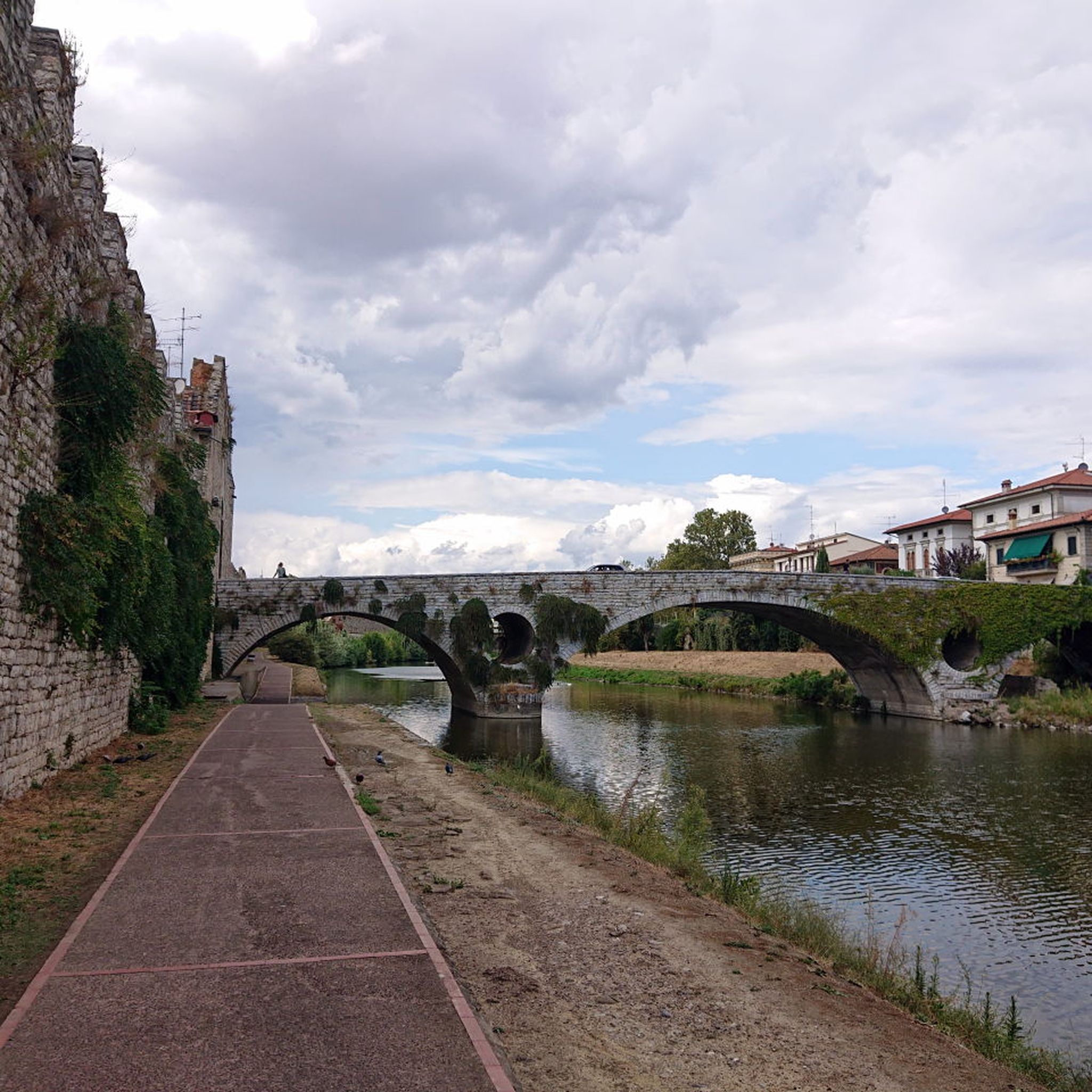
カステッロ・デッレ・インペラトーレ(サンタ・バルバラ要塞またはスヴェヴォ城としても知られる)は、プラートの歴史的中心部、サンタ・マリア・デッレ・カルチェリ広場にあります。この城は、中部・北部イタリアにおけるシュヴァーベン(フリードリヒ朝)建築の唯一の例であり、1237年から1248年の間に皇帝フリードリヒ2世・フォン・シュヴァーベンの命により、建築家リッカルド・ダ・レンティーニによって建設されました。この要塞は、ドイツと南イタリア間の通信路を監視するために使用されました。 構造と建築: 四角形の平面図:辺の長さは約40メートルで、厚さ2.5メートルのアルバレゼ石の壁があります。 8つの塔:4つの主要な塔が各方位に対応する角に配置され、4つの中央の塔があります。 ギベリン様式の胸壁:壁には、古典的な燕尾形の胸壁が装飾されています。[1] 二色使いのポータル:メインエントランスは、ゴシック様式とロマネスク・トスカーナの要素を組み合わせており、白と緑の大理石の交互の縞模様が特徴で、2頭のライオンによって保護されています。
0
0

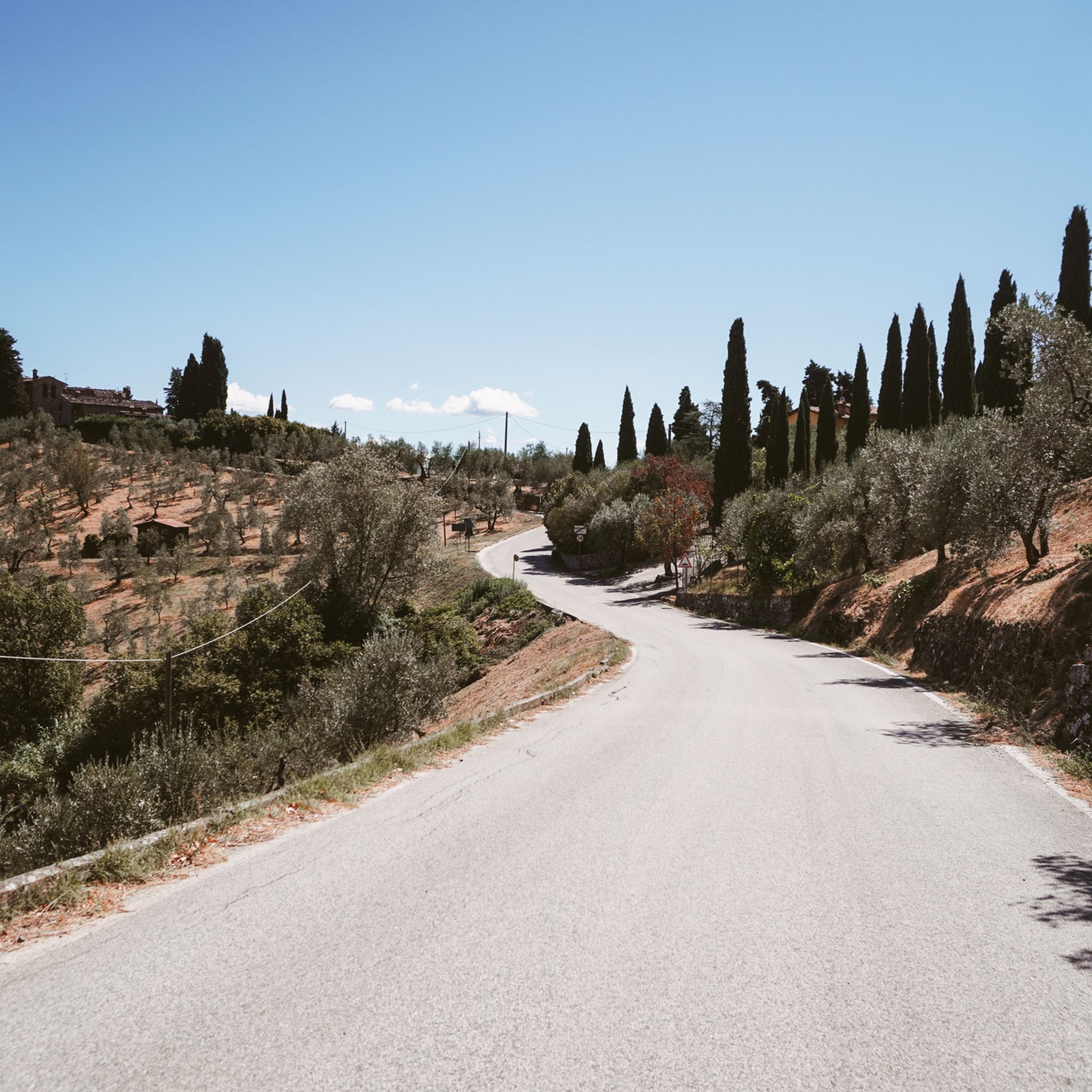
La Rocca di Cerbaia、または単にRocca Cerbaiaと呼ばれるこの城は、ビセンツィオ川の谷に切り立つ、高さ約400メートルの岩の露頭の頂上にそびえ立っています。何世紀にもわたり、この要塞化された構造物は、まず放棄され、次に荒廃を引き起こした自然の力と戦ってきました。 その起源は、少なくとも今日私たちが目にする姿においては、1100年代初頭に遡るようです。当時、アルベルティ家はこの地に、トスカーナとアペニン山脈を越えた地域を結ぶ「ロンバルディア通り」と呼ばれる古代の街道を管理するための要塞を築きました。軍事的な役割にもかかわらず、この城はアルベルティ家によって長期間住居としても使用され、主塔内部に見られる質の高い仕上げがその証拠となっています。 伝説によれば、ほぼ間違いなく根拠はありませんが、1285年にアルベルティ家がボローニャへ向かう途中の詩人ダンテ・アリギエーリの宿泊の申し出を断ったとされています。同じ偉大な詩人は、この城の所有者であるアルベルティ家の末裔の一人、クニッツァ・アルベルティを有名にしました。彼女は「神曲」(天国編 第九歌、13-36節)の中で、情熱的な恋愛生活の主人公として描かれています。 1361年、この城はフィレンツェ人に売却されました。フィレンツェ人は、その重要な戦略的位置を考慮し、恒久的な軍事駐屯地を設置し、第二の城壁と他の建物を建設して防御を強化しました。 La Rocca di Cerbaiaは、中世の囲郭式城郭の典型的な外観をしています。中央には、周囲のほぼ五角形の二重の城壁を支配する、堂々とした主塔があります。建設には、この地域に豊富にある砂岩が使用されました。最初の外側の城壁の広大な部分は今でも認識可能で、南側の城壁に組み込まれた入口があります。それを越えると、左側には「パラッツォ・ヌオーヴォ」と呼ばれる建物の遺跡があり、右側には樽型の天井を持つ貯水槽の残骸があります。これらすべては1300年代前半に建てられたものです。この最初の城壁の外側には、単身廊のサン・マルティーノ教会の遺跡があります。
1
0

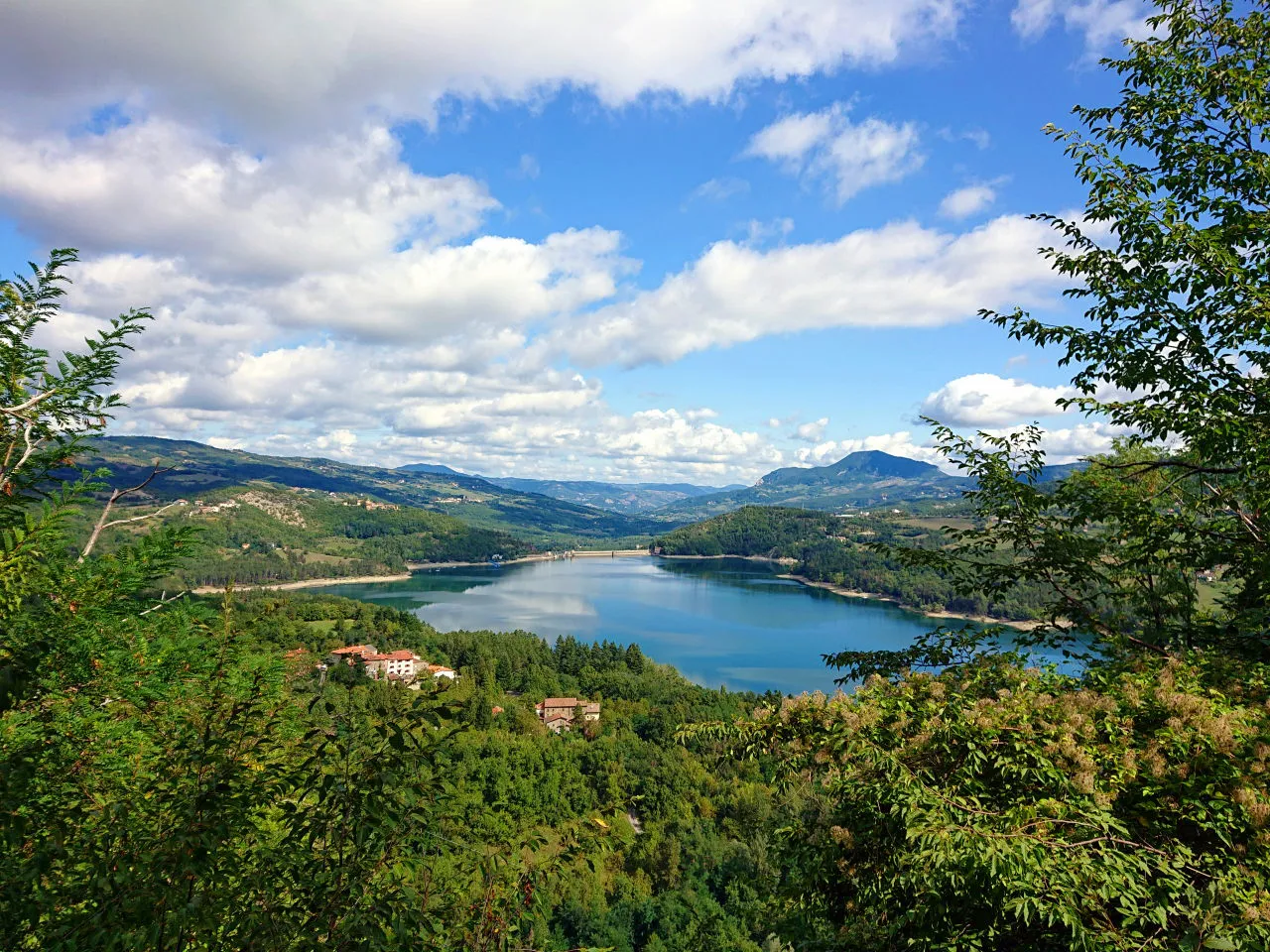
Going up the SRT 325, at the beginning of the village of Sasseta, on the right we can see the Rocca di Vernio. Shortly after, a small road, always on the left, leads to the castle. It was the seat of the County of Vernio, first owned by the Alberti counts and then from the fourteenth century by the Bardi, well-known Florentine merchants. Originally the castle was large and well structured for defense, but subsequently the military part was destroyed on several occasions. The medieval village consisting of the residence of the feudal lords and a chapel dedicated to Sant'Agata has remained well preserved. The County, an imperial vicariate, remained in existence substantially until the Napoleonic conquests of the late eighteenth century and, formally until 1815 when, with article 100 letter D) of the general treaty of Vienna, it was abolished and annexed to the Grand Duchy of Tuscany.
3
0
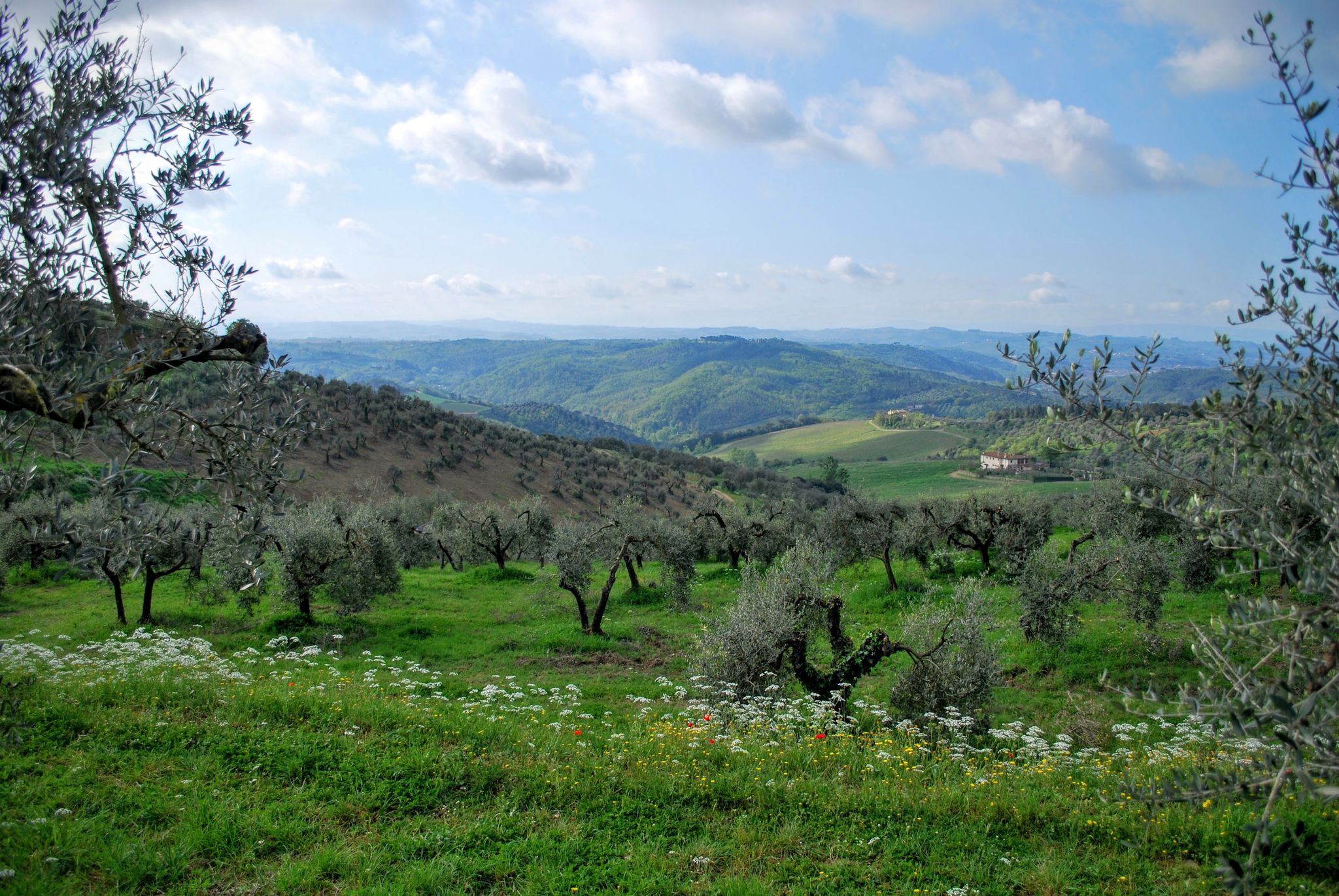
The Rocca or Castle of Carmignano has dominated the village from above for over a thousand years: the bastion was in fact mentioned for the first time in the year 998, in a document by Otto III of Saxony which granted ownership to the bishop of Pistoia. The Rocca was the object of continuous battles between Pistoia, Florence and Prato, due to its strategic position in the political-military context of the Middle Ages: from up here, in fact, you can admire the entire plain between the three cities. After having resisted, in 1154, a siege conducted by troops from Prato and Florence, the castle was destroyed for the first time in 1228 by the Florentines. Having regained possession of Pistoia in 1242, the fortification was rebuilt and in the early fourteenth century sold again to Florence, which proceeded to demolish the fortress and the castle walls once again. After a new parenthesis in Pistoia (1315-1324) the castle returned to Florentine hands, only to be besieged and conquered by Castruccio Castracani, who made it his own stronghold until 1328, when it finally returned to Florence. The Rocca di Carmignano can be accessed via a pedestrian path (starting from the church of San Michele, where Pontormo's famous Visitation is kept) that climbs the hill full of olive trees, where you can enjoy a beautiful view of Montalbano. Few remains of the medieval walls around the Rocca remain, partly rebuilt as the Campano, with the bell tower and clock, while in the center stands a medieval tower, called the Maschio della Rocca. (www.visittuscany.com)
0
0
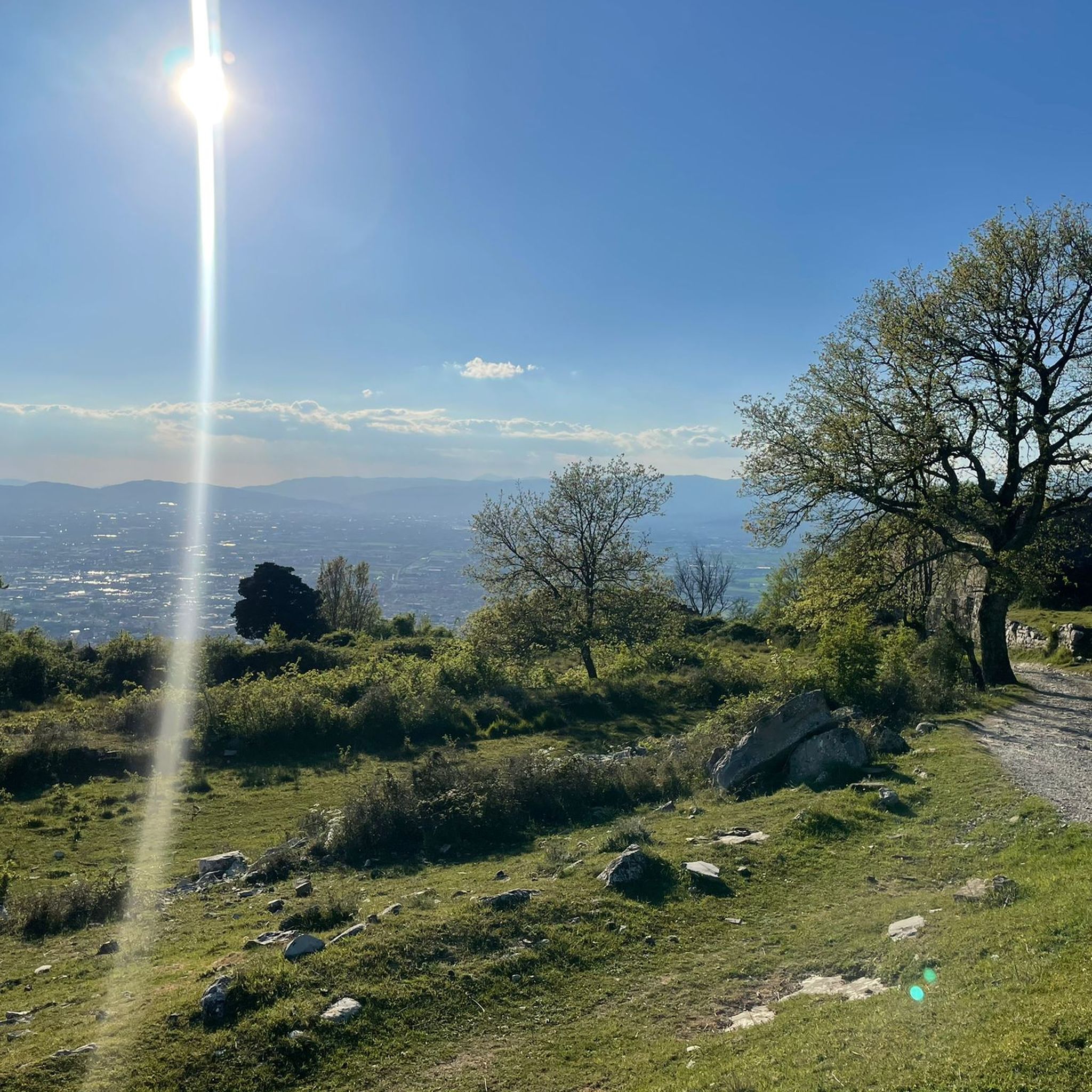
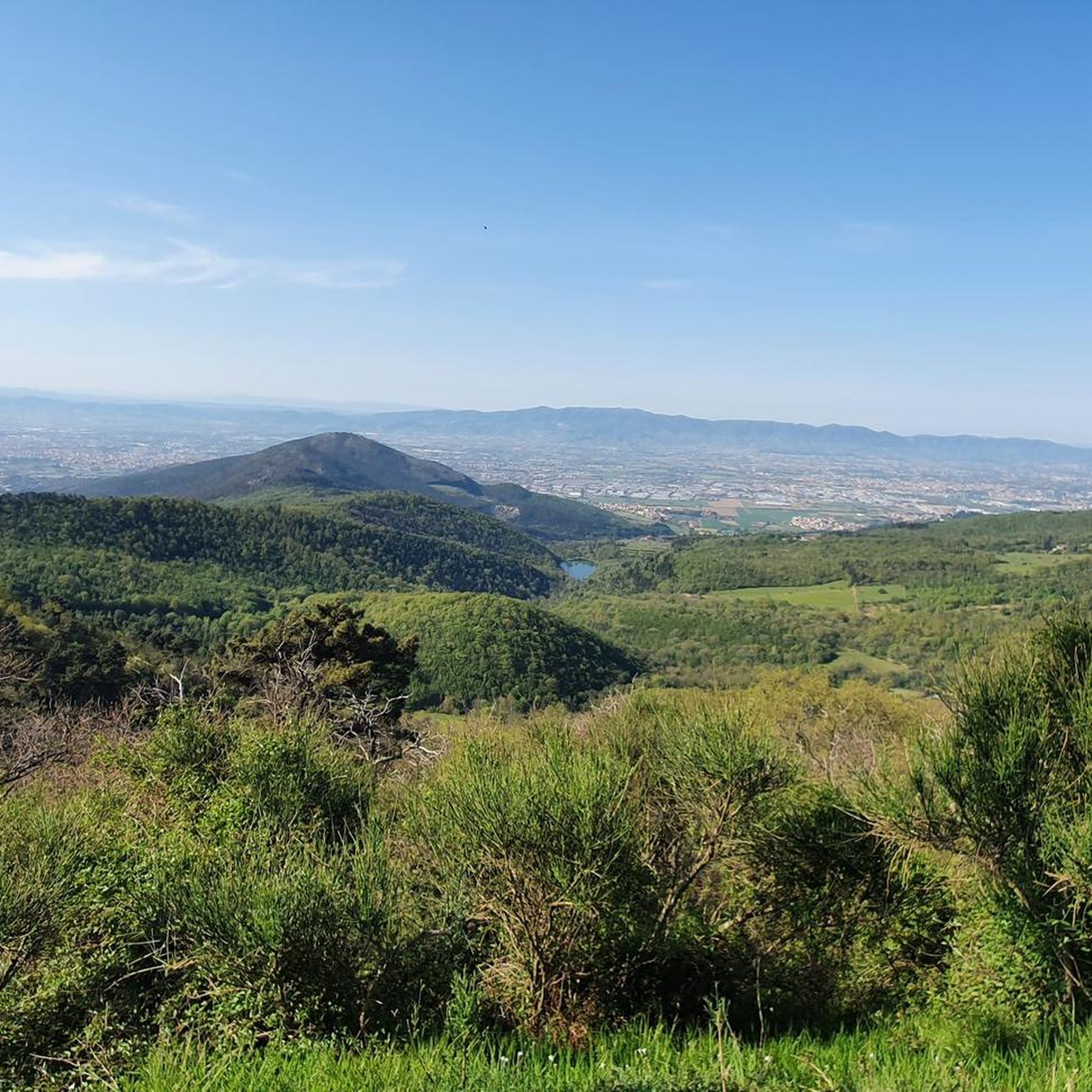
Beautiful panorama of Monte Ferrato and the entire Prato plain. On clear days you can see the dome of the Florence Cathedral very well.
1
0
La Rocca above The village of Carmignano is worth a visit and not just for the view. From this fortress there were two arms that the Pistoiesi had placed and that "made the figs" towards Florence. For more information, consult the Divine Comedy.
0
0

The Emperor's castle is located in Prato in Piazza delle Carceri. It is an example of Frederick architecture, built by order of Emperor Frederick II of Swabia, in the context of the struggle for dominance in Tuscany between the empire and the papacy which characterized the decades between the 1200s. Source: https://it.wikipedia.org/wiki/Castello_dell'Imperatore
1
0
It is the Roccadi Carmignano
0
0

komootモバイルアプリでインスピレーションを得よう


