ヴィーツェンの天然記念物・トップ20
ヴィーツェンが誇る美しい風景を見てみたいなら、ヴィーツェンの素晴らしい天然記念物・トップ20
に行ってみましょう。あなたにぴったりの場所が見つかるよう、素晴らしい天然記念物を探索するために必要なすべての情報を集めました。次のアウトドアの冒険に出かける計画の参考にしましょう。
最終更新日: 10月 11, 2026
ドラーケンブルガー・マルシュ自然保護区
ハイライト • 自然記念物
翻訳者 Google •
役立つ情報 は

リーベナウのグローセ・アウエ
ハイライト • 川
翻訳者 Google •
役立つ情報 は

今すぐサインアップして、こんな場所を発見しよう
最高のシングルトラック、ピーク、その他のエキサイティングなアウトドアスポットのおすすめを受け取ろう。
Erdmannの木彫り彫刻
ハイライト • 記念碑
翻訳者 Google •
役立つ情報 は

Alhuser Aheでのキケマンの開花
ハイライト • 森
翻訳者 Google •
役立つ情報 は

ニーンブルクの氷河性漂石
ハイライト • 自然記念物
翻訳者 Google •
役立つ情報 は

無料でサインアップして、さらに多くの自然記念物を発見しましょう ヴィーツェンでの。
すでにアカウントをお持ちですか?
無料アカウントで今日から始めよう
次の冒険が待っています。
コミュニティからのヒント

The glacial erratics from Småland in Nienburg/Weser are impressive relics of a natural history dating back tens of thousands of years. These large, often smoothly polished boulders originally came from the southern Swedish region of Småland and were transported to northern Germany by mighty glaciers during the last Ice Age. As the ice sheet slowly moved south, it tore rocks from the Scandinavian bedrock and carried them over long distances. When the ice melted, these so-called erratics were left behind in the landscape – far from their place of origin. Such glacial erratics, which can be geologically clearly attributed to Sweden, can also be found in Nienburg. Their composition, such as granite or gneiss, as well as characteristic structures, allow conclusions to be drawn about their Småland origin. They thus vividly illustrate the immense forces of the Ice Age and demonstrate how profoundly glaciers shaped the landscape we see today. The glacial erratics are silent witnesses to history, forging a connection between the Nienburg region and Scandinavia. Beyond their geological significance, these erratics also play a cultural and design role. In Nienburg, they are deliberately used as striking elements in the cityscape and green spaces, serving simultaneously as a starting point for environmental education and the preservation of historical memory.
1
0


It's wonderful when the larkspurs make a guest appearance on the Waldbühne stage, delighting the audience with their splendid blossoms. The performances are free, absolutely worth seeing, and—as every year—scheduled to run until the end of April.
0
0


Beautiful cycle path through the nature reserve on the Weser. The marsh landscape is characterized by regular flooding and is a habitat for many different animal species.
7
0

The place on the “Große Aue” has been the location of the mill since 1298. At this time the mill served purely as a grain mill for grinding grain. In 1859 a sawmill was added to the grain mill, and the floodplain now powered four mill wheels. A comprehensive renovation took place in 1913, during which the water wheels were replaced by a turbine. After mill operations stopped in the 1970s, the turbine continues to run and generate electricity today.
3
0

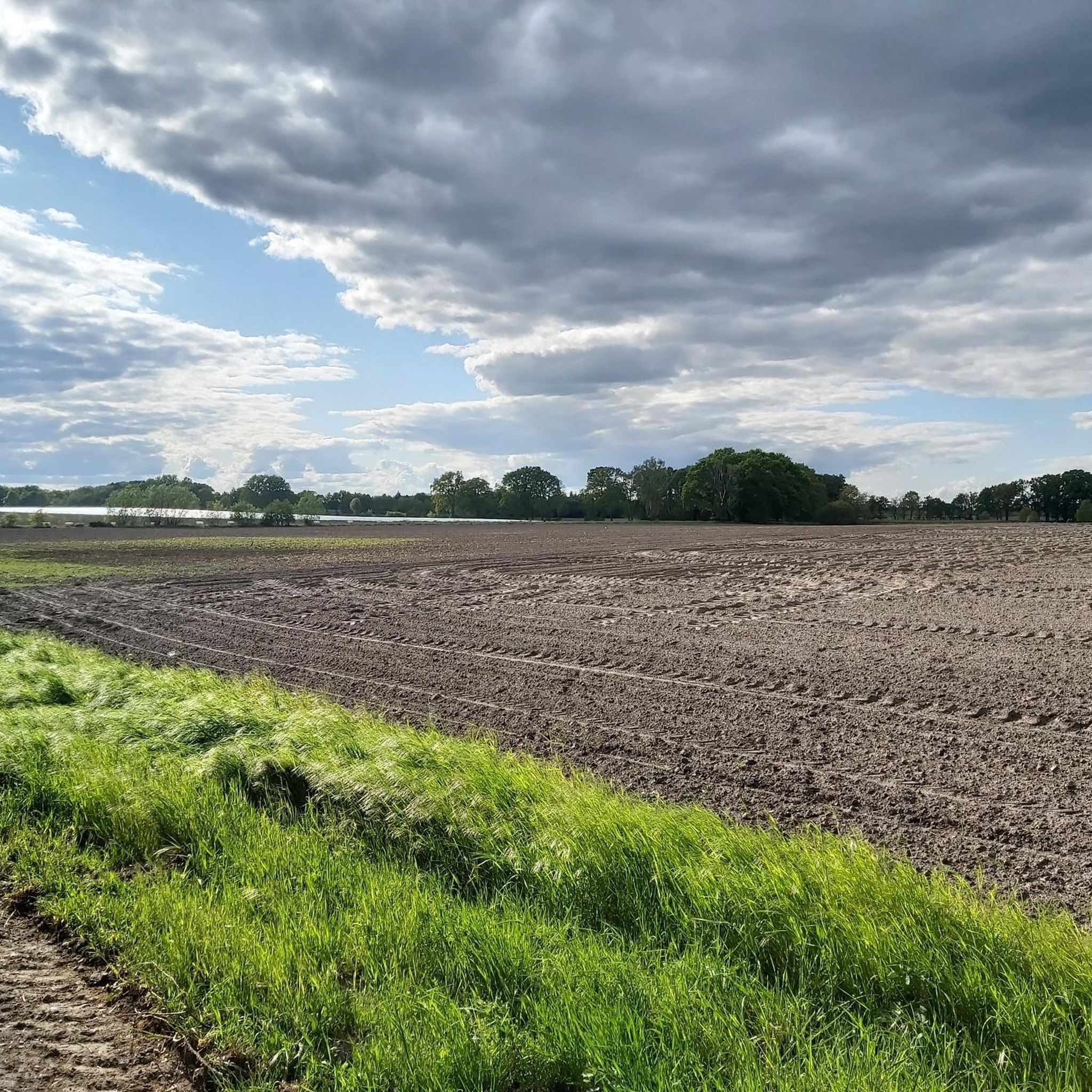
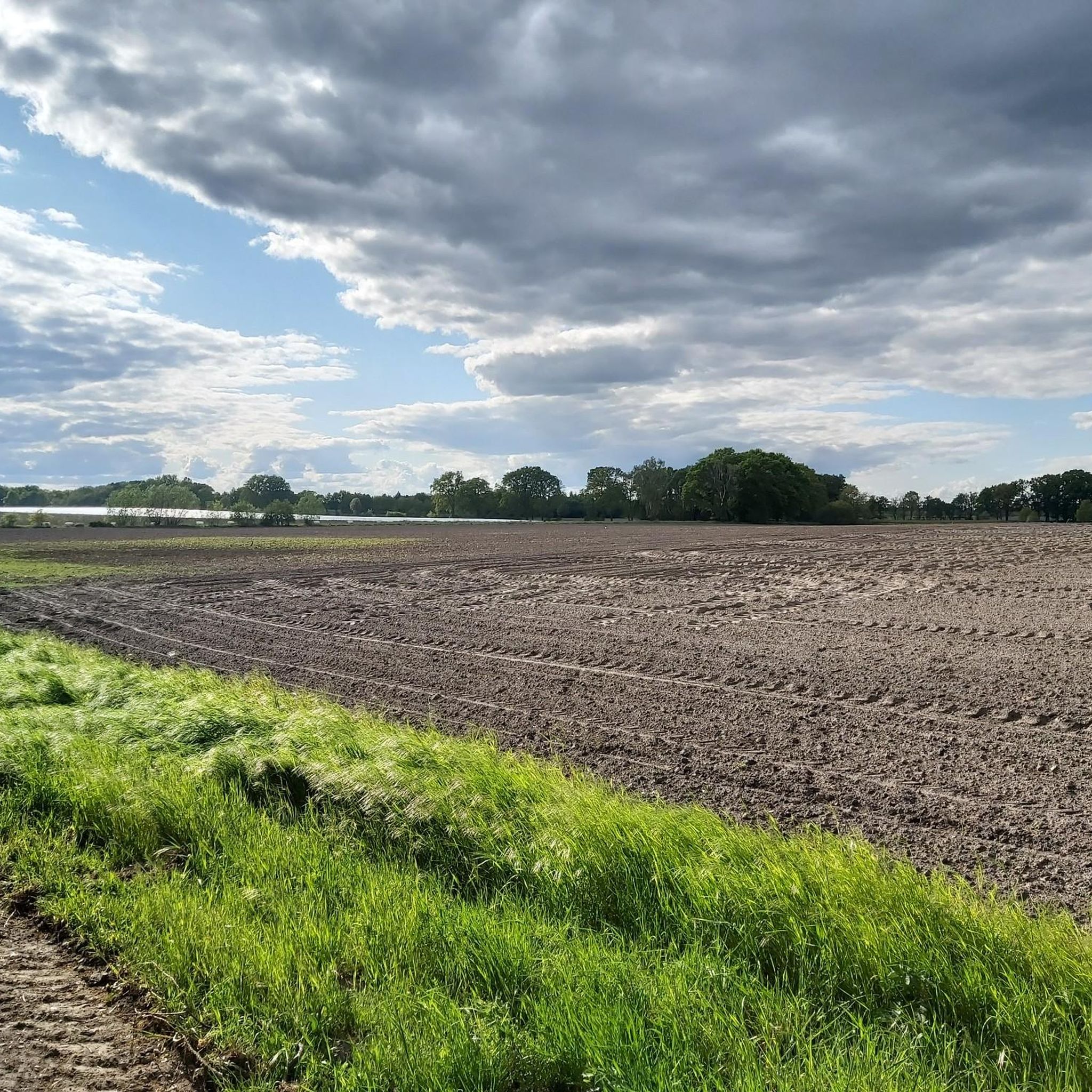
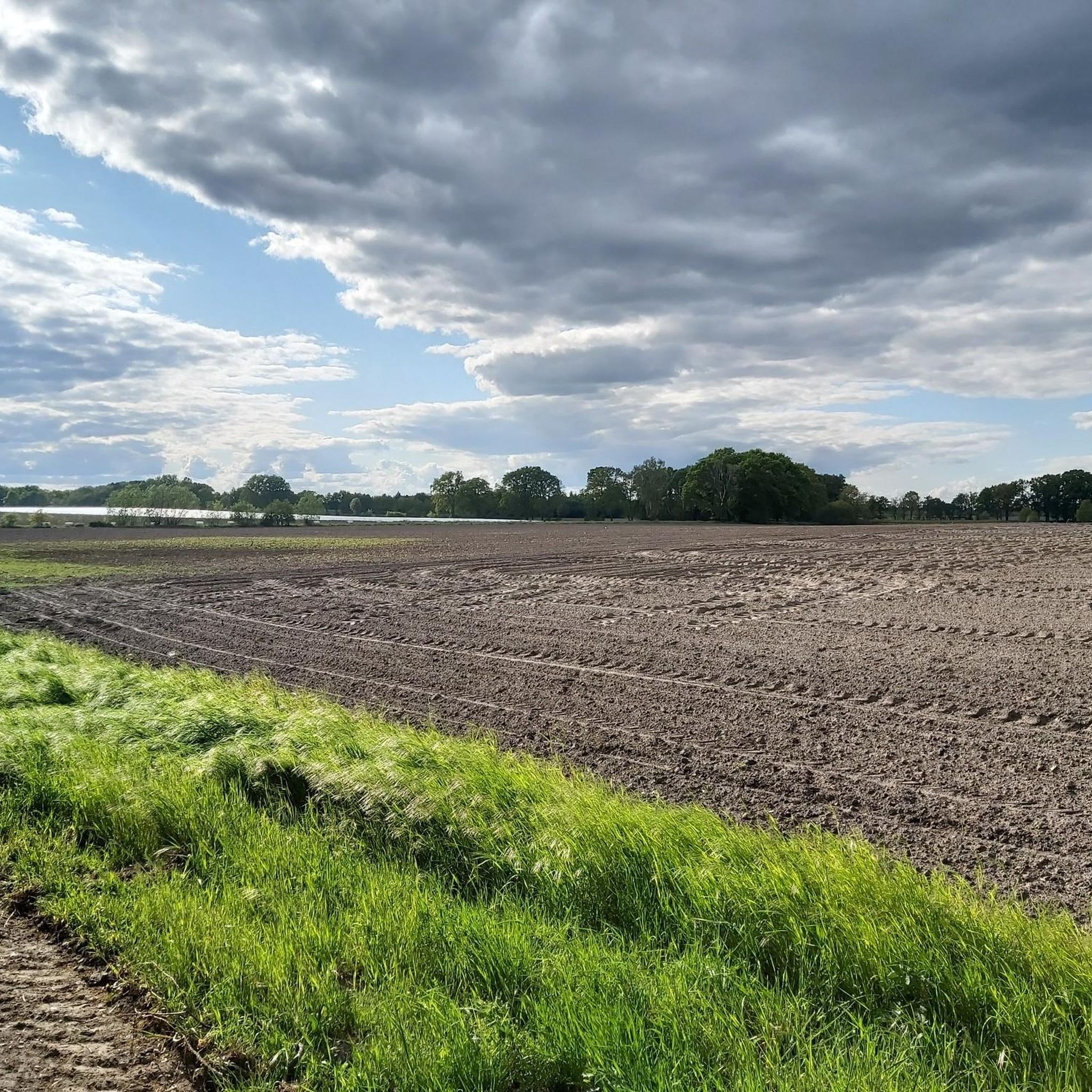
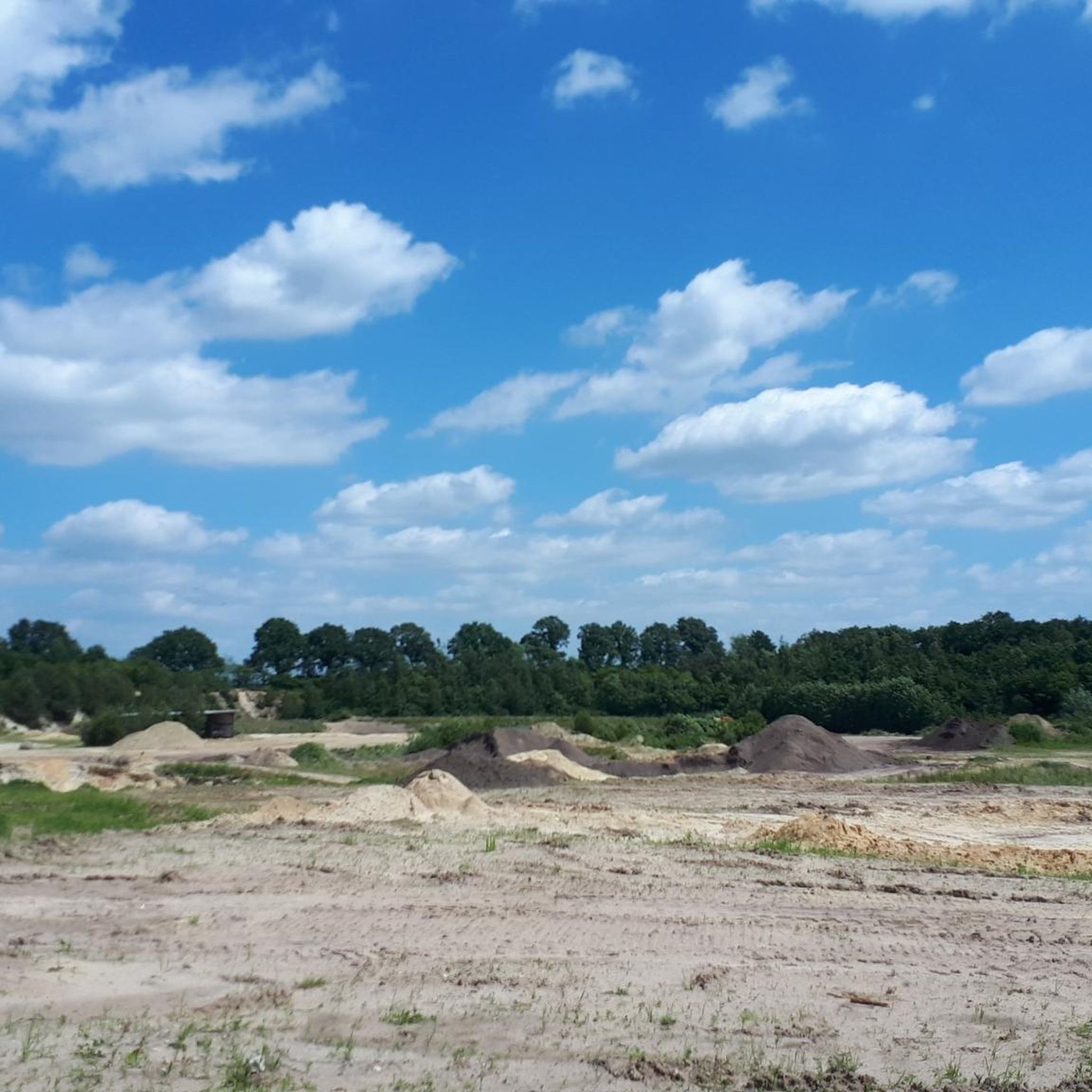
The "Drakenburger Marsch" still shows clear traces of the river bend marsh, a form of land use that was once typical for the entire Wesermarsch. In addition to its cultural and historical significance, this type of landscape, which has become rare, offers a habitat and retreat for vulnerable and endangered animal and plant species and communities due to its structural diversity. The species-rich, well-preserved hedges and their herbaceous fringe are of very high ecological importance as a habitat for numerous, sometimes rare, vertebrates, birds and small mammals. The grassland, which is partly characterized by flood troughs and is regularly flooded, represents an important refuge for organisms bound to temporary bodies of water and offers resting and feeding opportunities, especially for Nordic birds migrating after floods. The remaining wet grassland is also important as a food habitat for the white stork. https://www.lk-nienburg.de/portal/seiten/naturschutzgebiet-drakenburger-marsch-901001074-21500.html
10
0
ヴィーツェンでのの人気観光スポット

komootモバイルアプリでインスピレーションを得よう


さらに探索
これらのガイドで、最高の洞窟を探す範囲を広げましょうヴィーツェンでの:
