ツェントシャイトの天然記念物・トップ20
ツェントシャイトが誇る美しい風景を見てみたいなら、ツェントシャイトの素晴らしい天然記念物・トップ20
に行ってみましょう。あなたにぴったりの場所が見つかるよう、素晴らしい天然記念物を探索するために必要なすべての情報を集めました。次のアウトドアの冒険に出かける計画の参考にしましょう。
最終更新日: 9月 14, 2026
メールフェルダー・マール
ハイライト (セグメント) • 湖
翻訳者 Google •
役立つ情報 は

ビレスボルンの氷洞(Birresborner Eishöhlen)
ハイライト • 洞窟
翻訳者 Google •
役立つ情報 は

今すぐサインアップして、こんな場所を発見しよう
最高のシングルトラック、ピーク、その他のエキサイティングなアウトドアスポットのおすすめを受け取ろう。
Landesblick展望塔(メーアフェルダー・マーア)
ハイライト • 展望台
翻訳を表示中
役立つ情報 は

リンデン泉パビリオン
ハイライト • 自然記念物
Numerous finds in the area of the …
役立つ情報 は

ヴァレンボルン冷水間欠泉
ハイライト • 自然記念物
翻訳者 Google •
役立つ情報 は

無料でサインアップして、さらに多くの自然記念物を発見しましょう ツェントシャイトでの。
すでにアカウントをお持ちですか?
無料アカウントで今日から始めよう
次の冒険が待っています。

コミュニティからのヒント

Whether the small Brubbel or the large cold water geyser in Andernach. I find it uniquely beautiful when the water shoots up for a moment.
3
0

Every 35 minutes the eruption starts with a beautiful column of water up to 4 meters high. After that the water continues to "bubble" for about 5 minutes. Then the source goes back to rest for 30 minutes and then it starts all over again. Der Wallenborn, the cold water geyser, is very nice to take with you when visiting the area.
21
1

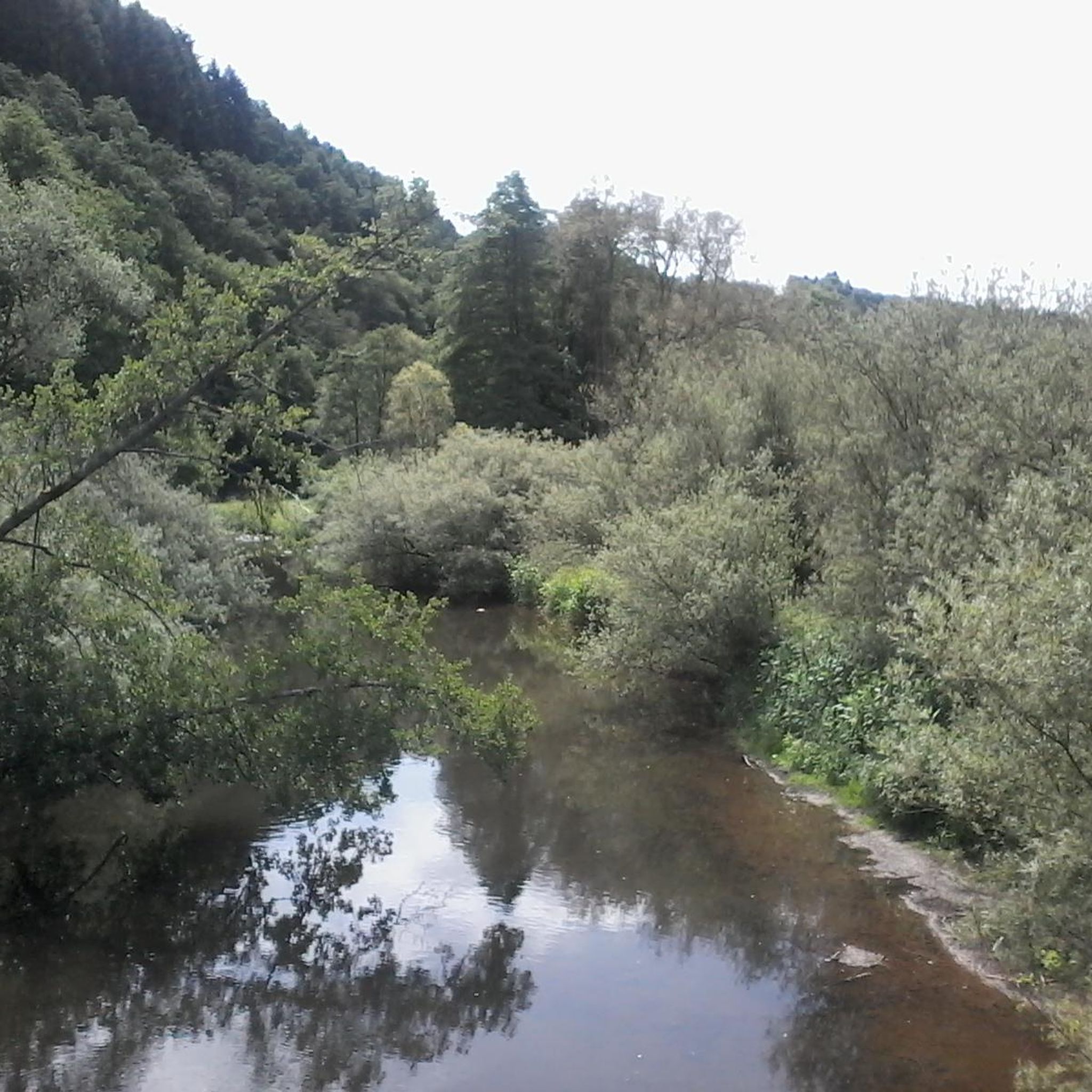
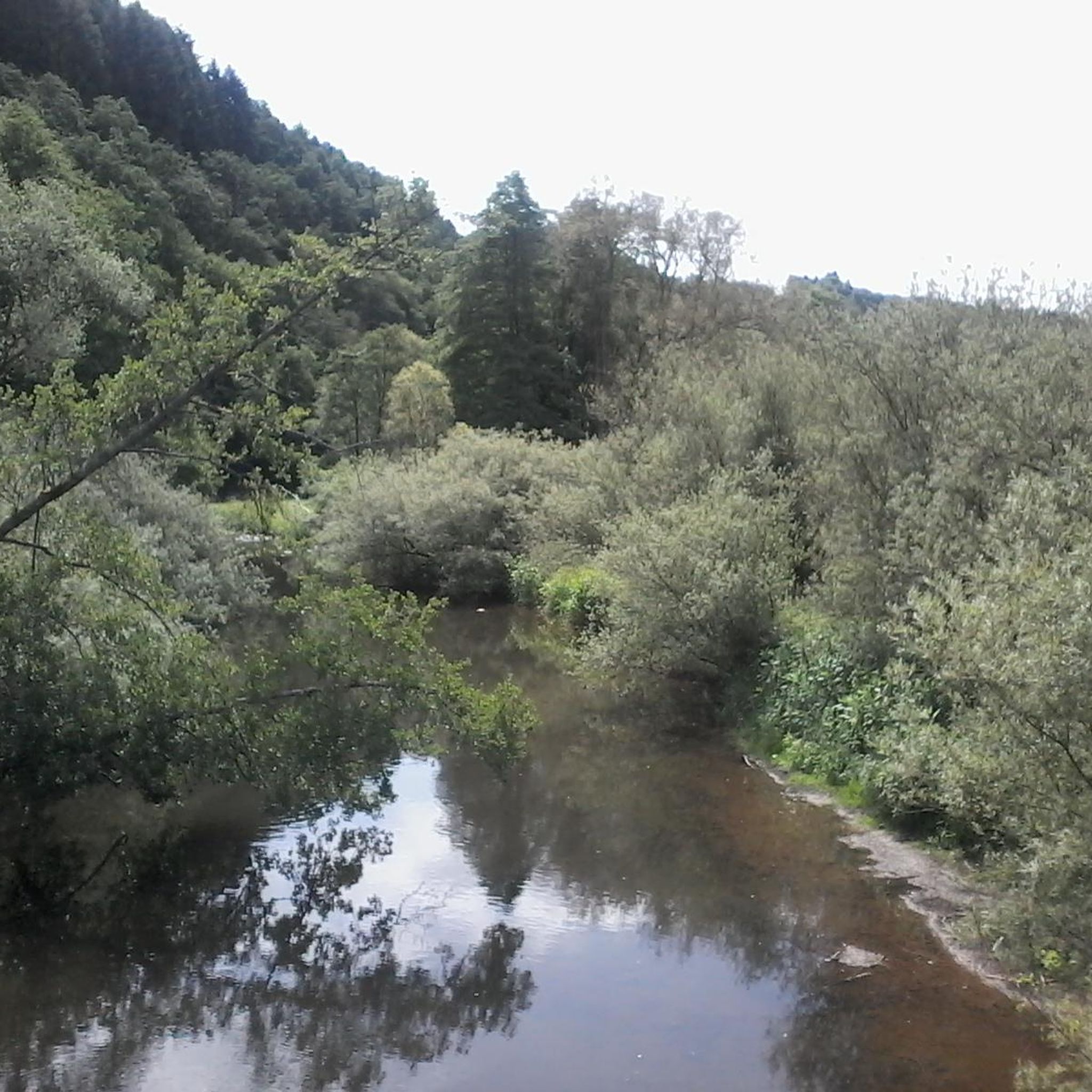
The enchanting Meerfelder Maar lies in the middle of the largest Maar funnel in the Eifel. This maar is at least 30,000 years old and takes up about half the space of the maar funnel. The idyllic village of Meerfeld nestles against the steep southern slopes of the other half.
5
1

The existence of the village Birresborn was documented for the first time in 721. The name "Birgisburias" can be translated as "good source". Numerous finds in the area of the source evidence that this source was already known to the Romans. The Linden source is located on the ''Kyllradweg'', directly at the L24.
5
0

"... A seemingly peaceful fountain awakens and begins to bubble. Suddenly a fountain of 9°C cold water shoots into the sky, bubbling up for six minutes. Then the spook is over just as quickly as the "bubbling" like that Locals affectionately call their phenomenon, calms down. The basis for this natural spectacle is a carbonated spring, one of which there are hundreds in the Eifel. In the early 1930s, Wallenborn wanted to use this industrially and started drilling. But when they tried, chunks of earth and water flew around their ears. They had stumbled upon a chamber in which rising CO2 was collecting and pouring out with force and water to the surface. The fact that the "Brubbel" still spits out at such regular intervals today can be explained by means of a comparison: Similar to a soda bottle that is shaken, the pressure in the underground chamber increases. At some point – after 35 minutes to be precise – this exceeds the pressure of the water column above it. The Wallende Born was born - the cold water geyser in the Eifel. ..." https://www.eifel.info/a-wallender-born
4
1

Here you can fill up your drinking water supplies free of charge.
2
0

For a small fee of 1.50 admission you can have a look at this cold water geyser in Wallenborn. It's also worth taking the Brubbelpfad. There's more to discover.
7
1

When you enter the Birresborn Ice Caves, the cold comes first. For centuries the so-called "ice caves" were used as ice storage facilities, even in hot summers the temperature does not rise above 7 degrees. Just one of many possible uses over time. The history of the caves as a mining site for coveted millstones is still recognizable today. The millstones were used nationwide to grind oak bark, which was then used as a tannin in leather processing. From quarry to refuge, the caves became a haven during World War II and other times of need. Today bats use the caves as winter quarters, so for nature conservation reasons the ice caves in Birresborn are only open from April to October. Tip: sturdy shoes and a flashlight are recommended for visiting the caves. https://www.gerolsteiner-land.de/a-birresborner-eishoehlen-1
5
1
ツェントシャイトでのの人気観光スポット

komootモバイルアプリでインスピレーションを得よう


さらに探索
これらのガイドで、最高の洞窟を探す範囲を広げましょうツェントシャイトでの:
