フォレスト-モンティエの天然記念物・トップ6
フォレスト-モンティエが誇る美しい風景を見てみたいなら、フォレスト-モンティエの素晴らしい天然記念物・トップ6
に行ってみましょう。あなたにぴったりの場所が見つかるよう、素晴らしい天然記念物を探索するために必要なすべての情報を集めました。次のアウトドアの冒険に出かける計画の参考にしましょう。
最終更新日: 6月 7, 2026
オルニュ岬
ハイライト • ビーチ
The name Cap Hornu comes from the Picard word “hornu”, which means “horned” …
役立つ情報 は

ソンム湾
ハイライト • ビーチ
翻訳者 Google •
役立つ情報 は

今すぐサインアップして、こんな場所を発見しよう
最高のシングルトラック、ピーク、その他のエキサイティングなアウトドアスポットのおすすめを受け取ろう。
無料新規登録
クロトワからラ・バセまでの湿地
ハイライト • 自然
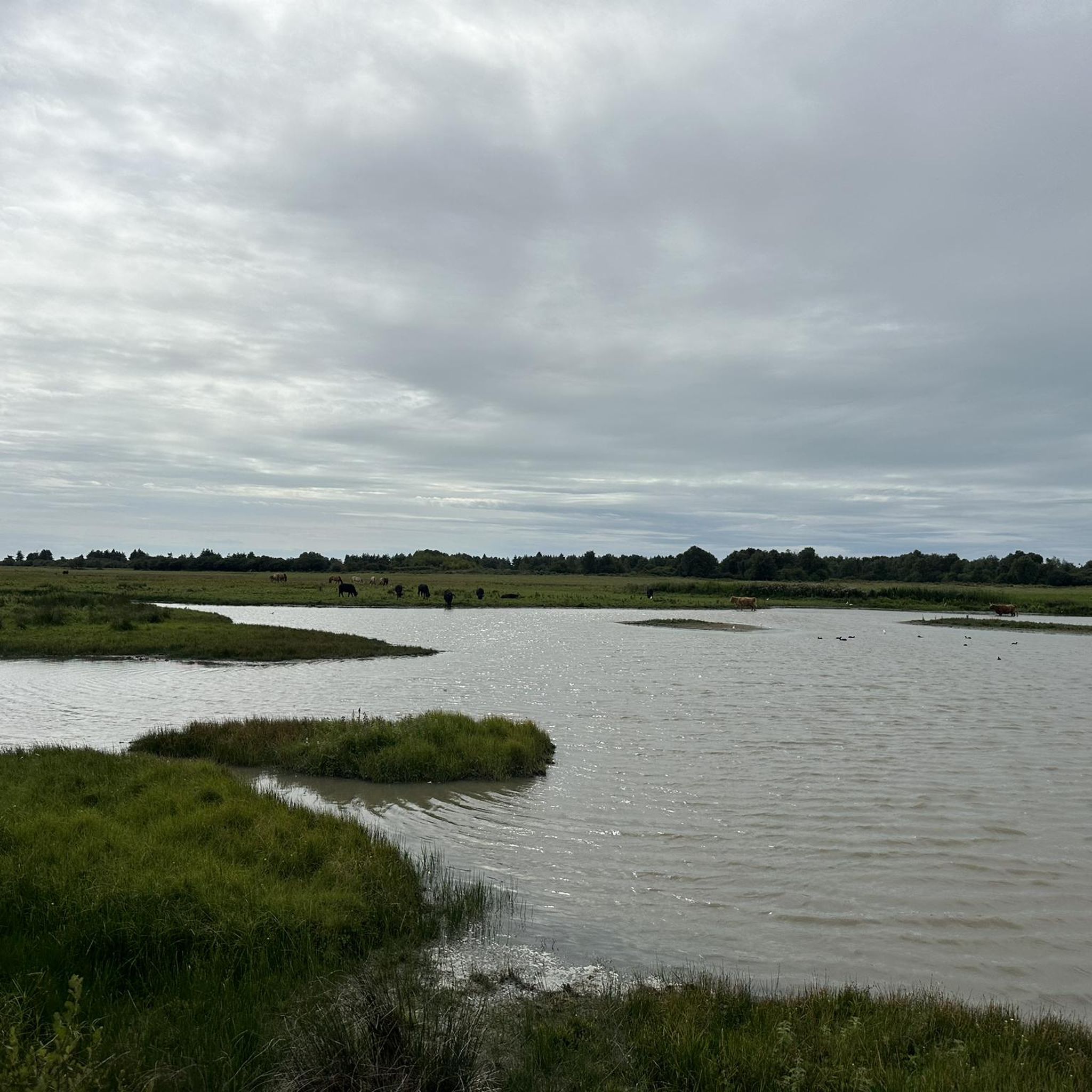
Crotoy marsh at La Bassée / Somme Bay nature reserve / Marquenterre ornithological park / The Marquenterre dune massif, the mollières de l'Authie and the …
翻訳者 Google •
役立つ情報 は

翻訳者 Google •
役立つ情報 は

無料アカウントで今日から始めよう
次の冒険が待っています。
ログインまたは登録

コミュニティからのヒント


If you're lucky, you'll see sea lilacs, a plant with purple flowers that covers the beach in summer. It is a rare and magnificent spectacle that will make your hike unforgettable.
2
0
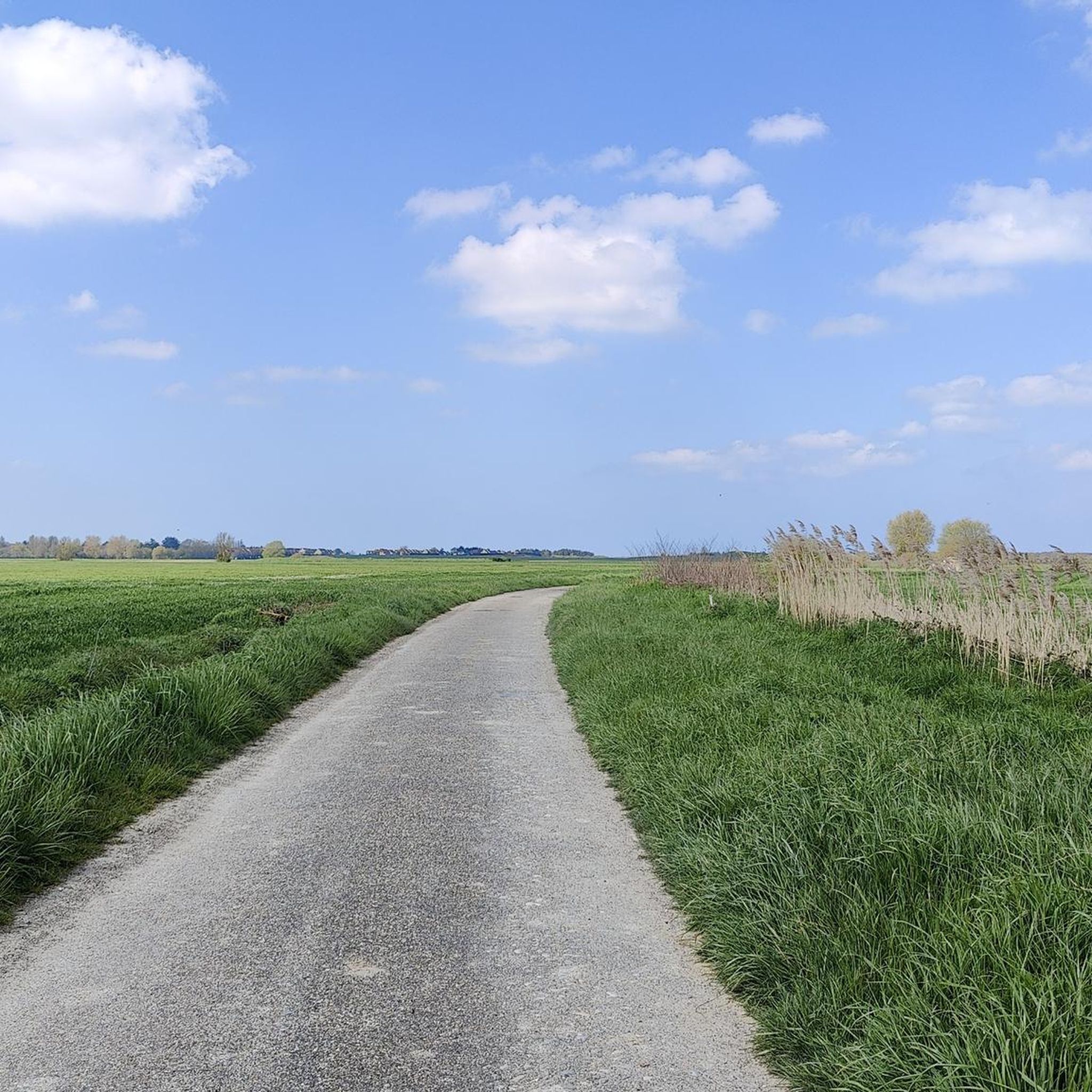
At Cape Hornu you can enjoy a panoramic view of the bay and its wildlife. You can follow the path along the coast, passing by the Chapelle des Marins, a small chapel dedicated to sailors who lost their lives at sea. You will also discover the charming town of Saint-Valery-sur-Somme, with this medieval street plan, its ancient ramparts and its colorful houses. It's a great way to experience the beauty and history of this area.
4
0

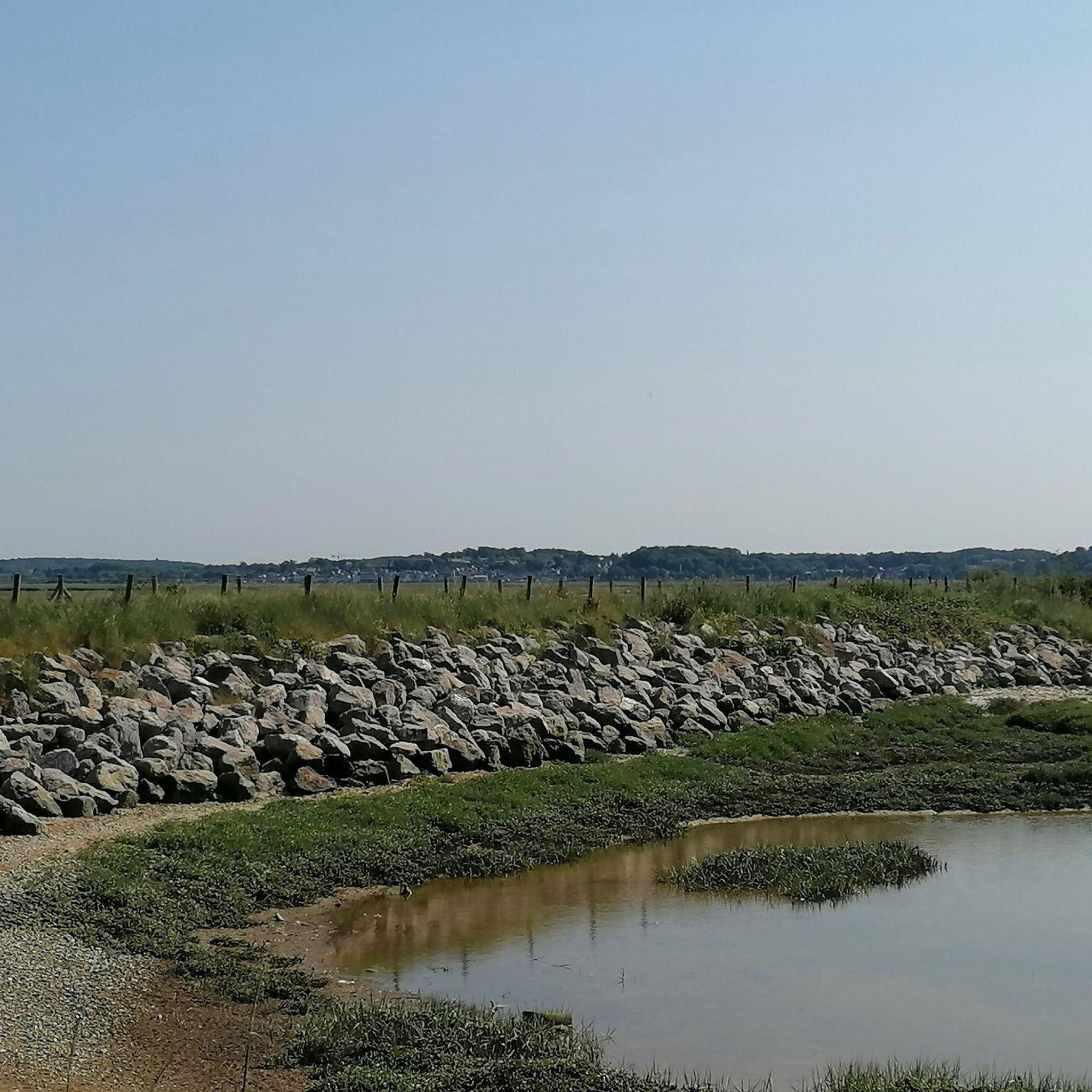
Crotoy marsh at La Bassée Crotoy marsh at La Bassée / Somme Bay nature reserve / Marquenterre ornithological park / The Marquenterre dune massif, the mollières de l'Authie and the bordering enclosures / The Crotoy marsh and the adjacent foreshore, Le Crotoy
0
0

Cap Hornu is a cape located near Saint-Valery-sur-Somme, on the south bank of the Bay of Somme. The name Cap Hornu comes from the Picard word “hornu”, which means “horned” or “pointed”, and refers to the shape of the cape. The cape was also known as Cap Saint-Valery in the past. The history of Cap Hornu is closely linked to that of Saint-Valery-sur-Somme, which was a strategic port and a medieval town that witnessed many historical events. In 1066, William the Conqueror departed from Saint-Valery-sur-Somme with his fleet to invade England. In 1431, Joan of Arc was imprisoned in Saint-Valery-sur-Somme before being transferred to Rouen. In 1568, a massacre of Huguenots took place in Saint-Valery-sur-Somme after a battle between Catholics and Protestants
6
0
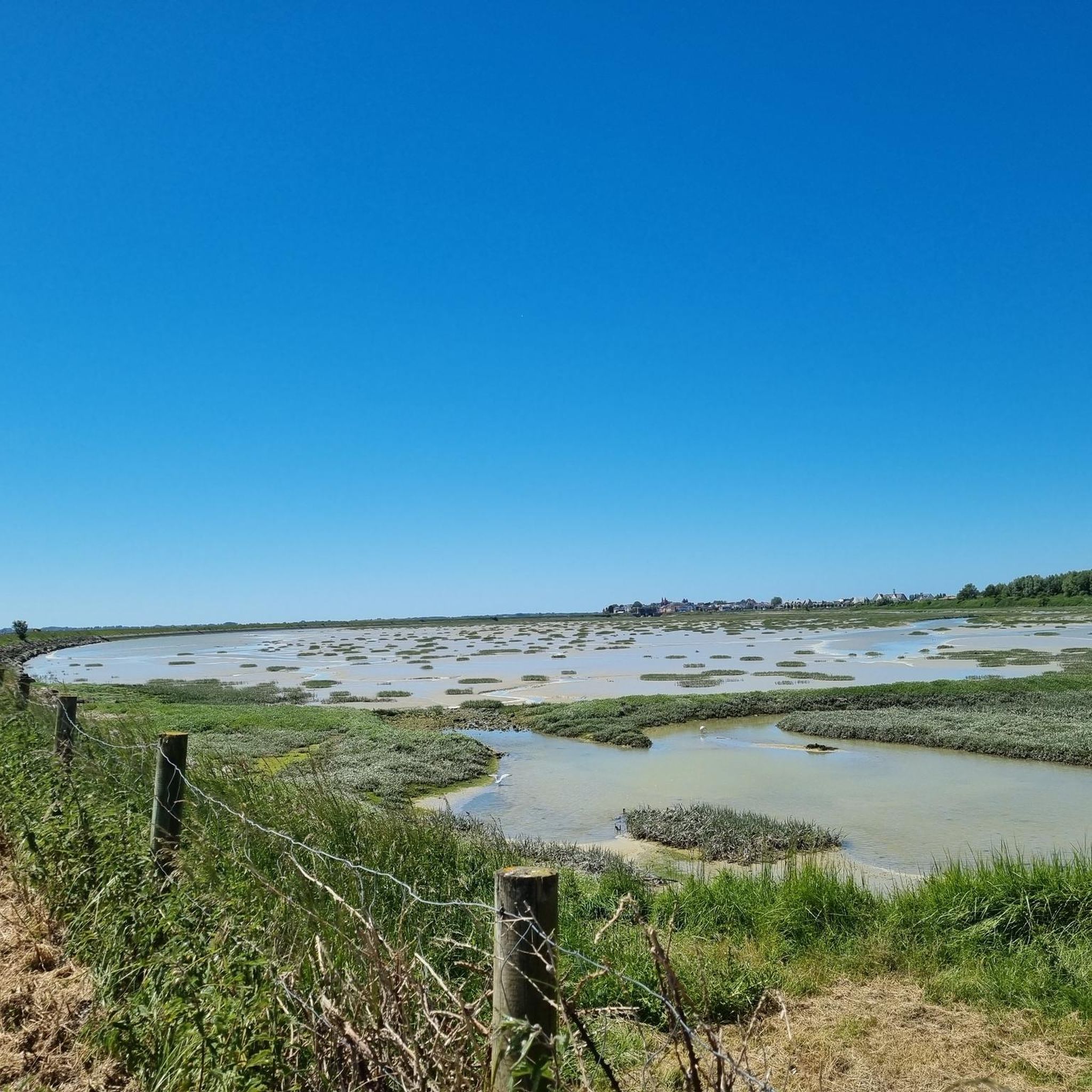
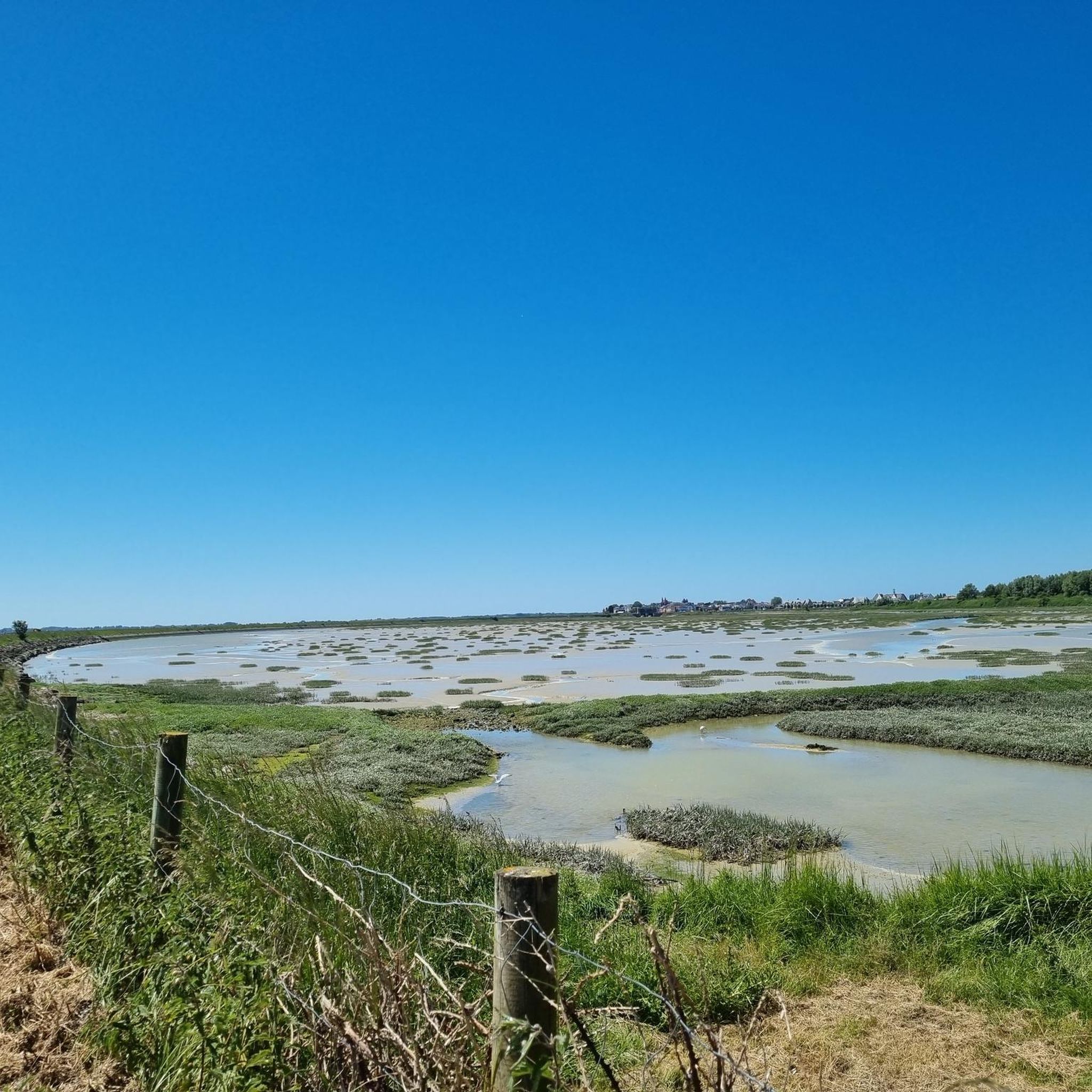
The Bay of the Somme or Somme Bay (French: Baie de Somme) is a nature reserve in the Somme department in northern France. This bay has an area of 70 km² and extends from Le Hourdel to Saint-Quentin-en-Tourmont. The bay is formed by the estuary of the Somme, which flows into the Channel here. A smaller river, the Maye, also flows into the bay here. The bay consists of mud flats and salt marshes, and the fresh water is carried north by the Fleuve marin côtier, a coastal current along the Picardy estuaries. The bay is rich in life forms, both marine animals, water birds, seals and the like. Sea lavender, sea wort and samphire are some of the characteristic plants on the salt marshes. The bay is also important from a cultural history point of view. For example, William the Conqueror set out from Saint-Valery-sur-Somme to conquer England. https://nl.wikipedia.org/wiki/Baai_van_de_Somme
3
0

The history of the commune dates back to before the era of the Roman invasion when it was a small settlement inhabited by Gauls. The Roman invasion encouraged the small hamlet to grow into a small village and after the Romans left France the village soon came under the power of the Franks. In 611, the monk Gualaric (Walric), also known as Valery, arrived in the area. He installed himself as a hermit on the headland of the site of Leuconaus, now the Cap Hornu. His virtue and miracles quickly attracted disciples. These disciples formed a primitive abbey. The saint was then buried there in 622 and the Chapelle des marins was erected in 628 by Saint Blimont over his burial place. Clotaire II (King of Neustrie) provided the foundations of the new abbey in 627. The relics of the saint attracted many pilgrims to the abbey which had become known as Saint-Valery. During the 8th and 9th century, the abbey and village were plundered and devastated on several occasions by the Vikings. https://en.wikipedia.org/wiki/Saint-Valery-sur-Somme#History
5
0

フォレスト-モンティエでのの人気観光スポット

komootモバイルアプリでインスピレーションを得よう


さらに探索
これらのガイドで、最高の洞窟を探す範囲を広げましょうフォレスト-モンティエでの:
