アブラン=サン=ナゼールの天然記念物・トップ9
アブレン=サン=ナゼール周辺の最高の自然記念物には、古代の地質学的形成から自然再生された産業跡地まで、多様な景観が含まれます。この地域は、広大な湿地帯と多様な生態系で知られるスカープ=エスコート地域自然公園(Parc naturel régional Scarpe-Escaut)のような重要な自然地域へのアクセスを提供します。訪問者は、自然によって再生されたかつての採掘場の残土のようなユニークな特徴を探検でき、独特の生態学的サイトを提供しています。この地域の自然環境は、ハイキングや地元の景観を楽しむ機会を提供します。
アブレン=サン=ナゼール周辺の最高の自然記念物
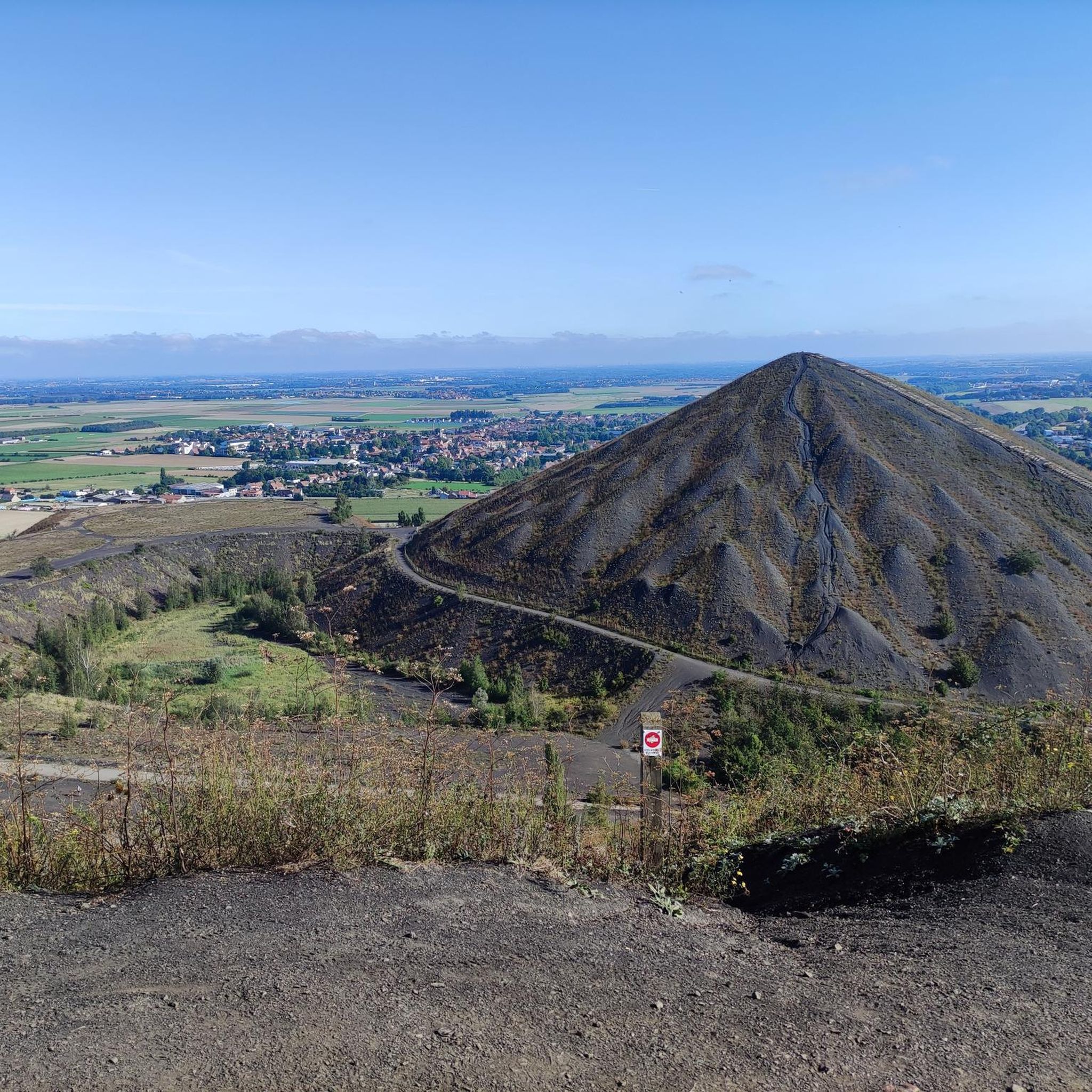
- 最も人気のある自然記念物は、ヨーロッパで最も高い自然再生された採掘場のテリール(廃土の山)を特徴とする ルーズ=アン=ゴエルのテリール です。訪問者は、頂上までハイキングしてパノラマビューを楽しみ、石炭廃棄物の丘がどのように自然によって変えられたかを観察できます。
- もう一つの必見の場所は、4000年以上前の古代巨石複合体である ドルメン・デュ・パサージュ:妖精のテーブル です。この遺跡は、より大きな複合体の唯一の生き残りであり、先史時代の構造物や地元の伝説についての洞察を提供します。
- 訪問者はまた、歴史的な場所であり自然記念物でもある ヴィミー・リッジの砲弾クレーター も気に入っています。この地域は、第一次世界大戦中の激しい砲撃によって傷つけられた景観を保存しており、クレーターは生きた記念碑として見ることができます。
- アブレン=サン=ナゼールは、自然再生された採掘場のテリール、古代のドルメン、そして歴史的出来事によって形作られたユニークな景観で知られています。この地域は、生態学的なサイトから地質学的特徴まで、さまざまな自然記念物を提供しています。
- アブレン=サン=ナゼール周辺の自然記念物は、komootコミュニティによって高く評価されており、訪問者から49件の「いいね!」と16枚の写真が共有されています。
最終更新日: 8月 28, 2026
ヴィミー・リッジの砲弾クレーター
ハイライト (セグメント) • 歴史的な場所
This is one of the most famous battles for Canadians during the First World War.
Vimy Ridge was a strategic position fortified …
翻訳者 Google •
役立つ情報 は

回廊式ドルメン:妖精の石卓
ハイライト • 歴史的な場所
– 4 dolmens, …
翻訳者 Google •
役立つ情報 は

今すぐサインアップして、こんな場所を発見しよう
最高のシングルトラック、ピーク、その他のエキサイティングなアウトドアスポットのおすすめを受け取ろう。
無料新規登録
ヴィミー財団センテナリーパーク
ハイライト (セグメント) • 歴史的な場所
Vimy Foundation Centennial Park offers visitors a unique and reflective space to reflect on the horrors that occurred on these lands during the Great War, contrasting …
翻訳者 Google •
役立つ情報 は
ルー=アン=ゴエールのテリル
ハイライト • 自然記念物
翻訳者 Google •
役立つ情報 は


無料アカウントで今日から始めよう
次の冒険が待っています。
ログインまたは登録



コミュニティからのヒント


Beautiful panoramic view of Lens and the surrounding area. Be careful when you climb onto the spoil heap during a storm, it's a real hair-raiser!
1
0

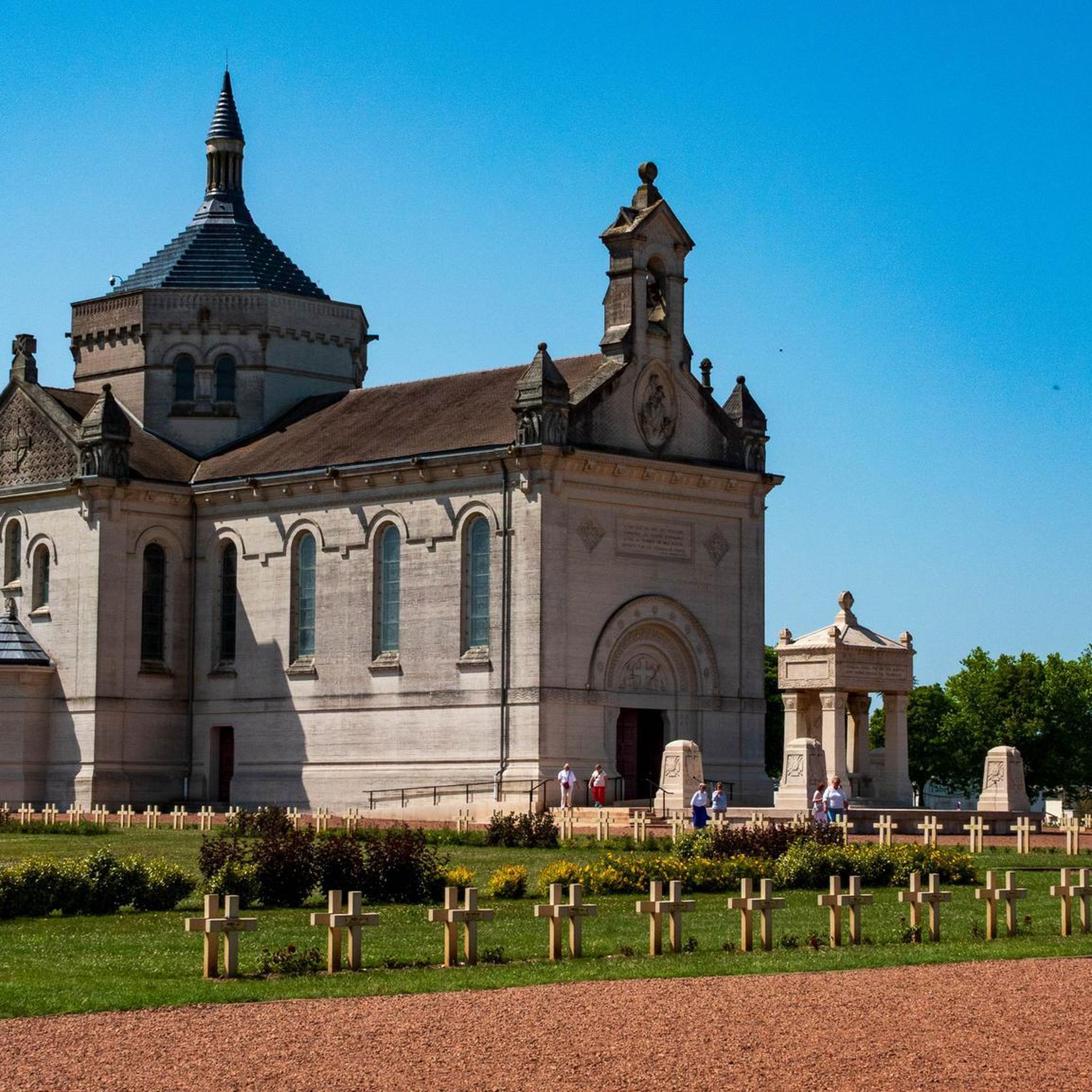
The Battle of Vimy Ridge (April 9-12, 1917) This is one of the most famous battles for Canadians during the First World War. Vimy Ridge was a strategic position fortified by the Germans since 1914. In April 1917, the four Canadian divisions, united for the first time, attacked to retake it. - 💥 The bombardments that created the shell holes Before the assault For several weeks, Allied artillery (mainly British and Canadian) bombarded the German positions to weaken the defenses, cut the barbed wire, and destroy the enemy trenches. It is estimated that more than a million shells were fired in preparation for the attack. During the attack On April 9, 1917, the Canadian infantry advanced under a creeping barrage, that is, artillery fire that advanced just ahead of the soldiers to protect their advance. Result These intense bombardments literally riddled the ridge with craters. Each shell exploding in the ground dug a hole of varying width (depending on the caliber, often between 1 and 5 meters in diameter). 🏞 After the War Why are the shell holes still there? After 1918, it was decided to preserve certain areas as they were, particularly around the future memorial, to demonstrate the scale of the fighting. The land was therefore not leveled or cultivated, unlike other areas of the front, which reverted to agricultural fields. A Landscape for Remembrance The shell craters, reconstructed trenches, and replanted trees (each tree represents a killed Canadian soldier) create a living memorial park, keeping the scars of the conflict visible for future generations.
0
0
Vimy Foundation Centennial Park Vimy Foundation Centennial Park offers visitors a unique and reflective space to reflect on the horrors that occurred on these lands during the Great War, contrasting with the solemnity and grace of the adjacent Canadian National Memorial. The main attraction of the four-acre park is 100 Vimy Oak trees, grown from acorns collected on the battlefield in 1917, along with the Borden bugle, the Centennial Flagpole, and 360-degree memorial views of the First World War battlefield. One hundred years after the war, the Park ensures that we never forget the sacrifice of all those who served our country. The Vimy Foundation The Vimy Foundation is a national charitable organization whose mission is to preserve and promote Canada's legacy of the First World War, symbolized by the victory at Vimy Ridge in April 1917. This momentous event is widely considered a pivotal moment in our history, Canada's first steps onto the world stage. Through youth education programs, awareness campaigns, and legacy projects, including the new Vimy Visitor and Education Centre and Centennial Park, the Vimy Foundation provides Canadians with opportunities to learn how the First World War transformed our nation. Vimy Oaks The park's oak trees are directly descended from acorns collected on the Vimy Ridge battlefield by a Canadian soldier, Lieutenant Leslie Miller of Scarborough, Ontario, and later planted on his farm in Canada, which he named The Vimy Oaks. A number of these majestic oaks are still alive today in Canada, while virtually none of the Vimy Ridge oaks survived the First World War. The Vimy Oaks Legacy Society, a Canadian non-profit volunteer association, was created to repatriate young Vimy oaks descended from acorns collected after the battle. Volunteers landscaped and planted these repatriated Vimy oaks, which now stand guard in this park adjacent to the Canadian National Vimy Memorial.
0
0

it's written like that on the sign
0
0
legend of the fairies who dance around the dolmen
0
0

This site is part of the unknown treasures of the Land of Artois. The various megalithic sites are good for a beautiful walk, among mysteries and legends, history and extraordinary landscapes
1
0

La Carrière de Craie de Bray is a quarry in the municipality of Mont-Saint-Éloi. It is a popular place for hikers and nature lovers because of its beautiful surroundings. The hills around Mont-Saint-Éloi consist of a thick layer of secondary-age chalk, formed by the accumulation of skeletons of marine animals when Artois was submerged in a shallow sea.
8
0
よくある質問
アブレン=サン=ナゼール周辺で訪れるべき人気の自然記念物はありますか?
この地域には多様な自然記念物があります。ヨーロッパで最も高い、再自然化された鉱滓山であり、パノラマビューを提供するルース=アン=ゴエル鉱滓山のユニークな景観を探検できます。もう一つの魅力的な場所は、4000年以上前の古代巨石記念物群であるパッセージ・ドルメン:妖精のテーブルです。
この地域には歴史的に重要な自然記念物はありますか?
はい、いくつかの自然記念物は歴史と深く結びついています。ヴィミー・リッジ砲撃クレーターは、第一次世界大戦中の激しい砲撃によって傷ついた景観を保存しており、生きた記念碑となっています。さらに、4000年以上前の古代巨石記念物であり、先史時代の建造物や地域の伝説への洞察を提供するパッセージ・ドルメン:妖精のテーブルもあります。
どのような地質学的特徴が見られますか?
この地域は、特に白亜の丘陵地帯に見られる顕著な地質学的特徴を特徴としています。モン=サン=エロワにあるブレイ白亜採石場はその代表例であり、古代の海洋生物から形成された二次時代の厚い白亜の層を示しています。これらの白亜質の土壌は、コトー・ダブレン=サン=ナゼール・ア・ブヴィニー=ボエフルなどの地域のユニークな生態系も定義しています。
アブレン=サン=ナゼール周辺に家族向けの自然記念物はありますか?
はい、ヴィミー・リッジ砲撃クレーターは家族向けと考えられており、自然環境の中で感動的な歴史体験を提供します。近くのヴィミー財団センテニアルパークも家族向けで、戦場のドングリから育ったヴィミーオークの木や追悼の眺めがあります。
これらの自然記念物の近くでどのようなアウトドアアクティビティができますか?
自然記念物は、さまざまなアウトドアアクティビティの素晴らしい出発点となります。「ノートルダム・ド・ロレットの丘」や「モン・ド・ジュスティス」のループコースなど、数多くのハイキングコースを見つけることができます。サイクリストには、「ホワイト・ウェイ – オルネ城ループ」のようなロードサイクリングルートがあります。詳細は、アブレン=サン=ナゼール周辺のハイキングまたはアブレン=サン=ナゼール周辺のロードサイクリングルートのガイドページでご確認ください。
自然地域でどのような動植物を観察できますか?
この地域の多様な自然地域、特に湿地帯や白亜の丘陵地帯は、豊かな生物多様性を支えています。例えば、マレ・ド・マロワは、マルシュアイリスや希少なキケマンランなどの注目すべき種、およびデスムーランのキセルガイのような特定の動物相を含む、湿地の動植物の宝庫です。
湿地帯や白亜の丘陵地帯のようなユニークな自然景観はどこで見られますか?
湿地帯については、アブレン=サン=ナゼール近くのマレ・ド・マロワが、沖積環境、自然林、草原を特徴とする優れた選択肢です。特徴的な白亜の丘陵地帯については、コトー・ダブレン=サン=ナゼール・ア・ブヴィニー=ボエフルを探検してください。ここは、自然生態・動物・植物学的重要性地域(ZNIEFF)に指定されています。
自然記念物を訪れるのに最適な時期はいつですか?
春と秋は、ハイキングや探索に快適な気温で、訪問に理想的な時期です。春には、特にマレ・ド・マロワのような湿地帯で植物が開花します。秋には美しい紅葉が楽しめます。夏も楽しめますが、特に鉱滓山のような露出した場所では、暑さに備える必要があります。
自然景観のパノラマビューを提供する展望台はありますか?
はい、ルース=アン=ゴエル鉱滓山の頂上からは、自然がかつての鉱業景観をどのように再生したかを見ることができる、素晴らしいパノラマビューが楽しめます。ヴィミー財団センテニアルパークも、周辺地域の360度の追悼の眺めを提供しています。
アブレン=サン=ナゼール近くに保護された自然地域はありますか?
はい、この地域には重要な保護された自然空間が含まれています。マレ・ド・マロワは、オート=ド=フランス自然空間保護区によって管理されている保護湿地です。さらに、コトー・ダブレン=サン=ナゼール・ア・ブヴィニー=ボエフル・エ・ボワ・ド・ラ・エは、その生物学的および生態学的重要性を示すタイプ1 ZNIEFF(自然生態・動物・植物学的重要性地域)として特定されています。ZNIEFFの詳細については、Patrimoine Naturel Hauts-de-Franceのウェブサイトで学ぶことができます。
自然記念物に駐車場はありますか?
駐車場の利用可能性は場所によって異なります。ルース=アン=ゴエル鉱滓山やヴィミー・リッジ地域(砲撃クレーターやセンテニアルパークを含む)のような人気の場所には、通常、指定された駐車場があります。より小さく、より人里離れた場所では、駐車スペースが限られているか、近くの村の駐車場になる場合があります。訪問前に特定の場所の詳細を確認することをお勧めします。
これらの自然記念物の訪問にはどのくらいの時間を計画すべきですか?
訪問時間は場所によって異なります。パッセージ・ドルメン:妖精のテーブルのような場所を簡単に探索するには、30分から1時間で十分かもしれません。ルース=アン=ゴエル鉱滓山の頂上までハイキングして景色を楽しむには、1〜2時間かかる可能性があります。ヴィミー・リッジの場所(砲撃クレーターやセンテニアルパークを含む)のような地域では、歴史的および自然的な側面を探索するのに半日を簡単に費やすことができます。
アブラン=サン=ナゼールでのの人気観光スポット

komootモバイルアプリでインスピレーションを得よう


さらに探索
これらのガイドで、最高の洞窟を探す範囲を広げましょうアブラン=サン=ナゼールでの:
