ロシュフォールの天然記念物・トップ5
ロシュフォールが誇る美しい風景を見てみたいなら、ロシュフォールの素晴らしい天然記念物・トップ5
に行ってみましょう。あなたにぴったりの場所が見つかるよう、素晴らしい天然記念物を探索するために必要なすべての情報を集めました。次のアウトドアの冒険に出かける計画の参考にしましょう。
最終更新日: 9月 8, 2026
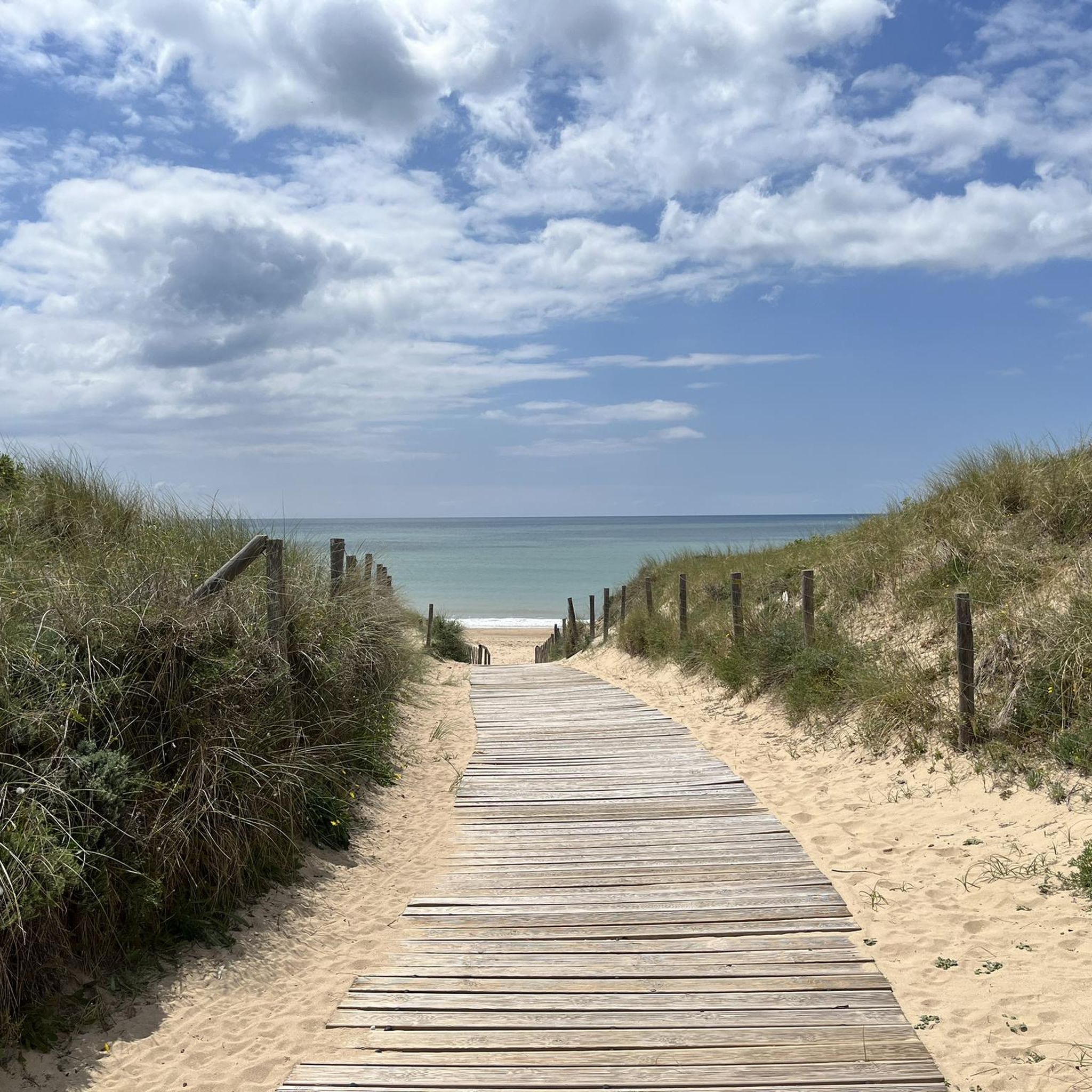
サン=ジョルジュ=ド=ディドンヌのビーチ
ハイライト • ビーチ
翻訳者 Google •
役立つ情報 は

Conche de Gilet
ハイライト • ビーチ
翻訳者 Google •
役立つ情報 は

今すぐサインアップして、こんな場所を発見しよう
最高のシングルトラック、ピーク、その他のエキサイティングなアウトドアスポットのおすすめを受け取ろう。
ギヨン博士の浴槽
ハイライト • 構造物
翻訳者 Google •
役立つ情報 は

Parc de l'Estuaire(パルク・ド・レスチュエール)での河口と白い崖の眺め
ハイライト • 展望台
翻訳者 Google •
役立つ情報 は
マレ・デュ・ドゥエ
ハイライト • 自然
Marshes cover around 40% of the island of Oléron and are a crucial …
翻訳者 Google •
役立つ情報 は

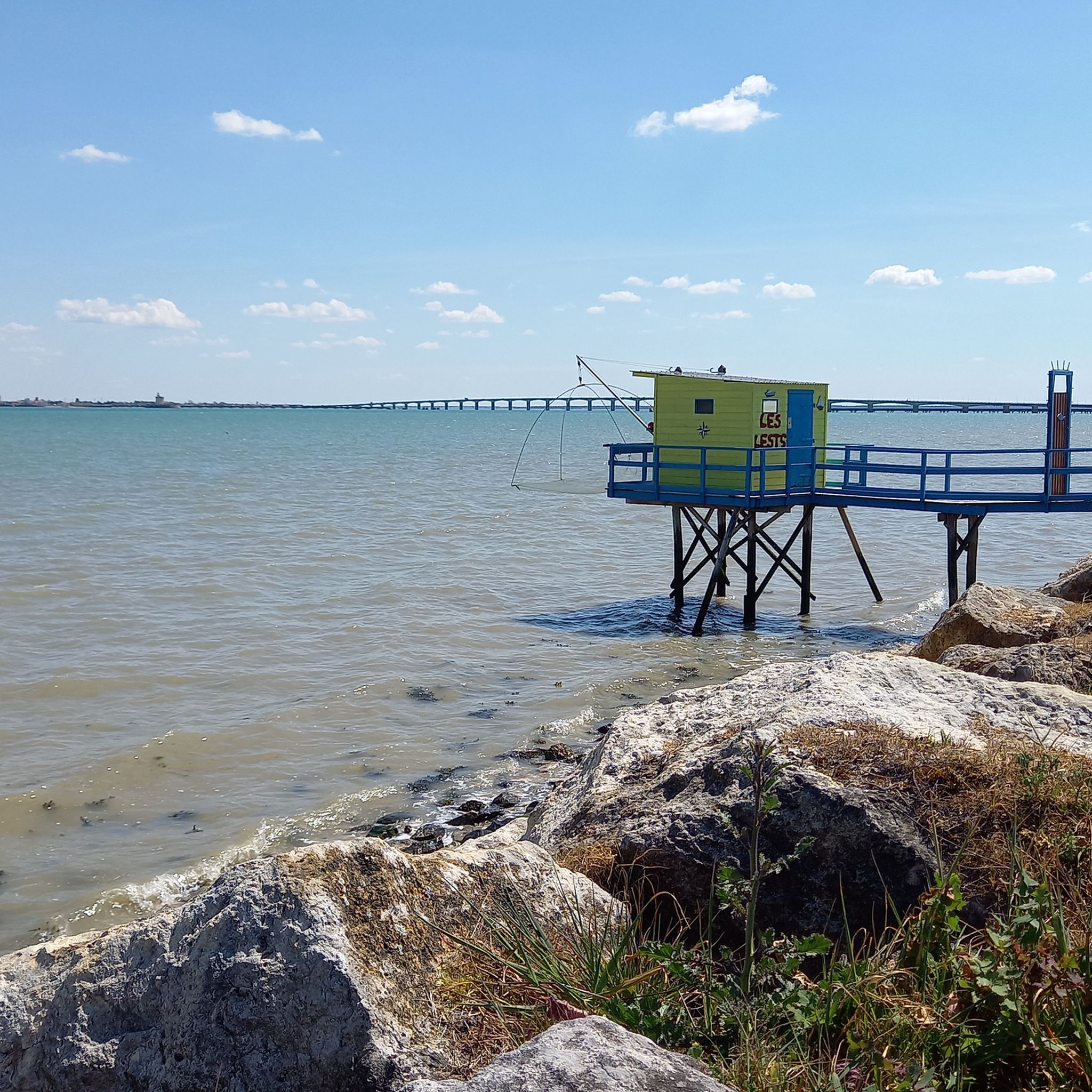
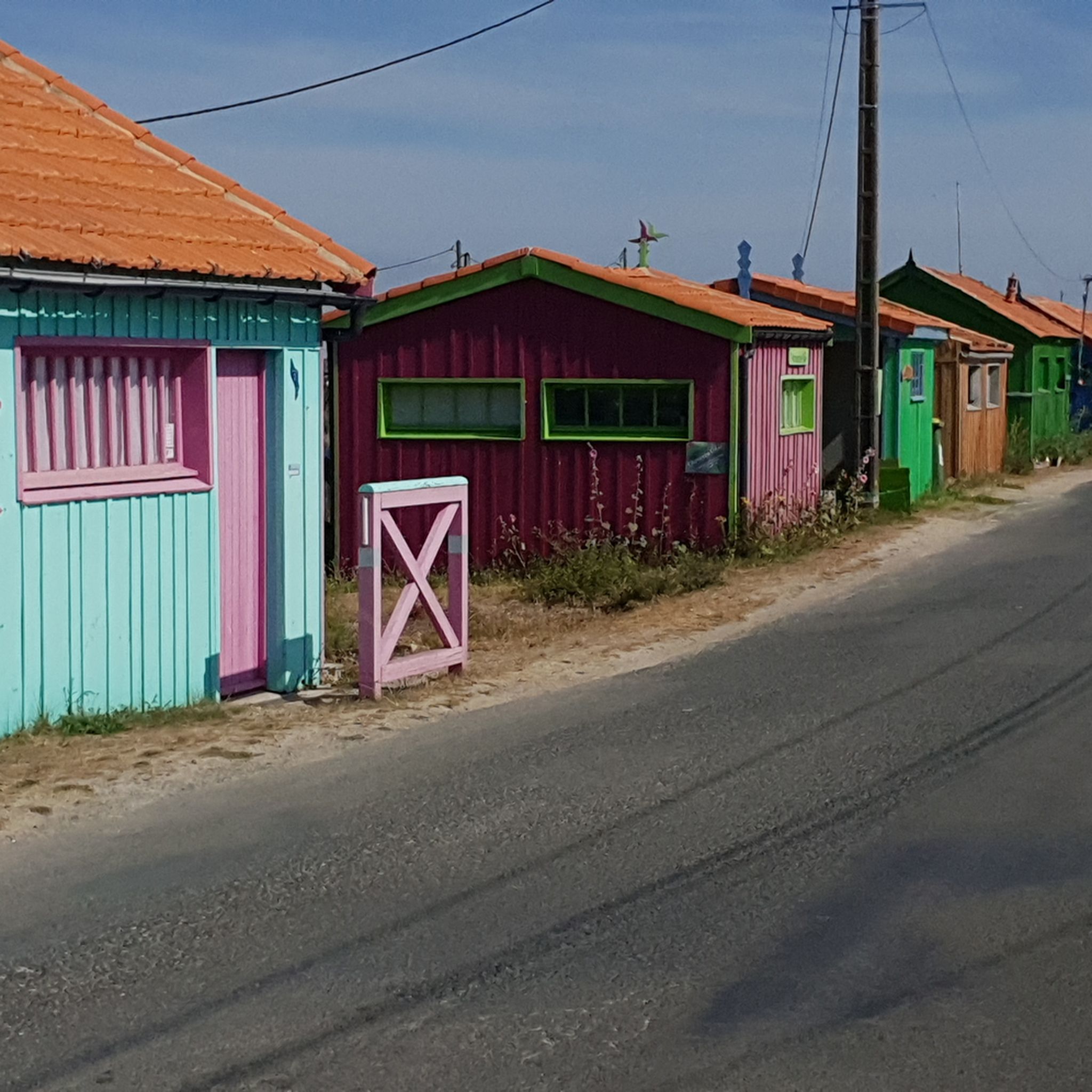
シーアーチとカレレ漁小屋
ハイライト • 自然記念物
役立つ情報 は

無料アカウントで今日から始めよう
次の冒険が待っています。
ロシュフォールでのの他の冒険


コミュニティからのヒント

📍 Location Dr. Guillon's bathtubs are located along the Boulevard de la Côte d’Argent / Corniche de Pontaillac (between Royan and Vaux-sur-Mer), carved into the rocks of the Pontaillac cove facing the sea. They are still visible today, especially at low tide. 👨⚕️ Origin and Historical Context 📜 Dr. Frédéric-Auguste Guillon Frédéric-Auguste Guillon (1808-1890) was a physician, former naval surgeon, then a local councilor and practicing doctor in Royan. He contributed to the development of seawater therapy and thalassotherapy (treatments using seawater) on the Atlantic coast in the 19th century, a time when sea bathing was prescribed for health reasons. 🏖️ Construction of the "Bathtubs" In 1872, Dr. Guillon had a series of pools and bathtubs carved directly into the rocks of Bec des Brandes in Pontaillac. These pools were filled with seawater heated by the sun between tides. The aim was to offer natural therapeutic baths, particularly for treating scrofula, a chronic lymphatic and skin condition common at the time. 🛁 Description of the Facilities The facilities included: A large natural pool carved into the rock, Two large pools, Three individual bathtubs carved into the cliff face, which were filled with seawater at each tide. These structures provided access to seawater baths without having to directly face the currents or the depths of the ocean – a hygienic and medical approach ahead of its time. 🩺 Therapeutic Purpose At the time: Sea bathing was considered beneficial to health, improving circulation, treating chronic infections, and promoting overall well-being. Dr. Guillon's baths constituted an early form of thalassotherapy, combining the effects of seawater, sea air, and sunlight. 🌊 Heritage and Current Visibility Although the facilities are no longer used as treatment centers, the baths remain visible today on the rocks of Pontaillac, particularly at low tide. A tourist information panel installed by the city of Royan explains their origin and historical significance.
0
0
📍 Introducing the Gilet Cove The Gilet Cove is a small, natural beach on the oceanfront, located on Boulevard de la Conche de Gilet / Boulevard de la Falaise, in the town of Vaux-sur-Mer, just before Royan. 🌿 It's a sheltered, rocky cove, appreciated for its tranquility and more intimate setting compared to the larger urban beaches nearby. 🏖️ At high tide, the sea can completely cover this small beach, making the space very limited; at low tide, you can enjoy a patch of sand and rocks for relaxing or swimming. 🧭 Features & Tips 📍 Type of place: small, unsupervised beach, nestled among the rocks with sand and cliffs. 🏖️ Tides: access is best at low tide — at high tide the beach can disappear underwater. 🐶 Animals: prohibited from April 1st to September 30th (subject to municipal regulations). 👣 Access: via stairs from the boulevard above, surrounded by villas with sea views. 🚫 Lifeguard services: no lifeguard station or marked services. 📍 Location La Conche de Gilet is often considered the last small beach in Vaux-sur-Mer before reaching Royan/Pontaillac when following the coastline from Saint-Palais-sur-Mer.
0
0

In 1872, Doctor Guillon had egg-shaped bathtubs dug into the rocks of Bec des Brandes in Pontaillac, where the sea entered through an orifice and which were used to treat scrofula (common chronic infections of the skin and mucous membranes). They are still visible on the rocks near the Villa Les Roches.
0
0

Great park with a very nice café and a magnificent view over the sea.
0
0

The Grand Marais of the island of Oléron is a wetland of great ecological and cultural importance. Marshes cover around 40% of the island of Oléron and are a crucial habitat for many species of birds and plants. They are also classified as Natura 2000 protected natural areas. These marshes are not only natural treasures but also witnesses to local history and traditions.
0
0

If you are looking for a quiet and shady place to relax, the Conche de Gilet is a natural gap in the rocks which offers a narrow and peaceful beach. Please note, however, that the beach is only accessible at low tide, as the sea completely covers it at high tide.
2
0
This nature center really offers you a fun and educational discovery of the region's fauna and flora. With a 55-meter high watchtower and an exhibition-discovery center, you will discover the history of the lighthouse of Cordouan, classified as a UNESCO World Heritage Site, as well as the biodiversity of the mouth of the estuary. from the Gironde. You can also sit and enjoy the cafe on site.
2
0

Superb point of view!
0
0
ロシュフォールでのの人気観光スポット

komootモバイルアプリでインスピレーションを得よう


探していたものは見つかりませんでしたか?
地域ごとのトップハイライトをチェックして、さらに素晴らしい自然のモニュメントを見つけましょうロシュフォールでの:
さらに探索
これらのガイドで、最高の洞窟を探す範囲を広げましょうロシュフォールでの:
