カネットデマールの天然記念物・トップ20
カネットデマールが誇る美しい風景を見てみたいなら、カネットデマールの素晴らしい天然記念物・トップ20
に行ってみましょう。あなたにぴったりの場所が見つかるよう、素晴らしい天然記念物を探索するために必要なすべての情報を集めました。次のアウトドアの冒険に出かける計画の参考にしましょう。
最終更新日: 10月 4, 2026
ドルメン・デ・ペドラ・ヘンティル
ハイライト • 歴史的な場所
翻訳者 Google •
役立つ情報 は

ドルメン・デ・カ・ラレネス
ハイライト • 歴史的な場所
翻訳者 Google •
役立つ情報 は

今すぐサインアップして、こんな場所を発見しよう
最高のシングルトラック、ピーク、その他のエキサイティングなアウトドアスポットのおすすめを受け取ろう。
モンタルト
ハイライト • 山頂
Montalt is a mountain that belongs to the Catalan coastal range, within the Corredor mountain range and the …
翻訳者 Google •
役立つ情報 は

蹄鉄石
ハイライト • 自然記念物
翻訳者 Google •
役立つ情報 は

フォント・デ・ラ・リョリタ
ハイライト • 自然記念物
翻訳者 Google •
役立つ情報 は

無料でサインアップして、さらに多くの自然記念物を発見しましょう カネットデマールでの。
すでにアカウントをお持ちですか?
無料アカウントで今日から始めよう
次の冒険が待っています。

コミュニティからのヒント

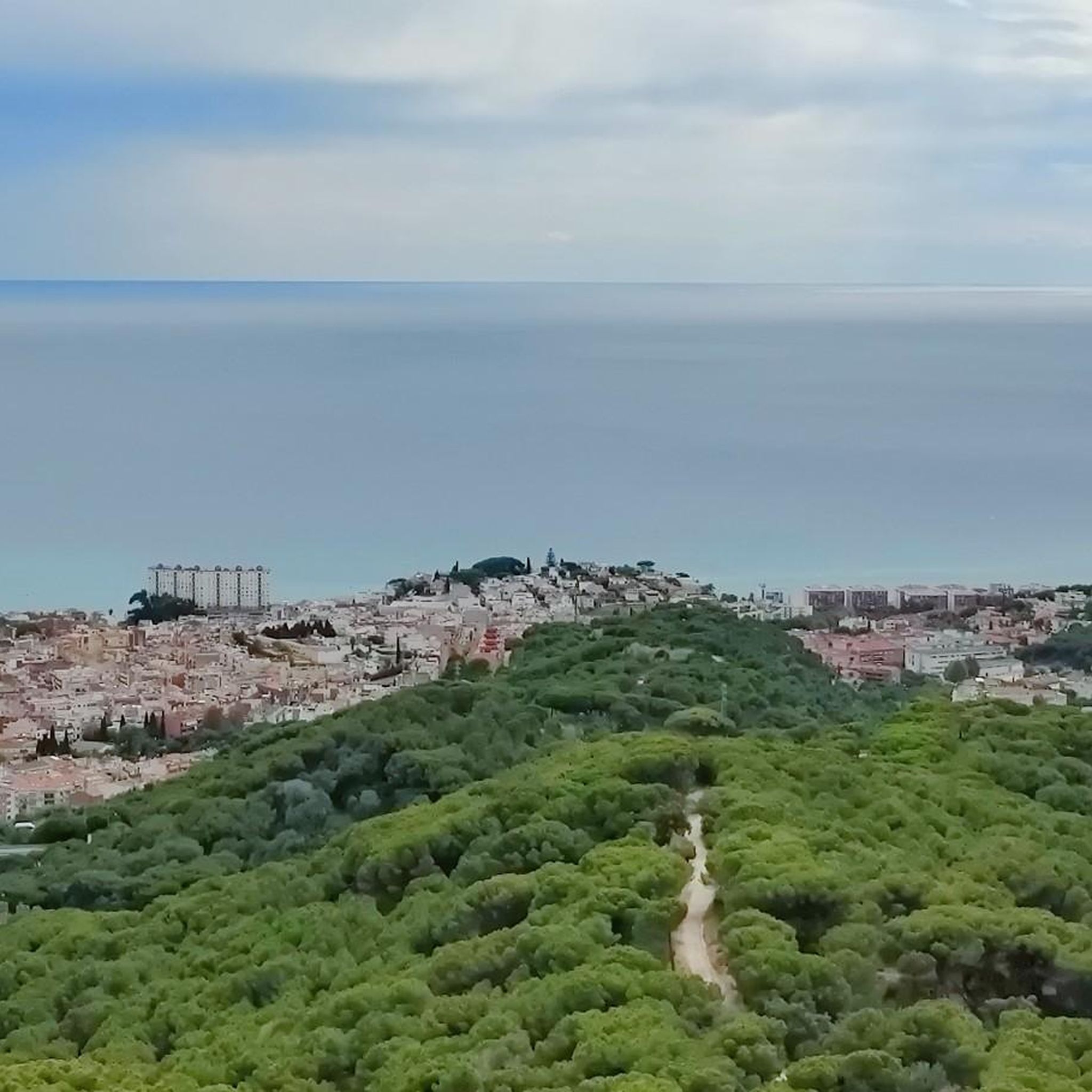
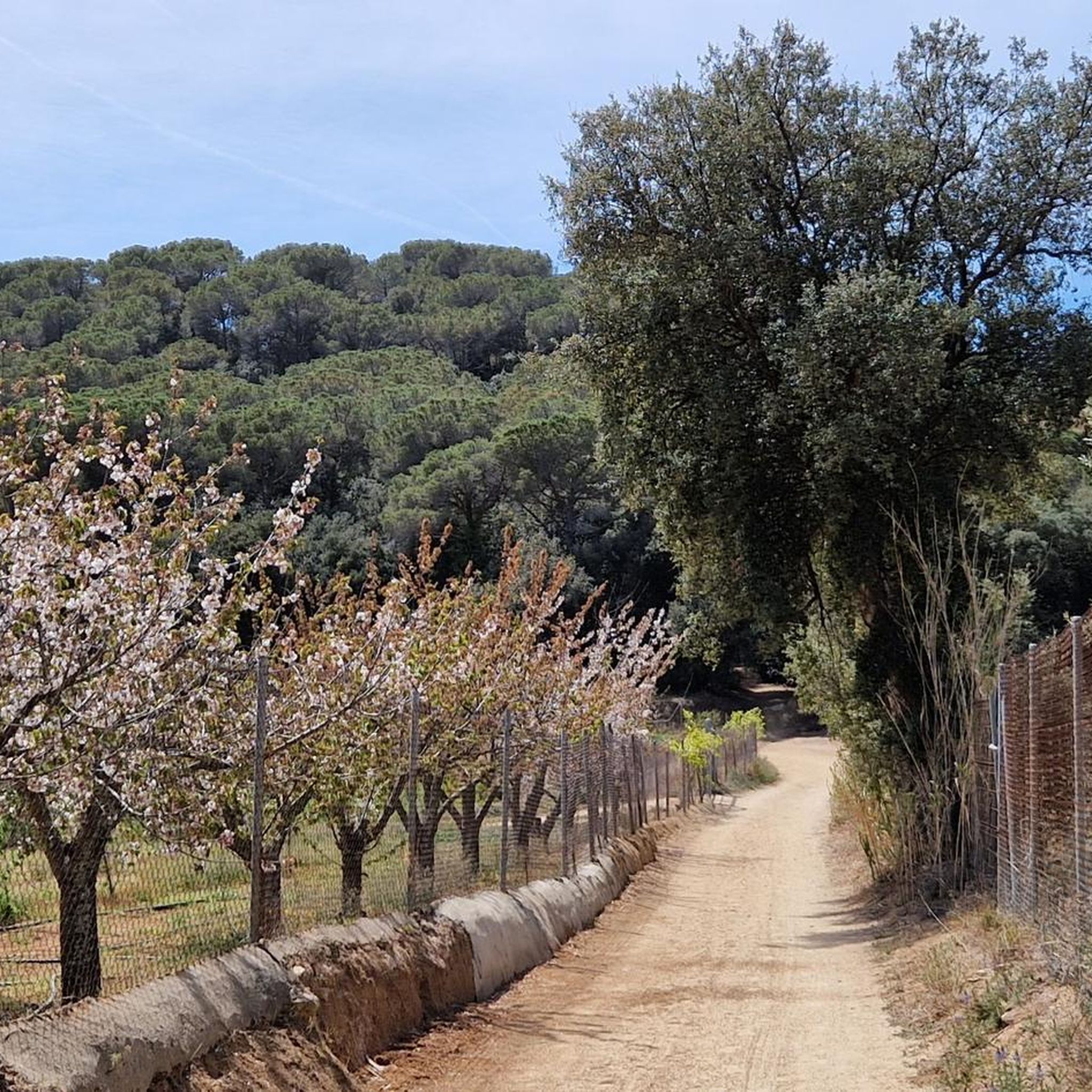
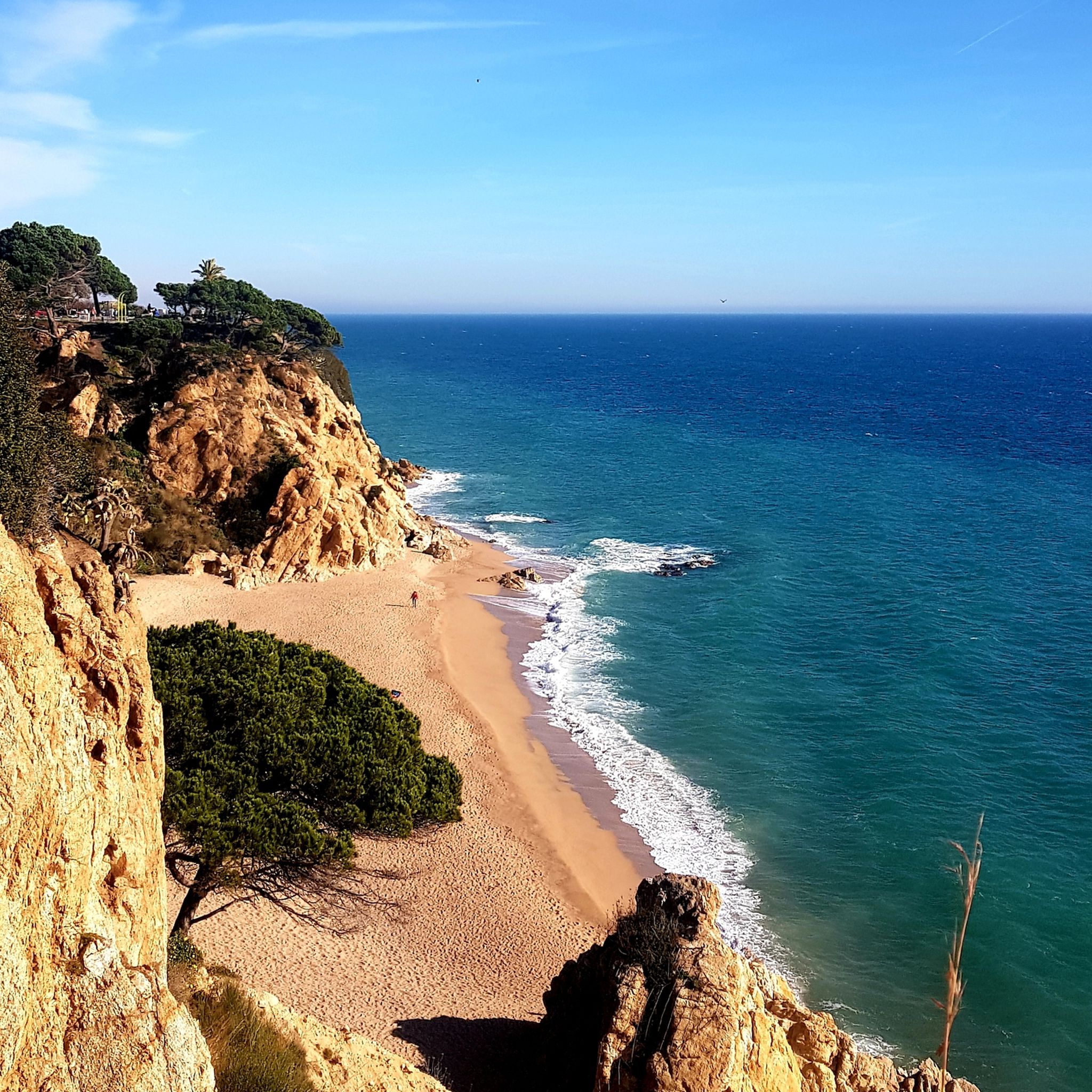
この場所にはすべてがあります。5,000年の歴史、魔女、そしてオリジナルとどれほど似ているか誰もよく知らない19世紀の再建まであります。 何世紀にもわたり、この地域に住む魔女たちが集まって魔宴を開いていたという伝説がありました。確かなことは、1855年にジョセップ・プラデルがドルメンを修復することを決め、巨大な上部スラブを元に戻したことです。これは、カタルーニャにおけるドルメンの最初の知られた修復でした。 ですから、自転車でここに着き、森の真ん中にある巨大な石のテーブルのようなものを見たら、少し立ち止まってください。先史時代、伝説、そしてかなりの謎が数メートルに凝縮されています。 そして、夕暮れ時に到着して、誰かが石の周りをうろついているのを見たら…私は何も尋ねません。ペダルを漕ぎ続けます。
1
0

Parc i Font de la Llorita Aquest indret, molt a la vora del centre urbà, va ser des dels anys cinquanta un lloc d'esbarjo per a molts llavanerencs. Al costat de la riera i a l'ombra de les alzines i altres arbres centenaris, es va construir una font i diversos bancs; durant alguns anys, també s'hi instal·lava, a l'estiu, un petit "merendero". Eren moltes, les colles d'amics que als vespres d'estiu es portaven les taules i cadires per anar a sopar sota la fresca dels arbres. També s'hi organitzaven ballades de sardanes i altres actes festius i també era un lloc habitual per als infants de les escoles que hi anaven, la tarda del dijous gras o altres dies, a fer una excursió i berenar. Font: Ajuntament de Sant Andreu de Llavaneres
1
0
It's a megalithic tomb, approximately 5,000 years old, discovered in 1997 and restored in 2006-2007. Located in the heart of the Montnegre i el Corredor Natural Park, it's easy to miss, but it has a history: it belonged to a Neolithic community that used it as a collective grave. Interestingly, remains of the tumulus that covered it are still preserved, which is unusual, and its orientation seems related to astronomical events, like other dolmens in the area. It's an archaeological rarity in the middle of a prime cycling area, perfect for stopping and reflecting that humans once walked this path... but without helmets.
2
0

They've now built a staircase to access the Dolmen... With this staircase, just a few meters long... It seems they'll save the site from erosion... Sometimes the conservation and environmental councils are pitiful... It seems the only ones degrading the paths... are hikers and bikers... When we're fed up with seeing how the water destroys the paths to the point where we can't pass... 🙃
1
0
Megalithic structure Rebuilt in 1855, Where the original structure was a 4000 year old DOLMEN, which served As a chamber tomb Simple...🧐
1
0

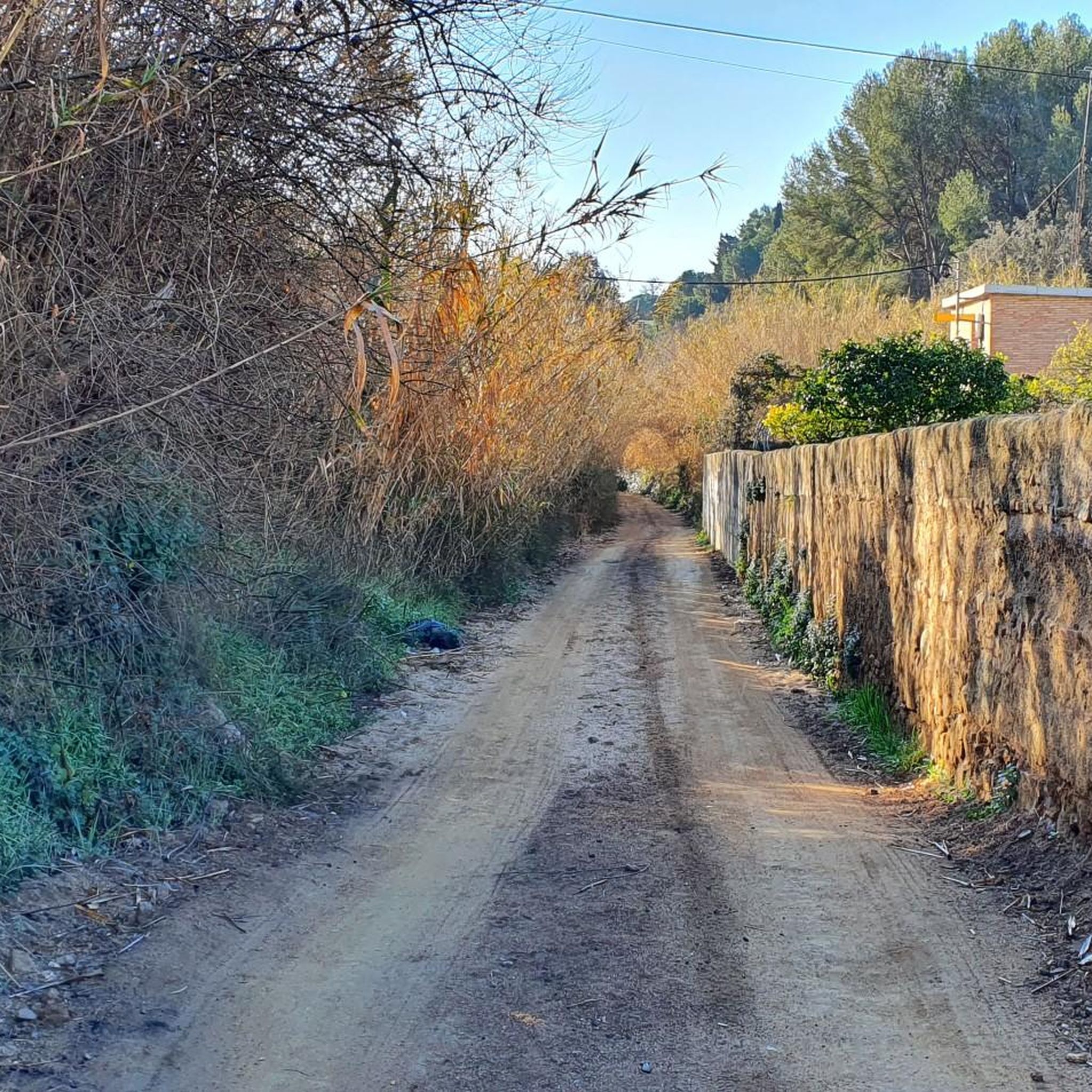
It belongs to the Montnegre Park and almost all the paths can be done either on foot or by bike (the dolmen path is quite broken "stones")
3
0
Next to the stream and in the shade of oaks and other centuries-old trees, a fountain and several benches were built; for some years, a small "merendero" was also installed there in the summer. There were many groups of friends who on summer evenings brought their tables and chairs to have dinner under the cool shade of the trees.
6
0

It is a large granite block located between Turó de Montalt (596 m) and Turó del Mig (550 m), a hill where the municipal limits of Arenys de Munt, Dosrius and Sant Vicenç de Montalt meet. Of the two stones, the smaller one has an engraving that seems to represent a horseshoe, although the meaning is unknown. It could be, for example, a mark to delimit the old parishes. Granite is a hard rock, with a granular texture, which in the Maresme has been used for construction. Fresh granite is known as "snake's eye" as it is made up of a black mica which, in contrast to the other components, is reminiscent of a snake's eye. In this environment and during the next section of the route, we will find small accumulations of granite blocks, disordered, heterometric and rounded, which accumulate in a horizontal or slightly inclined relief. These capricious formations have their origin in weathering. Later, the rainwater dissolves the feldspar and the large initial rock cracks and gives rise to rounded shapes and a kind of sand, called "sauló" in Catalan.
2
0
カネットデマールでのの人気観光スポット

komootモバイルアプリでインスピレーションを得よう


さらに探索
これらのガイドで、最高の洞窟を探す範囲を広げましょうカネットデマールでの:
