オリウスの天然記念物・トップ4
オリウスが誇る美しい風景を見てみたいなら、オリウスの素晴らしい天然記念物・トップ4
に行ってみましょう。あなたにぴったりの場所が見つかるよう、素晴らしい天然記念物を探索するために必要なすべての情報を集めました。次のアウトドアの冒険に出かける計画の参考にしましょう。
最終更新日: 8月 25, 2026
エル・カポラテッル(ブサの監獄)
ハイライト • 自然記念物
翻訳者 Google •
役立つ情報 は

プラ・デ・ブサの断崖
ハイライト • 自然記念物
翻訳者 Google •
役立つ情報 は

今すぐサインアップして、こんな場所を発見しよう
最高のシングルトラック、ピーク、その他のエキサイティングなアウトドアスポットのおすすめを受け取ろう。
無料新規登録
Pla de Busa
ハイライト • 自然記念物
In 1811, in the context of the French War (1808-1814), the Captain General of Catalonia, Luis de Lacy, decided to base the defense …
翻訳者 Google •
役立つ情報 は

ジョセップ・カセス展望台(リョサ・デル・カバイ湖)
ハイライト • 展望台
翻訳者 Google •
役立つ情報 は
無料アカウントで今日から始めよう
次の冒険が待っています。
ログインまたは登録

コミュニティからのヒント

下りに関する重要な注意:下りは全体で約20%の勾配があります。ビューポイントの後、最初は狭くて非常に滑りやすいトレイルセクションがあります。その後、突然クライミングセクションが続きます。全体として、このルートは中程度の難易度ではなく、むしろ難しいと評価します。
0
0

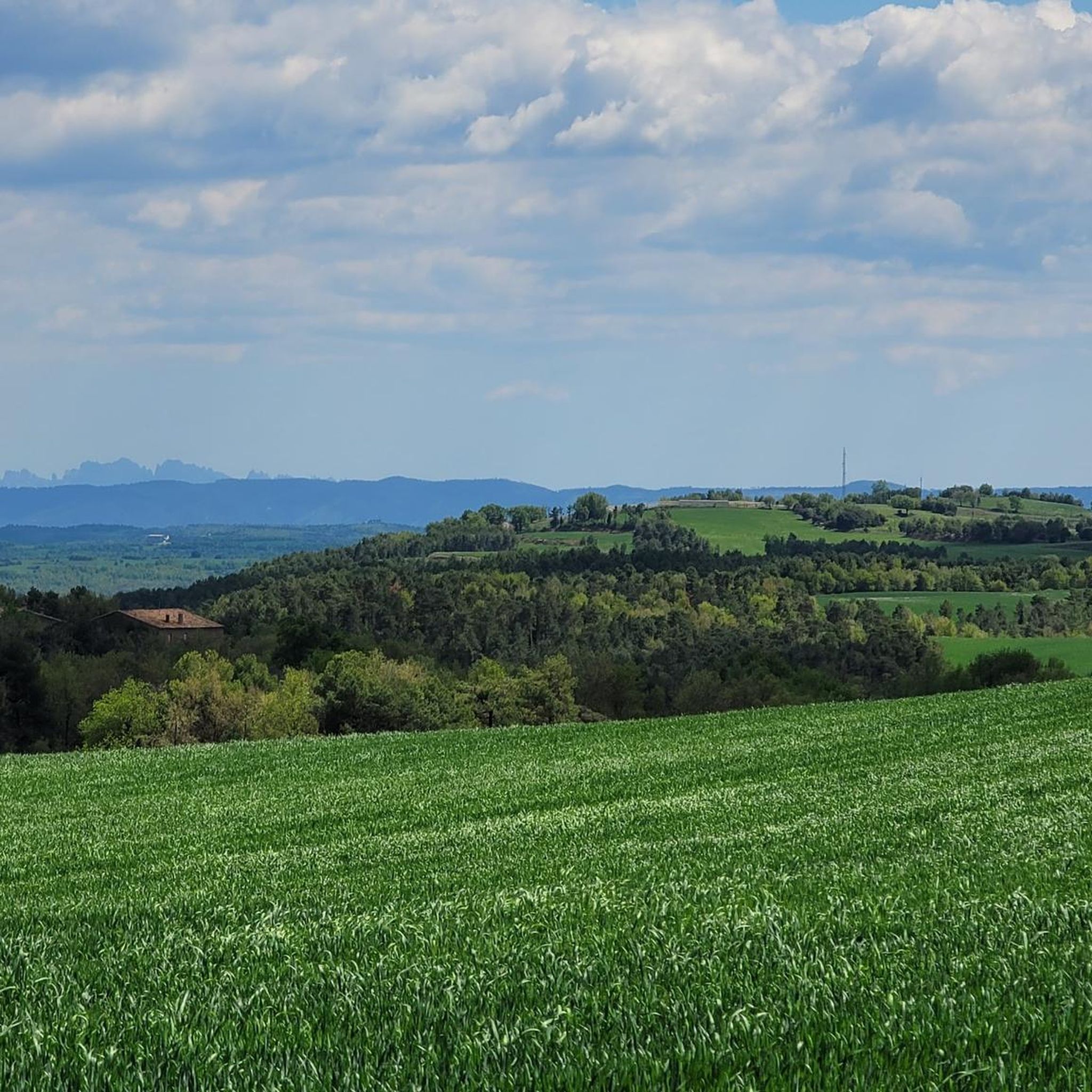
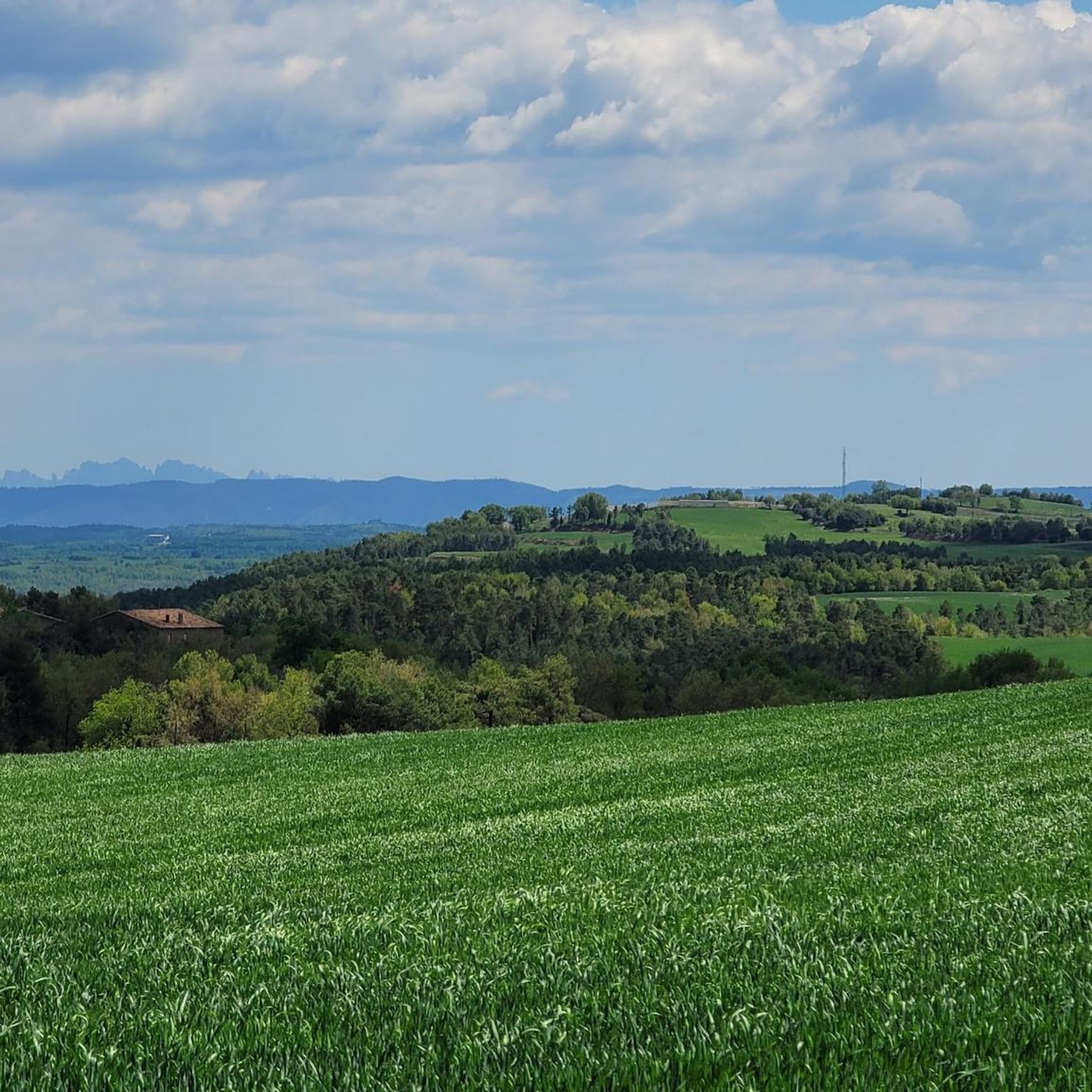
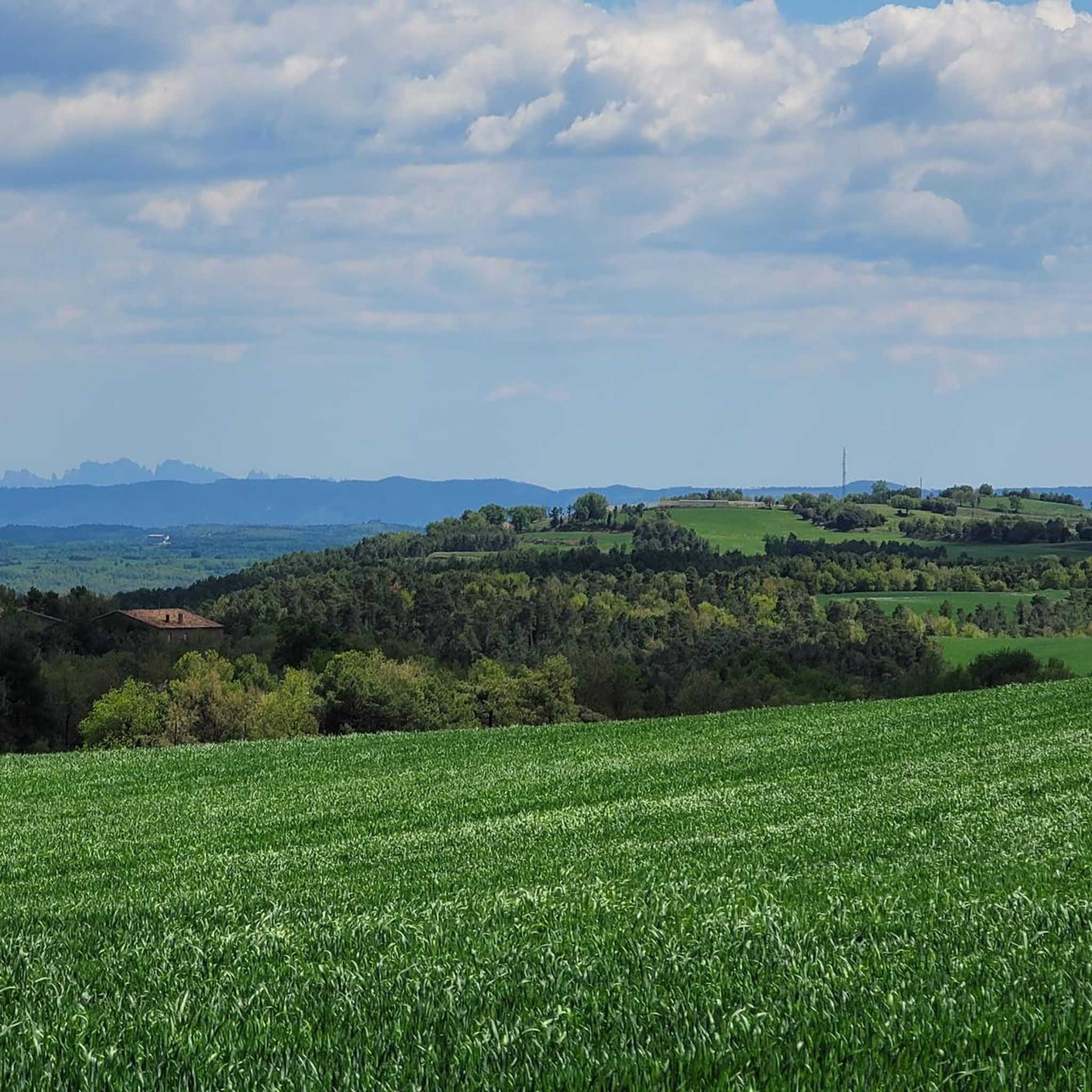
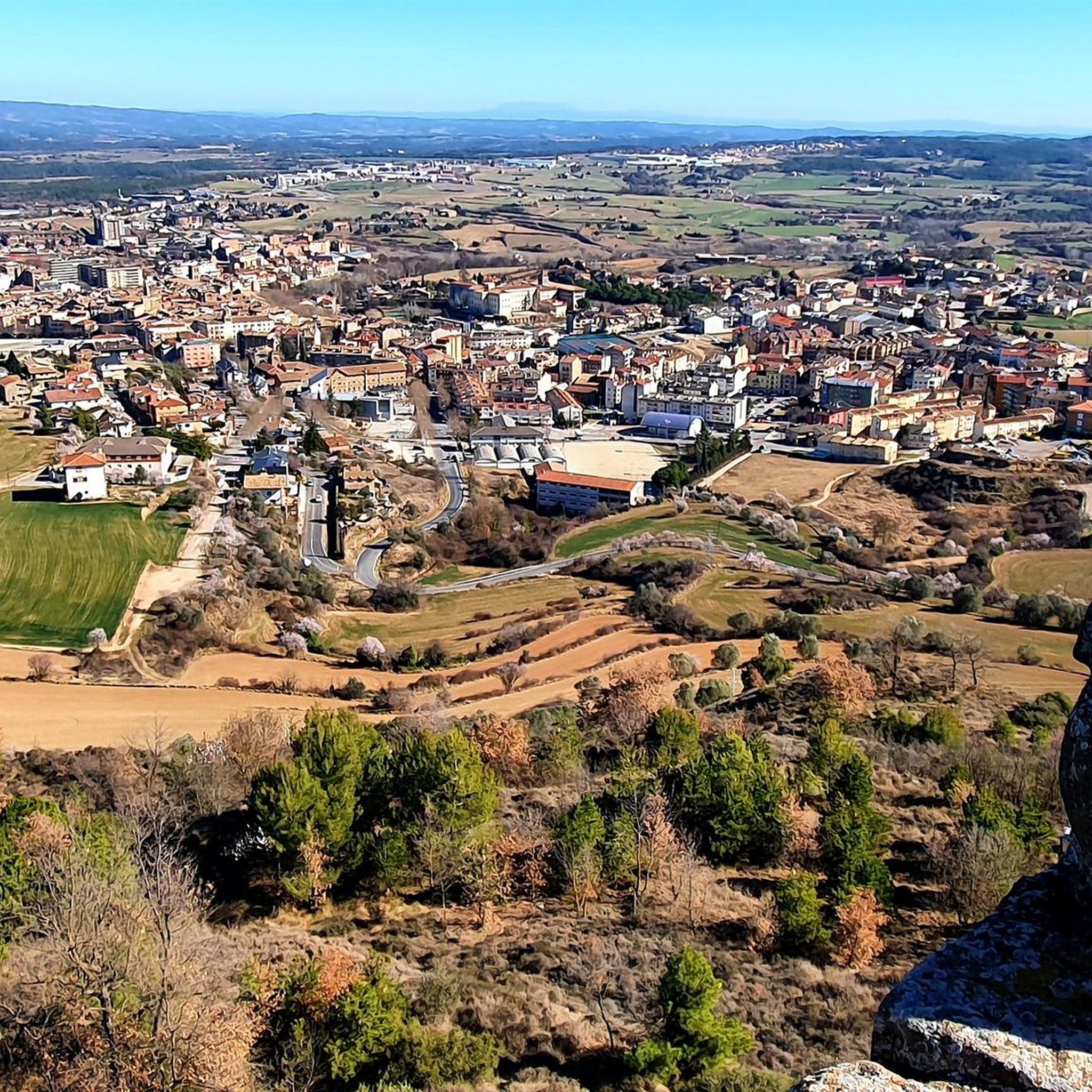
The Verger viewpoint was appropriated by the Ja Arribarem-Club Excursionista Group on its 25th anniversary (2017) and dedicated it to Josep Cases, one of its members who died of illness a few months ago. It is a good vantage point with a panorama that covers from Cap de Verd to the Serres de Busa - Bastets and at its feet the swamp of Llosa de Cavall.
0
0

The jail or prison of Busa is located in El Capolatell, a plain surrounded by cliffs located in the municipality of Navès, in the Sierra de Busa. Being separated from the plane by a deep crack, it remains like a natural island, surrounded by cliffs. It was used as a prison during the French War of Independence. A place with a lot of history.
0
0

The natural prison of Busa is located in the Capotell. A plane surrounded by cliffs where it could only be accessed by a bridge that connected with this type of natural island that was placed and removed during the French War to enter prisoners.
1
0
Good views of the Losa del Caballo reservoir, the Sierras de Busa, Ensija and del Verd.
1
0
During the 1936-1969 Civil War, many Republican army fugitives hid in the natural caves and caverns of these cliffs and in expressly dug holes. They chose hard-to-reach places, which were perfectly camouflaged in the surroundings, from which they could watch without being seen. The location of most of these hiding places is still a jealously guarded secret today.
1
0
The Pla de Busa, a natural fortress. In 1811, in the context of the French War (1808-1814), the Captain General of Catalonia, Luis de Lacy, decided to base the defense of the Principality on the axis La Seu d'Urgell - Solsona - Cardona, and set up a recruitment and training camp in Pla de Busa, taking advantage of the steep cliffs that surround it to make it a natural, isolated and impregnable island. Weaknesses were fortified and about a thousand wooden huts were built to accommodate a contingent of a few thousand soldiers. The name of one of the houses still standing, Ca l'Artiller, testifies to this event. At the bottom of the Pla, to the west, is the Capolatell, a rock separate from the rest that was used as a prison. It is said that some of the soldiers threw themselves down the cliff with the cry "Mourir a Busa et resurgir a Paris".
1
0
The peak is completely surrounded by nearly vertical cliffs of a hundred meters of difference except at its eastern end where it presents a narrow gorge through which it joins the Serra de Busa. At this point the cliff must not be much more than ten meters deep. Despite this, it is high enough to require a lever or bridge to access the grinding wheel. Until about fifteen years ago, it consisted of a pair of logs joined by horizontal wooden planks and had no railings. Due to its precarious state, it was replaced by a metal lever by the neighbors of Navès. The mill is made up of Montserrat conglomerates and is notched by numerous chasms. Of particular note is one located at the south-western end called the Capolatell chasm with a depth of 115 meters, which makes it the second deepest chasm in the region, surpassed only by the Montserrat Ubach chasm. This very particular morphology led to the fact that during the French war (1808-1814) the Capolatell was used as a prison for soldiers of Napoleon's army, which led to the fact that even today the Capolatell is also known by the name of the Busa Prison At its western end we find a viewpoint that takes your breath away.
0
0
オリウスでのの人気観光スポット

komootモバイルアプリでインスピレーションを得よう


