プルナの天然記念物・トップ5
プルナが誇る美しい風景を見てみたいなら、プルナの素晴らしい天然記念物・トップ5
に行ってみましょう。あなたにぴったりの場所が見つかるよう、素晴らしい天然記念物を探索するために必要なすべての情報を集めました。次のアウトドアの冒険に出かける計画の参考にしましょう。
最終更新日: 11月 1, 2026
サフラマゴン高架橋
ハイライト • 橋
It was built to span the Guadalporcún River crossing …
翻訳者 Google •
役立つ情報 は

ペニョン・デ・サフラマゴン自然保護区
ハイライト • 自然記念物
翻訳者 Google •
役立つ情報 は
今すぐサインアップして、こんな場所を発見しよう
最高のシングルトラック、ピーク、その他のエキサイティングなアウトドアスポットのおすすめを受け取ろう。
ペニョン・デ・アルガミタス
ハイライト • 山頂
翻訳者 Google •
役立つ情報 は

ピコ・デル・テリル
ハイライト • 山頂
翻訳者 Google •
役立つ情報 は
セテニル・デ・ラス・ボデガスの眺め
ハイライト • 展望台
Setenil de las Bodegas Castle is located in the urban area, in its highest part and next to the impressive Church of Nuestra Señora de …
翻訳者 Google •
役立つ情報 は

無料でサインアップして、さらに多くの自然記念物を発見しましょう プルナでの。
すでにアカウントをお持ちですか?
無料アカウントで今日から始めよう
次の冒険が待っています。
コミュニティからのヒント


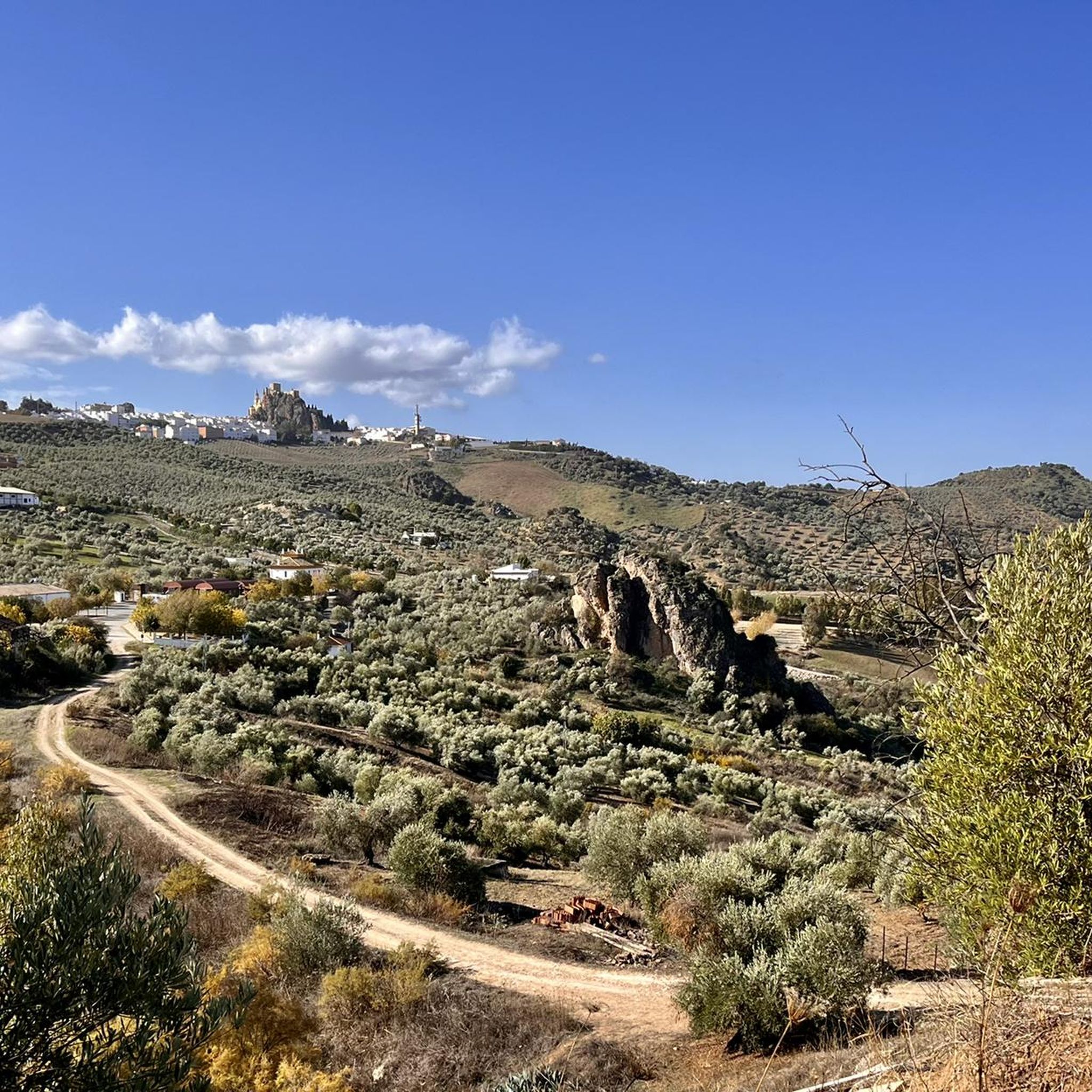
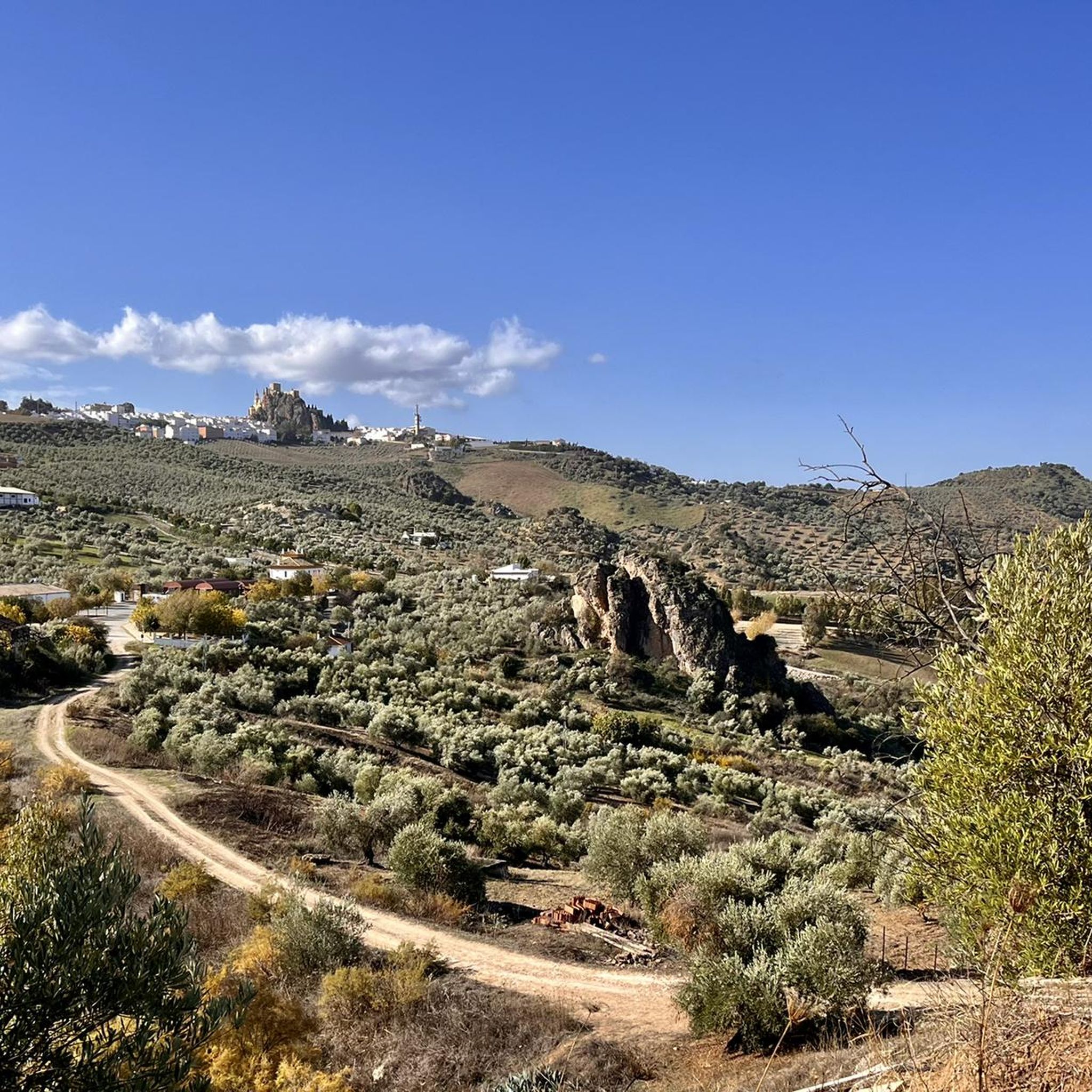
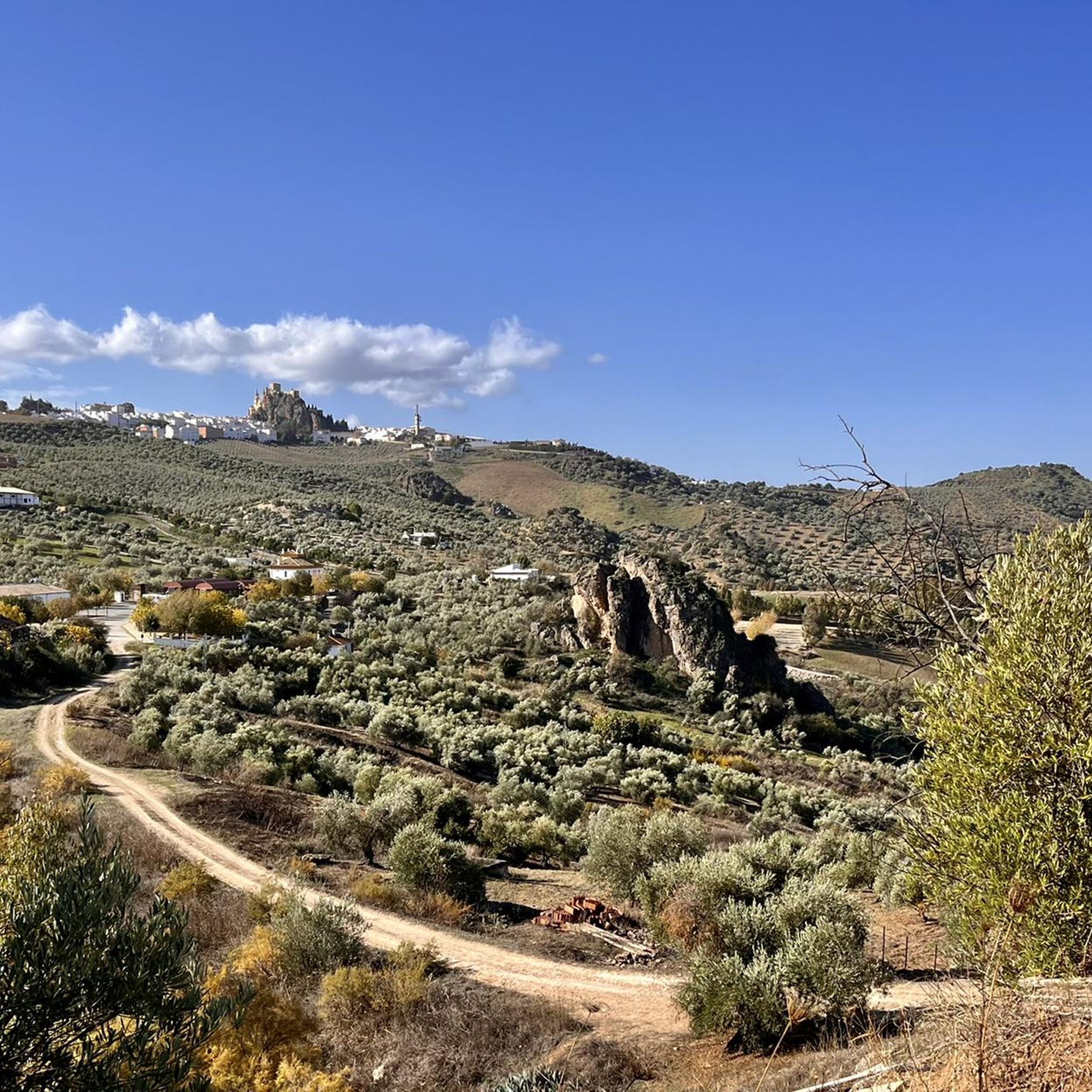
Setenil de las Bodegas Castle, located at the highest point of the town center next to the Church of Our Lady of the Incarnation, is a fortress of Andalusian origin with a rich history and notable architectural elements. It was built during the Arab occupation, probably in the Almohad period (12th-13th centuries). Its strategic position made it a key defensive bastion against Christian troops. After seven attempts at conquest, it was finally captured by the Catholic Monarchs on September 21, 1484, as described in the chronicles of John II of Castile. Next to the castle is this viewpoint, from which you can enjoy impressive views of the town center and the natural surroundings of Setenil.
6
0
The view from Setenil de las Bodegas Castle is one of the most spectacular in this picturesque town in the province of Cádiz. Located at the highest point of the town, next to the Church of Nuestra Señora de la Encarnación, the castle offers a privileged panoramic view of Setenil's urban and natural landscape.
6
0
It was part of the old Nasrid castle that dominated Setenil during the Muslim era. It was conquered by the Catholic Monarchs in 1484, after seven siege attempts, giving rise to the town's name: Septem Nihil ("seven times nothing" in Latin). The tower is the most notable surviving element of the castle, along with the Arab cistern and more than 500 meters of wall.
7
0
The Setenil de las Bodegas Tower, also known as the Keep, is one of the most important vestiges of the town's medieval past and a must-see if you're interested in history and defensive architecture.
7
0


A 135-meter-long viaduct, built using rectangular truncated pyramidal pilasters with mortared ashlars, is formed by the repetition of seven identical arches. It was built to span the Guadalporcún River crossing before it meets the Guadamanil River. The latter originates in the Sierra de la Lebrona mountain range in the municipality of Pruna (Seville) and flows into the Guadalporcún River just a few meters from the viaduct. The confluence of the rivers has created a wide floodplain. From this railway infrastructure, there is a privileged view of the Estrechón Canyon, a natural passage carved by the Guadalporcún River to traverse the foothills of the Zaframagón Rock. Just below, on the left bank of the Guadalporcún, we find the ruined building of what was once the Zaframagón mill. A little further west, other ruins can be seen. It is a small town built for workers on the railway line construction site.
8
0
プルナでのの人気観光スポット

komootモバイルアプリでインスピレーションを得よう


さらに探索
これらのガイドで、最高の洞窟を探す範囲を広げましょうプルナでの:
