メンタナの天然記念物・トップ5
メンタナが誇る美しい風景を見てみたいなら、メンタナの素晴らしい天然記念物・トップ5
に行ってみましょう。あなたにぴったりの場所が見つかるよう、素晴らしい天然記念物を探索するために必要なすべての情報を集めました。次のアウトドアの冒険に出かける計画の参考にしましょう。
最終更新日: 9月 5, 2026
マルチリアーナ自然保護区
ハイライト • 自然記念物
役立つ情報 は

ガッタチェーカ・エ・デル・バルコ自然保護区
ハイライト • 森
翻訳者 Google •
役立つ情報 は

今すぐサインアップして、こんな場所を発見しよう
最高のシングルトラック、ピーク、その他のエキサイティングなアウトドアスポットのおすすめを受け取ろう。
ラ・トロッシャの古代ブナの木
ハイライト • 自然記念物
翻訳者 Google •
役立つ情報 は

モンティ・ルクレティリの眺め
ハイライト • 展望台
翻訳者 Google •
役立つ情報 は

Pozzo del Merro
ハイライト • 洞窟
翻訳者 Google •
役立つ情報 は

無料アカウントで今日から始めよう
次の冒険が待っています。

コミュニティからのヒント

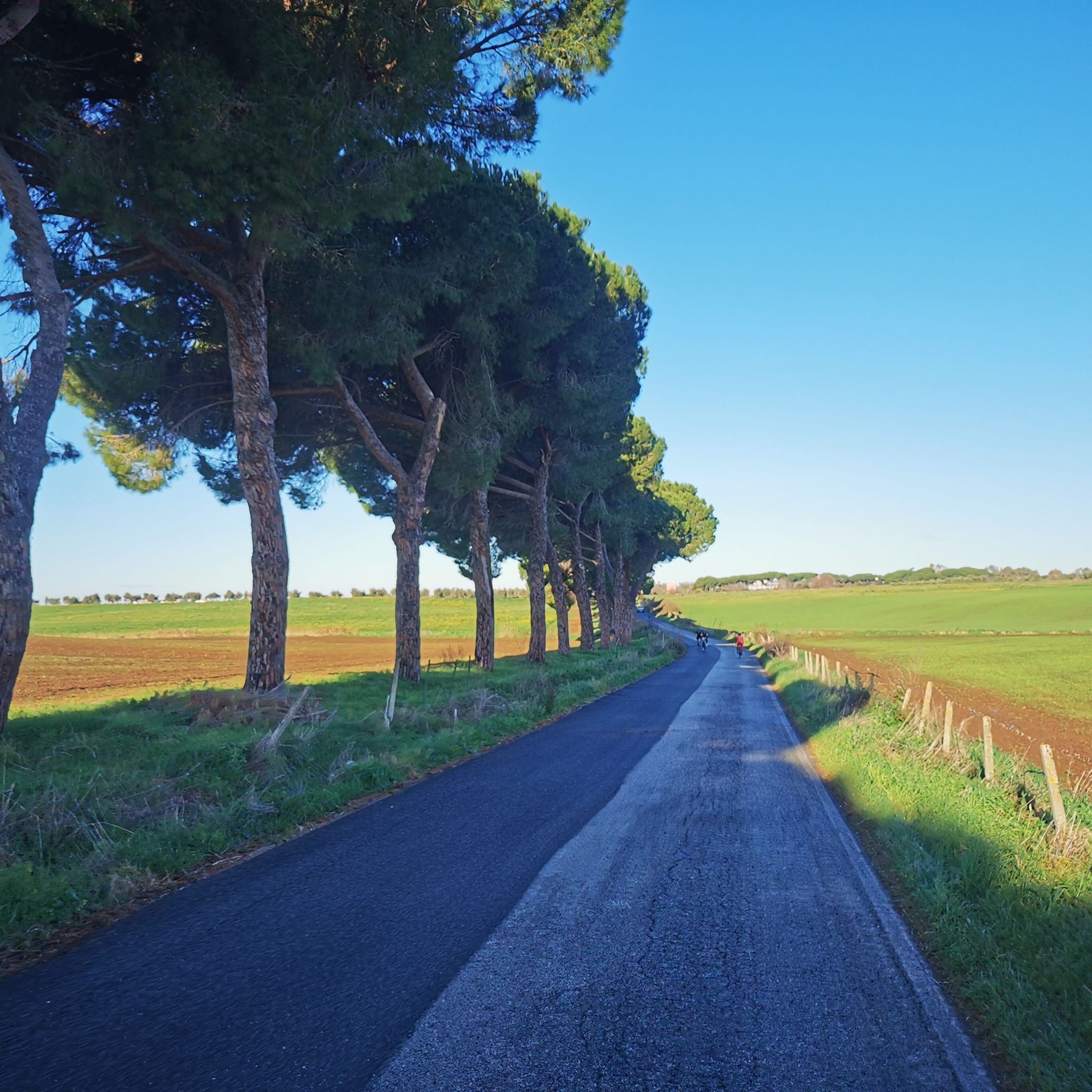
静かなルートで、道はちょうどやり直されました。自転車が多く、車は少ない
0
0

From here on, it's a hike for experts. There are no CAI flags (or at least I didn't see any), nor is the trail clearly marked. There are only a few stone cairns, but it's mostly a matter of feeling. The return time is much longer than indicated.
0
0
Danger!!! the path is not calculated well!!! attention!!!! only for experts!!!!
1
1

The nature reserve extends over about a thousand hectares between the Tiber Valley and the Cornicolani Mountains, in the Roman Sabina. The landscape is hilly, with pasture areas, crops and fragments of woods, remnants of the original forests. The area is known for its botanical value and for karst phenomena such as caves and sinkholes, including the Pozzo del Merro, one of the deepest in the world. The reserve also preserves historical evidence, from prehistory to the Middle Ages.
1
0

Strada Bianca connecting via della Cesarina and via di Casal Boccone. The first stretch is a dirt road up to the bridge that crosses the ring road; then continues on a beaten path between cultivated fields. It ends with an easy singletrack up to Via Casal Boccone skirting the Almaviva building.
0
0

The Pozzo del Merro is a karst sinkhole located in the countryside north of Rome, between the Cornicolani Mountains in Macchia del Barco and Macchia di Gattaceca, in the municipality of Sant'Angelo Romano. According to initial studies by the University of Tor Vergata, the cavity is 392 meters deep, which is the maximum limit the measurements have reached. The probes launched since its discovery have not reached bottom, and the studies continue. This sinkhole has always been known to the locals. In 1890 it appears in the description of a tourist itinerary that leads from Rome to Sant'Angelo Romano, and is described as "a kind of chasm, at the bottom of which extends a small lake and whose very steep sides are covered with trees". https://www.sotterraneidiroma.it/sites/pozzo-del-merro
0
0

More than a trail marker, this ancient beech tree is a timepiece! Perhaps this is why some of its protruding roots protect a small improvised nativity scene. The "troscia" indicates the puddle of water that you come across on the path just south of the beech tree.
0
0

You can still follow the path by bike, but you pass in front of inhabited houses
0
0
メンタナでのの人気観光スポット

komootモバイルアプリでインスピレーションを得よう


さらに探索
これらのガイドで、最高の洞窟を探す範囲を広げましょうメンタナでの:
