ダヴァーニャの天然記念物・トップ12
ダヴァーニャが誇る美しい風景を見てみたいなら、ダヴァーニャの素晴らしい天然記念物・トップ12
に行ってみましょう。あなたにぴったりの場所が見つかるよう、素晴らしい天然記念物を探索するために必要なすべての情報を集めました。次のアウトドアの冒険に出かける計画の参考にしましょう。
最終更新日: 9月 18, 2026
ヴィレッタ・ディ・ネグロ公園と滝
ハイライト • 駐車場
翻訳者 Google •
役立つ情報 は

モンテ・ファスチェ山頂
ハイライト • 山頂
翻訳者 Google •
役立つ情報 は

今すぐサインアップして、こんな場所を発見しよう
最高のシングルトラック、ピーク、その他のエキサイティングなアウトドアスポットのおすすめを受け取ろう。
レデントーレ記念碑
ハイライト • 記念碑
The view of Recco and the …
翻訳者 Google •
役立つ情報 は
モンテ・バド山頂
ハイライト • 山頂
The view ranges from the Ligurian hinterland to the western Alps on one side to …
翻訳者 Google •
役立つ情報 は
Lago di Val Noci
ハイライト • 湖
翻訳者 Google •
役立つ情報 は

無料でサインアップして、さらに多くの自然記念物を発見しましょう ダヴァーニャでの。
すでにアカウントをお持ちですか?
無料アカウントで今日から始めよう
次の冒険が待っています。
コミュニティからのヒント

この湖で泳ぐことはできますか、それとも貯水池なのでできませんか? よろしくお願いします:)
0
0

Villetta Di Negro, for many Genoese “Dinegro” just to save space, is a municipal park in the center of the city of Genoa, on a small hill overlooking Piazza Corvetto and Piazzale Mazzini, partially covered with the bastions, called “Luccoli”, the walls dating back to the 17th century. The villa was built at the beginning of the 19th century by the Marquis Gian Carlo Di Negro and the park was decorated both with tall trees and paths with flowerbeds leading to the main villa, from which the view extended to the sea, with the presence of numerous statues, in keeping with the classical style of the period. In the second half of the 19th century, after the death of the Marquis Di Negro, the complex was bought by the City of Genoa and the villa was used as the Botanical Garden of the University of Genoa. During the bombings of World War II, the villa was practically destroyed except for the terrace overlooking the buildings in Piazza Fontane Marose, and in the following years it was rebuilt in modern style to house the Edoardo Chiossone Museum of Oriental Art. In the period between the two world wars, the garden was enriched both with alien plants and with two artificial "caves", one large and one small. In addition, the waterfall was designed by creating overhangs and pools to make the flow of water more spectacular.
1
0

Going up from the asphalt side as you say, once at the top of the mountain, is there the possibility of continuing down the other side? Thank you
0
0

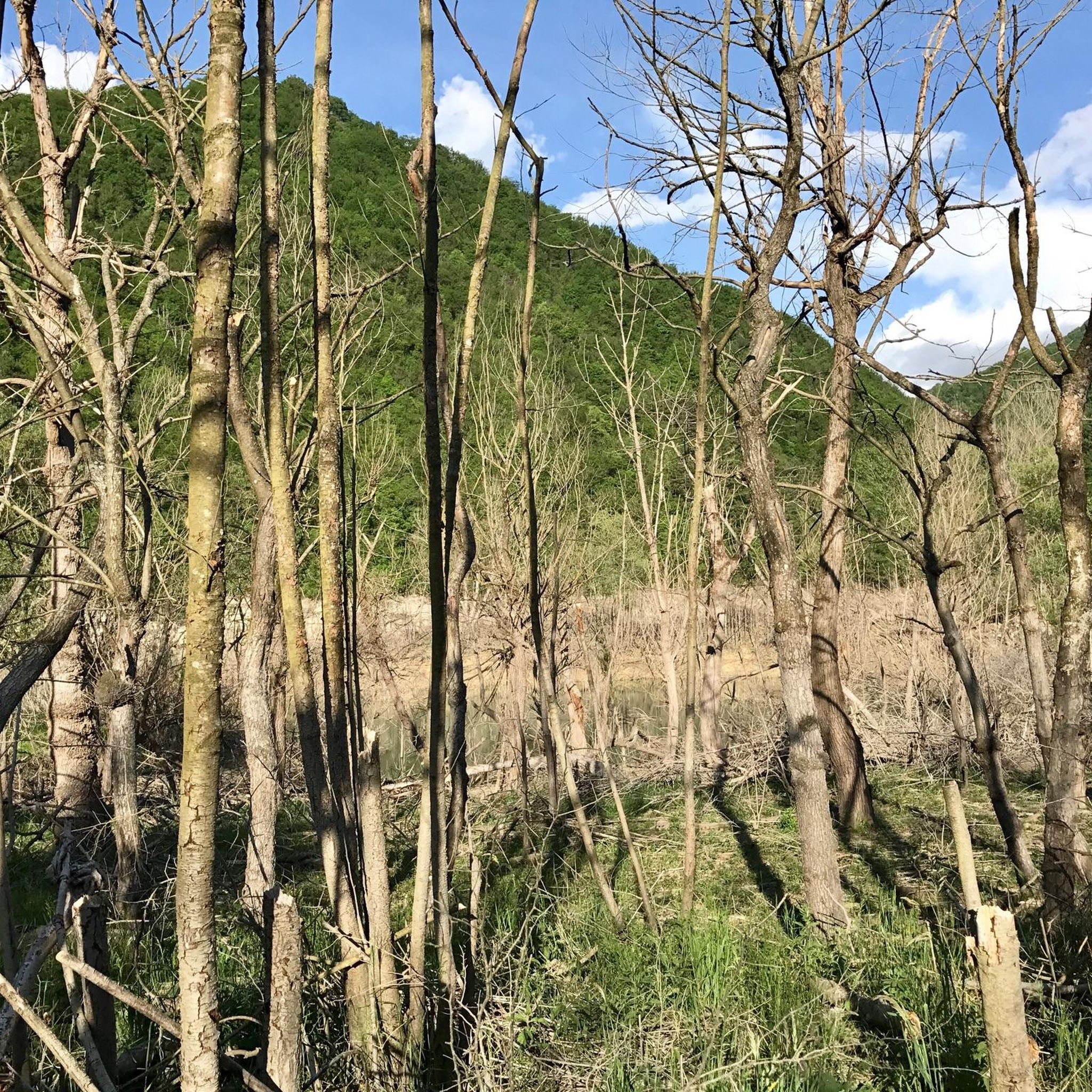
The Val di Noci lake is an artificial lake in the Ligurian Apennines located in the municipality of Montoggio. Maximum depth 42 meters
0
0

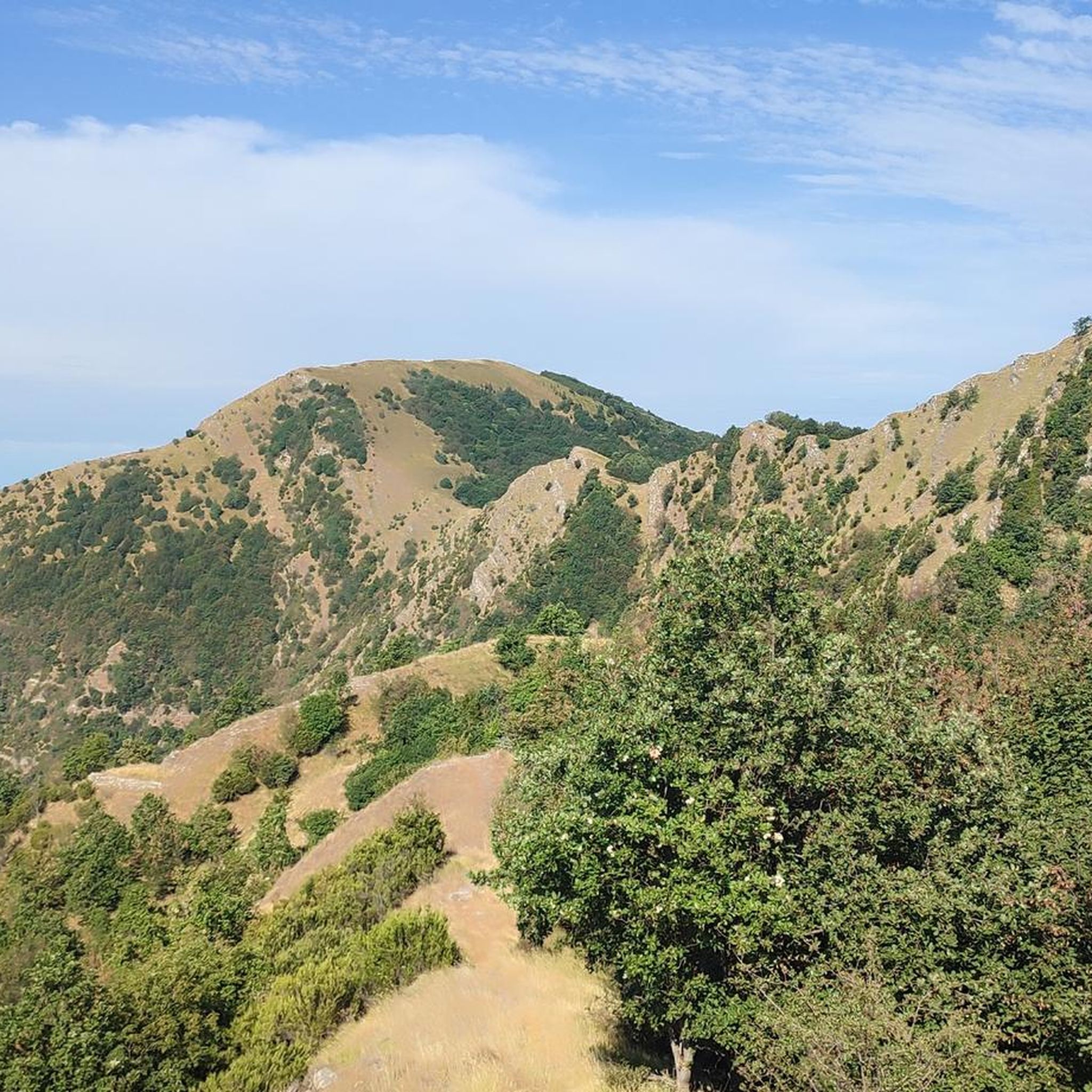
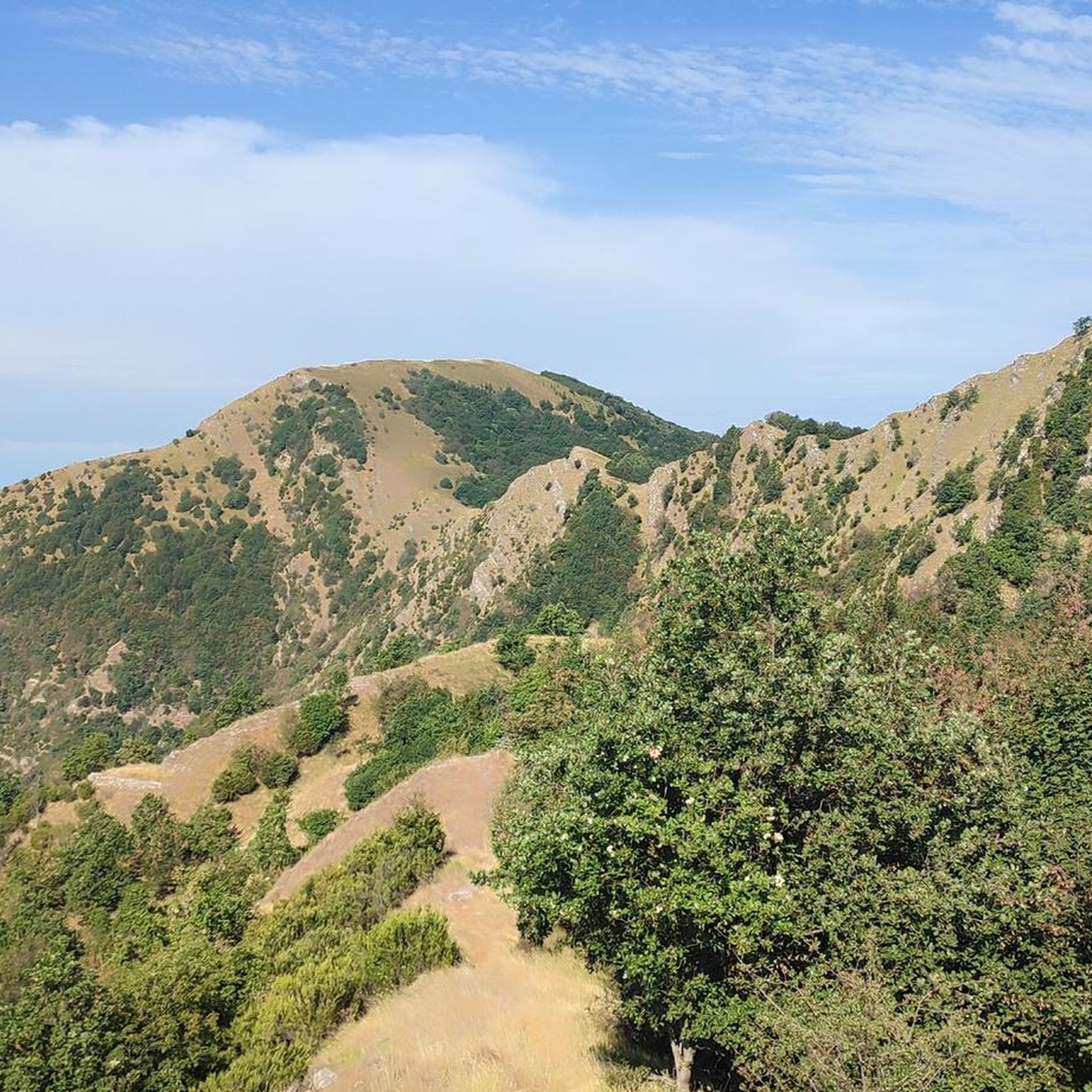
Monte Fasce (832 meters above sea level) is one of the symbols of the city of Genoa. The radio and television repeaters that occupy the long and narrow summit ridge are visible from all over the city. The name derives from the presence of white limestone layers that emerge among the grass and shrubs of its slopes and which give the mountain a "bands" appearance. From its top you can enjoy a splendid view of the Ligurian Riviera and the Apennines.
0
0

A beautiful public park with a waterfall. From here you have a good view over the city and the harbour. It is also an oasis of calm.
1
1

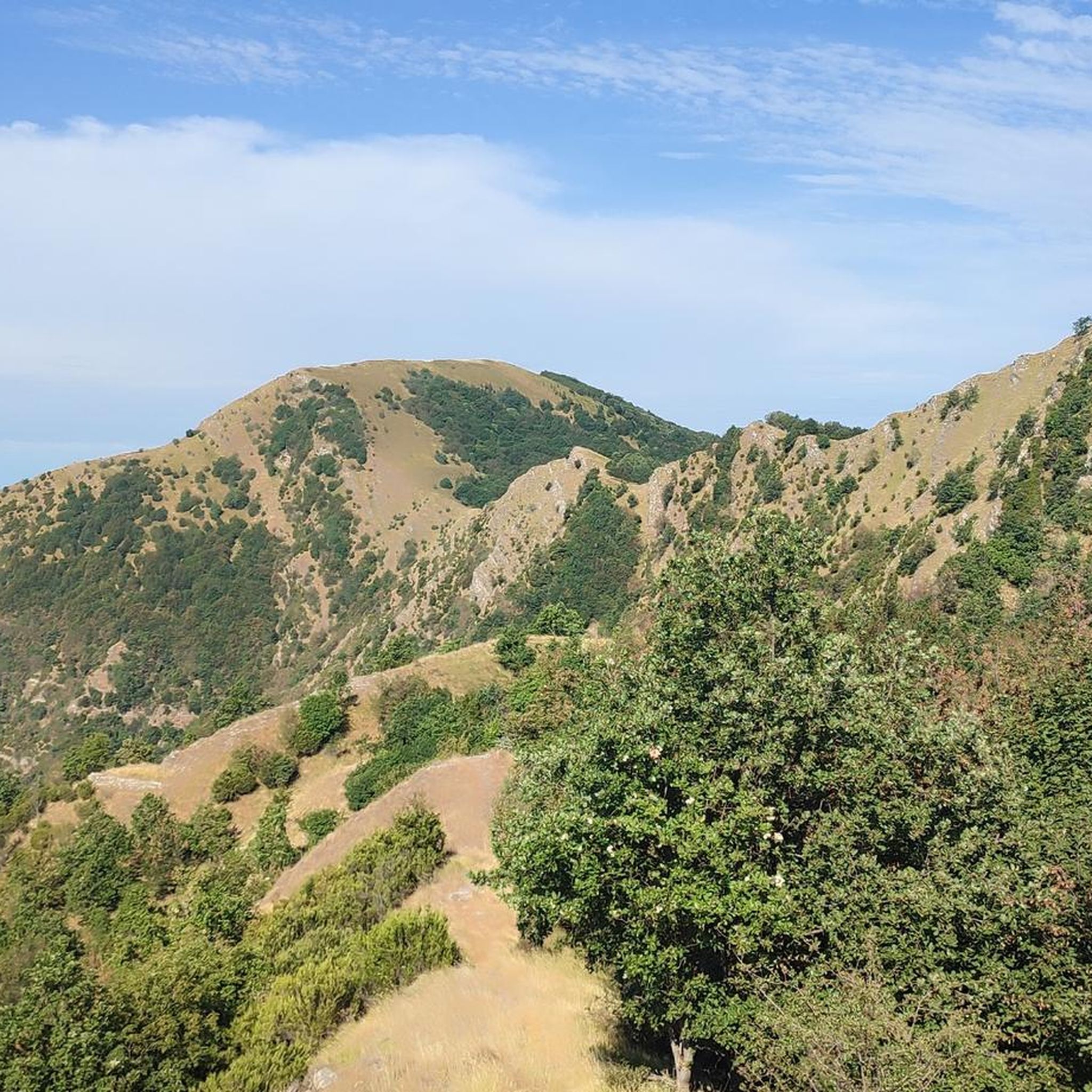
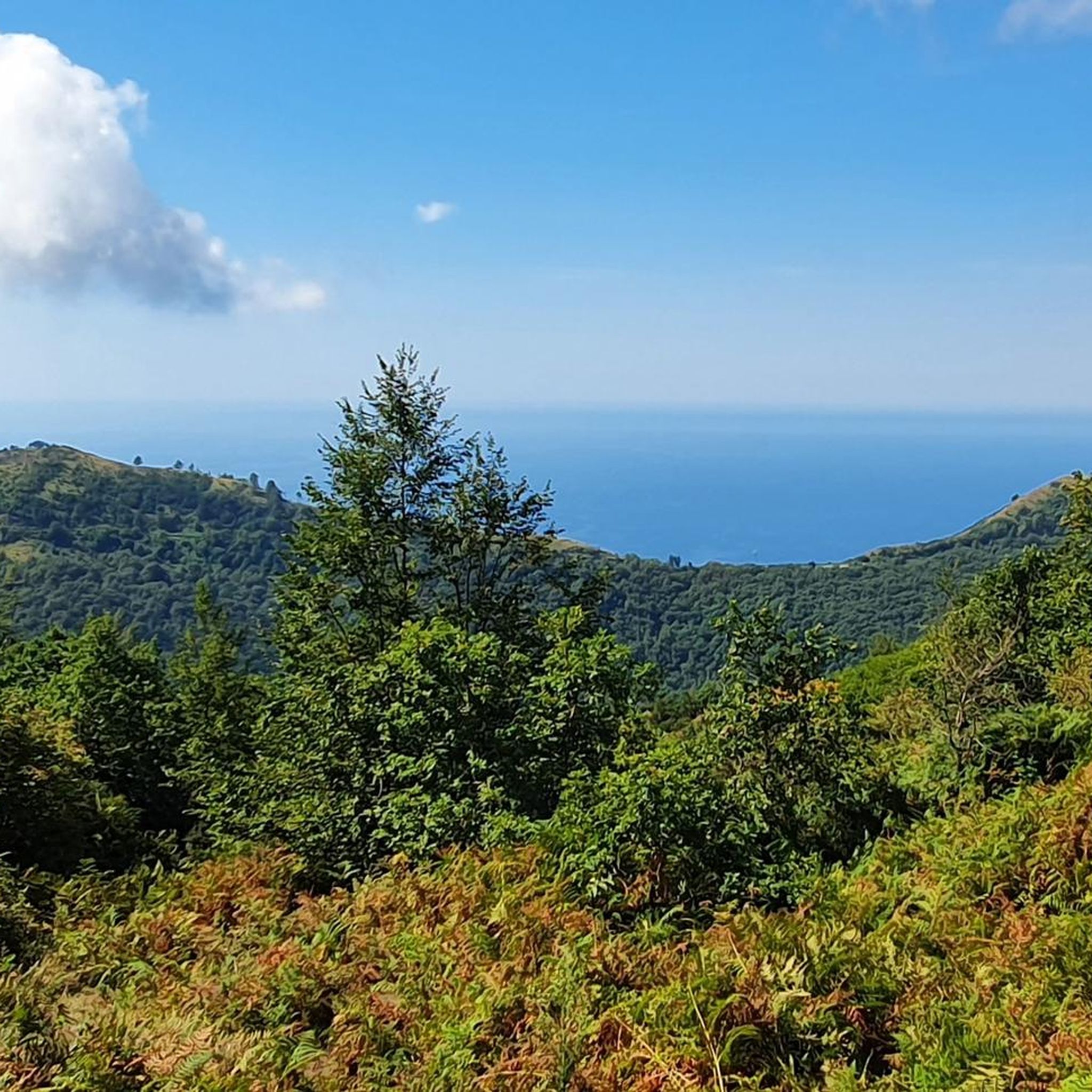
Top of 911 meters above sea level from where you can enjoy a spectacular view! The view ranges from the Ligurian hinterland to the western Alps on one side to the Gulf of Genoa and the east on the other. The well-marked path starts from the asphalted road that climbs after Cornua houses towards Genoa. Keeping to the right, the path begins after 500 meters. No difficulty. But be careful there are no water points. Stock up at Case Cornua.
0
0
The monument to the Redeemer erected in 1966 is a real crossroads on the ridge that separates the Sori valley from the Golfo Paradiso. The view of Recco and the Portofino mountain is beautiful and rewarding. It can be reached from S. Apollinare above Sori or from Recco. Or even coming down from M.Cornua.
2
0
ダヴァーニャでのの人気観光スポット

komootモバイルアプリでインスピレーションを得よう


さらに探索
これらのガイドで、最高の洞窟を探す範囲を広げましょうダヴァーニャでの:
