パラオ/パラオの天然記念物・トップ20
パラオ/パラオが誇る美しい風景を見てみたいなら、パラオ/パラオの素晴らしい天然記念物・トップ20
に行ってみましょう。あなたにぴったりの場所が見つかるよう、素晴らしい天然記念物を探索するために必要なすべての情報を集めました。次のアウトドアの冒険に出かける計画の参考にしましょう。
最終更新日: 10月 15, 2026
ロッチャ・デッロルソ(熊の岩)
ハイライト • 自然記念物
翻訳者 Google •
役立つ情報 は

カラ・セレーナ
ハイライト • ビーチ
翻訳者 Google •
役立つ情報 は

今すぐサインアップして、こんな場所を発見しよう
最高のシングルトラック、ピーク、その他のエキサイティングなアウトドアスポットのおすすめを受け取ろう。
コッドゥ・ヴェッキウの巨人の墓
ハイライト • 歴史的な場所
翻訳者 Google •
役立つ情報 は

カラ・タヒチ
ハイライト • ビーチ
翻訳者 Google •
役立つ情報 は

マルキットゥ・ヌラーゲ神殿
ハイライト • 歴史的な場所
It lies on a hollow between two granite hills 120 meters above sea level and was …
翻訳者 Google •
役立つ情報 は

無料でサインアップして、さらに多くの自然記念物を発見しましょう パラオ/パラオでの。
すでにアカウントをお持ちですか?
無料アカウントで今日から始めよう
次の冒険が待っています。


コミュニティからのヒント

I recommend avoiding the trail leading to Poggio Stefano to avoid the risk of being reported. The trail lies within a protected area, and accessing it without authorization from the National Park is considered a criminal offense under the Presidential Decree of May 17, 1996. The same applies to anyone hiking the trail to Cala Coticcio without an authorized guide.
1
0

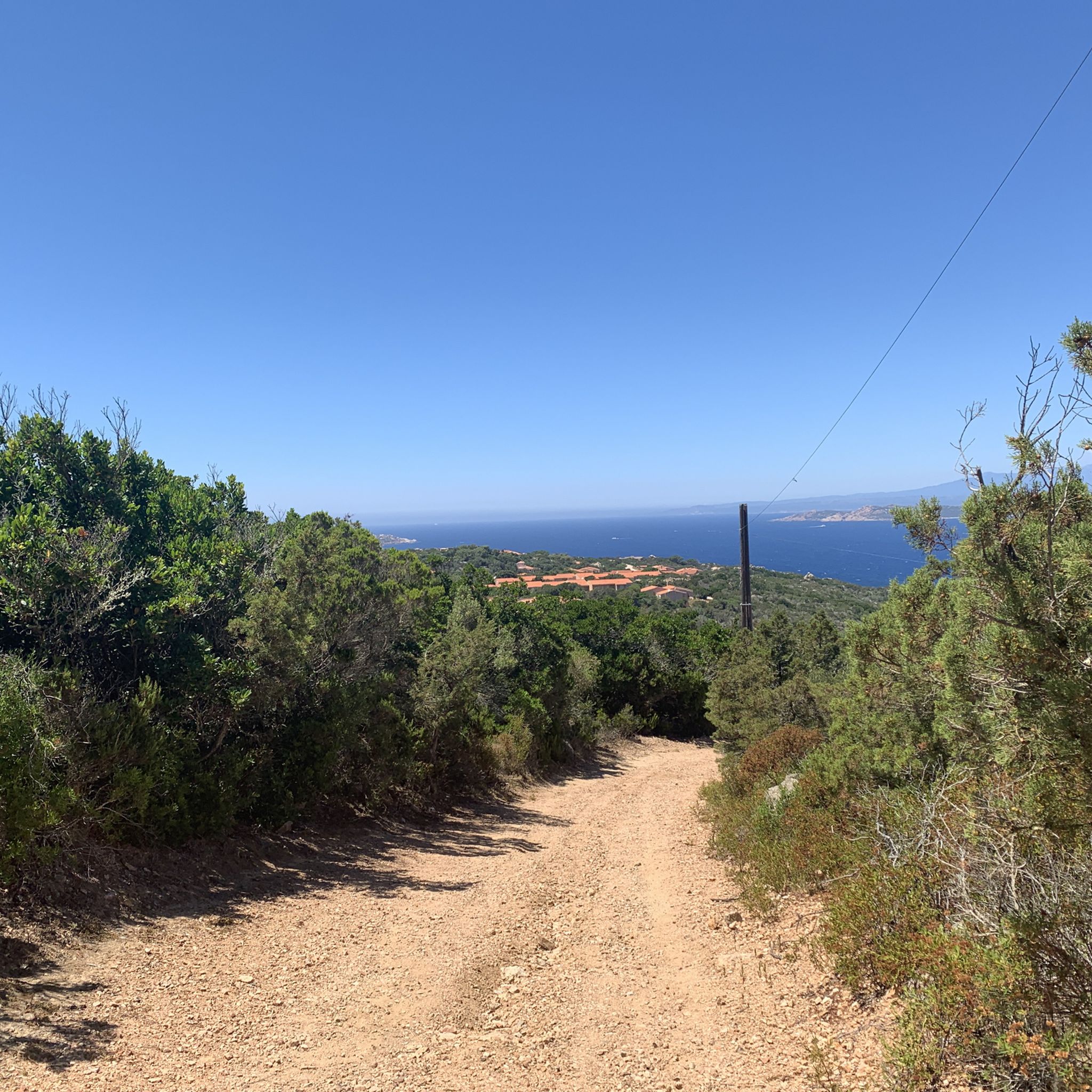
The bay was a dream, the bike path there was breakneck! We had to push and carry the bike more than we could ride, and definitely NO ONE has ever visited the three adjacent bays by bike (except us 😂😂). Please don't try this.
0
0
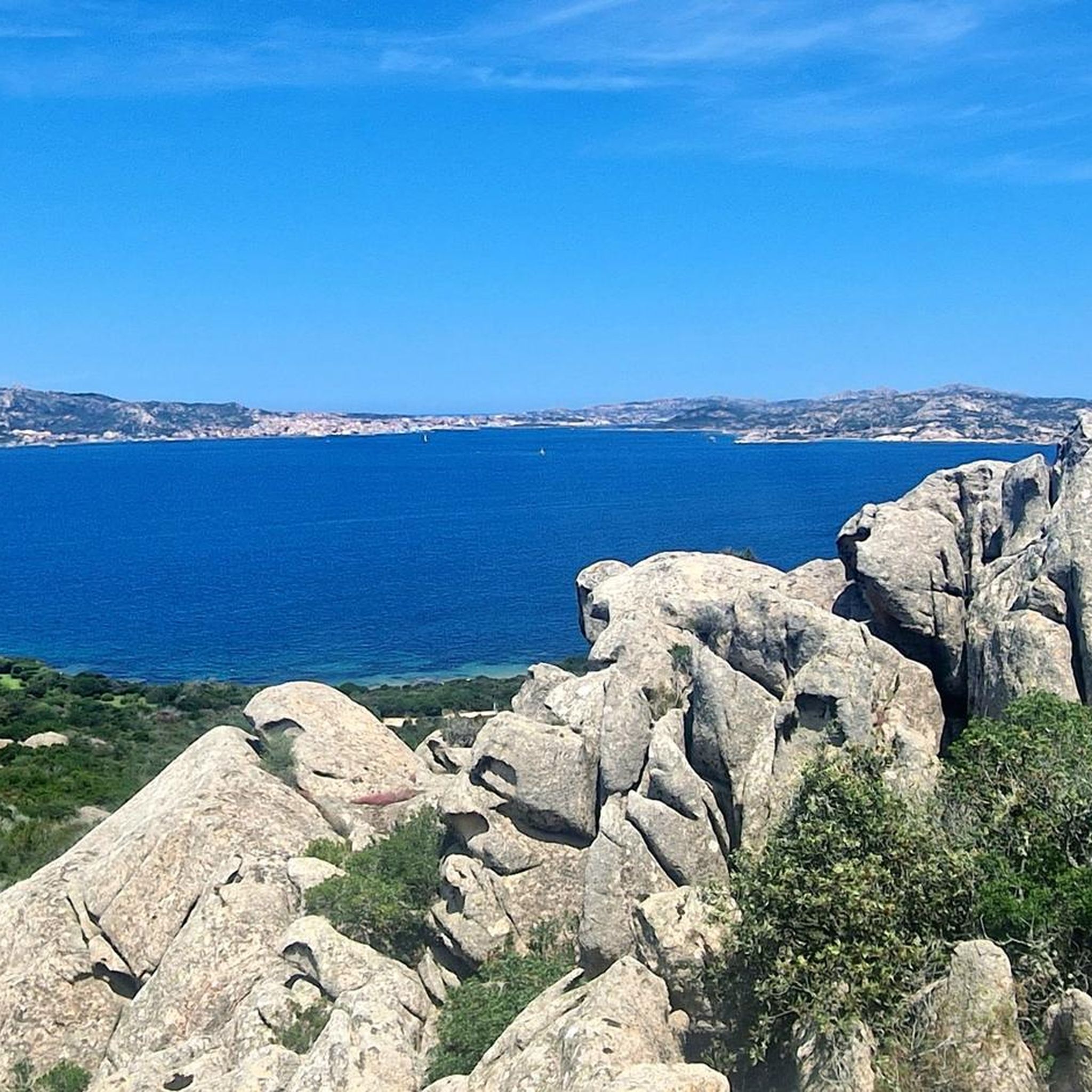
Great view and great place for a break
0
0

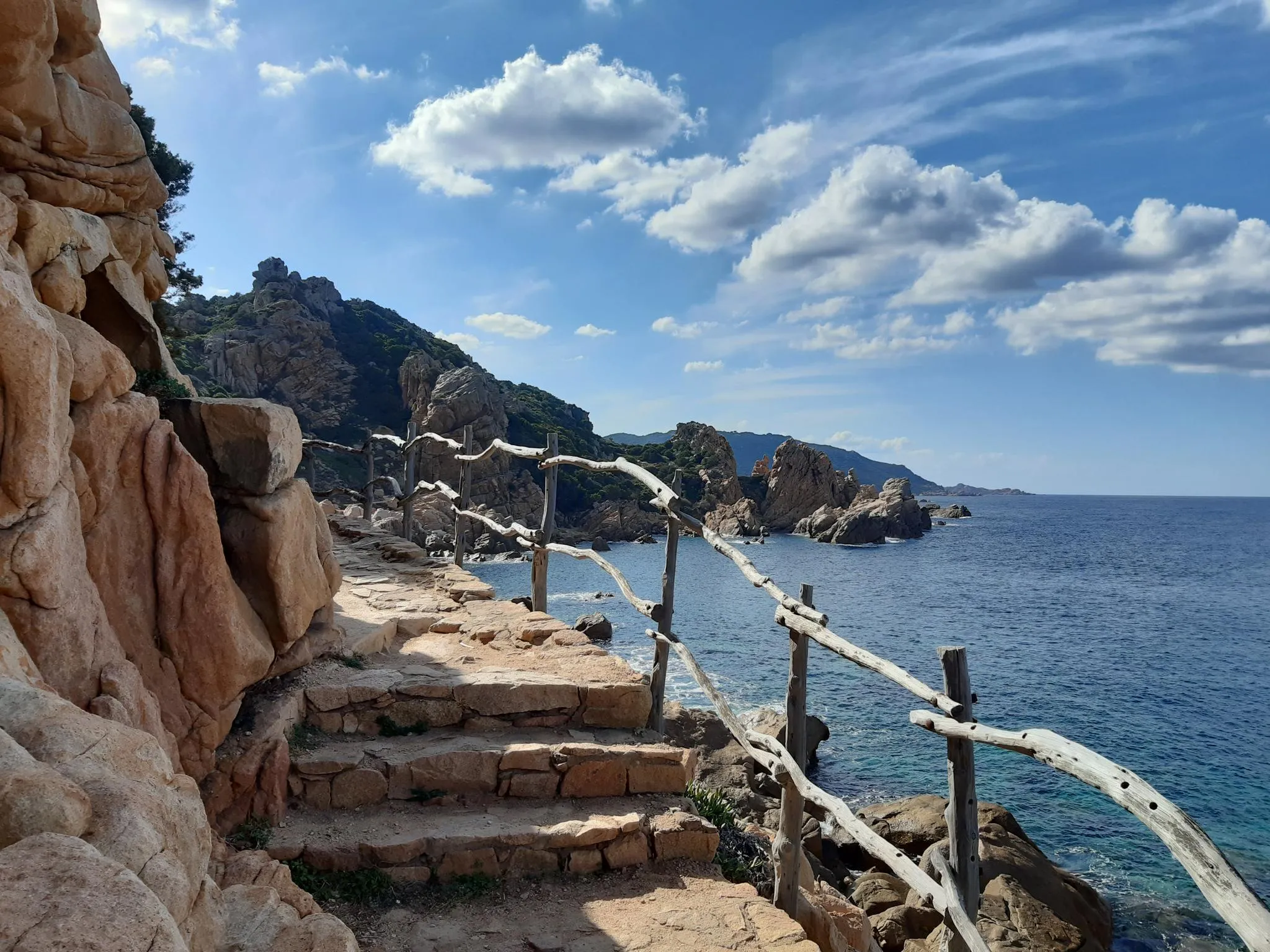
Cala Serena is worth a hike. A rocky path with beautiful views leads from Cala Garibaldi to the bay. Thanks to the somewhat difficult access, the bay is only sparsely visited. Particularly striking is the wetland with a lake and lush vegetation directly behind the beach. The bay is extremely beautiful for swimming: no rocks, but a wonderful fine sandy bottom with incredibly clear water that shines turquoise in the sun. Small silver fish with a distinctive black spot on the base of their tails populate the underwater world. The bay is shallow and deeply indented, making it ideal for children.
0
1

A beautiful Nuragic giant's tomb, not far from Arzachena, nestled in a lovely landscape with orchards. It lies close to the road from Arzachena to Luogosanto.
0
0

We were approached at the parking lot by two employees of the nature park saying that it was forbidden (or only possible with a guide) to visit the beach.
2
0

The giant tomb of Coddu 'Ecchju is a magnificent example of Nuragic funerary architecture. It is an imposing communal tomb, likely containing the remains of the deceased from the nearby village of La Prisgiona. This Bronze Age monument was constructed in two phases: The exedra was added to a gallery tomb (10.50 m long) or semicircular chamber built around 1800 BC (probably between 1600 and 1400 BC). This chamber was enclosed by a series of slabs set into the ground, with a large, arched stele (4.04 m high) in the center, decorated with a relief frame and featuring a small door at its base, likely used for placing offerings inside the tomb. The deceased was probably buried from above by removing one of the slabs covering the corridor. The burial of the deceased was likely carried out from above by removing one of the slabs covering the corridor. ``` The burial chamber was enclosed within a large mound of earth and stones, encompassing the area behind the exedra. This mound served the practical function of housing the mound itself, but also defined the ceremonial space where ancestor rites were performed, as evidenced by the numerous ceramic vessels found in the area. Ancestor worship was of great importance in the Nuragic culture. Source: https://www.gesecoarzachena.it/?page_id=1246
1
0
パラオ/パラオでのの人気観光スポット

komootモバイルアプリでインスピレーションを得よう


さらに探索
これらのガイドで、最高の洞窟を探す範囲を広げましょうパラオ/パラオでの:
