フォルリンポポリの天然記念物・トップ3
フォルリンポポリが誇る美しい風景を見てみたいなら、フォルリンポポリの素晴らしい天然記念物・トップ3
に行ってみましょう。あなたにぴったりの場所が見つかるよう、素晴らしい天然記念物を探索するために必要なすべての情報を集めました。次のアウトドアの冒険に出かける計画の参考にしましょう。
最終更新日: 10月 14, 2026
ラディーノの水門
ハイライト • 記念碑
翻訳者 Google •
役立つ情報 は

ポレンタのフランチェスカの糸杉
ハイライト (セグメント) • 自然記念物
翻訳者 Google •
役立つ情報 は

今すぐサインアップして、こんな場所を発見しよう
最高のシングルトラック、ピーク、その他のエキサイティングなアウトドアスポットのおすすめを受け取ろう。
Giardini Pubblici di Cesena
ハイライト • 自然記念物
翻訳者 Google •
役立つ情報 は

カステルヌオーヴォ城の遺跡
ハイライト • 城
Castle documented since 900, which belonged to the Calboli and known by the name of Castrum novi.
It then passed into the ownership …
翻訳者 Google •
役立つ情報 は

カルピネッロの記念樹プラタナス(フォルリ、ヴィア・チェルヴェーゼ)
ハイライト • 自然記念物
翻訳者 Google •
役立つ情報 は

無料アカウントで今日から始めよう
次の冒険が待っています。


コミュニティからのヒント


Impressive oriental plane tree in via Cervese, round height, Carpi, estimated age 250 years, height 30 meters, trunk circumference 6 meters, declared a protected monumental tree of Italy, majestic 👍😮
0
0

The Chiusa di Ladino is an artificial dam that creates a waterfall with several pools of water. These pools are suitable for swimming in the summer, provided there is no extreme drought. The Chiusa di Ladino plays an important role in serving the Romiti canal.
0
0
The Giardini Pubblici di Cesena extend along part of the southern perimeter of the old city walls, near the Teatro Comunale, dedicated to the famous tenor Alessandro Bonci. The park was created in the first half of the 19th century in a neoclassical style and has undergone an important restoration under the direction of architect Pier Luigi Cervellati, completed in 2007. This restoration has partly restored the park to its original 19th century appearance. The park has an impressive main entrance on Corso Garibaldi, with a long wrought iron gate supported by brick columns. At the centre of the park is a large cast iron gazebo, reminiscent of the bandstands of the 19th century. Around the gazebo you can admire historic lanterns, originating from various European cities. The park also contains busts of famous Cesena residents, as well as various decorative elements from the time of its creation. The paths in the park are symmetrical and surrounded by ancient trees such as holm oaks and cedars. The park was originally created in 1843 on land that the city had received as a legacy from Count Paolo Neri. Over the years, the park has undergone several transformations, including a major change in 1946 when a road was built through the park. However, the recent restoration has attempted to return the park to its original design, with concentric paths and historical elements. During the restoration work, the remains of a 14th-century church and several human skeletons were also discovered, which are currently being studied.
0
0

Unfortunately, following the flood of May 2023, much of the pedestrian cycle along the river, between Forlì (Urban Park) and Castrocaro (Park), is not accessible by bicycle or, with difficulty, on foot. The unusable section also includes the one facing the Ladino lock
0
0

Ruins of the castle of Castelnuovo (Meldola). Castle documented since 900, which belonged to the Calboli and known by the name of Castrum novi. It then passed into the ownership of the lords of Castrocaro and in 1141 to the Church of Ravenna, before returning after various vicissitudes to the De Calboli in 1264. Repurchased by the church of Ravenna in 1234 it then passed to the Ordelaffi family in 1350 who fortified the site and had the tower built there. The church managed to repossess the castle in 1362 by Cardinal Egidio Albornoz. The following centuries saw the domination of the Malatesta, the Manfredi, the Iseo, Caterina Sforza and the Venetians who held it until 1509. Returning to the Holy See, it was finally granted as a fief to the Iseo, the Aldrobandini and lastly the Doria Pamphilj. Of the ancient castle there remain imposing ruins of the tower, located in a dominant position at the top of the hill, a cluster of houses which probably included the town hall and the hospital of Sant'Antonio, and about a hundred meters towards the valley the remains of the bell tower of the parish church dating back to the 15th century. Fortress built between the Bidente and Voltre valleys, from the top of the hill on which the tower stands it is possible to control both valleys with a view that extends as far as the sea. The nearby castles of Teodorano, Meldola and Rocca Caminate are clearly visible
0
0

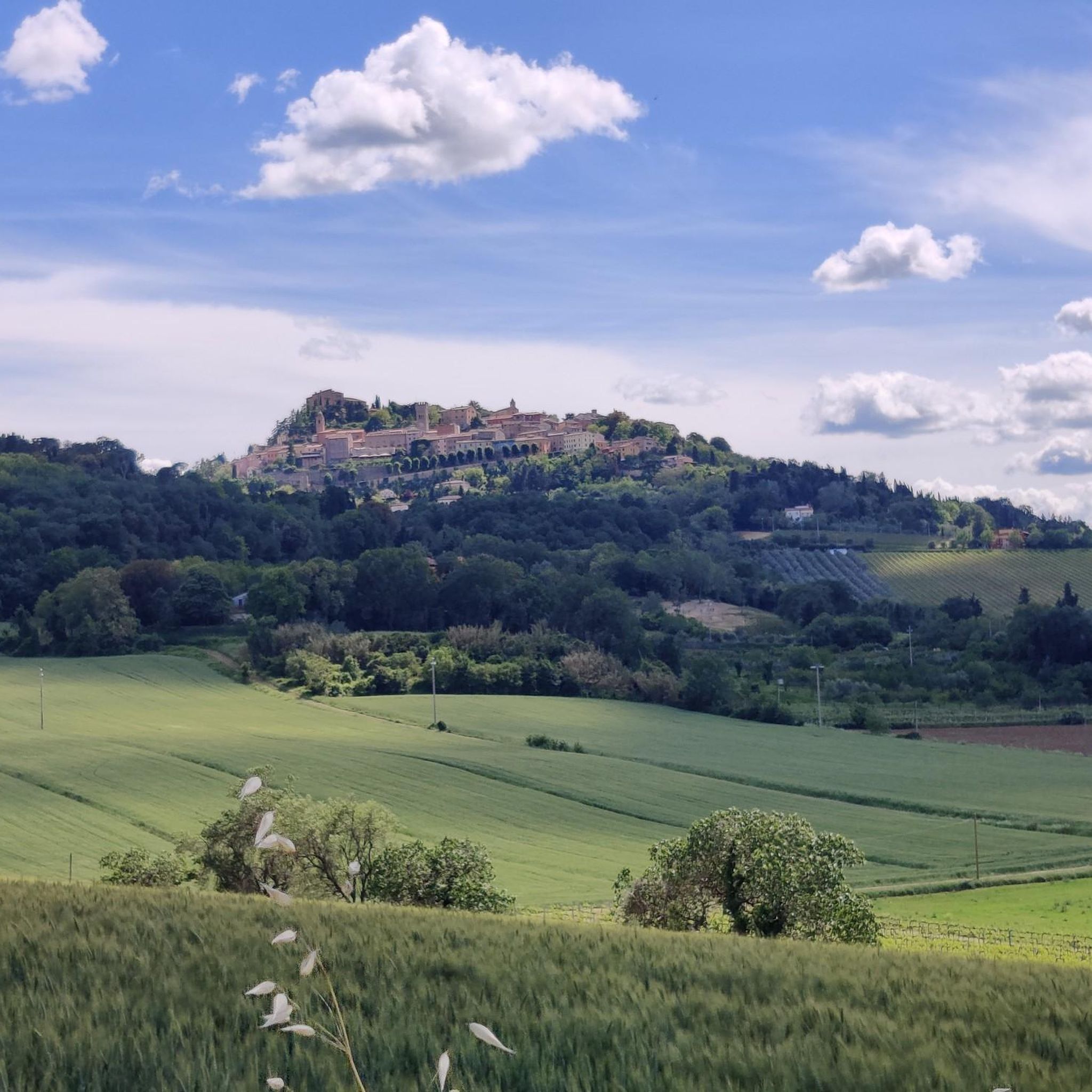
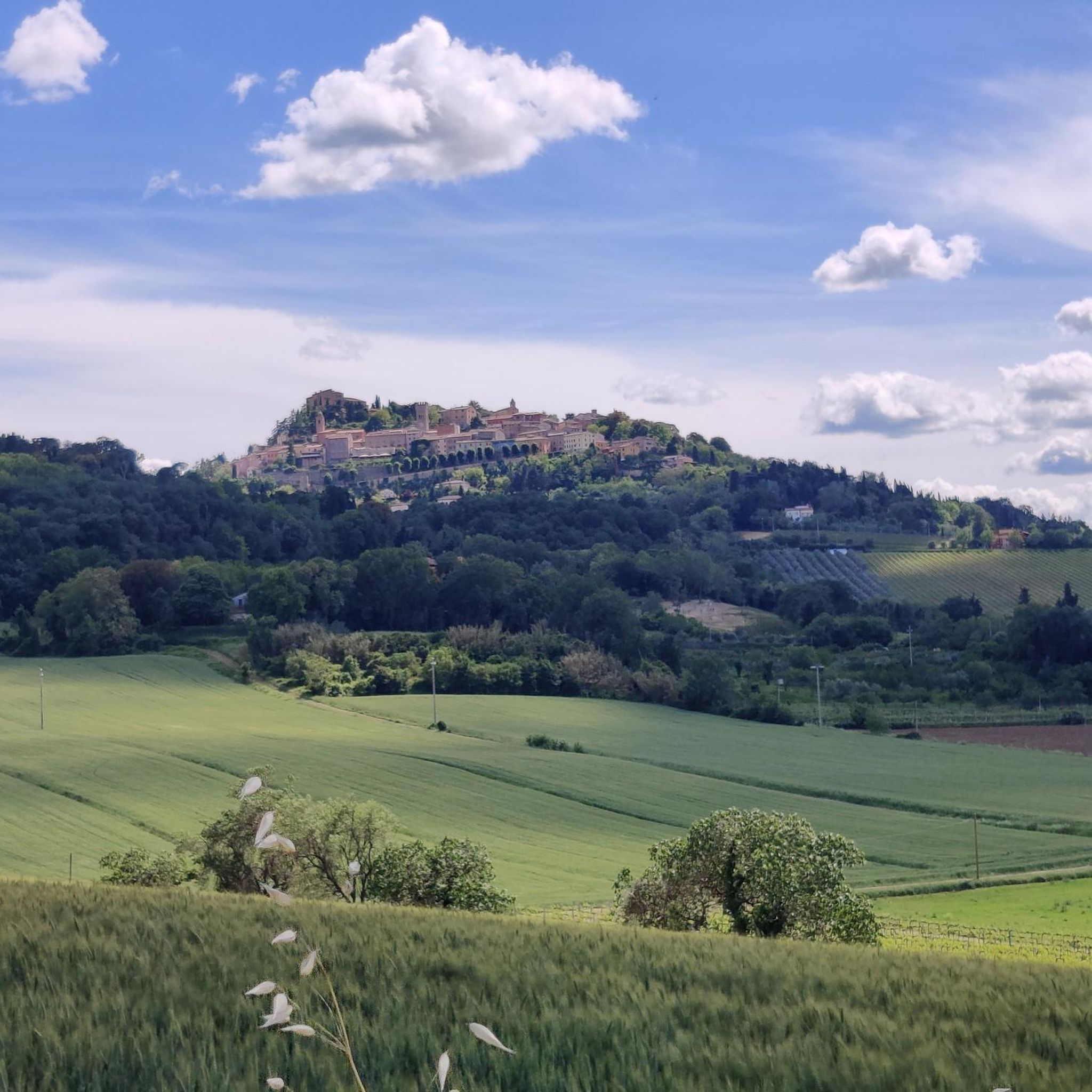
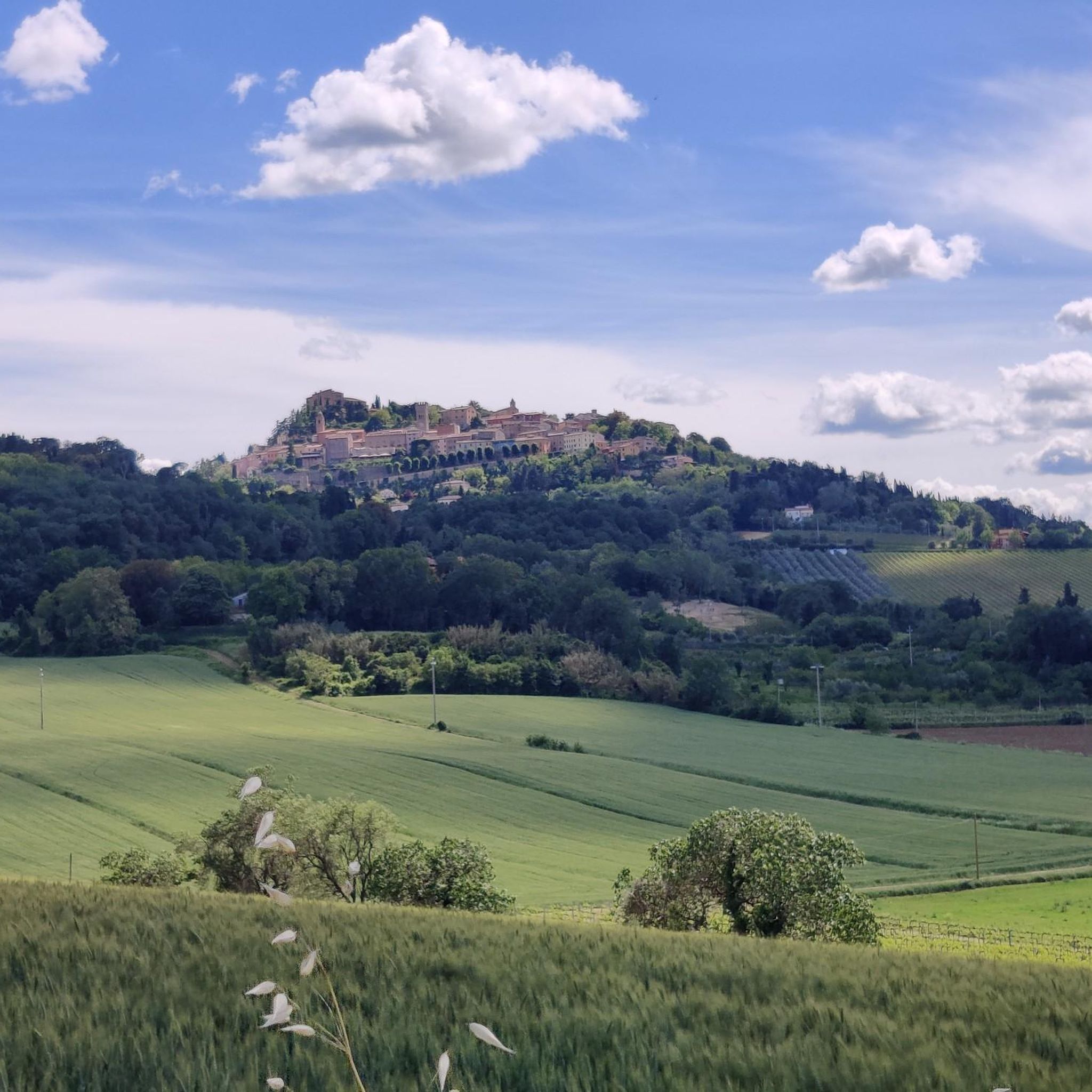
Giosuè Carducci in his Ode to the church of Polenta writes these verses in honor of Francesca, considered by the writer as a mythical figure, a new virtuous and courageous heroine, muse and symbol of the triumph of beauty and, at the same time, of the victory of freedom against injustices and oppressions. A mythical cypress still stands today on one of the hills near Polenta (the Conzano hill), where tradition has it that Francesca often went up there in romantic contemplation. The original tree, destroyed by lightning on July 21, 1898, was replaced by a new cypress that Carducci replanted in October of the same year. In the large pit prepared for planting, a small ark was also built in which a metal tube was placed containing a parchment bearing the following words: "October 26, 1898. Replanted the ancient cypress of the Ode to Polenta". In 1944 the cypress was blown up by German troops out of contempt, during the retreat from the Gothic Line. For this reason Aldo Spallicci, intellectual and anti-fascist, wanted to replant the cypress as a sign of the rebirth of republican Italy after twenty years of fascist dictatorship. The current cypress was planted by Prof. Roversi Monaco in 1994, while he was Magnificent Rector of the University of Bologna, on the occasion of the start of university activities in Romagna.
3
0

Well ... strange, on the way out, around 2 pm, the lock was closed, on the way back completely open, a lot of water came down, beautiful ..
1
0
フォルリンポポリでのの人気観光スポット

komootモバイルアプリでインスピレーションを得よう


さらに探索
これらのガイドで、最高の洞窟を探す範囲を広げましょうフォルリンポポリでの:
