モリーニ・ディ・トリオラの洞窟・トップ4
Molini Di Triora周辺の最高の城は、戦略的な場所として歴史的に重要な地域にあります。谷と自然景観を特徴とするこの地域には、いくつかの要塞化された構造物と城跡があります。これらの史跡は、この地域の過去とその戦略的重要性についての洞察を提供し、しばしば周囲の地形のパノラマビューを提供します。
Molini Di Triora周辺の最高の城
- 最も人気のある城はヴァシア城の古代石畳道と遺跡で、最近修復された古代石畳道がある城です。この史跡からは、町と城の遺構の写真撮影ができます。
- もう一つの必見スポットはプレラのドーリア城で、城です。この古代ドーリア城は、ヴィア・デル・サーレへの道を警備するために戦略的に配置されていました。スペイン人によって破壊され、再建されることはありませんでしたが、清掃され安全になっています。
- 訪問者はまた、16世紀から17世紀にかけての城であるレッゾ城も気に入っています。この宮殿要塞は四角形の平面図に4つの見張り塔を持ち、碑文のあるスレートの入り口を備えています。
- Molini Di Trioraは、城跡、要塞化された構造物、宮殿要塞で知られています。この地域は、古代の遺構からよく保存された防御建築物まで、さまざまな史跡を探索できます。
- Molini Di Triora周辺の城は、komootコミュニティに高く評価されており、6件の「いいね」と9枚の写真が共有されています。
最終更新日: 9月 4, 2026
プレラ城跡
ハイライト • 城
翻訳者 Google •
役立つ情報 は

レッツォ城
ハイライト • 城
四角形の城には、1階の角に4つの見張り台と監視塔が備わっています。
防御用の堀に囲まれ、元の跳ね橋は石段に置き換えられました。
粘板岩のポータルには次のように刻まれています。
「NEC SILENTIO TRANSEUNDA」:合言葉を知らなければ、誰も邸宅に入ることはできませんでした。
扉の向こうには、城の最も古い領主の一人であるアラーモ家のメダリオン、紋章、肖像画で飾られた前室が開けています。
宮殿のすべての部屋は、何世紀にもわたってほぼそのままの形で保存されています。
特筆すべき空間としては、聖レオナルド・ディ・ポルト・マウリツィオが滞在した部屋や、古い牢獄が挙げられます。
城の地下には、ピガート種ブドウの「Metodo Classico」Deperiが眠っています。
城の麓にはオルメアスコのブドウ畑が植えられており、この品種は1200年代後半にマルケージによってレッツォに歴史的に導入されました。
この建物は、今日でもリグーリア地方における宮殿型要塞の最も重要な例の一つを表しています。
翻訳を表示中
役立つ情報 は

今すぐサインアップして、こんな場所を発見しよう
最高のシングルトラック、ピーク、その他のエキサイティングなアウトドアスポットのおすすめを受け取ろう。
古い石畳の道とヴァジア城の遺跡
ハイライト • 城
翻訳者 Google •
役立つ情報 は
カステッロ・デイ・ドリア・ディ・プレラ
ハイライト • 城
翻訳者 Google •
役立つ情報 は
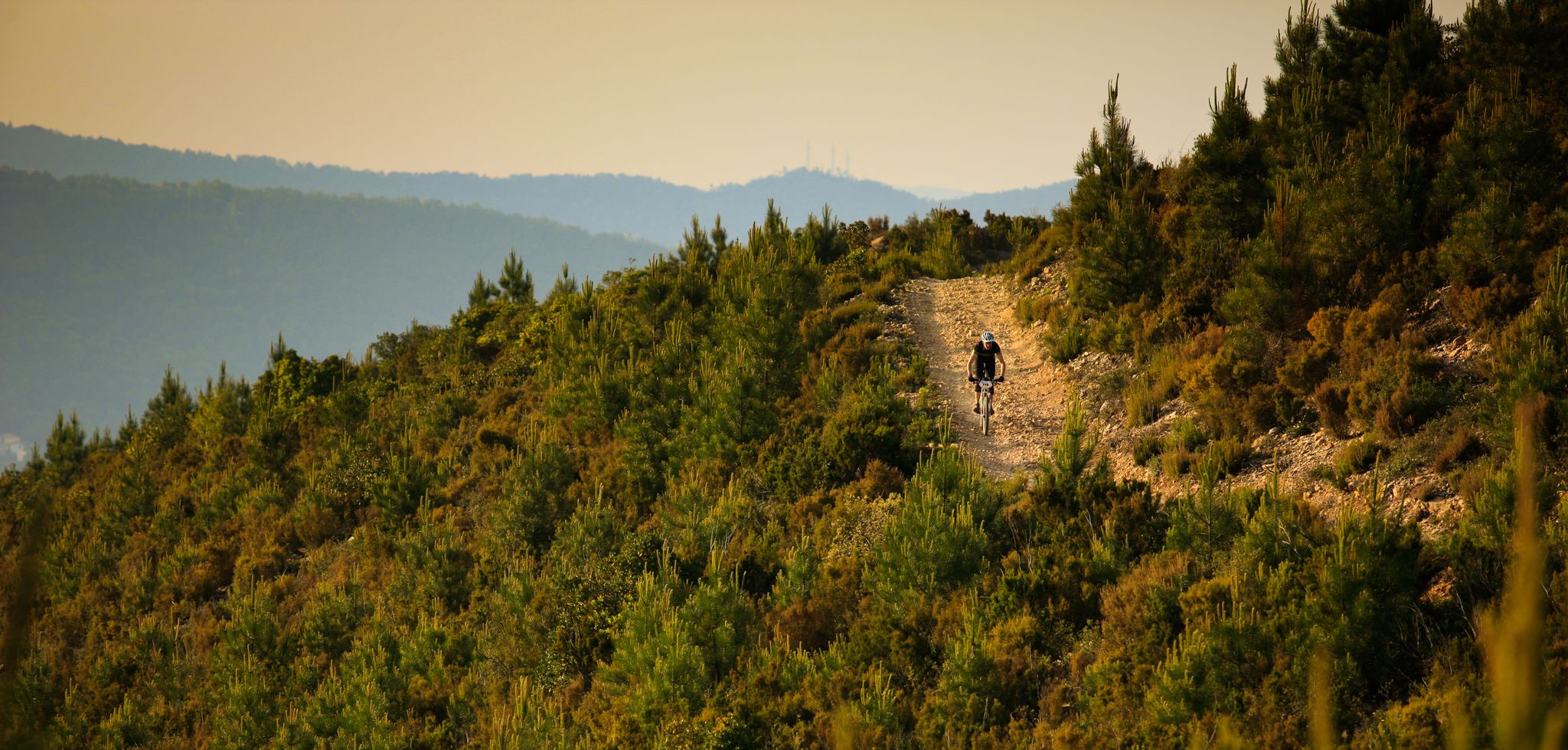
Prelà城からの下り
ハイライト (セグメント) • トレイル
翻訳者 Google •
役立つ情報 は


コミュニティからのヒント

16世紀から17世紀にかけて築かれた城。 四角形の城には、1階の角に4つの見張り台と監視塔が備わっています。 防御用の堀に囲まれ、元の跳ね橋は石段に置き換えられました。 粘板岩のポータルには次のように刻まれています。 「NEC SILENTIO TRANSEUNDA」:合言葉を知らなければ、誰も邸宅に入ることはできませんでした。 扉の向こうには、城の最も古い領主の一人であるアラーモ家のメダリオン、紋章、肖像画で飾られた前室が開けています。 宮殿のすべての部屋は、何世紀にもわたってほぼそのままの形で保存されています。 特筆すべき空間としては、聖レオナルド・ディ・ポルト・マウリツィオが滞在した部屋や、古い牢獄が挙げられます。 城の地下には、ピガート種ブドウの「Metodo Classico」Deperiが眠っています。 城の麓にはオルメアスコのブドウ畑が植えられており、この品種は1200年代後半にマルケージによってレッツォに歴史的に導入されました。 この建物は、今日でもリグーリア地方における宮殿型要塞の最も重要な例の一つを表しています。
0
0

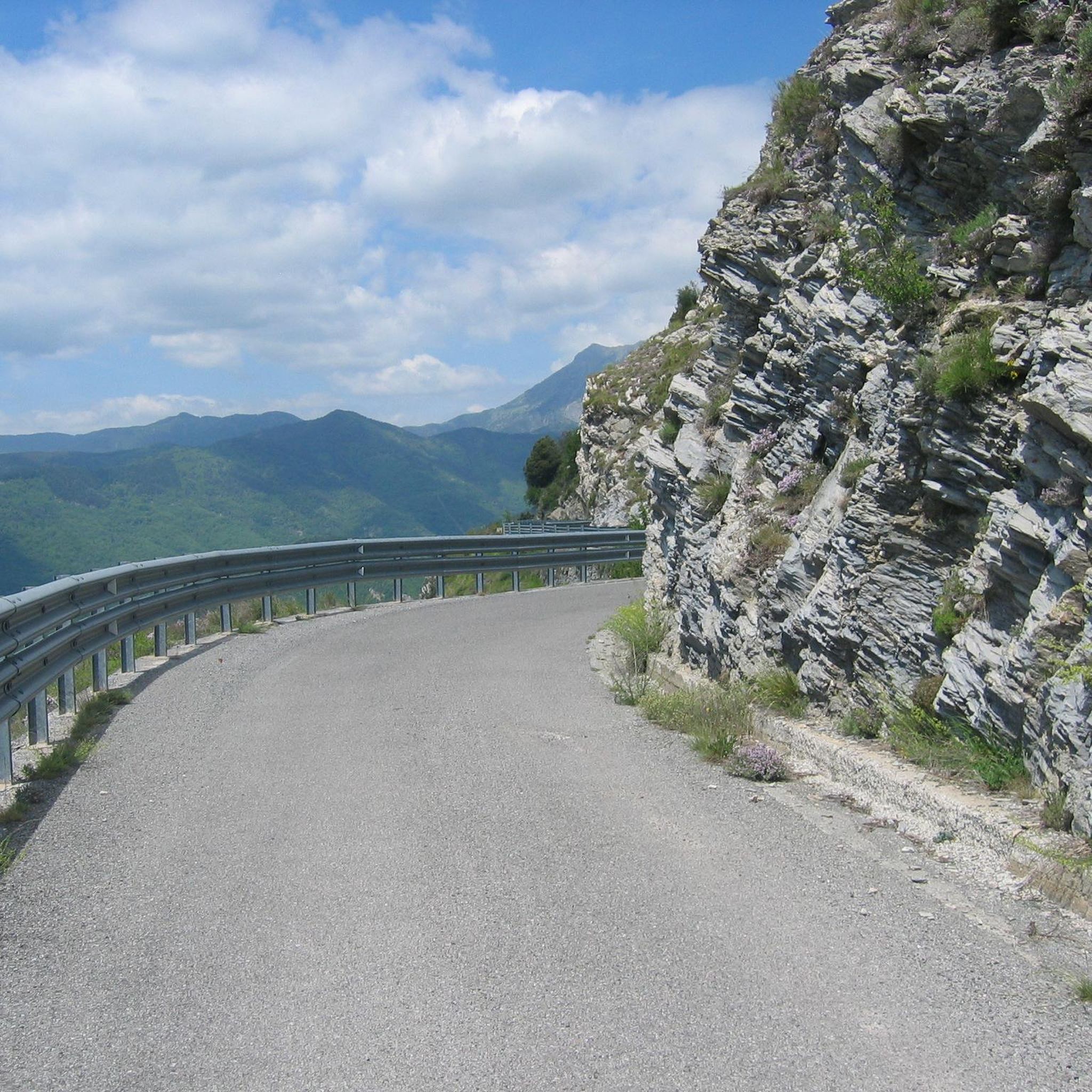
MTB descent from Prelà Castello to Molini di Prelà, all on a well-maintained mule track but with frequent curves. Excellent for MTB, very fun, never too steep. Some difficult passages.
0
0
ancient castle of the Doria, placed to guard the road of fortification towards the Via del Sale that passed from Prelà Castello. Destroyed by the Spanish and never rebuilt. It was paired with the Maro castle of which only a few stones remain. It was recently purchased by a foreigner who began the restoration with the intent of rebuilding it as it was. The works, however, have been stopped for a few years. Currently the castle has at least been cleaned and made safe.
0
0
This trait Brevisismo has recently been redone as it once was, that is, with stones positioned cut and stuck together, without concrete. The result is one of the few occasions to see how the mule tracks used to be, when they were still well maintained, without weeds and years of neglect. In addition, from here you can take excellent photos of the town, the castle and towards Vasia PS: you can go down on foot, gravel or MTB
0
0
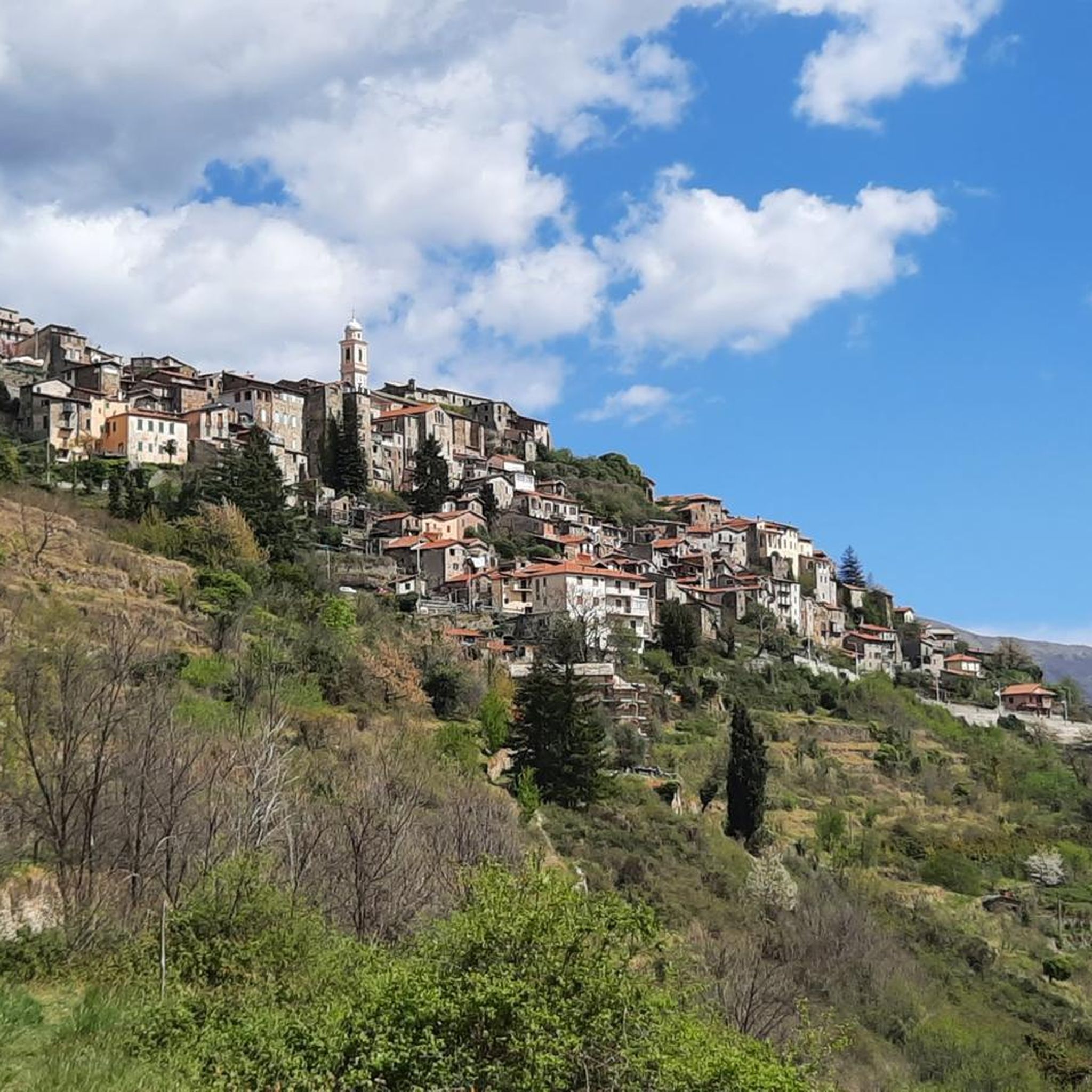
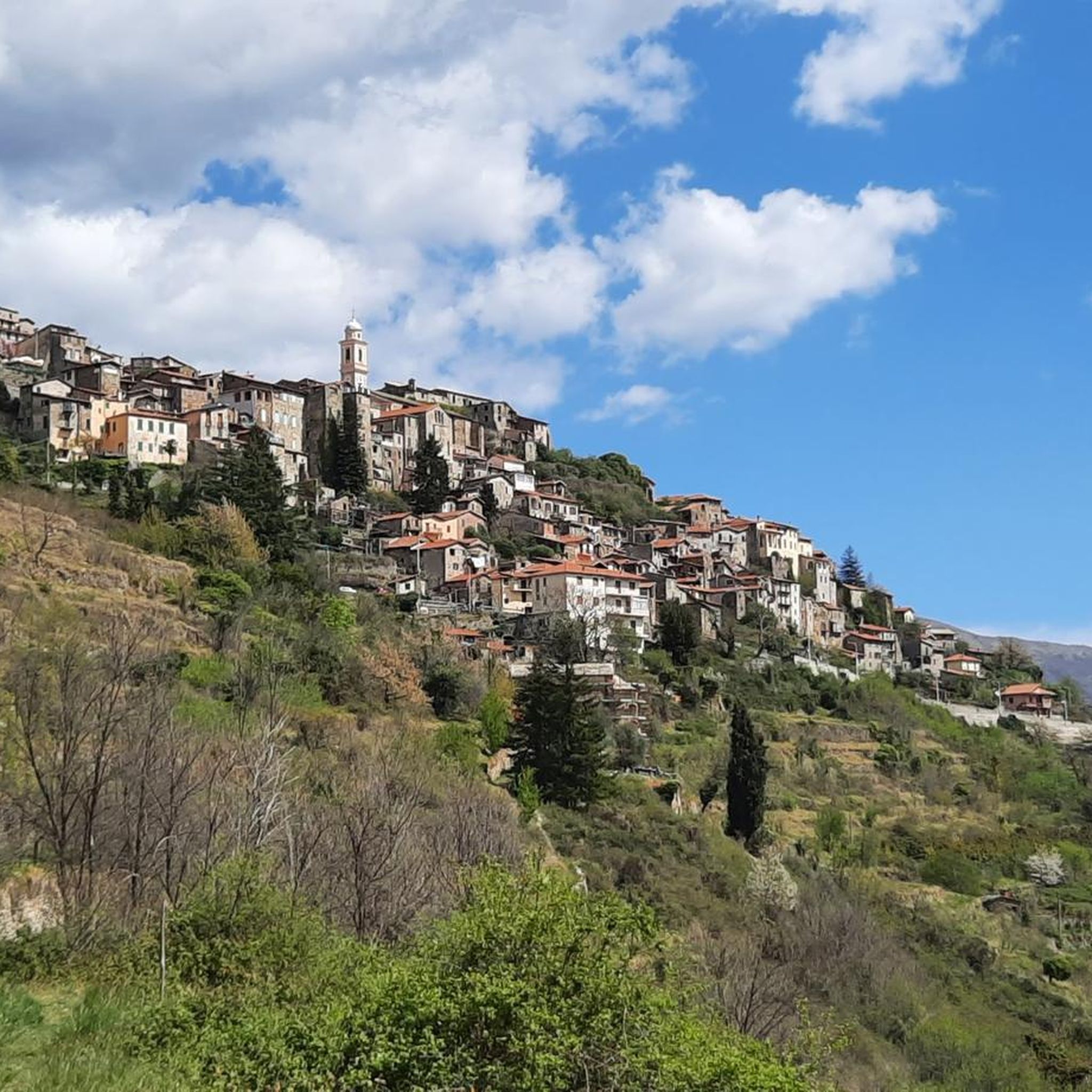
The village of Prela is now reduced to a few houses, a row of buildings almost entirely restored by foreign owners who understood the value of the country years ago. The houses are compressed between the ruins of the ancient castle and the church of SS. Giacomo and Nicolò, which closes the village downstream. This place took its name from the "petralata" that is the large stone on which the feudal lords had built the fortress several times destroyed and rebuilt. The castle, placed to guard the via Marenca, which connects with the via del Sale, was demolished after the last Genoese reconquest. Antonio Doria in 1340 destroyed the castle of Prela Soprana from the very foundations; the castle itself was later rebuilt further down on the rocky spur, where the remains of the four semicircular towers can still be seen today. The massive construction with huge irregular stone blocks, a wall and a contiguous tower, have some slits in the upper part and traces of internal stairs for the disengagement of the various floors and environments. The external tower was connected to the castle; according to popular tradition, the various "colombere" or watchtowers located in the surroundings were also connected by means of tunnels. Since the early 2000s it has been owned by a German private individual who is taking care of its restoration. The church at the end of the village, recently restored, stands on a mass of overlapping rocks segregated from each other so as to leave interstices and underground caves, which, pushing under the floor of the church, form a kind of impracticable and deep underground, within where until 1845 the dead were laid, through a hole in the center of the floor of the main nave. Inside there are decorations, stuccoes and a complete organ from around 1700. The church is the matrix of all the others in the valley (i.e. the one that first generated all the other churches, making new copies of the original sacred scriptures)
0
0
よくある質問
プレラ城跡の歴史的な見どころは何ですか?
プレラ城跡(プレラのドリア城としても知られる)は、塩の道(Via del Sale)を守るために戦略的に配置された古代の要塞の遺構です。スペイン人によって破壊され、完全に再建されることはありませんでしたが、4つの半円形の塔と不規則な石材で作られた巨大な建造物の痕跡を今でも見ることができます。この遺跡は2000年代初頭から私有主によって修復作業が行われており、地域を清掃・安全化することを目的としています。城の石材に組み込まれたり、城の石材から建てられた家々がある周辺のプレラ・カステッロ村は、オリーブ畑の中に中世の起源を反映しています。
ヴァージア城跡と古代の石畳の道について教えてください。
モリーニ・ディ・トリアーナの近くにあるヴァージア城跡と古代の石畳の道は、この地域の過去を垣間見せてくれます。石畳の道は最近、伝統的な石積み技術を用いて修復され、歴史的なラバ道(mule tracks)を体験できる珍しい機会を提供しています。この展望地点からは、町と城跡の素晴らしい写真を撮ることができます。
この地域の要塞の中で、レッツォ城がユニークな点は何ですか?
16世紀から17世紀にかけて築かれたレッツォ城は、リグーリア州における宮殿要塞の重要な例です。四隅に監視塔と見張り台を備えた四角形のプランを持ち、元々は防御用の堀に囲まれていました。そのスレート製のポータルには「NEC SILENTIO TRANSEUNDA」という碑文があり、入城にはパスワードが必要であったことを示唆しています。内部には、メダリオン、紋章、アレルモ家の肖像画で装飾された前室や、古代の牢獄など、多くの部屋がその真正性を保っています。
モリーニ・ディ・トリアーナの近くにある家族連れで訪れるのに適した城はありますか?
この地域には多くの城跡や私有の城がありますが、それらを取り囲む村々を散策するのは家族連れに適したアクティビティです。例えば、プレラ城跡の近くにあるプレラ・カステッロ村は、古代の石に組み込まれた家々がある理想的な環境で、散策に中世の雰囲気を提供します。ヴァージア城跡近くの修復された古代の石畳の道も、家族での散歩に適しており、美しい景色と歴史的な旅の雰囲気を味わえます。
モリーニ・ディ・トリアーナ周辺の城を訪れる際に、どのようなアウトドアアクティビティを組み合わせることができますか?
モリーニ・ディ・トリアーナ周辺の地域は、アウトドアアクティビティの機会に恵まれています。交通量の少ないサイクリングロードやグラベルバイクツアーなど、様々なサイクリングルートを探索できます。例えば、「ヴァージア — 村と谷の眺め」というグラベルルートは、ヴァージア城跡の近くを通ります。これらの史跡が点在する風光明媚な景観を巡る一般的なサイクリングルートもあります。
モリーニ・ディ・トリアーナ周辺の城を訪れるのに最適な時期はいつですか?
城とその周辺地域を訪れるのに最適な時期は、一般的に春(4月〜6月)と秋(9月〜10月)です。これらの季節は、遺跡を探索したり古代の道を歩いたりするのに、一般的に穏やかで快適な気候です。夏は暑くなることがあり、冬は気温が下がり、時折雨が降るため、アウトドアでの探索はあまり快適ではなくなる可能性があります。
Molini di Trioraの近くに犬と一緒に散策できる城跡はありますか?
ヴァシア城近くの古代石畳道やプレラ城跡へ続くトレイルなど、城跡周辺の多くの屋外エリアや小道は、一般的に犬同伴可能です。これらは屋外の史跡やトレイルであることが多いため、リードにつながれた犬は通常歓迎されます。常にペットの糞尿の後始末をし、動物の立ち入りに関する現地の標識を尊重してください。
城跡を訪れる際のアクセシビリティに関する考慮事項は何ですか?
プレラ城跡やヴァシア城跡など、Molini di Trioraエリアのほとんどの城跡は史跡であり、不整地、古い小道、階段が含まれる場合があります。通常、車椅子でのアクセスはできません。訪問者は自然の表面や急な坂道での歩行に備える必要があります。より保存状態の良い構造物であるレッツォ城は、アクセシビリティが異なる可能性がありますが、私有地であり、一般公開されていません。
城の近くに景色の良い展望スポットはありますか?
はい、史跡はその戦略的な立地から、優れた展望スポットとしても機能することがよくあります。ヴァシア城近くの古代石畳道からは、町や城の遺構、そしてヴァシア方面の素晴らしい写真撮影の機会が得られます。同様に、アンドァーニャのロッカは、より近代的な建造物ですが、古代のルーツを持つ場所にあり、アルゼンティーナ渓谷の素晴らしいパノラマビューを提供します。
Molini di Trioraエリアの城跡を探索するには、通常どのくらいの時間がかかりますか?
プレラ城跡やヴァシア城跡などの城跡自体を探索するには、歴史や写真への関心に応じて、30分から1時間かかります。しかし、史跡を十分に楽しむためには、周辺の村や古い小道を散策することも含め、各場所で半日を割り当てることをお勧めします。特に短いハイキングや近くの村での食事と組み合わせる場合はなおさらです。
Molini di Trioraと関連して、トリアーノ城の重要性は何ですか?
Molini di Trioraの直接の近くではありませんが、近くのトリアーノ城は、両自治体の緊密な関係から歴史的に重要です。この中世の城の遺跡は、「魔女の村」として有名なトリアーノの村を支配しています。訪問者はその塔や中世の壁の遺構、そして「魔女」が集まったとされるカボティーナのエリアを探索でき、魅力的な歴史的・文化的体験を提供します。

komootモバイルアプリでインスピレーションを得よう


さらに探索
他の場所で最高の城を探していますか?他のガイドを発見しましょうモリーニ・ディ・トリオラでの:
