チェッレーノの洞窟・トップ7
ハイキングの途中で偶然見つけた場合でも、ガイドブックに沿ってたどり着いた場合でも、いつも特別な体験をもたらしてくれる城。チェッレーノには訪れるべき 7
の美しい城があります。一覧から行きたい城を見つけて、次の冒険では歴史にも触れてみましょう。
最終更新日: 8月 25, 2026
チェッレーノ・アンティーコのオルシーニ城と時計塔
ハイライト • 城
翻訳者 Google •
役立つ情報 は

ポルタ・ロマーナ・ディ・ヴィトルキアーノ
ハイライト • 歴史的な場所
翻訳者 Google •
役立つ情報 は

今すぐサインアップして、こんな場所を発見しよう
最高のシングルトラック、ピーク、その他のエキサイティングなアウトドアスポットのおすすめを受け取ろう。
無料新規登録
ロッカ・デイ・パーピ
ハイライト • 城
From the thirteenth century onwards …
翻訳者 Google •
役立つ情報 は

ロッカルヴェッチェ村とコスタグーティ城の眺め
ハイライト • 展望台
翻訳者 Google •
役立つ情報 は
カステッロ・バリオーニ・サンタクローチェ
ハイライト • 城
翻訳者 Google •
役立つ情報 は

無料でサインアップして、さらに多くの城を発見しましょう チェッレーノでの。
無料新規登録
すでにアカウントをお持ちですか?
無料アカウントで今日から始めよう
次の冒険が待っています。
ログインまたは登録

コミュニティからのヒント

13世紀に建てられたカステッロ・バッリオーニは、高い位置にはなく、その大きさは威厳によってのみ際立っています。この村は元々城の守備隊の家族によって住まわれていたと考えられ、長い間、限られた広さで要塞内に囲まれていました。19世紀になっても、土地台帳によると、30軒以上の家はありませんでした。 詳細はこちら 👇🏻 retedimorestorichelazio.it/dimora/vt/graffignano/castello-baglioni/ https://share.google/YpRf6kRfscjZSd4Ud
0
0

According to the classic Castrum system, the town of Graffignano developed following the construction of the Castle, built in a strategic position to protect supplies, not only food, between Viterbo and Umbria. In the 13th century, the castle was entrusted to the care of the Baglioni family, already owners of Castel di Piero, now San Michele in Teverina, without however experiencing significant periods of prolonged tranquility: it changed hands several times until it was conquered by Pandolfo degli Anguillara, mayor of Viterbo; whose objective was to weaken the hated Orvietani. The Baglioni family was therefore forced to submit to Viterbo to safeguard their safety. In the first half of the 16th century, Pope Clement VII confiscated the fiefdom due to the continuous internal struggles of the Baglioni family, only to return it to them after a short period. In the seventeenth century the entire fiefdom was acquired by the Borromeo family, but less than a century later, the entire Graffignano, recently transformed into a principality, was sold to Scipione Publicola di Santacroce. In the Republican era the castle became part of the assets of the Municipality of Graffignano, which takes care of it. (c) https://discovertuscia.it/luoghi/graffignano-2/castello-baglioni-santacroce/
0
0
The gate bears the coat of arms of Vitorchiano with the inscription SPQR (for which the village received permission from Rome). The gate is part of the old wall that extends for about two hundred and fifty metres on the south side of Vitorchiano. The tower above the gate dates from the 13th century. The old city walls (Le Mura Castellane) have several towers, each built of peperino stone and dovetail battlements with loopholes in between.
0
0

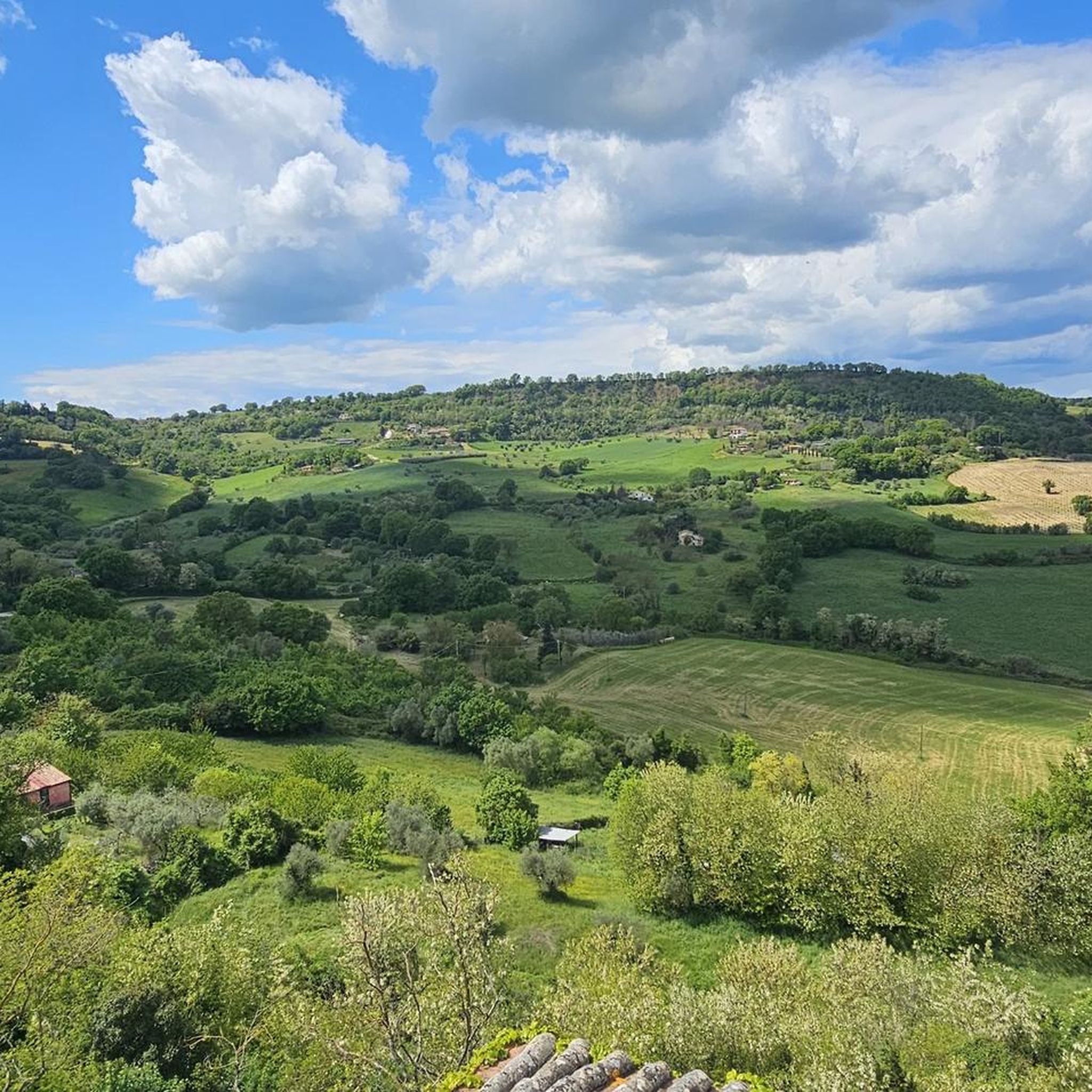
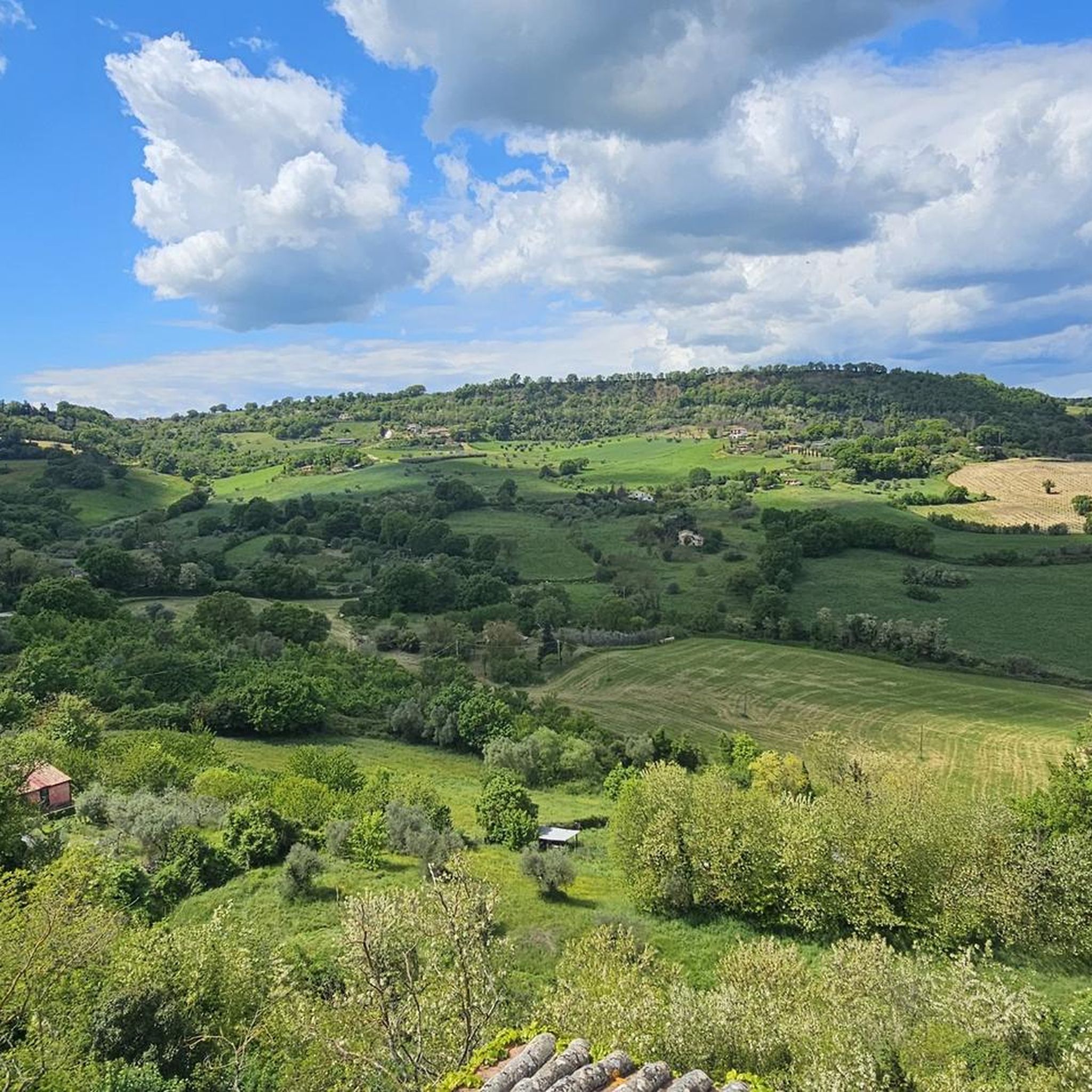
The small village of Roccalvecce has an enchanting location between fields, forests and rock faces. From far away you can see the dominant castle of Costaguti. The Marquis Giovangiorgio Afan de Rivera lives there, a young man in his thirties who now runs a B&B there. The village is originally Etruscan. A fortified castle was built there in the Middle Ages, which later came into the hands of various important families: Monaldeschi, Gatti, Colonna, Chigi. From the 17th century onwards, the Costaguti family became the owner. This family originally came from Genoa, and still owns the castle. Next to the castle there is a church that used to be the property of the castle, but has now been transferred to the curia. Outside the castle, the village is deserted. Many houses are no longer inhabited or are for sale. There are no shops anymore, only a post office that is only open half a day a week. Nevertheless, the village has many assets. The location is very central between Viterbo and Orvieto, from the village you have beautiful panoramic views.
0
0
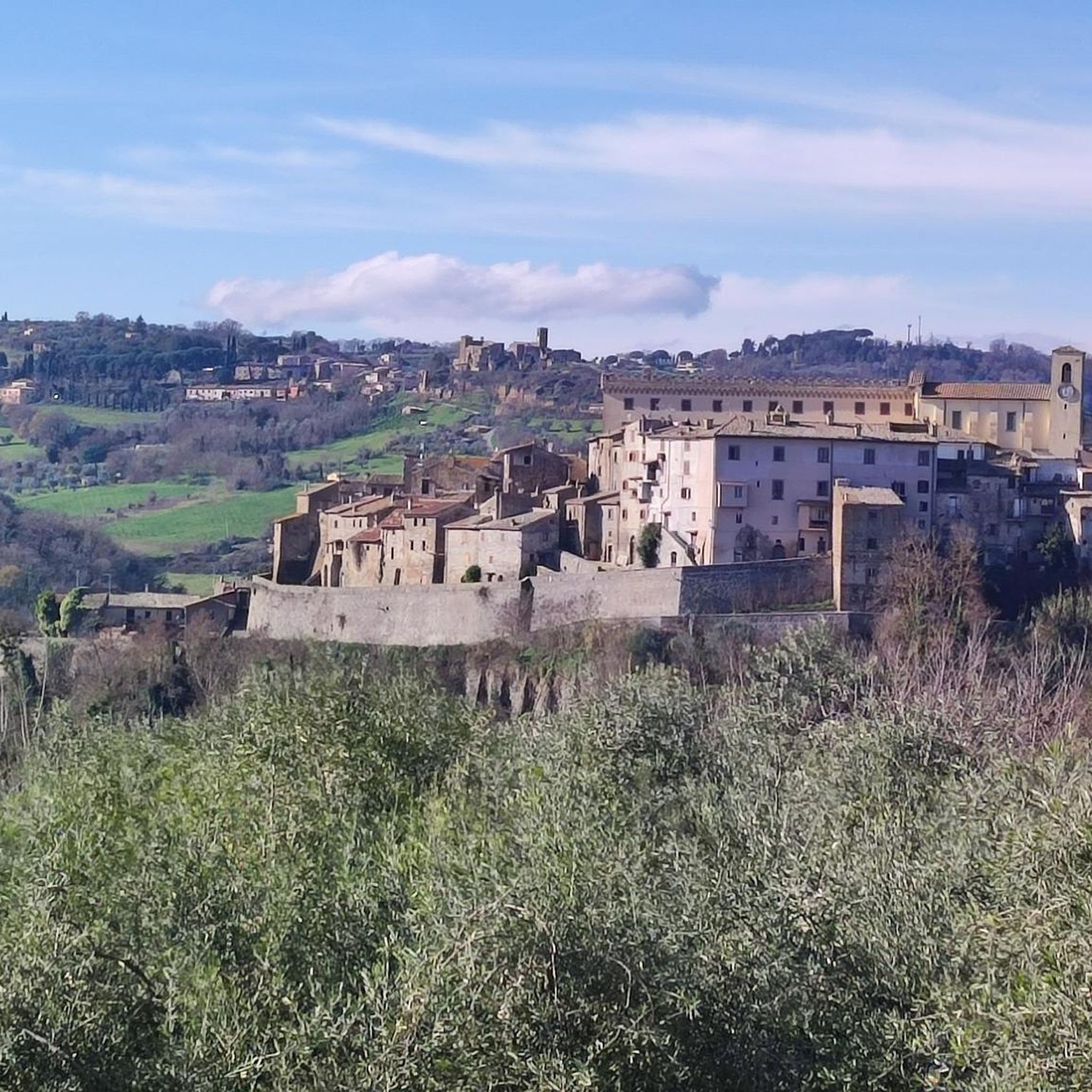
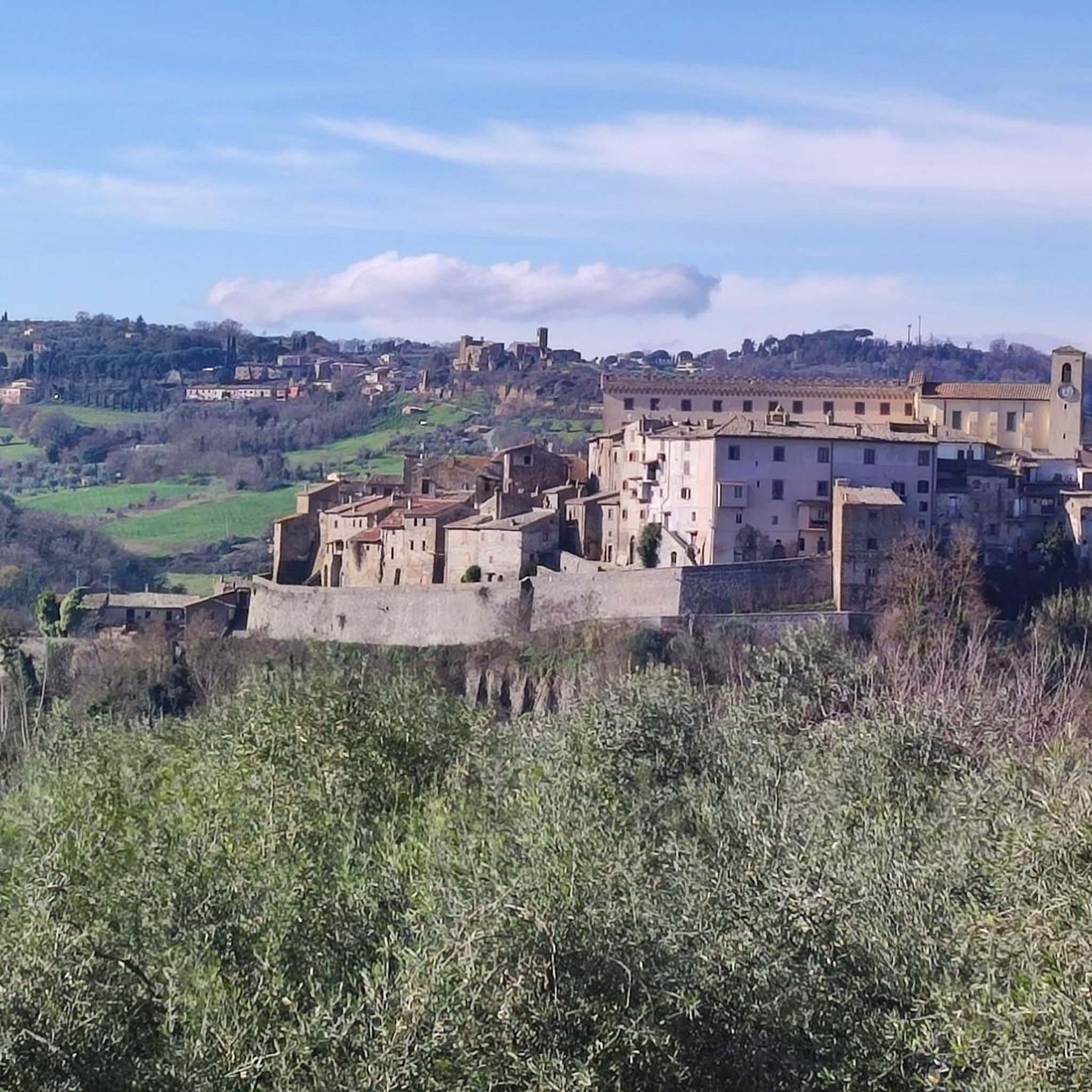
Past the old monastery you will arrive at the old borgo. The elevated old village has been depopulated since the 19th century and has become a real ruin due to erosion and earthquakes. In 1951 it was completely abandoned. Only the old market square and the castle are accessible, the old houses are completely dilapidated and overgrown with plants over the years. The Orsini castle at the entrance of Celleno antico is the most beautiful building in the borgo. It has a large watchtower and the castle is surrounded by a deep moat. It was recently restored and inhabited by the artist Enrico Castellani. This artist was internationally known (he also studied in Brussels) and died on 1 December 2017. On the old market square you can see a beautiful rectangular bell tower, in 3 layers and made of tuff. Only the walls of the old church San Carlo (17th century), left of the castle, remain. Close to the market square is the church of San Donato from the year 1000 in Romanesque style, with a very beautiful portal in basalt stone.
0
0
Recent archaeological discoveries have confirmed the Etruscan origins (4th-3rd centuries BC) of Celleno Vecchio, a settlement that enjoyed a great position, i.e. the ancient communication route between Orvieto, Bagnoregio and Ferento. Ancient sources provide evidence that this medieval settlement is one of the fortified villages built by the Counts of Bagnoregio between the 10th and 11th centuries. At that time, the village must have consisted of a number of dwellings at the end of the tuff, protected by cliffs on three sides, surrounded by walls and a small fortress, which is now the Orsini Castle, to protect the only access route. At the end of the 12th century, after the destruction of Ferento, the municipality of Viterbo began a rapid expansion in the Tiber Valley, also acquiring Celleno, which in 1237 was one of the castles of the Viterbo area governed by a Podest (high official) appointed by the local government. At the end of the 14th century, the city center fell into the hands of the Gatti family, one of the most powerful families in Viterbo. During this period, the medieval fortress was completely renovated and converted into a fortified stately home that can still be seen today. The Gatti family ruled Celleno until the last heir, Giovanni Gatti, who was killed on the orders of Pope Alexander VI (Borgia) for refusing to return the castle. At the beginning of the 16th century, the municipality fell into the hands of the Orsini family. Interestingly, the castle still bears the name of this family. Only towards the end of the 16th century was the church able to incorporate Celleno into its possessions until the unification of Italy. In modern times, Celleno Vecchio was often affected by earthquakes and landslides, until it was finally abandoned in the 1930s. Today it is a small, charming and evocative ghost village, characterized by ruins and vegetation, with beautiful views of the surrounding landscape.
0
0

Beautiful perfectly preserved medieval village
0
0

The medieval town of Vitorchiano still has all the historical features of its birth which took place around the year one thousand. Walking inside means immersing yourself in a context full of charm and beauty.
1
0
チェッレーノでのの人気観光スポット

komootモバイルアプリでインスピレーションを得よう


さらに探索
他の場所で最高の城を探していますか?他のガイドを発見しましょうチェッレーノでの:
