Warniceの洞窟・トップ6
ハイキングの途中で偶然見つけた場合でも、ガイドブックに沿ってたどり着いた場合でも、いつも特別な体験をもたらしてくれる城。Warniceには訪れるべき 6
の美しい城があります。一覧から行きたい城を見つけて、次の冒険では歴史にも触れてみましょう。
最終更新日: 10月 19, 2026
コシェヴォ宮殿
ハイライト • 城
翻訳を表示中
役立つ情報 は

パウォツ・ギジネク
ハイライト • 城
翻訳を表示中
役立つ情報 は
今すぐサインアップして、こんな場所を発見しよう
最高のシングルトラック、ピーク、その他のエキサイティングなアウトドアスポットのおすすめを受け取ろう。
ピルジツェの市壁
ハイライト • 歴史的な場所
翻訳を表示中
役立つ情報 は
ピルジツェのバシュタ・ロドヴァ
ハイライト • 記念碑
More information: de.wikipedia.org/wiki/Pyrzyce#Sehensw%C3%BCrdbaren
翻訳者 Google •
役立つ情報 は

クレンプチェヴォ城の遺跡
ハイライト • 城
翻訳者 Google •
役立つ情報 は

無料でサインアップして、さらに多くの城を発見しましょう Warnice。
すでにアカウントをお持ちですか?
無料アカウントで今日から始めよう
次の冒険が待っています。

コミュニティからのヒント

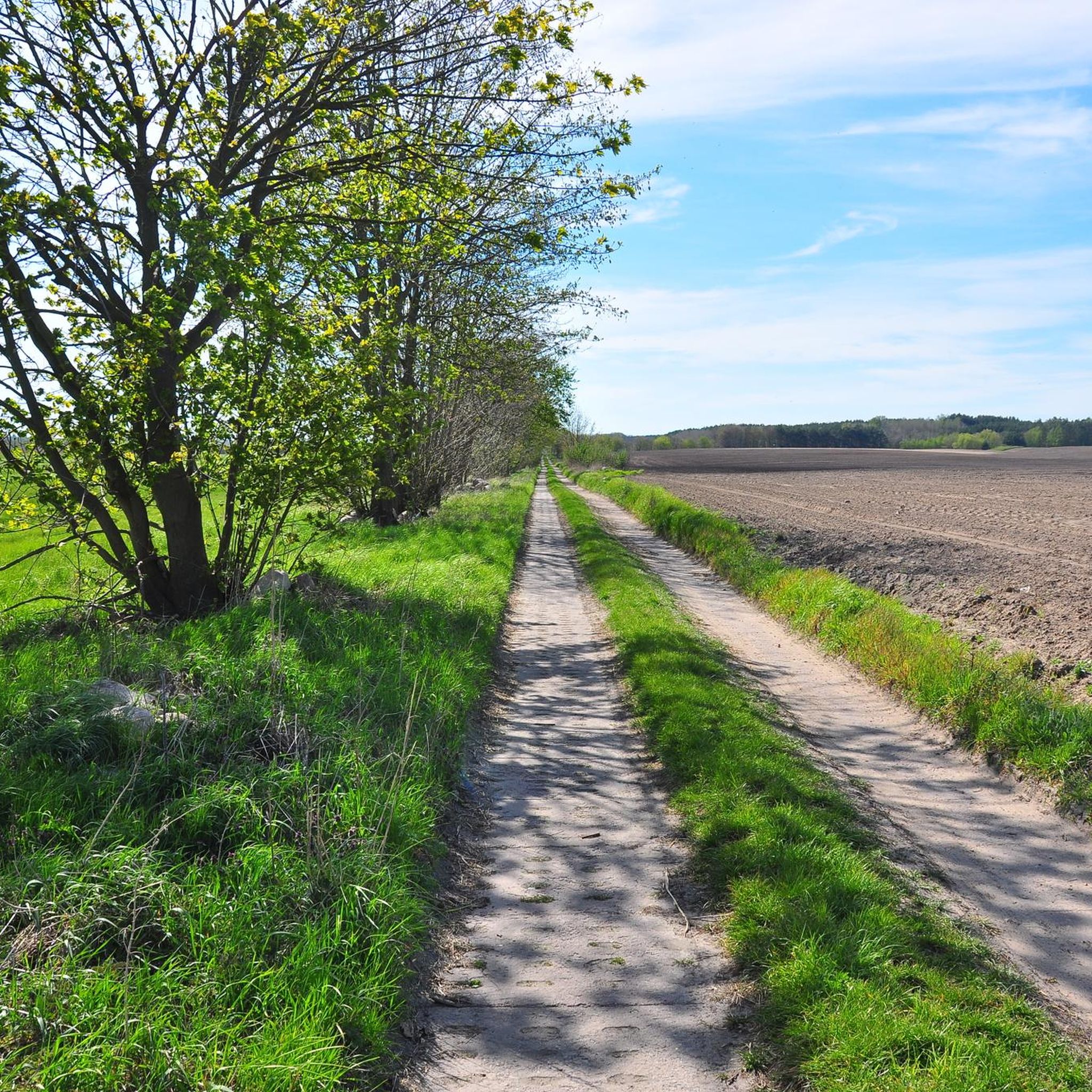
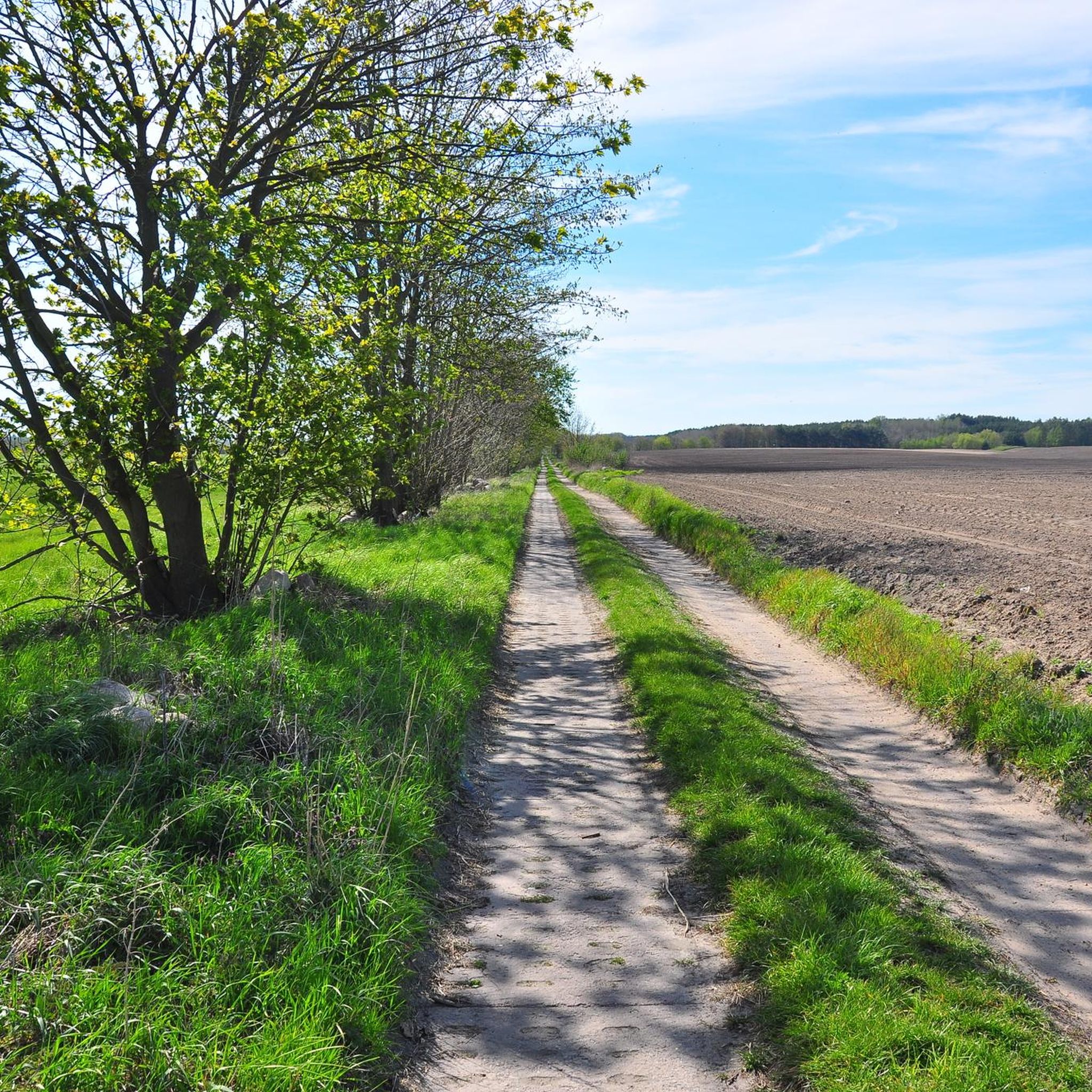
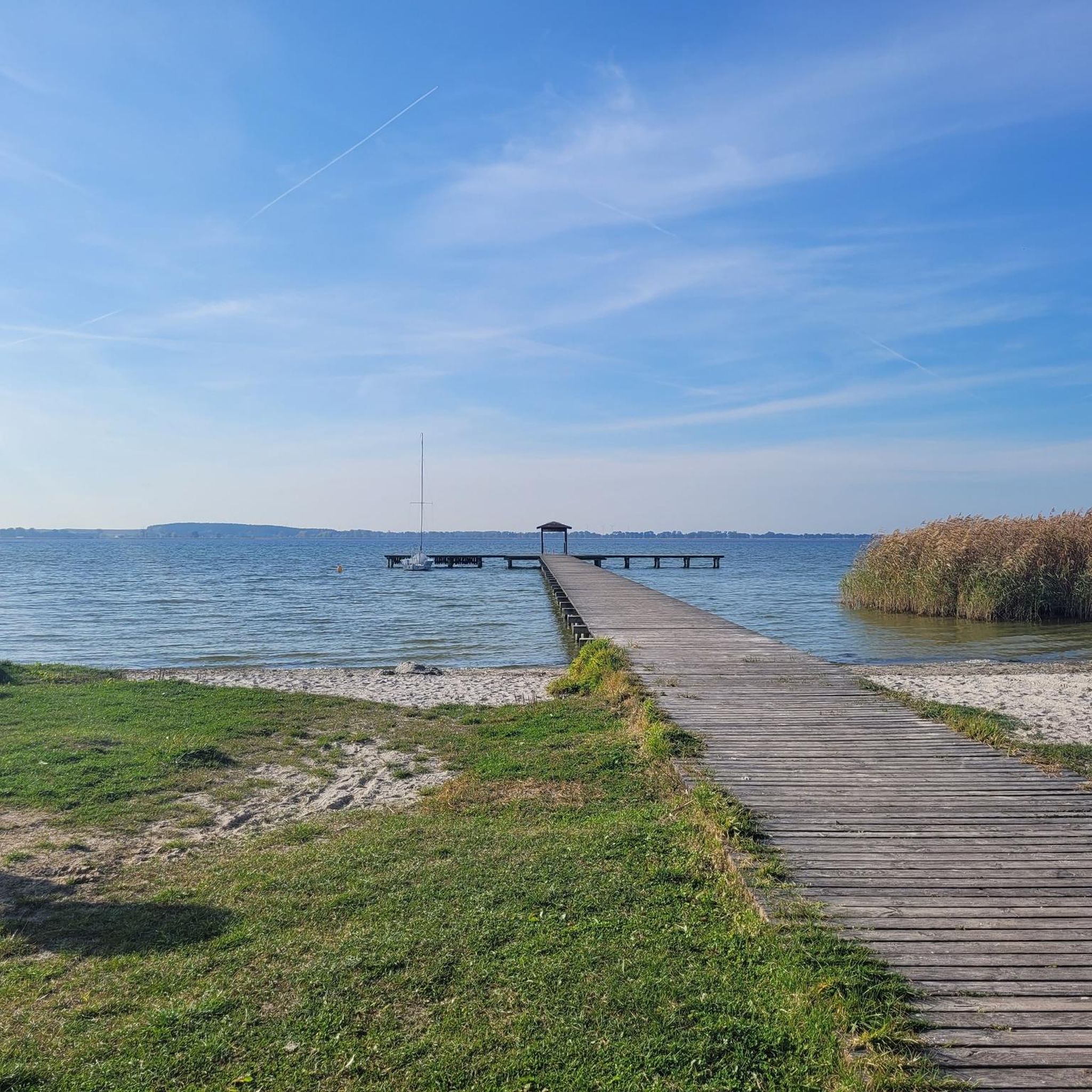
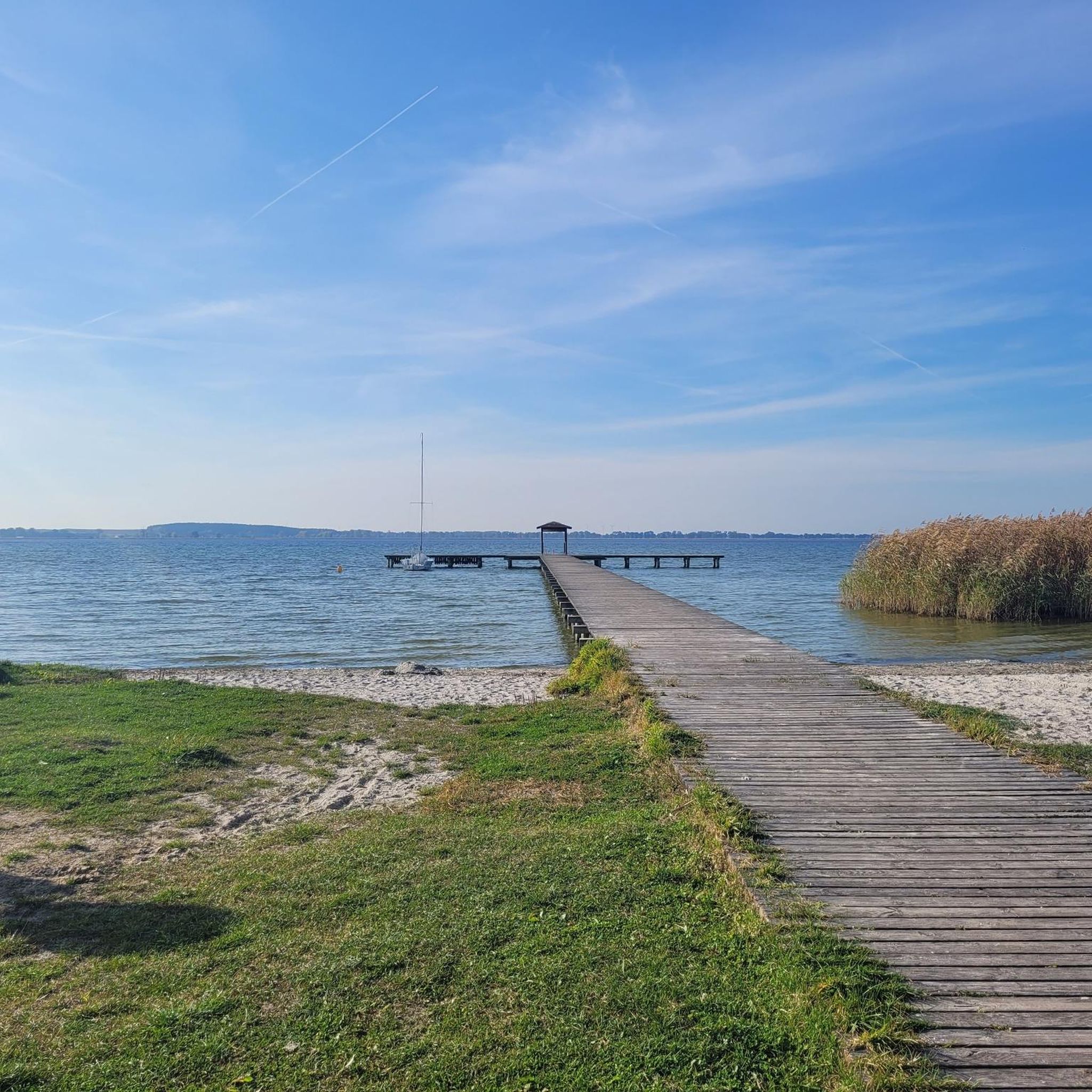
コシェヴォ宮殿は、1914年から1916年に建てられた歴史的な折衷主義の邸宅で、シュタルガルト自治体にあるミェドウィエ湖を見下ろす高い崖の上に絵のように配置されています。現在、この建物は個人所有となっており、主に外観から、例えば周辺の散歩やサイクリングツアー中に鑑賞することができます。建物は新バロック様式と新古典主義様式を組み合わせています。特徴的な要素は、新バロック様式の尖塔と湖側の展望ギャラリーを備えた高い塔、そしてファサードの角にある小さな円筒形の小塔です。入り口はバルコニー付きの4本の柱からなるポーチで飾られています。
3
1
ギジネク宮殿(スタルガルド)は、19世紀後半に建てられた歴史的な新ゴシック様式のレジデンシャルビルで、街の南西部に位置し、かつての農場領地の敷地内にあります。現在、建物は完全に住宅として使用されており、個人が所有しています。
3
1
Pyrzyceの中世の防御壁の複合体は、西ポモージェ地方で最も興味深く、比較的よく保存されている都市要塞の1つであり、優れた科学的および歴史的価値を持っています。壁の主要な輪郭、門、砲塔、監視塔、裏口、および土塁の要素である土塁と堀(植物と庭園)が保存されています。
3
0
氷の塔は、城壁の西側に位置し、約1420年(下の4層)に建てられ、16世紀後半(上の2層)に増築されました。円筒形で、外径530cmの円形平面に基づいています。地上階には牢獄があり、その上には防御レベル、5階には衛兵の部屋があり、6階には胸壁付きの展望通路が設けられていました。壁はセラミックレンガでできており、下部はウェンディッシュおよび不規則な結合、上部は不規則なポーランド式結合で、厚さは約150cmまで、漆喰は塗られておらず、4階には射撃孔、帯状のフリーズ、胸壁があります。
1
0

The defensive walls of Pyrzyce were built in four stages, from the location of the town in 1263 - to the second half of the 19th century. 16th century Stage I - until 1301: the main ring of walls was built, along with lookouts and gates. Stage II - half 14th century: in place of two gates, the lower floors of two gates were built, and three lookouts were rebuilt into defensive towers. Stage III - 15th century: construction of three towers, reconstruction of gates and superstructure of walls. Stage IV - mid 16th century: expansion of the defense system, related to the popularization of artillery. Bastions, bastions, fortifications were built, and gates and towers were added. At that time, the defense system of Pyrzyce was finally completed, resulting in the construction of: defensive walls approximately 2,000 m long and 7-9 m high, with two gates and a foregate, 44 lookouts, 8 overhead lookouts, 6 towers (including two cylindrical). The city was surrounded by a double ring of embankments and moats - approximately 2,250 m long. The moats were irrigated after opening locks from four artificially created ponds, fed with water from Sicina (a tributary of the Płonia River. Until 1574, there were no invasions by Brandenburg, Polish and Hussite troops did not breach the Pyrzyce walls. After 1750, some of the embankments were planted, and in the years 1830-45 they were turned into a promenade. The moats were filled in around 1860, and gardens were established in their place. At the end of the 18th century, the foregate of the Banska Gate was demolished, and after 1854, the foregate of the Szczecin Gate. In the 19th century, the towers served economic functions (icehouse, workshop). The former lookouts were converted into residential houses for the poor. In the years 1835-1843, the damaged parts of the walls were renovated, in 1879, a fragment of the wall in the street axis was demolished Szeroka, and numerous gates for pedestrian traffic were pierced. During World War II, the Szczecin Gate and the Monk's Tower were destroyed, as well as the upper storeys of the towers and the Banska Gate. After 1945, the city fortifications were systematically renovated and preserved.
2
2

The High Tower, also called the Ice Tower. Built in two stages. It was both a watchtower and a prison, and later a warehouse for sheets of ice and a meat refrigerator.
3
2
was established in the 15th and 16th centuries. The former dungeon on the lower floor was rented in the 19th century as a meat freezer. Rebuilt in the 1980s
1
0

Private property but walkable. The ruins are under maintenance, a fantastic view of the Ina valley, countless Cranes and Egrets.
3
0
Warniceの人気観光スポット

komootモバイルアプリでインスピレーションを得よう


さらに探索
他の場所で最高の城を探していますか?他のガイドを発見しましょうWarnice:
