サン・フルーの洞窟・トップ5
ハイキングの途中で偶然見つけた場合でも、ガイドブックに沿ってたどり着いた場合でも、いつも特別な体験をもたらしてくれる城。サン・フルーには訪れるべき 5
の美しい城があります。一覧から行きたい城を見つけて、次の冒険では歴史にも触れてみましょう。
最終更新日: 8月 31, 2026
ブロアージュの城塞
ハイライト • 城
翻訳者 Google •
役立つ情報 は

フールア要塞
ハイライト • 城
役立つ情報 は

今すぐサインアップして、こんな場所を発見しよう
最高のシングルトラック、ピーク、その他のエキサイティングなアウトドアスポットのおすすめを受け取ろう。
無料新規登録
ヴォーバン要塞
ハイライト • 城
翻訳者 Google •
役立つ情報 は
シャトー・デュ・ボワ・ヴェール
ハイライト • 城
役立つ情報 は

無料アカウントで今日から始めよう
次の冒険が待っています。
ログインまたは登録
コミュニティからのヒント

Rather than a castle, it's a building called the park's salons. Located behind the casino, it's used primarily for shows, weddings, etc.
0
0

fortified village, former port of departure for the Americas, today it is located approximately 1.5km from the shore...
0
0


Overlooking the Grande Plage of Fouras-les-Bains, you cannot miss this gigantic structure: Fort Vauban. From the 11th century, the castellany of Fouras owed its growth to the taxes that the lords of Rochefort levied on boats using the Charente. In the 15th century, in place of the castle, destroyed during the War of Religion, a 30 meter high keep was built to monitor the sea from the top of its terrace. It was during the construction of the Rochefort Arsenal that the keep became the fort we know today. It then becomes a centerpiece of the defense system of the approaches to the Charente in order to prevent entry towards Rochefort.
0
0

More information can be found here: https://meinfrance.com/brouage-schoenste-doerfer-zitadelle/
0
1
The stronghold of Brouage is a former salt trading port named Jacopolis-sur-Brouage, which became a Catholic war port wanted by Cardinal Richelieu who named it Brouage in 1627 to compete with the Huguenot stronghold of La Rochelle. Brouage is also considered to be perhaps the birthplace of the geographer Samuel de Champlain who participated in the founding and colonization of New France, and who is the founder of the city of Quebec in Canada. A military port on the edge of the Atlantic Ocean until the beginning of the 18th century, the town is today inland and surrounded by marshes. Attention: inside the citadel the streets are almost exclusively paved.
2
0

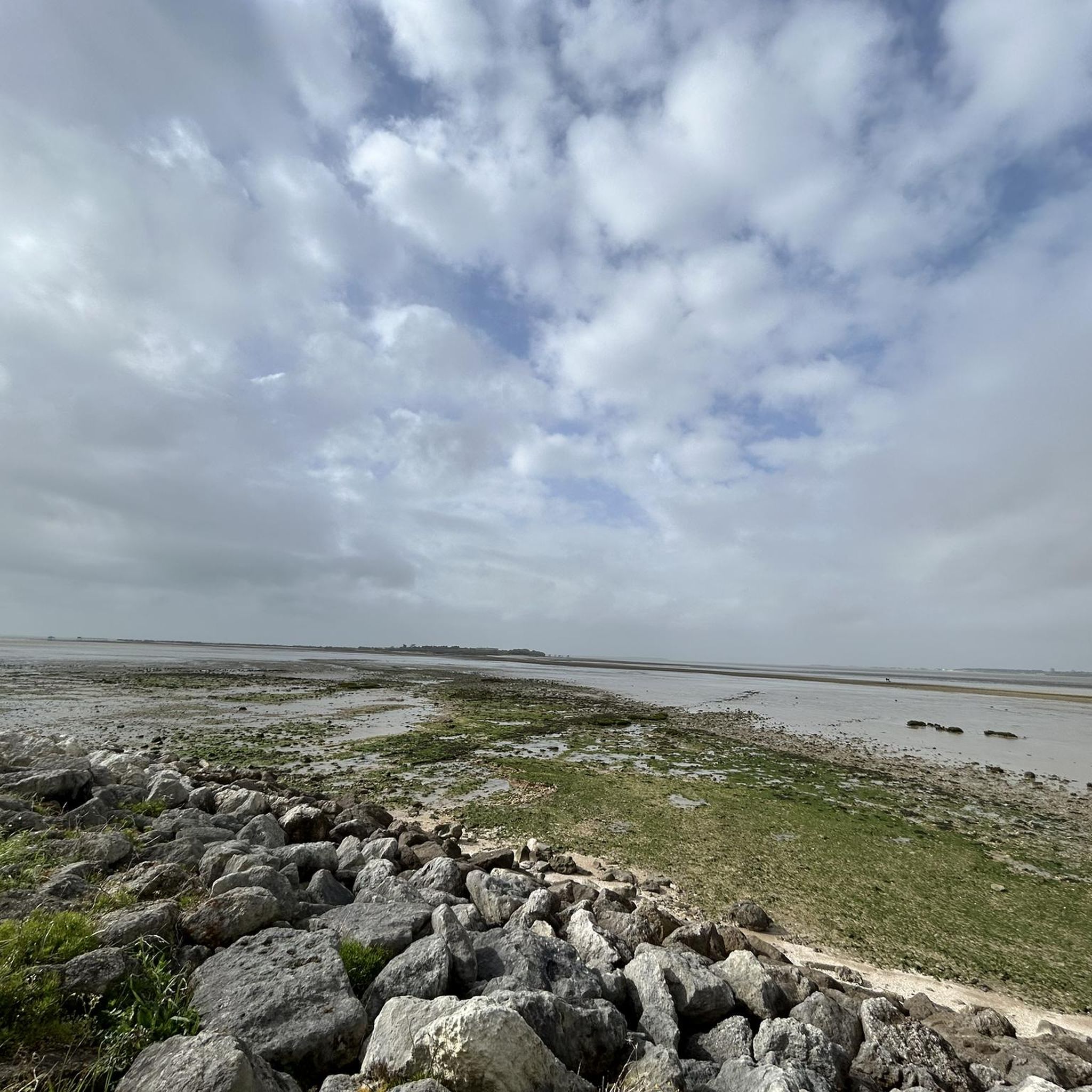
Fouras is a city full of charm, located at the mouth of the Charente. It extends over four kilometers and has five beaches to cool off. Fouras is protected from the ocean swells by three islands: Aix, Oléron and Ré. The Fumée pier allows you to reach the first!
1
0

Fort Fouras was actually built on the site of a Roman castle. Its purpose is to defend the mouth of the river against invasions. It was in service and actively occupied and used until 1927.
2
0
サン・フルーでのの人気観光スポット

komootモバイルアプリでインスピレーションを得よう


さらに探索
他の場所で最高の城を探していますか?他のガイドを発見しましょうサン・フルーでの:
