クリスネの湖・トップ9
次の冒険でクリスネの素晴らしい湖を訪れてみませんか?湖畔の穏やかな雰囲気や、天気が良い日のひと泳ぎは格別です。komootコミュニティがおすすめするクリスネの素晴らしい湖の一覧を参考にして、次の冒険では湖をもっと満喫しましょう。
最終更新日: 10月 17, 2026
ザンメレン自然保護区とモンベーク渓谷
ハイライト • 自然
翻訳者 Google •
役立つ情報 は

市立公園
ハイライト • 休憩所
翻訳者 Google •
役立つ情報 は

今すぐサインアップして、こんな場所を発見しよう
最高のシングルトラック、ピーク、その他のエキサイティングなアウトドアスポットのおすすめを受け取ろう。
ヘールス城
ハイライト • 城
Charles the Bold and his troops destroyed this gem after their victory at the Battle of Brustem in 1467. …
翻訳者 Google •
役立つ情報 は

フォンテインベーク・ネイチャートレイル
ハイライト (セグメント) • トレイル
翻訳者 Google •
役立つ情報 は

Mombeek湿地帯
ハイライト • 自然
翻訳者 Google •
役立つ情報 は

無料でサインアップして、さらに多くの湖を発見しましょう クリスネでの。
すでにアカウントをお持ちですか?
無料アカウントで今日から始めよう
次の冒険が待っています。

コミュニティからのヒント

かつてここには、ピリンゲン製粉所とも呼ばれた14世紀のハーレン製粉所がありました。製粉所の建物は1968年に完全に解体されました。最後の壁の残骸は、モムベークにコレクターを設置するための掘削作業により2014年に姿を消しました。この作業中、後期中世の陶器の断片や、後期中世または近代の銅または青銅製の口琴もいくつか発見されました。
4
0
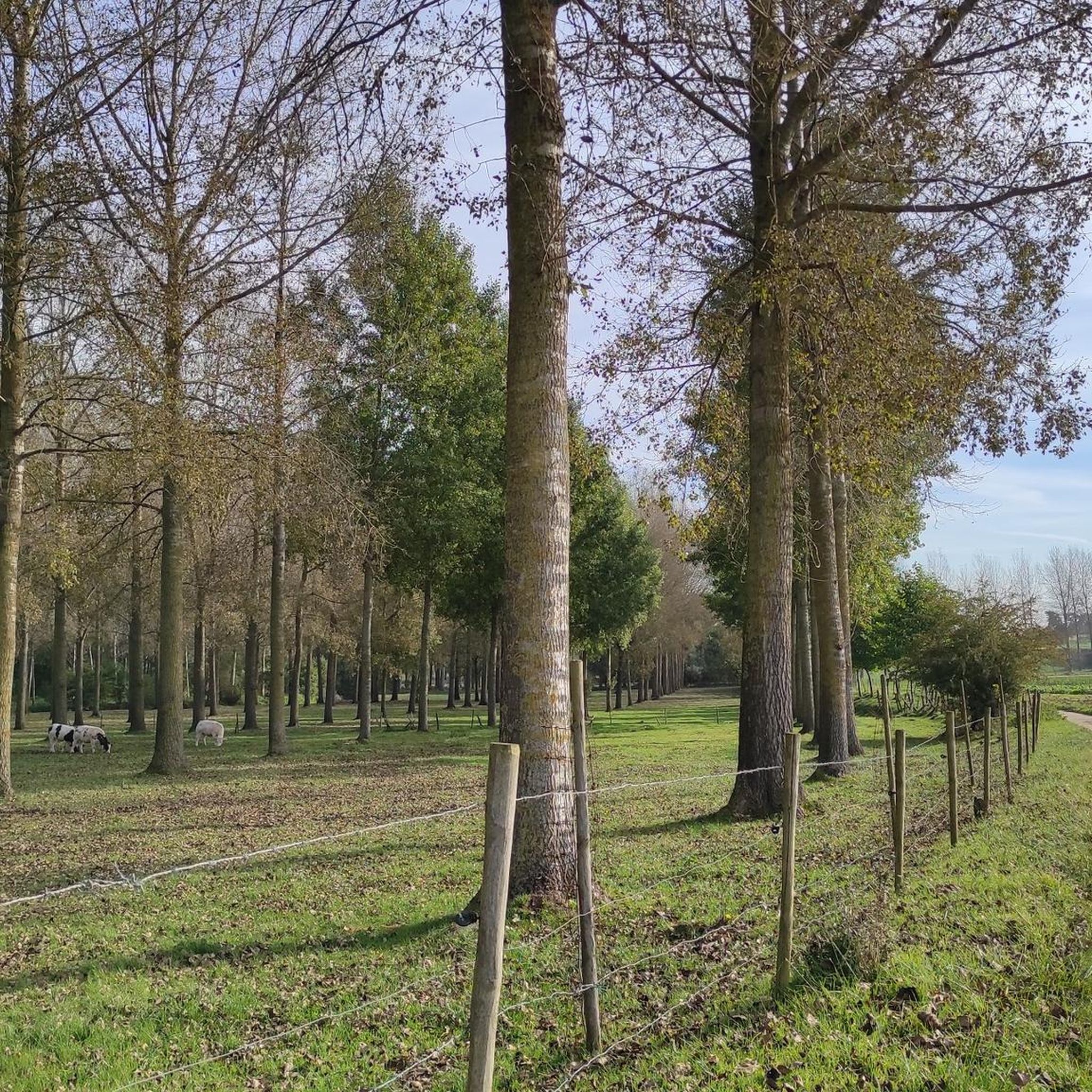
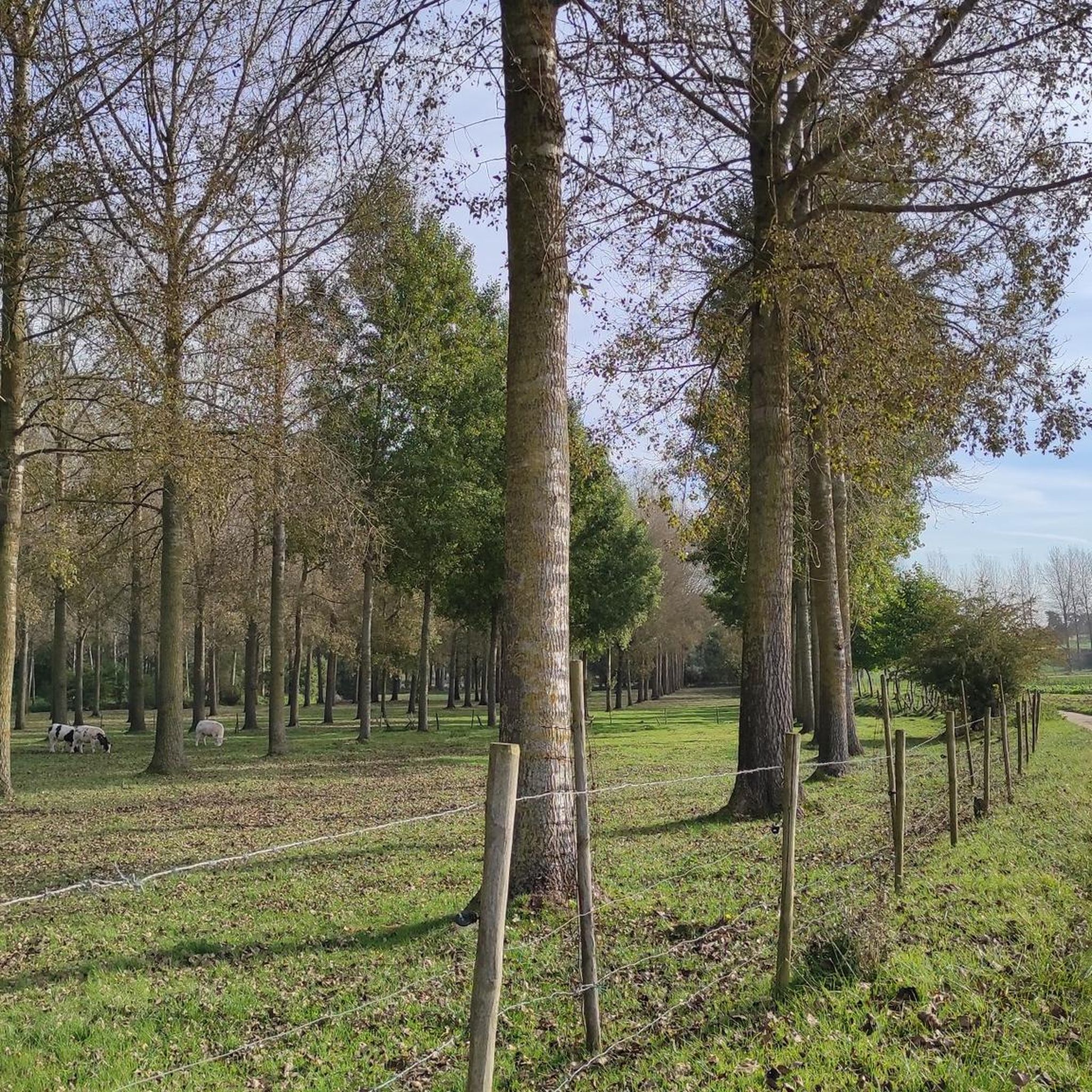
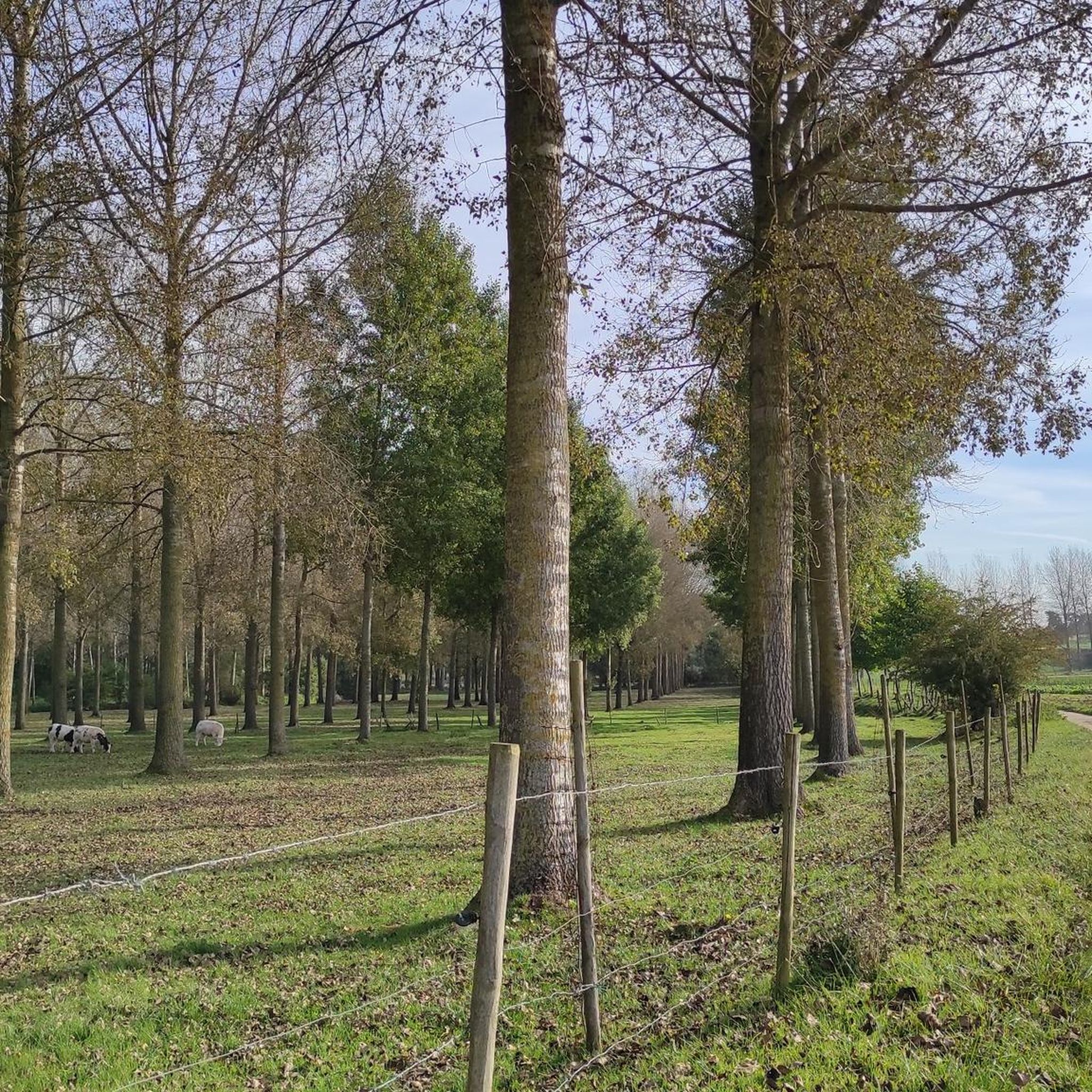
The old Tongeren railway embankment is a valuable piece of nature that crisscrosses the cultural landscape in Haspengouw like a ribbon. The Spoorwegzate, formerly a heavily used connection between Tongeren and Tienen, is today a valuable piece of nature. Around 1879, a network of railway and tram lines was constructed between Tienen and Liège for rapid and mass transport between the agglomerations and for the transfer of goods. The old railway bed cuts through Wet Haspengouw. The subsoil consists of clay and sand layers, covered by a layer of loam. The valley floors are very wet and were therefore used exclusively as hayfields and pastures. Later, poplars were also planted. The Fonteinbeek crosses the landscape and flows into the Mombeek further downstream. Rooi Castle, Hoevenaars Castle, and Kolmont Castle are historical attractions. On one side of the embankment are badger burrows, orchards with tall trees, and fields. On the other side of the bed, at a distance of approximately 50 meters, flows the Fonteinbeek, with damp grasslands and hay meadows, some planted with poplars.
1
0
Today, the park is extremely overgrown, overgrown, and covered with car wrecks – we counted about twenty – and most of the park's trees are overgrown or have even become picturesque ruins that overhang the ponds or block the walking path. Solitary trees no longer stand alone; new growth plagues the entire park, disrupting the large lawn and the sightlines. However, careful clearing, a few mowings, and judicious new plantings of trees and flowering shrubs would suffice to restore the structure to its legibility and offer captivating and varied views.
2
0
1274: Heers Castle is first mentioned in a historical document. A century later, it is plundered and burned by the troops of Charles the Bold. The current castle is a result of reconstruction and dates from around 1500. The following centuries continued to be ravaged by war: the Dutch, French, and Germans all made their appearances. The De Rivière family, who had owned the castle since the 14th century, was declared bankrupt in 1757. From 1859 onward, the castle came into the possession of the Desmaisières family, who lived and enjoyed it lavishly... until the costs became too high. In the 21st century, the castle fell into complete disrepair due to conflict and lack of funds. Local volunteers launched a rescue initiative. Today, many partners are working on a new future for this impressive place steeped in history.
4
1

Our small country is a patchwork of small-scale nature reserves that overlap and influence each other, and that is also the case here. You are in the Mombeek valley, a stone's throw from Spoorwegzate and the Sint-Annabeek valley. From Opleeuw, a unique grassland hill bends towards Kerniel. Impoverished grass and hay fields of, among other things, glossy oat, marsh marigold and blue grass are in full development here and will attract various plants, including colourful orchids. Finally, note the high-stem orchards of Zammelen, the sloping forest and the many springs. In any case, there are enough information boards along the way to learn and read all about it. In short: variety galore. More about the Mombeek valley, the central area at this location, can be found at https://www.natuurpunt.be/natuurgebieden/mombeekvallei
5
0

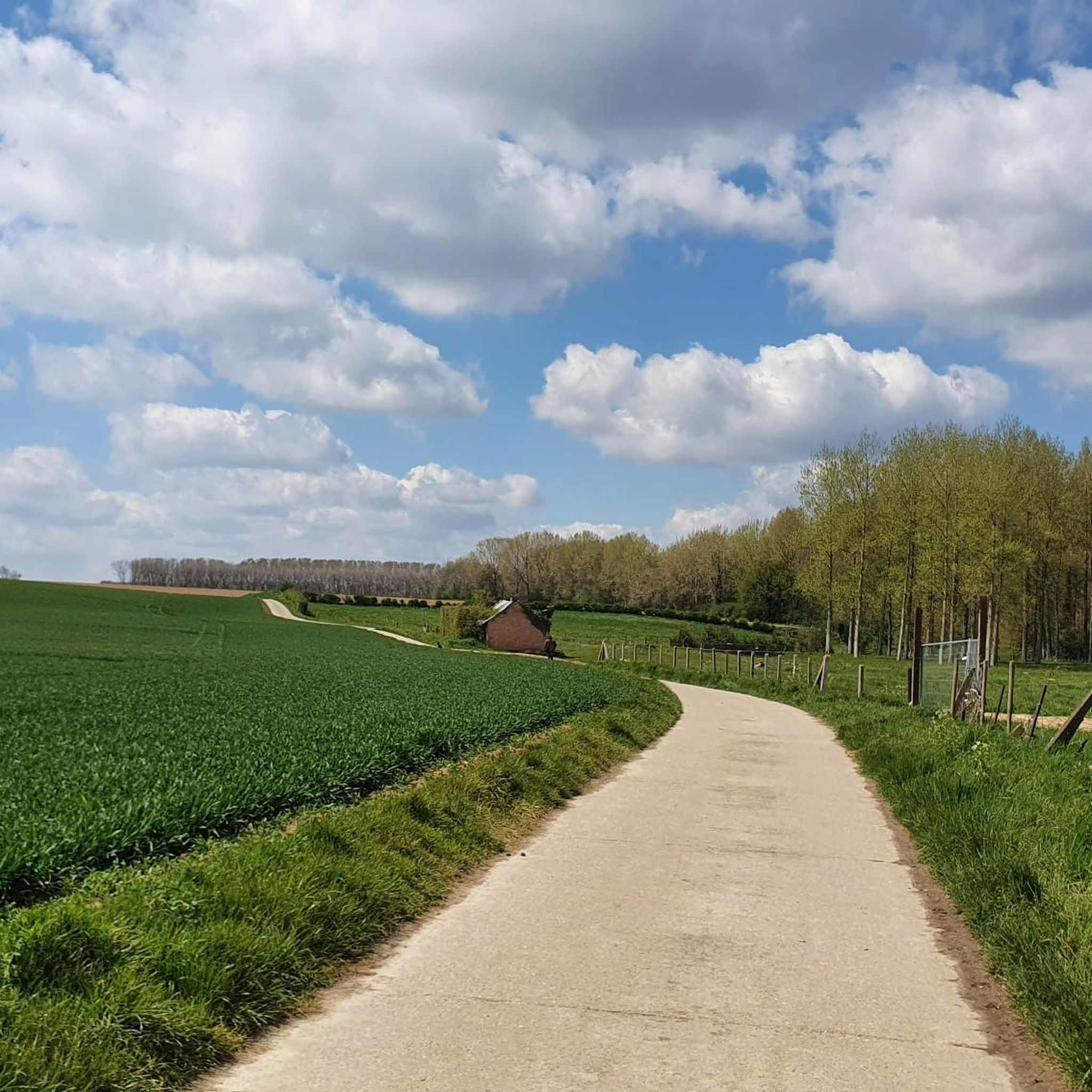
Green path on the old railway in the Spoorwegzate nature reserve
3
0
Here the Mombeek meanders (again) through the landscape. By straightening and deepening streams in the past, the landscape was confronted with excessively rapid water drainage, desiccation, flooding and loss of biodiversity. Here the focus is again on stream structure restoration and they allow the streams to meander again. The ponds with swamps drain the water slowly and thus flood in places where it is not a nuisance. This allows water to slowly penetrate into the soil.
4
0
クリスネでのの人気観光スポット

komootモバイルアプリでインスピレーションを得よう


