ベールネムの湖・トップ20
次の冒険でベールネムの素晴らしい湖を訪れてみませんか?湖畔の穏やかな雰囲気や、天気が良い日のひと泳ぎは格別です。komootコミュニティがおすすめするベールネムの素晴らしい湖の一覧を参考にして、次の冒険では湖をもっと満喫しましょう。
最終更新日: 10月 3, 2026
ポールトーレン(火薬塔) ブルージュ
ハイライト • 記念碑
翻訳者 Google •
役立つ情報 は

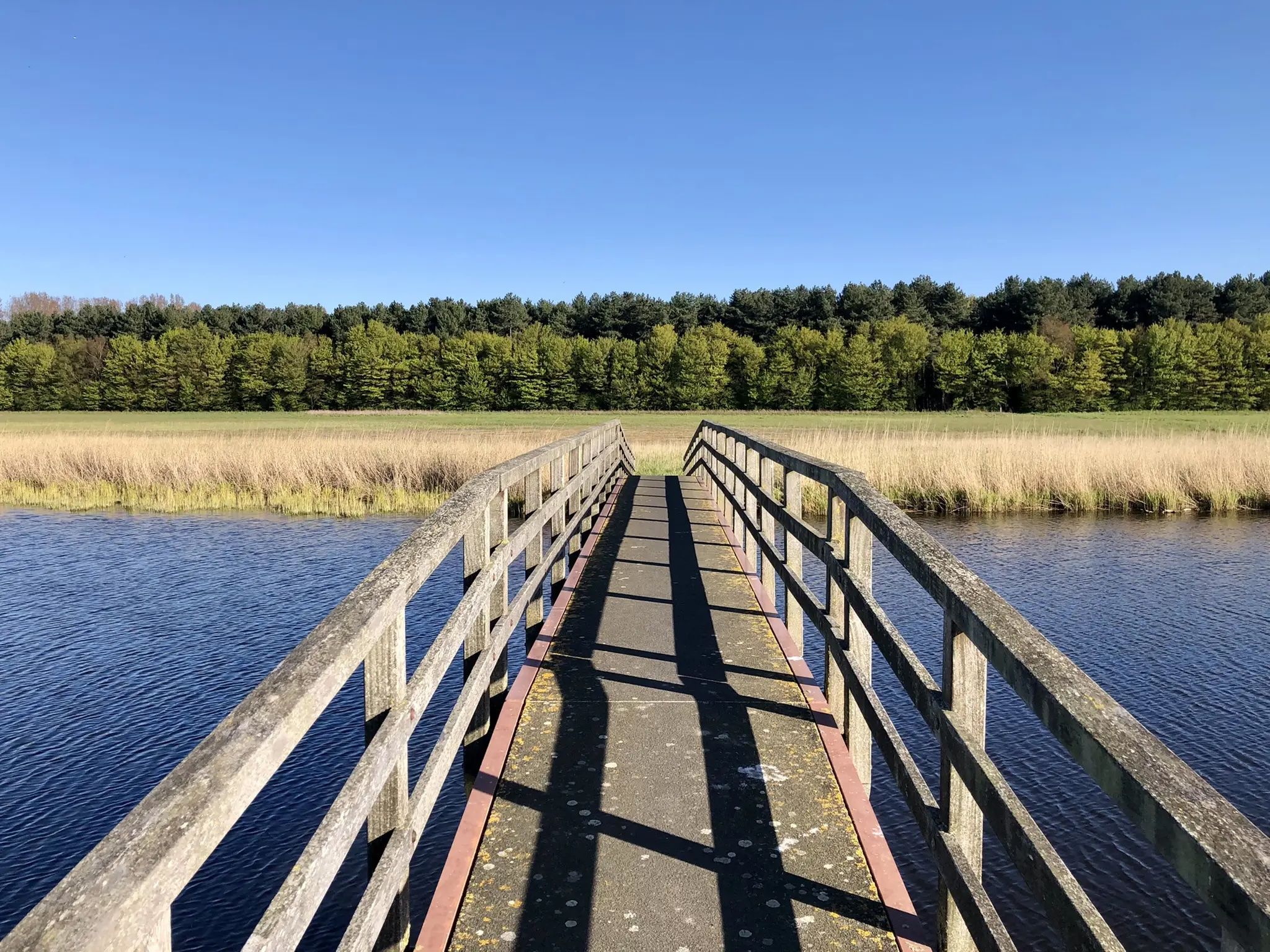
ヘイデフェルト=ボルネベークのグローテ・プールの上の木道
ハイライト • トレイル
翻訳者 Google •
役立つ情報 は

今すぐサインアップして、こんな場所を発見しよう
最高のシングルトラック、ピーク、その他のエキサイティングなアウトドアスポットのおすすめを受け取ろう。
Bulskampveld
ハイライト • 森
翻訳者 Google •
役立つ情報 は
ミンネワーテルのデ・ラ・ファイユ城
ハイライト • 城
翻訳者 Google •
役立つ情報 は

無料アカウントで今日から始めよう
次の冒険が待っています。

コミュニティからのヒント

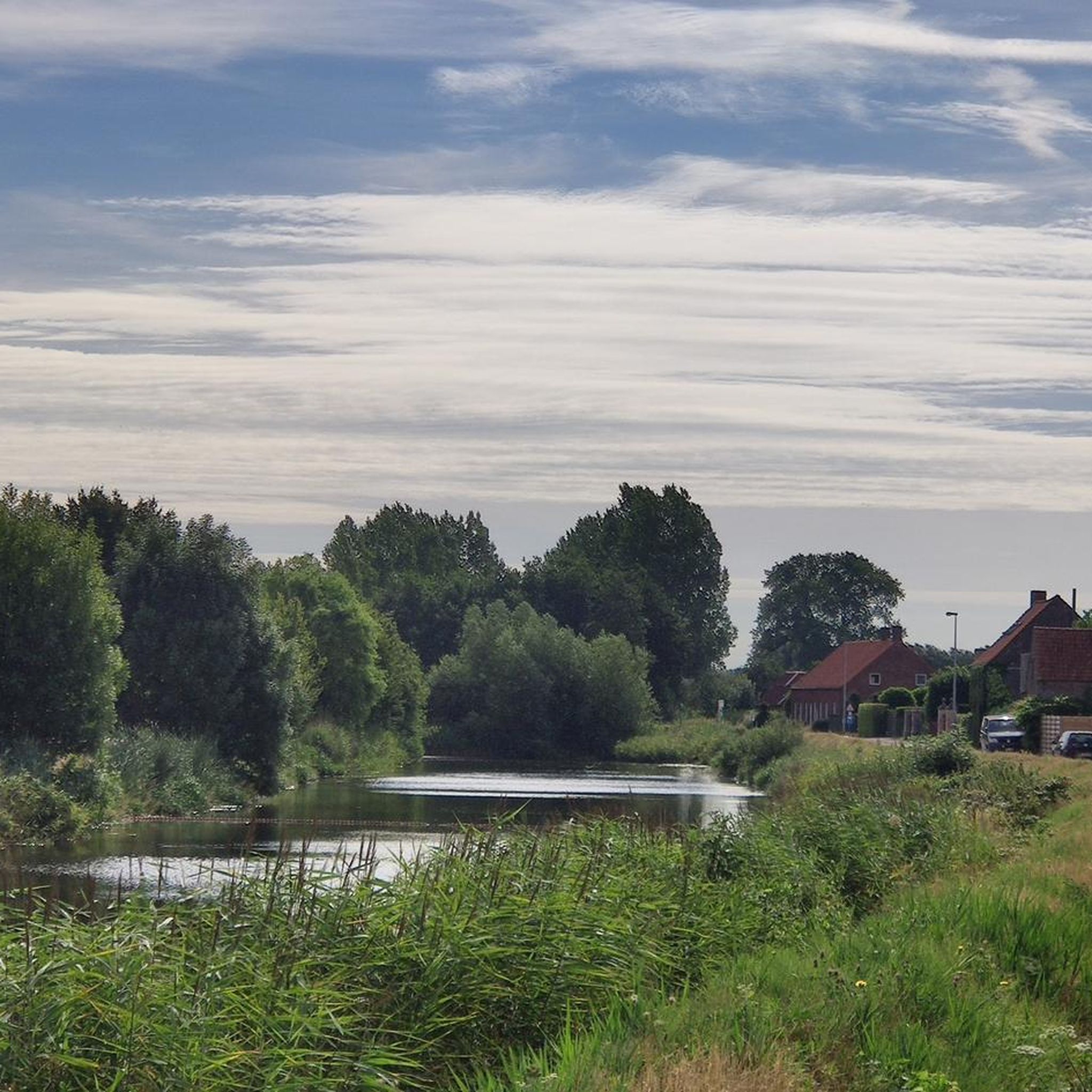
非常に美しいハイキングですが、長引く干ばつのせいで、見どころが今は違って見えます。
0
0

A very large forest with various amenities, including a tea room and restaurant. There's also a herb garden and a farm where you can buy ice cream.
3
0

After the Tillegembos (Bruges) and the Palingbeek (Ypres), the Lippensgoed-Bulskampveld became the third provincial domain of West Flanders. In 1970, 201 ha of forest, agricultural land, park, castle and associated farms were purchased and opened to the public after construction and development. The Lippensgoed-Bulskampveld was the largest public domain in West Flanders for a long time. In the 1980s, the castle garden was transformed into a didactic herb garden and the exhibition of agricultural materials in galleries around the herb garden was established. In 1990, one of the leased farms within the provincial domain became available. In order to increase the recreational opportunities, various afforestations were carried out there and new avenues were created. With an additional acquisition of 17 ha in 1992, the surface area was increased to 218 ha. About 10 years later, in 2003, 6 ha of St-Amandus were rented and integrated into the existing domain via an educational nature trail. Finally, in 2005, about 8 ha of forest were purchased and added to the public domain, bringing the total to 232 ha. (Province of West Flanders)
13
0
A boardwalk over a large pond: fun guaranteed. And a beautiful panorama.
13
1

beautiful boardwalk, recently renovated, and beautiful view
6
1

The Reie (the river after which the canals were later named) and its tributaries probably remained untouched until around the 9th century. Nevertheless, it is suspected that small hydraulic engineering works were already carried out by the Romans in the 1st century. The largest amount of river water flowed into the city center in the south, where the Minnewater is located. This elongated lake probably originated in the 12th or 13th century as a kind of reservoir, due to the construction of the locks at the lock house. The name Minnewater could mean communal water. However, a number of linguists explain minne as a water spirit. The Reie was the most important watercourse in Bruges and its name evolved to refer to all city canals. The Reie is further identified with the current Waardammebeek, river stream and ring stream. The locks of the lock house allowed the Minnewater to be kept at a constant level. Their purpose, however, was mainly to regulate the water supply to the city center. There used to be three mills around the Minnewater: the stadvolmolen (1646), a water mill on the eastern bank (where the castle now stands); the fulling mill, a windmill on the fortress next to the Minnewaterbrug symmetrical with the Poertoren and the Kasteelmolen (presumably 13th century), a watermill at the confluence of the Bakkersreitje and the Katelijnevest. The wide Minnewater was probably used in the Middle Ages to keep the water mills running. From the 1620s, the Minnewater was used as a trading basin. When the Coupure was dug in 1752 to create a smoother connection between the Ghent and Ostend canals through the city, the Minnewater lost this function. Dredging boats that ensured regular transport between Bruges and Ghent had their mooring there until 1782. Immovable Heritage Inventory: Minnewater and surroundings, https://id.erfgoed.net/erfgoedobjecten/301976
9
0
Free-standing tower, built in 1398-1401 by Jan Van Oudenaarde; from the 15th century to the first quarter of the 20th century, gunpowder store, see name; in 1665 it was used as a fuller's mill for several years; cellars already used as ice cellars before 1785. Restored in 1989-1991 according to a design by architect A. Cottyn (Bruges). Immovable Heritage Inventory: Poertoren, https://id.erfgoed.net/erfgoedobjecten/200722
13
0

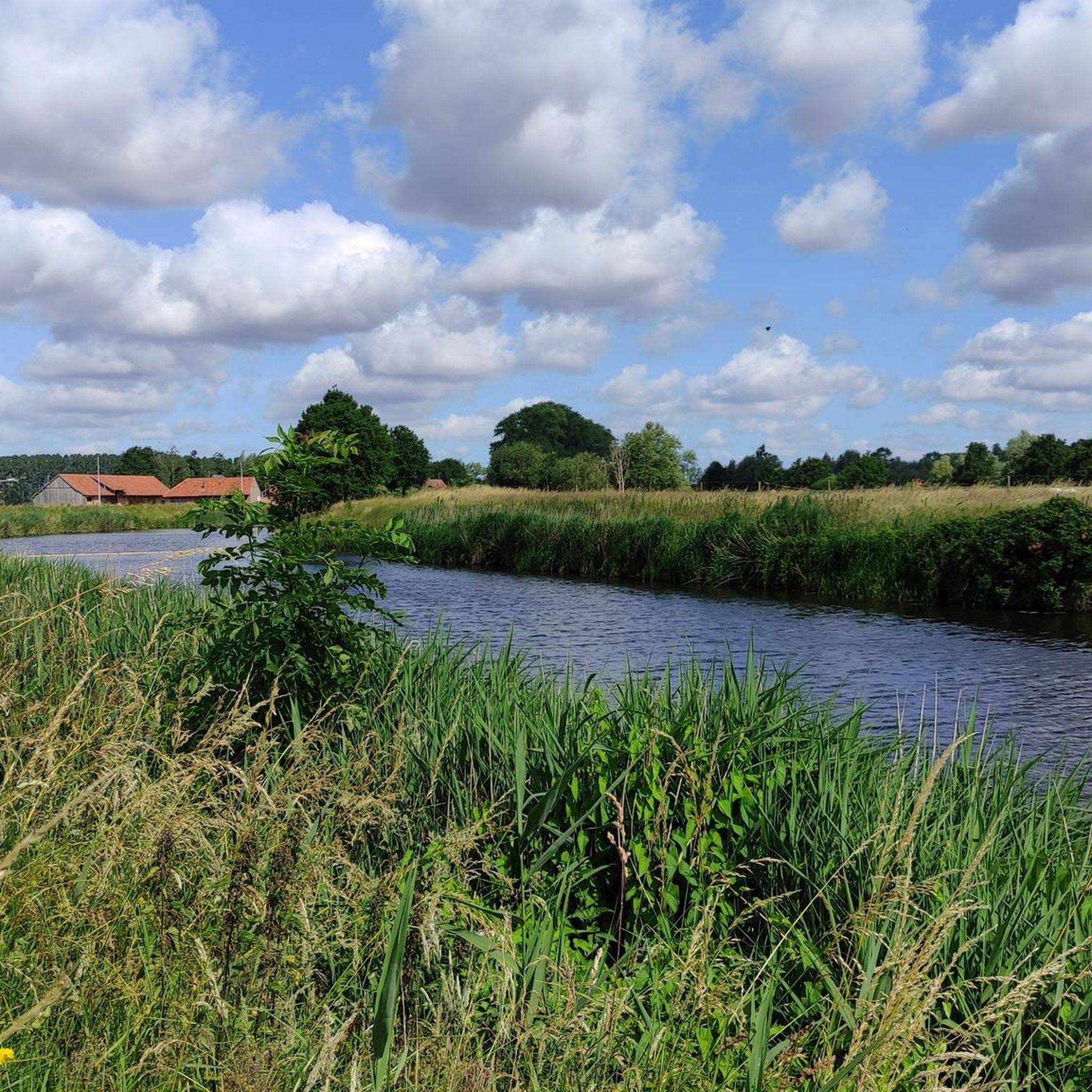
A beautiful walk to see/hear many birds 🥾🥾🦇🪺🐦⬛🦆🦉
3
2
ベールネムでのの人気観光スポット

komootモバイルアプリでインスピレーションを得よう


さらに探索
まだ完璧な湖が見つかりませんかベールネムでの?これらの地域のガイドをチェックして、さらに美しい場所を見てみましょう。
