コルメナレホの洞窟・トップ5
ハイキングの途中で偶然見つけた場合でも、ガイドブックに沿ってたどり着いた場合でも、いつも特別な体験をもたらしてくれる城。コルメナレホには訪れるべき 5
の美しい城があります。一覧から行きたい城を見つけて、次の冒険では歴史にも触れてみましょう。
最終更新日: 8月 25, 2026
アウレンシア城
ハイライト • 城
Almost all year round you can pedal on your bike, but you have …
翻訳者 Google •
役立つ情報 は

サン・ロレンソ・デ・エル・エスコリアル王立修道院
ハイライト • 歴史的な場所
翻訳者 Google •
役立つ情報 は

今すぐサインアップして、こんな場所を発見しよう
最高のシングルトラック、ピーク、その他のエキサイティングなアウトドアスポットのおすすめを受け取ろう。
無料新規登録
ロドネスの塔
ハイライト • 城
翻訳者 Google •
役立つ情報 は
バレンシア公爵夫人の宮殿(マタエスペサ城)
ハイライト • 城
翻訳者 Google •
役立つ情報 は

無料アカウントで今日から始めよう
次の冒険が待っています。
ログインまたは登録
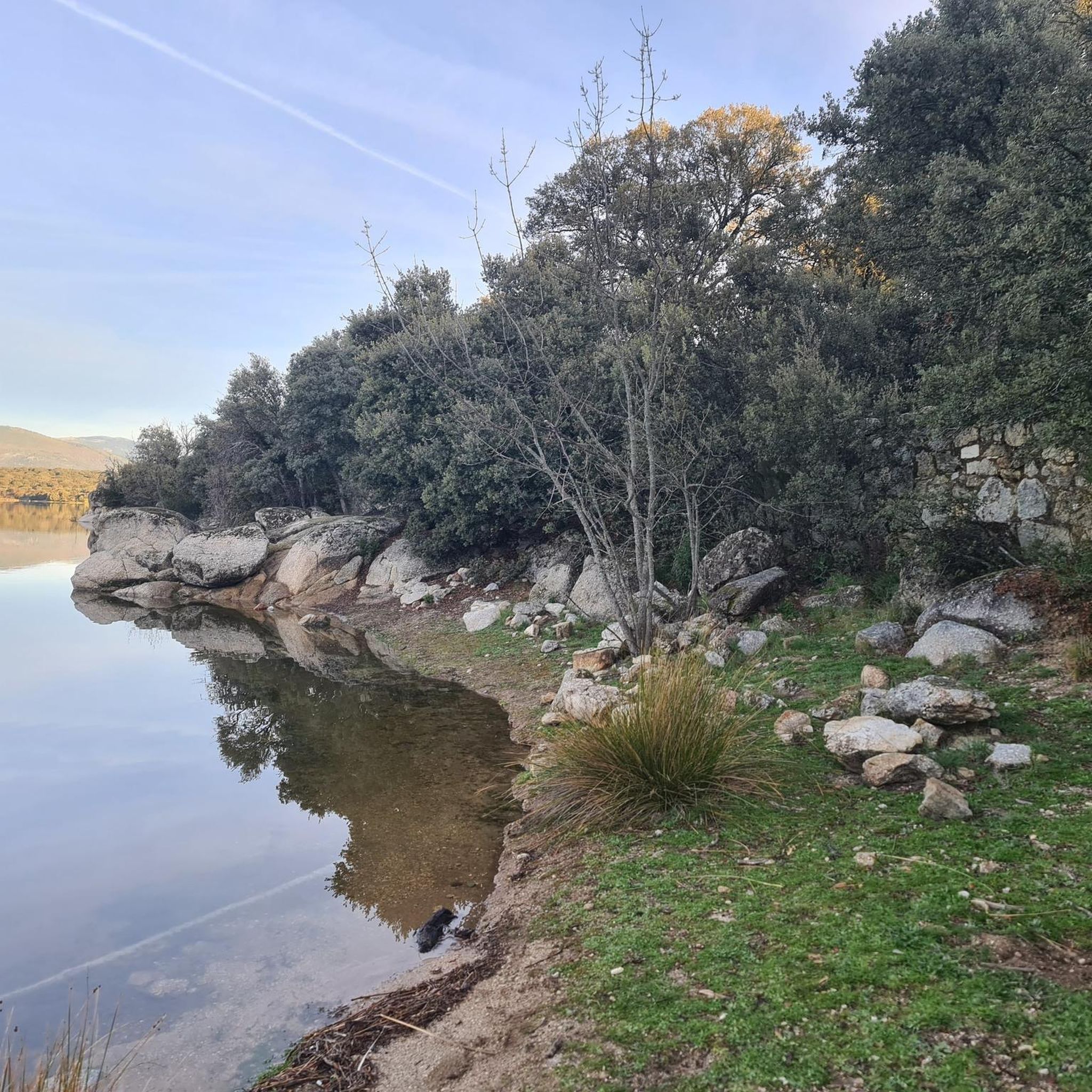
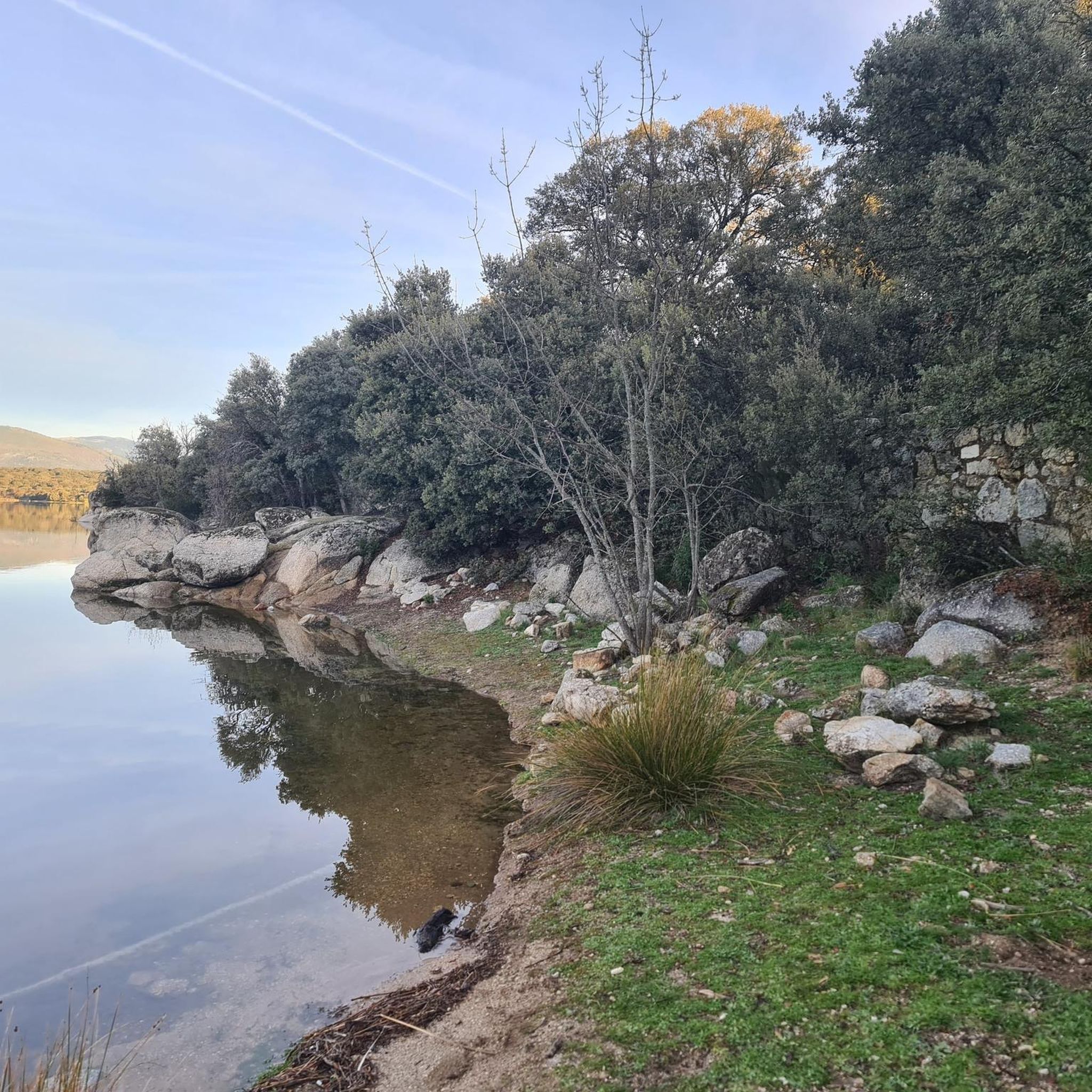
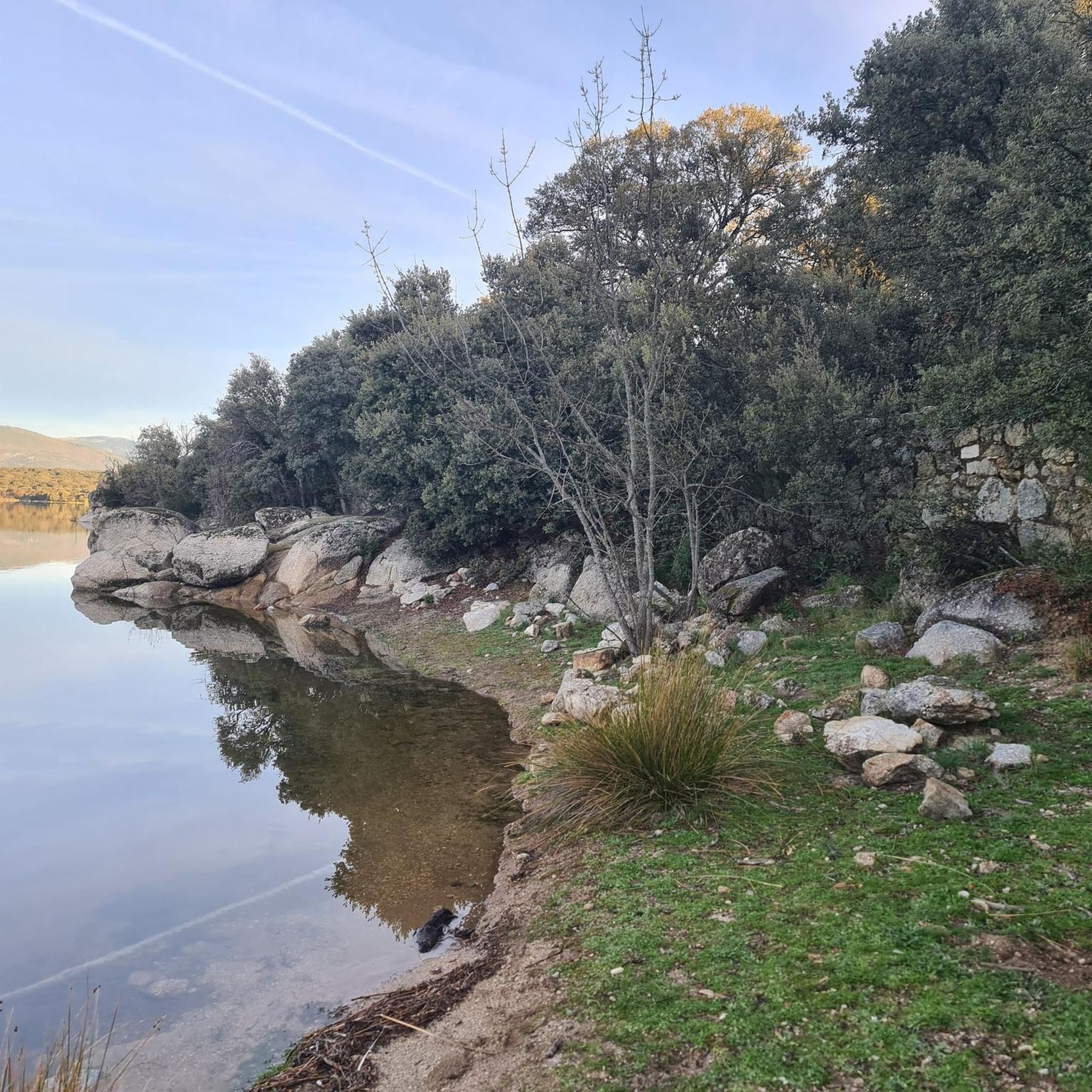
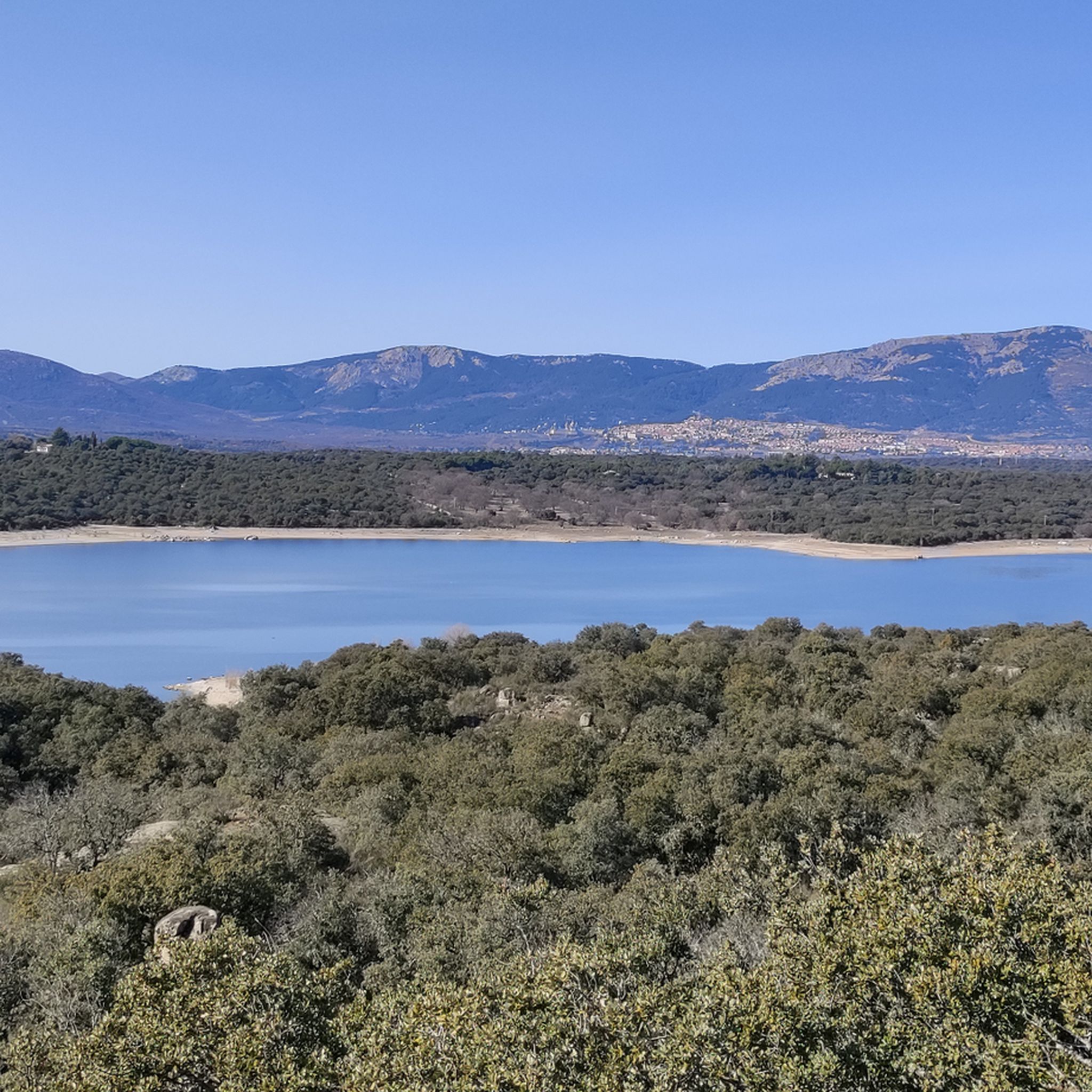

コミュニティからのヒント

The Monastery of El Escorial was built by King Philip II in the 16th century to commemorate a military victory and serve as a royal pantheon for the Habsburg dynasty. Designed by architects Juan Bautista de Toledo and Juan de Herrera, it is characterized by its sober, Renaissance style. Today it is a UNESCO World Heritage Site.
7
1

Good short walk of about 6 km leaving from the shopping center
1
0
Easy access from Las Marias, if you go up from the clean point it is a little harder, but it is possible in normal physical condition. Good views
0
0

Unfortunately it is inside a fenced private property.
2
0

In the area of this castle, also known as Villafranca, there was an old medieval town called El Horcajo, later changed to Villafranca. It is believed that the castle was most likely built at that time, in the mid-15th century. It is cataloged as an Asset of Cultural Interest, BIC.
2
0

The Lodones tower is one of the best preserved Arab watchtowers in the Community of Madrid. It was probably built between the 10th and 11th centuries during the Umayyad period. Although its current state is the product of conservation actions.
1
0

Characteristic tower of Torrelodones. Hiking area and many MTB trails.
0
1

The Royal Monastery of San Lorenzo de El Escorial is a complex that includes a royal palace, a basilica, a pantheon, a library, a school and a monastery. It is located in the Spanish town of San Lorenzo de El Escorial, in the Community of Madrid, and was built in the 16th century between 1563 and 1584. The palace was the residence of the Spanish royal family, the basilica is the burial place of the kings of Spain and the monastery – founded by monks of the Order of Saint Jerome – is currently occupied by friars of the Order of Saint Augustine. It is one of the most unique Renaissance architectures in Spain and Europe. Located in San Lorenzo de El Escorial, it occupies an area of 33,327 m², on the southern slope of Mount Abantos, at an altitude of 1,028 m, in the Guadarrama mountain range. It is managed by National Heritage. Also known as the Monastery of San Lorenzo El Real, or simply El Escorial, it was designed in the second half of the 16th century by King Philip II and his architect Juan Bautista de Toledo, although later Juan de Herrera, Juan de Minjares, Giovanni Battista Castello El Bergamasco and Francisco de Mora. The king conceived a large multifunctional, monastic and palatial complex that, shaped by Juan Bautista de Toledo according to the paradigm of the Universal Trace, gave rise to the Herrerian style. Since the end of the 16th century, it was considered the Eighth Wonder of the World, both for its size and functional complexity as well as for its enormous symbolic value. Its architecture marked the transition from Renaissance plateresque to unadorned classicism. An enormous work, of great monumentality, it is also a receptacle for other arts. Its paintings, sculptures, hymn books, scrolls, liturgical ornaments and other sumptuary, sacred and court objects make El Escorial also a museum. Its complex iconography and iconology has earned the most varied interpretations from historians, admirers and critics. El Escorial is the crystallization of the ideas and will of its promoter, King Philip II, a Renaissance prince. On November 2, 1984, UNESCO declared the Monastery and Site of El Escorial as a World Heritage Site. It is one of the main tourist attractions in the Community of Madrid. The monumental complex receives more than 500,000 visitors a year.
1
1
コルメナレホでのの人気観光スポット

komootモバイルアプリでインスピレーションを得よう


さらに探索
他の場所で最高の城を探していますか?他のガイドを発見しましょうコルメナレホでの:
