メンヒホーフェンの洞窟・トップ5
メンヒホーフェン周辺の最高の城では、自然景観で知られる地域での歴史探訪が楽しめます。メンヒホーフェン自体は城でそれほど有名ではありませんが、周辺地域にはいくつかの注目すべき史跡があります。訪問者は、ハイキングコースに組み込まれることが多い様々なランドマークや展望ポイントを探索できます。この地域の特色は、歴史的建造物と自然環境の融合によって定義されています。
メンヒホーフェン周辺の最高の城
- 最も人気のある城は、標高400メートルの丘にある リヒテンベルク城です。この要塞は戦略的に重要であり、16世紀のゴシック様式の礼拝堂とルネサンス様式の大理石の霊廟があります。
- もう一つの必見スポットは、城跡である リトル・マイゼンバッハ城です。わずかに壁が残るこの場所は、見事な岩層の中にあったローマ時代の神殿であり、後にキリスト教の教会であったと考えられています。
- 訪問者は、歴史的に重要な集落である ノイヴィル=レ=サヴェルヌ村中心部も気に入っています。この村には、13世紀初頭に建てられ、後に要塞に改築されたヘレンシュタイン城跡があります。
- メンヒホーフェンは、城跡、史跡、家族向けの観光スポットで知られています。この地域では、保存状態の良い建造物から古代の遺跡まで、さまざまな城を訪れて探索できます。
- メンヒホーフェン周辺の城は、komootコミュニティに高く評価されており、180件以上の「いいね!」と、訪問者によって共有された200枚以上の写真があります。
最終更新日: 8月 28, 2026
リヒテンベルク城
ハイライト • 城
翻訳者 Google •
役立つ情報 は

メイゼンバッハの小城
ハイライト • 城
翻訳者 Google •
役立つ情報 は

今すぐサインアップして、こんな場所を発見しよう
最高のシングルトラック、ピーク、その他のエキサイティングなアウトドアスポットのおすすめを受け取ろう。
無料新規登録
ノイヴィレール=レ=サヴェルヌ村の中心部
ハイライト • 集落
The former abbey church of St. Peter and Paul, founded around 720, belonged to one of the oldest monasteries on the Upper Rhine. In its early years, this was …
翻訳者 Google •
役立つ情報 は

無料アカウントで今日から始めよう
次の冒険が待っています。
ログインまたは登録


コミュニティからのヒント

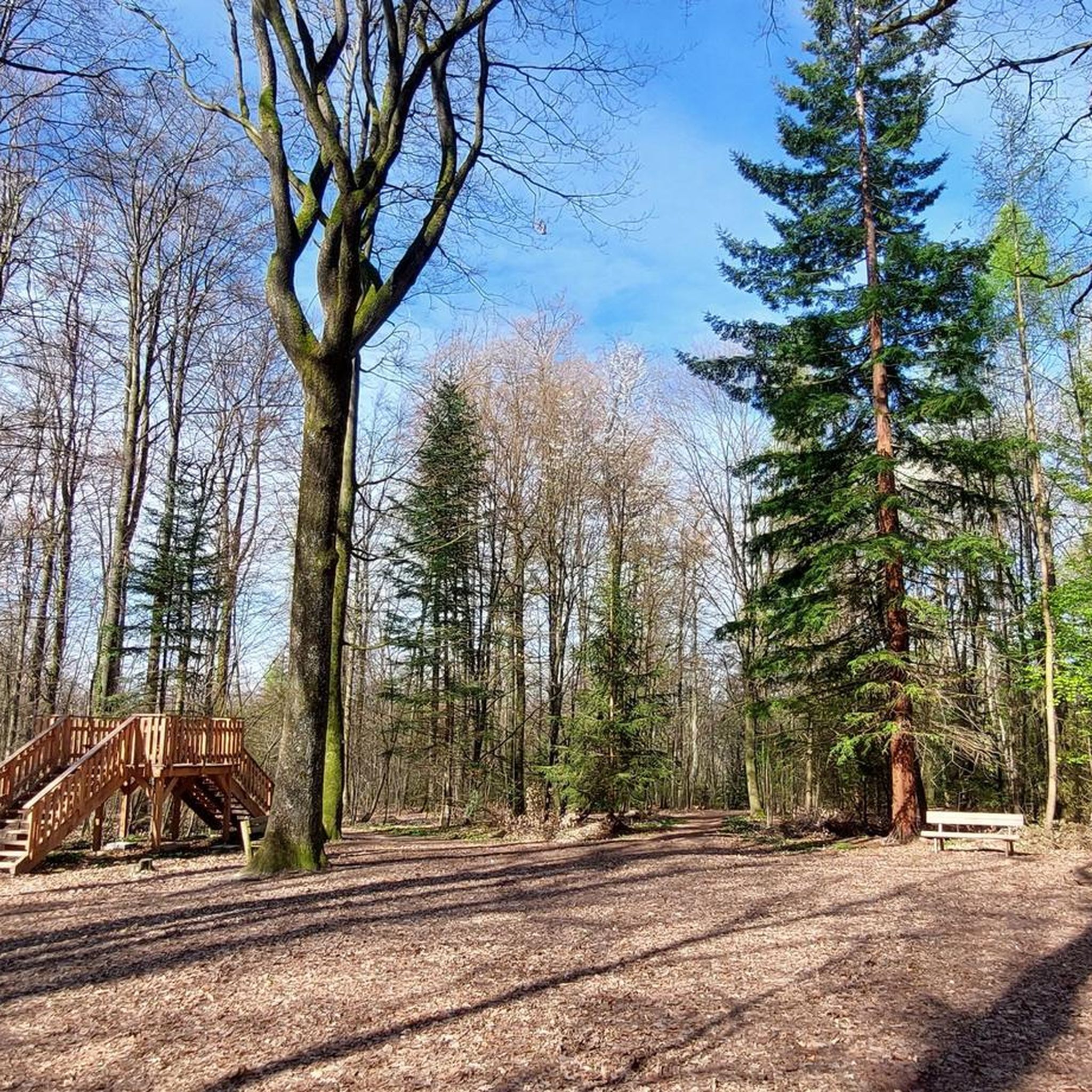
Although the few remaining ruins of this structure are called a castle, it appears that the site was first used as a Roman temple and then as a Christian church. Nearby are superb rock formations typical of the Northern Vosges Mountains.
1
0

Very beautiful places in the calm of the forest
0
0

Sights: The former abbey church of St. Peter and Paul, founded around 720, belonged to one of the oldest monasteries on the Upper Rhine. In its early years, this was led by Saint Pirminius, among others. The church is one of the most artistically valuable and stylistically diverse in Alsace. It has a Carolingian crypt (8th century), Romanesque chapels (11th century), a choir and a transept in the transitional style to Gothic (late 12th century), a purely Gothic nave (13th century) and a classicist façade with a tower (1768). The remains of the monastery building (chapter house, one wing of the cloister) are of Gothic style (13th century). The furnishings are very rich (medieval gravestones and the Adelphus carpets from around 1470 with depictions of the life and miraculous work of St. Adelphus of Metz in the chapels; baptismal font, pulpit, Adelphus shrine, organ, Holy Sepulchre in the nave). The portals and rose windows are also remarkably designed and decorated. Archaeological remains of other buildings of the monastery complex can be seen to the north of the church. The now Protestant church of St. Adelphus was built between 1200 and 1225 in the transitional style from Romanesque to Gothic. It impresses with its powerful west facade and its simple interior. The choir of the church, which until then contained the reliquary and the Adelphus carpets depicting the life of St. Adelphus of Metz, was demolished in the 19th century and replaced by a flat wall. The Herrenstein Castle (ruin) was built at the beginning of the 13th century by the Counts of Dagsburg. In the 16th century it was converted into a fortress by the Alsatian military architect Daniel Specklin. Former synagogue, built in 1875, and Jewish cemetery, established in 1877
2
0

The remains are not the ruins of a small castle, as the popular name might suggest, but rather the remains of a Roman or Gallo-Roman sanctuary from the 2nd century, with a second phase of use in the 4th century. It may have later been used as a Christian church. In Curt Mündel's guide to the Vosges Mountains (1911 edition), the ruins are referred to as "Meisenbacher Schlössel," and the rock below as "Ochsenstall" (Oxen Stable), probably because the rock overhang was formerly used as a shelter for cattle.
0
0

Not much left to see but easy to incorporate as a loop from the main path.
0
0

This place has a lovely view over the surrounding area, has picknick benches for a proper lunch or bikepackingdinner. We even rolled out our bivi's and spend the night. TIP the cemetery provided water and we found this very convenient on our trip!
0
0

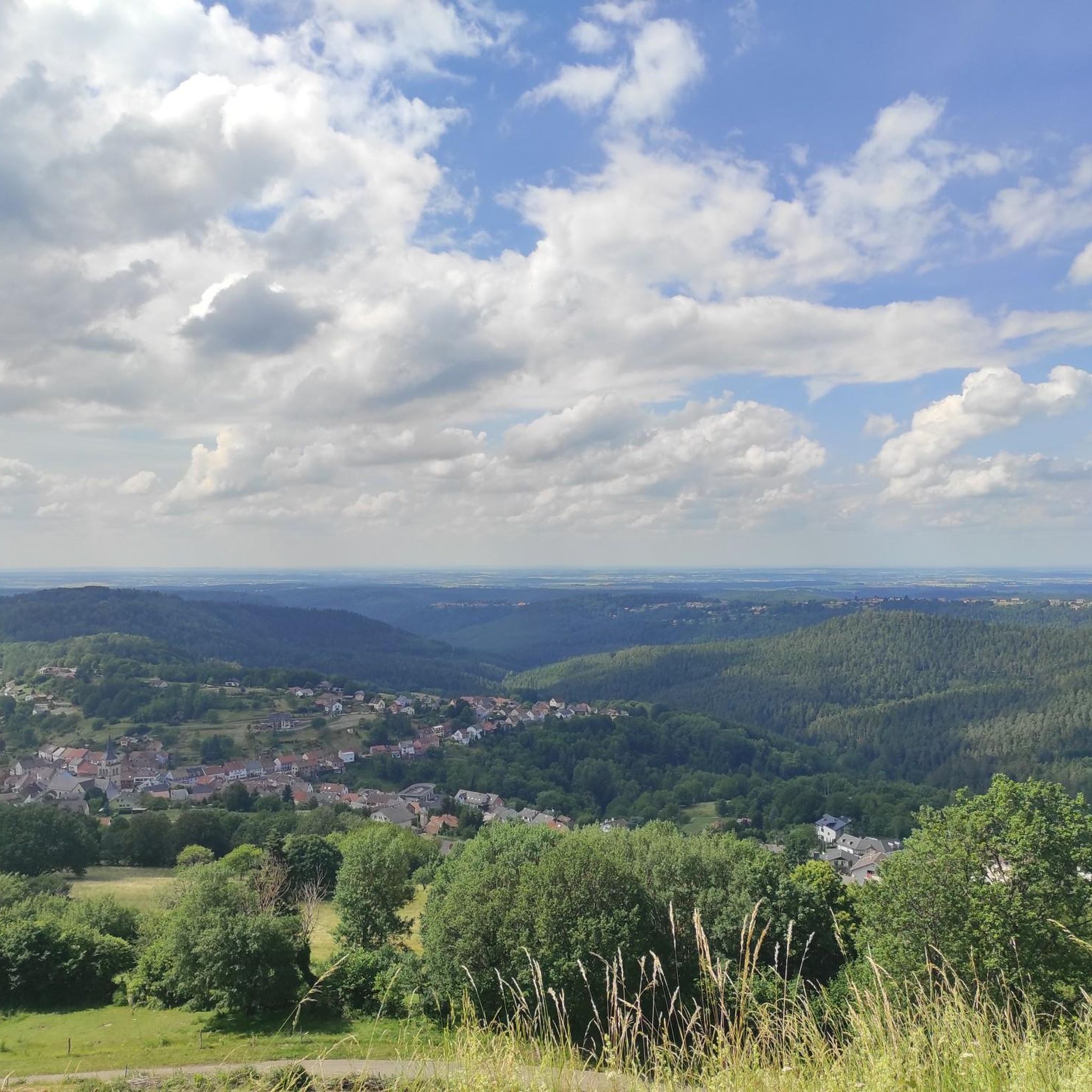
From Wikipedia https://de.wikipedia.org/wiki/Burg_Lichtenberg_(Alsace) The castle is surrounded by a wide, deep moat that allows access in only one place. Standing on the moat, the castle shows only high smooth walls without windows. Inside the castle complex there are terraces and meadows next to the buildings. Modern exhibition rooms are integrated in the former "western house" from the 15th and 16th centuries with its round windows, which are unusual for Alsace. The 16th-century 'arsenal of arms' has been converted into a large exhibition space and a cantilevered auditorium has been added which juts out from the old structure of the castle. From the artillery terrace of 1840 there is a wide view all around. Parts of the castle complex and all exhibition rooms are barrier-free accessible. A late Gothic castle chapel is well preserved. It was dedicated to the Trinity. A portrait of Saint Christopher was painted on the side facing the towers.[1] The chapel also served the town of Lichtenberg itself as a church, since it did not have its own.
1
0

beautiful and typically Alsatian place
0
1
よくある質問
メンヒョーフェン周辺に家族で楽しめるお城はありますか?
はい、この地域には家族連れに適したお城がいくつかあります。リヒテンベルク城は、広大で手入れの行き届いた複合施設で、展示や素晴らしい眺めを楽しめるため、おすすめです。ヘレンシュタイン城跡を含むノイヴィレール=レ=サヴェルヌの村中心部も家族向けとされており、豊かな歴史体験を提供しています。
お城以外にはどのような史跡を探索できますか?
お城の他にも、この地域は深い歴史への探求を提供しています。ノイヴィレール=レ=サヴェルヌの村中心部には、カロリング朝、ロマネスク様式、ゴシック様式の要素を持つかつての修道院教会である聖ペテロ・パウロ教会や、聖アデルフス教会があります。また、かつてのシナゴーグやユダヤ人墓地も見られます。リトル・マイゼンバッハ城は、ほとんどが遺跡ですが、かつてはローマ神殿、後にキリスト教会であったと考えられています。
お城の近くにはどのような自然景観がありますか?
お城はしばしば美しい自然景観の中にあります。リトル・マイゼンバッハ城は、特に北ヴォージュ山脈特有の素晴らしい岩層で知られています。リヒテンベルク城は、標高400メートルの丘の上に位置しており、ヴォージュ山脈の広大な景色を楽しめます。
お城の近くにハイキングやサイクリングルートはありますか?
はい、メンヒョーフェン周辺地域はアウトドアアクティビティに最適です。数多くのロードサイクリングルート、グラベルバイク用トレイル、MTBトレイルがあります。例えば、リヒテンベルク城の近くには、「リヒテンベルクからのリヒテンベルクの眺め – エーゼルシュプラッツ避難小屋ループ」のような中程度から難易度の高いグラベルバイクルートがあります。詳細は、メンヒョーフェン周辺のロードサイクリングルート、メンヒョーフェン周辺のグラベルバイク、およびメンヒョーフェン周辺のMTBトレイルのガイドページをご覧ください。
この地域の城で訪問者が最も楽しんでいることは何ですか?
訪問者は、歴史の深さと景色の美しさを頻繁に高く評価しています。リヒテンベルク城のような城の保存状態の良い修復された部分や、その高台からのパノラマビューを多くの人が楽しんでいます。リトル・マイゼンバッハ城の近くの岩層のようなユニークな自然環境も人気の魅力です。
城の近くに宿泊施設はありますか?
はい、宿泊をご希望の方には、リヒテンベルクユースホステルが、城跡に近いリヒテンベルクの絵のように美しいコミュニティにある手頃な価格の選択肢です。これにより、訪問者は北ヴォージュの静けさを楽しむことができます。
リヒテンベルク城の入場料はいくらですか?
リヒテンベルク城の入場料は、大人€6、子供と学生€3.5、家族料金(大人2名+子供2名)は€17です。これらの料金は変更される可能性があるため、最新の情報については必ず公式ウェブサイトをご確認ください。
城の近くに展望台はありますか?
もちろんです。リヒテンベルク城は、標高400メートルの丘の上にあり、巨大な階段からはストラスブール大聖堂の尖塔を遠くに望むなど、壮観な眺めを提供しています。周囲のヴォージュ山脈にも数多くの景色の良い場所があります。
城の近くに駐車場はありますか?
リヒテンベルク城の場合、城下の村に駐車場があり、城まで約500メートルです。そこから城複合施設まで短い散歩ができます。
メンヒョーフェン周辺の城を訪れるのに最適な時期はいつですか?
この地域の城は一年中楽しめます。春と秋は、遺跡や周囲の自然を探索するのに快適な気候です。夏は、城訪問とアウトドアアクティビティを組み合わせるのに理想的です。冬でも城周辺の散策は魅力的ですが、一部の施設は営業時間が短縮される場合があります。
城のガイドツアーはありますか?
ガイドデータにはすべての城の定期的なガイドツアーが明示的に記載されていませんが、リヒテンベルク城では展示会、集会、デモンストレーションが開催されており、ガイド付き体験や情報提供ディスプレイの機会がある可能性を示唆しています。特定のツアーの空き状況については、城の公式ウェブサイトを確認することをお勧めします。
メンヒホーフェンでのの人気観光スポット

komootモバイルアプリでインスピレーションを得よう


さらに探索
他の場所で最高の城を探していますか?他のガイドを発見しましょうメンヒホーフェンでの:
