カネクタンクールでののおすすめグラベルライド
9
ライダー
5
ライド
Cannectancourt周辺のグラベルサイクリングは、広大な森林地帯と、標高46メートルから182メートルに及ぶ変化に富んだ地形が特徴です。この地域には緩やかな登り坂と下り坂があり、Ru d'OrvalやRu des Aulnesといった小川が地域を流れています。静かで小さな田舎道がこれらの自然の特徴を結びつけ、グラベルサイクリングに多様な地形を提供しています。この地域の農業平野と自然空間の組み合わせは、探検に変化に富んだ地形をもたらします。
Cannectancourt周辺の最高のグラベルバイクコース
- 最も人気のあるグラベルバイクコースは、Noyon to Compiègne – Tour de l'Oise Gravelで、距離は67.3km(41.8マイル)、所要時間は5時間21分です。このルートは、Oise県を横断する変化に富んだ地形が特徴です。
- 地元のグラベルバイカーに人気のもう一つのコースは、Aisne川にかかる歩道橋 – RibécourtからのVieux-Moulinsループで、距離は53.0km(32.9マイル)の中程度の難易度です。このルートは、川沿いのセクションと森林の小道を探検します。
- 地元のグラベルバイカーに愛されているのは、Le lavoir – LassignyからのThe Wash Houseループで、距離は37.7km(23.5マイル)です。このコースは田園風景と小さな村を通り抜け、所要時間は約2時間26分です。
- Cannectancourt周辺のグラベルサイクリングは、鬱蒼とした森林道、変化に富んだ地形、そして静かな田舎道によって定義されます。このネットワークは、中程度から困難なレベルまで、さまざまなスキルレベルのオプションを提供します。
- このガイドには、この地域の景色の最高峰を紹介する高評価のルートが含まれています。10人以上のグラベルバイカーがkomootを使用してCannectancourtの多様な地形を探索しました。
最終更新日: 10月 7, 2026
1
ライダー
66.6km
04:18
400m
410m
難しいグラベルライド. ある程度のフィットネスレベルが必要です。 ツアーの一部で自転車を押して歩く必要があるかもしれません。
3
ライダー
53.2km
03:17
350m
350m
中程度のグラベルライド. ある程度のフィットネスレベルが必要です。 全般的に舗装された状態です。あらゆるスキルレベルに適しています。

2
ライダー
37.8km
02:26
400m
400m
中程度のグラベルライド. ある程度のフィットネスレベルが必要です。 全般的に舗装された状態です。あらゆるスキルレベルに適しています。
2
ライダー
40.4km
02:34
220m
220m
中程度のグラベルライド. ある程度のフィットネスレベルが必要です。 全般的に舗装された状態です。あらゆるスキルレベルに適しています。
1
ライダー
42.9km
02:55
250m
250m
中程度のグラベルライド. ある程度のフィットネスレベルが必要です。 全般的に舗装された状態です。あらゆるスキルレベルに適しています。
おすすめのツアーは他のkomootユーザーが実際に経験した何千ものアクティビティに基づいています。
無料アカウントで今日から始めよう
次の冒険が待っています。
コミュニティからのヒント

川とプライベートドックの美しいパノラマ。グラベルバイクでの道やトレイルの良い出発点。
0
0


In the heart of the Compiègne forest, the Armistice Glade marks the place where the armistice was signed on November 11, 1918, and then that of June 22, 1940. The site today includes the memorial with the “Armistice Wagon” (recreated car), the statue of Marshal Foch and the Alsace-Lorraine monument.
0
0
Located along the canal in Longueil-Annel, the Cité des Bateliers (Watermen's City) showcases the history of boatmen and local river life. The museum, housed in a former boatman's house and barges, showcases the daily lives of families who lived by the rhythm of navigation.
0
0

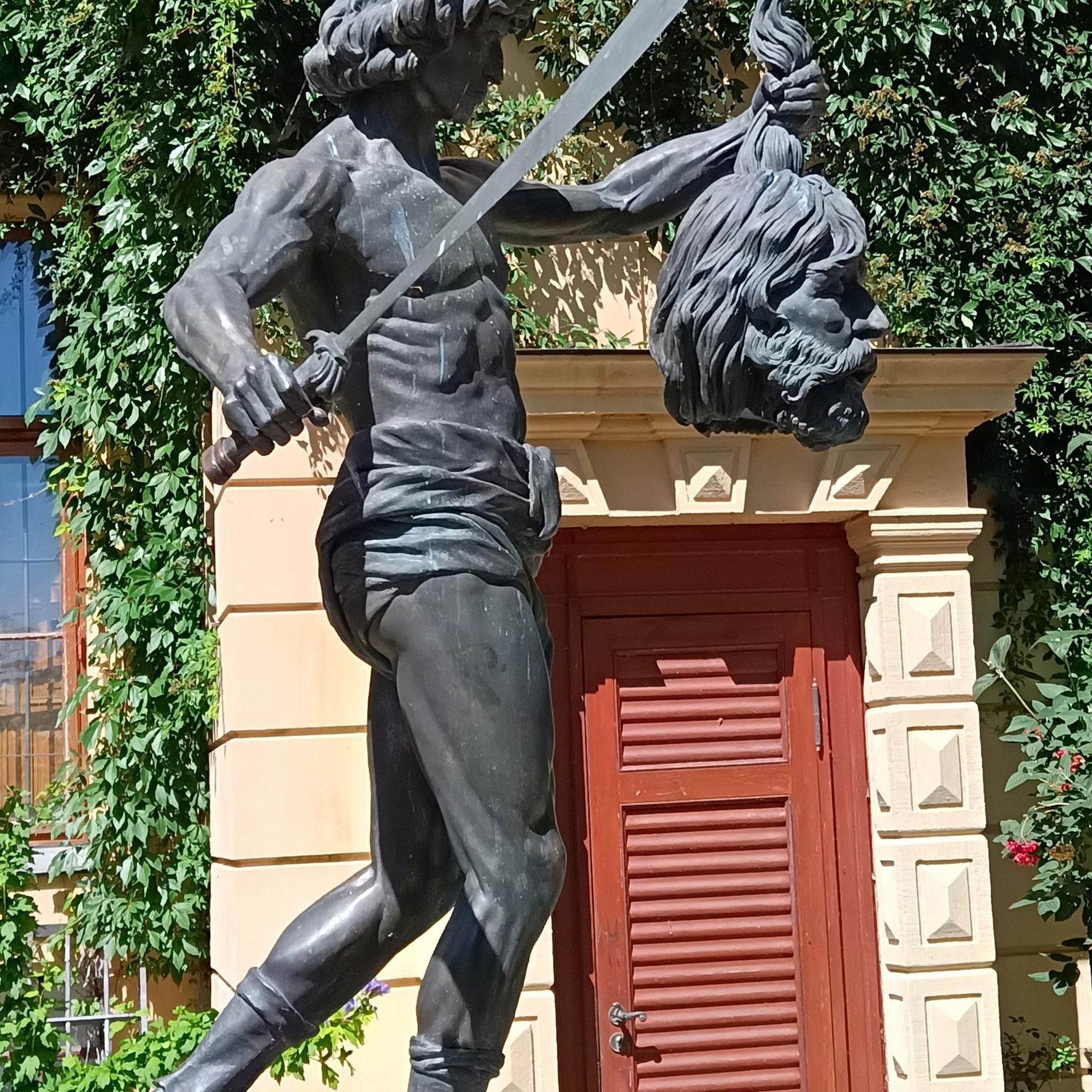
The square itself houses a statue of Joan of Arc, a tribute to the city's historical connection to this iconic figure. The Town Hall, with its rich history and stunning architecture, continues to captivate visitors, offering a glimpse into the past while remaining a vibrant part of Compiègne's present.
2
0
The architecture of the town hall is a true feast for the eyes. The central structure is dominated by a tall bell tower, flanked by two turrets connected by a decorative railing. This imposing façade, 47 meters high and 24 meters wide, is decorated with striking Gothic elements such as pinnacles and basket arches. The large niche now houses a high relief depicting the equestrian statue of Louis XII. It is an original creation from 1869 by the sculptor Henri-Alfred Jacquemart in the realistic style so prevalent at the time. However, contrary to the usual appearance of equestrian statues during the reign of Louis XII, Henri-Alfred Jacquemart chose not to build a horse walking "à l'amble," that is, with both straight legs raised simultaneously. On October 12, 1530, a clock was placed on the summit of the bell tower. From that time on, every quarter of an hour, she animated three wooden jaquemarts with bell hammers. The Compiègneis quickly gave them three nicknames corresponding to the enemies of the time: Langlois for the English, Flandrin for the Flemish, and Lansquenet for the Germans. Even today, they chant the life of the city by "punching the time," that is, by striking their hammer to strike the hours.
2
0
カネクタンクールでのの人気観光スポット

komootモバイルアプリでインスピレーションを得よう


さらに探索
他の地域の最高のグラベルライドを見てみましょう。
