アホイでののおすすめグラベルライド
4.4
(112)
610
ライダー
74
ライド
komootがまとめたアホイでののおすすめグラベルライドを参考にして、グラベルライドの魅力を最大限に楽しみましょう。難易度の高い登り坂や絶景のトレイルなど、あらゆるルートの中から厳選したアホイでののグラベルライドをご覧ください。
最終更新日: 6月 5, 2026
4.2
(12)
59
ライダー
48.3km
03:50
410m
410m
中程度のグラベルライド. ある程度のフィットネスレベルが必要です。 ツアーの一部に、未舗装のため走行が難しい箇所があるかもしれません。
4.6
(16)
65
ライダー
45.6km
02:59
130m
130m
中程度のグラベルライド. ある程度のフィットネスレベルが必要です。 全般的に舗装された状態です。あらゆるスキルレベルに適しています。

無料新規登録
4.6
(11)
58
ライダー
46.9km
02:57
400m
400m
中程度のグラベルライド. ある程度のフィットネスレベルが必要です。 全般的に舗装された状態です。あらゆるスキルレベルに適しています。
4.5
(2)
27
ライダー
89.2km
05:24
650m
650m
難しいグラベルライド. 標準以上のフィットネスレベルが必要です。 ツアーの一部で自転車を押して歩く必要があるかもしれません。
5.0
(4)
31
ライダー
41.1km
02:47
470m
470m
難しいグラベルライド. 標準以上のフィットネスレベルが必要です。 全般的に舗装された状態です。あらゆるスキルレベルに適しています。
さらに多くのルートや他のユーザーのおすすめ情報を確認できます。
無料新規登録
すでにアカウントをお持ちですか?
おすすめのツアーは他のkomootユーザーが実際に経験した何千ものアクティビティに基づいています。
無料アカウントで今日から始めよう
次の冒険が待っています。
ログインまたは登録
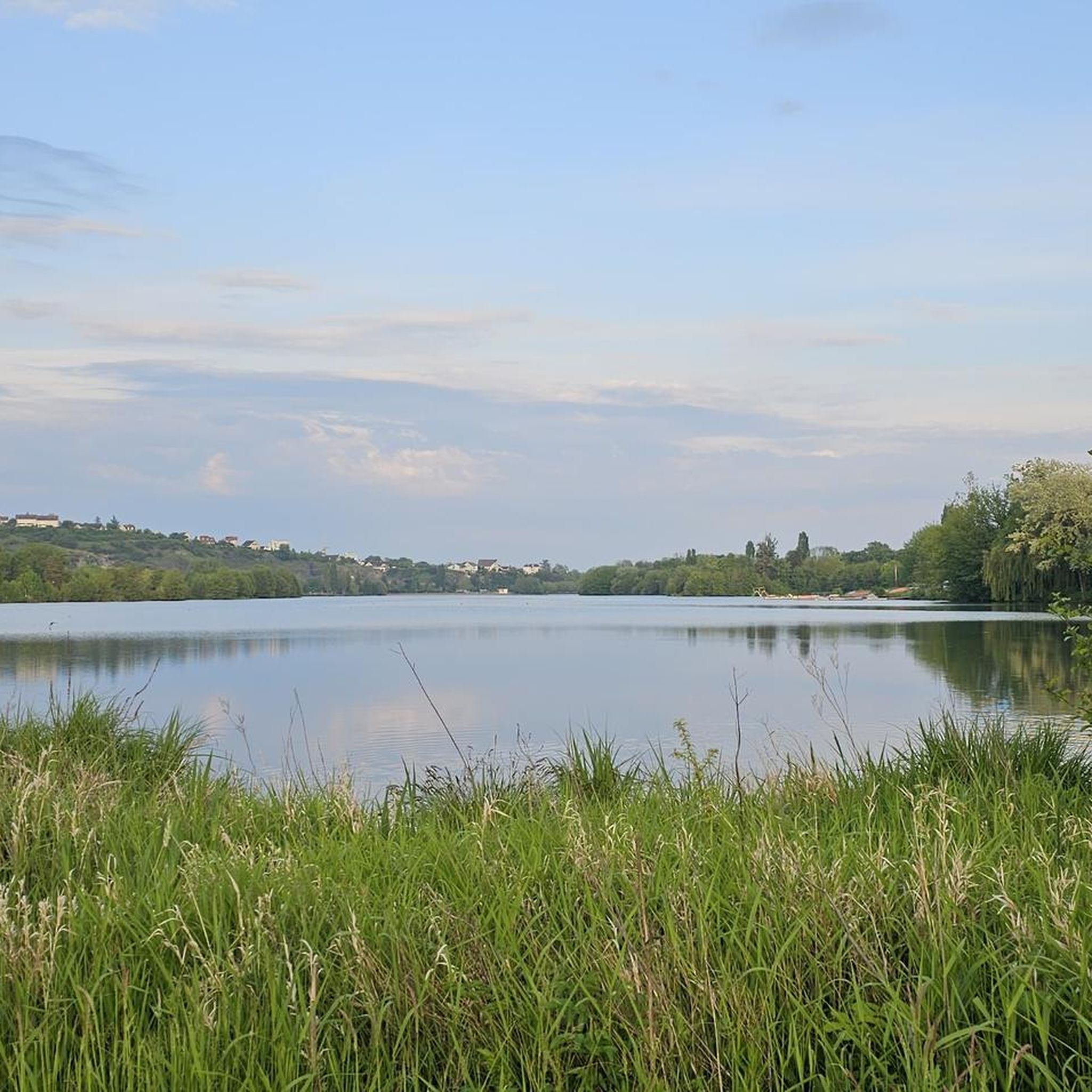
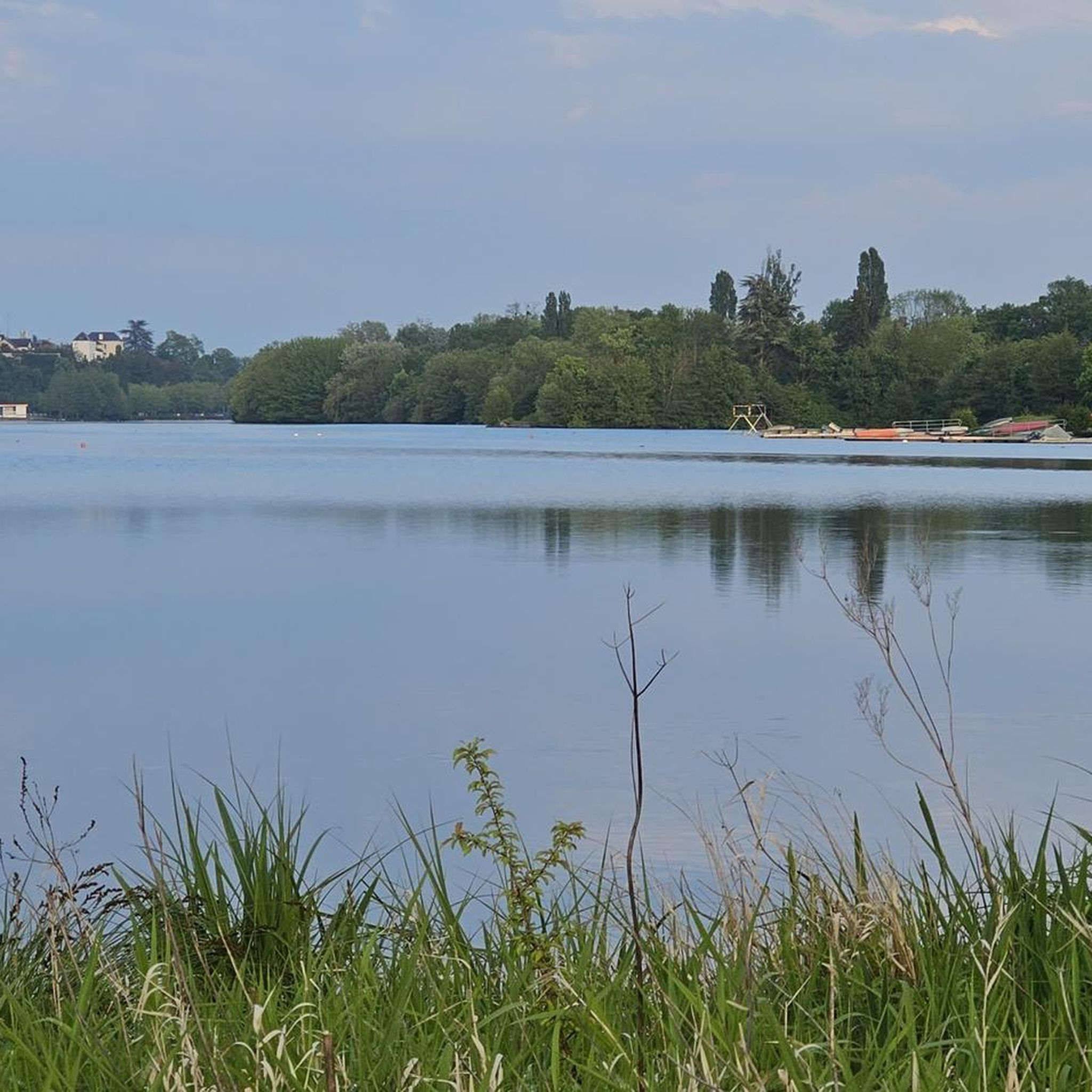
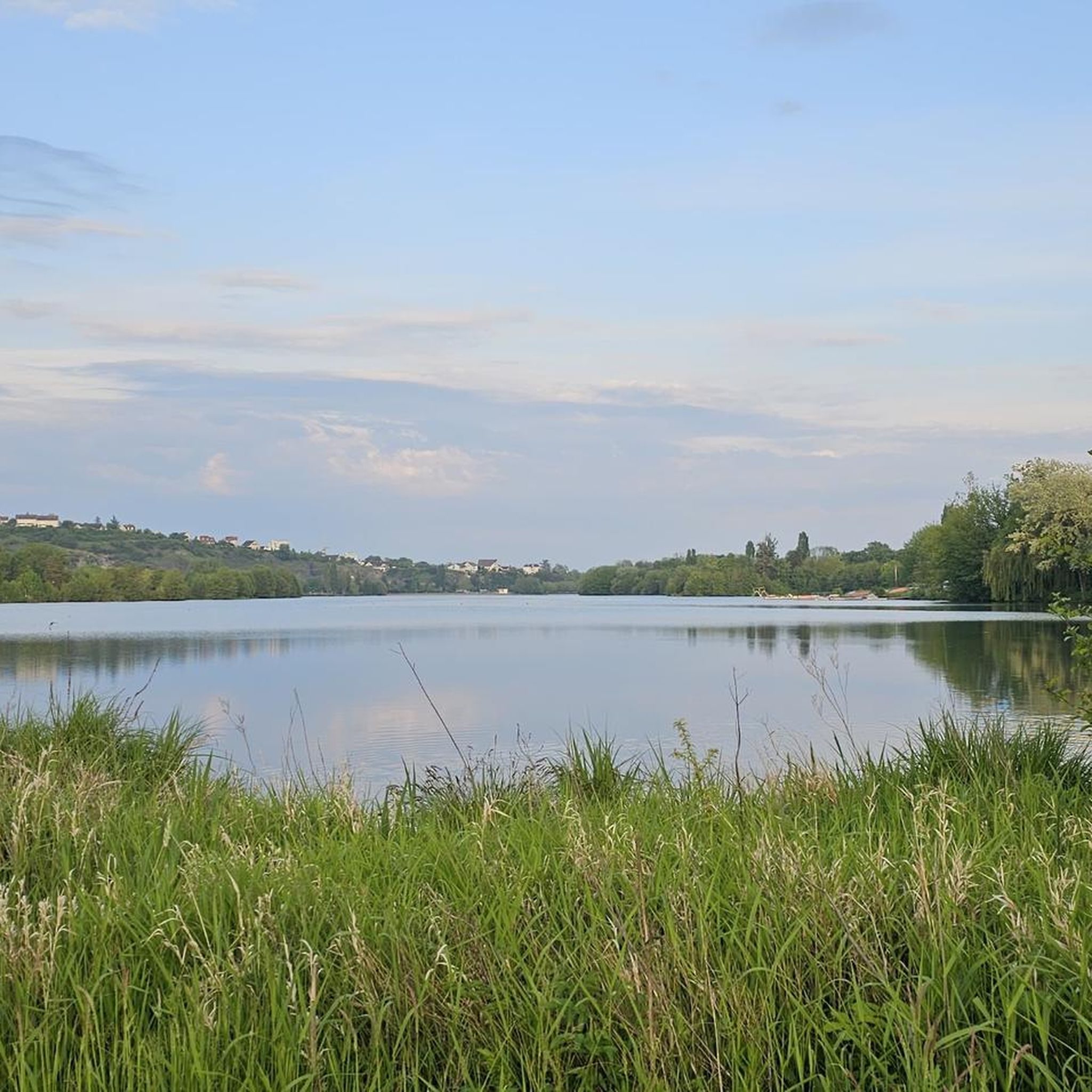

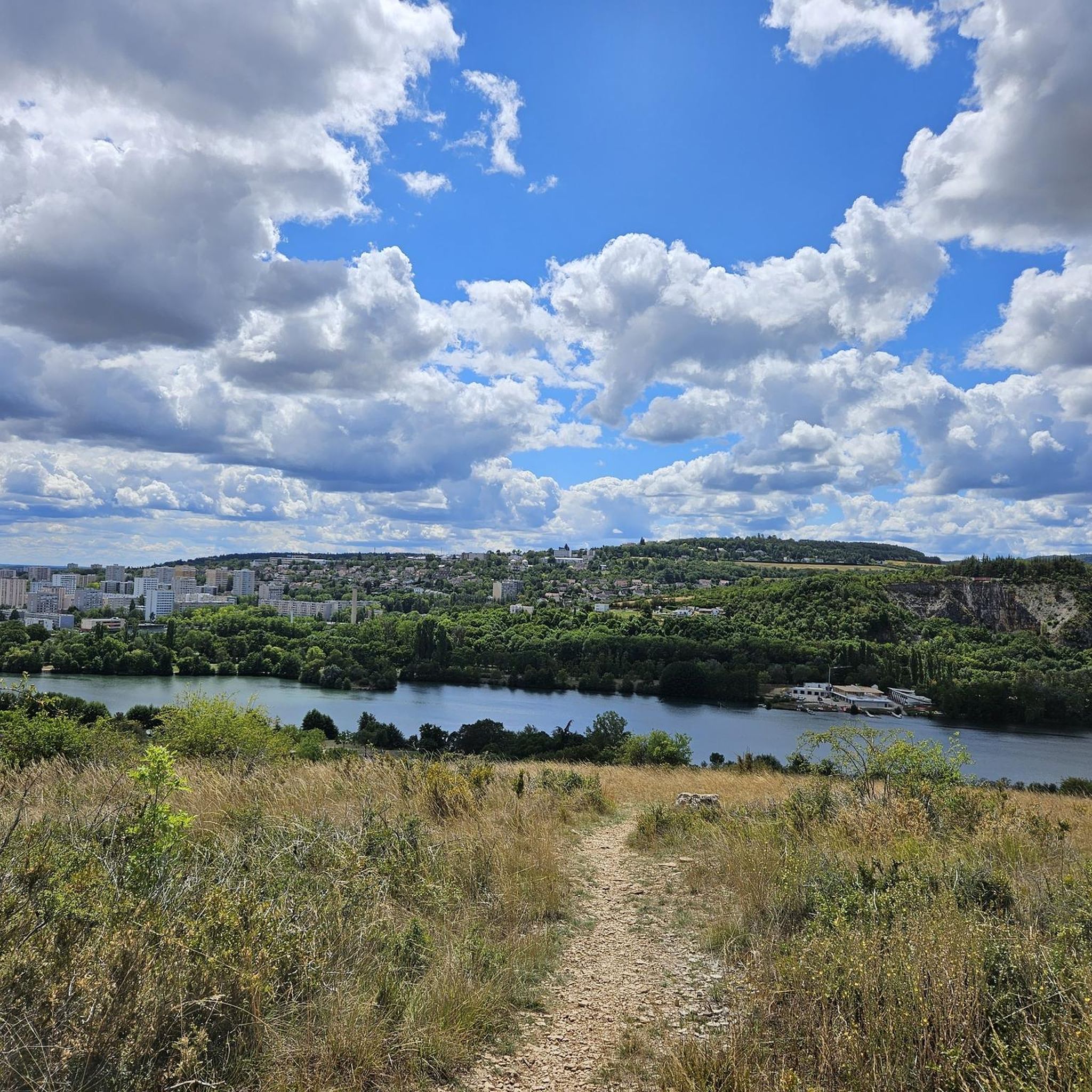
コミュニティからのヒント

An old church that is now used as a theatre.
2
0
The Cité internationale de la gastronomie et du vin (CIGV) (International Centre for Gastronomy and Wine) is a training and presentation center dedicated to culinary arts and wine. Located on the grounds of a former hospital, which dates back to a medieval hospice and was listed as a Monument historique in 2007, it is situated near Dijon's main train station.
1
0


The Dijon Owl (La Chouette de Dijon) is a small medieval sculpture on the north buttress of the Église Notre-Dame in Dijon, and has been considered a lucky charm for centuries. According to tradition, you should touch the owl with your left hand while making a wish, without looking, to bring good luck. Its exact origin is unknown, but it is suspected that the owl symbolized wisdom or served as the signature of a medieval stonemason's guild. Due to frequent touching, the owl has been restored several times, including after vandalism in 2001. The owl also marks the starting point of the "Parcours de la Chouette," a walking route that takes in 22 Dijon landmarks, recognizable by small bronze owls set into the pavement. The owl has become an iconic and beloved symbol of the city.
1
0
The Palais des Ducs et des États de Bourgogne is one of Dijon's most striking buildings and reflects the rich history of the Burgundian Dukes. The complex originated in the Middle Ages and was expanded in later centuries with elements of classical style, including the stately façade with columns and wrought-iron balconies. Strategically located on the Place de la Libération, the palace forms the historical and administrative heart of the city. Inside, you'll find the Musée des Beaux-Arts, with one of the oldest and most important art collections in France. The combination of architecture, culture, and historical significance makes this palace an essential visit when exploring Dijon.
1
0

last part of the route, beautiful, but a bit boring
1
0

A great place to relax and have a snack - especially when there is water either in the pond itself or flowing from the rock in the narrow cave above the pond.
1
0
In place of an old gate in the 12th-century city wall, the architect Jean-Philippe Maret had this monument built between 1786 and 1788 in homage to the Prince of Condé, governor of Burgundy. The building was then named Porte Condé. The monument was connected by walls to the ramparts that still existed, and its gate was closed by a gate, traces of which can still be seen. During the Revolution in 1791, the gate was named the Arc de la Liberté; in the 19th century, it became Porte Guillaume, in reference to Guillaume de Volpiano, abbot of the Abbey of Saint-Bénigne.
1
0
アホイでのの人気観光スポット

komootモバイルアプリでインスピレーションを得よう


さらに探索
他の地域の最高のグラベルライドを見てみましょう。
