4.6
(51)
313
ライダー
42
ライド
komootがまとめたポーレでののおすすめグラベルライドを参考にして、グラベルライドの魅力を最大限に楽しみましょう。難易度の高い登り坂や絶景のトレイルなど、あらゆるルートの中から厳選したポーレでののグラベルライドをご覧ください。
最終更新日: 5月 22, 2026
5.0
(2)
28
ライダー
52.0km
03:55
850m
850m
難しいグラベルライド. 標準以上のフィットネスレベルが必要です。 ツアーの一部で自転車を押して歩く必要があるかもしれません。
5.0
(1)
15
ライダー
51.4km
03:34
1,100m
1,100m
難しいグラベルライド. 標準以上のフィットネスレベルが必要です。 全般的に舗装された状態です。あらゆるスキルレベルに適しています。

無料新規登録
5.0
(2)
21
ライダー
58.1km
03:45
970m
970m
難しいグラベルライド. 標準以上のフィットネスレベルが必要です。 全般的に舗装された状態です。あらゆるスキルレベルに適しています。
3
ライダー
43.8km
03:08
910m
910m
難しいグラベルライド. 標準以上のフィットネスレベルが必要です。 ツアーの一部で自転車を押して歩く必要があるかもしれません。
4.0
(4)
8
ライダー
35.9km
02:33
670m
670m
難しいグラベルライド. 標準以上のフィットネスレベルが必要です。 全般的に舗装された状態です。あらゆるスキルレベルに適しています。
さらに多くのルートや他のユーザーのおすすめ情報を確認できます。
無料新規登録
すでにアカウントをお持ちですか?
おすすめのツアーは他のkomootユーザーが実際に経験した何千ものアクティビティに基づいています。
無料アカウントで今日から始めよう
次の冒険が待っています。
ログインまたは登録
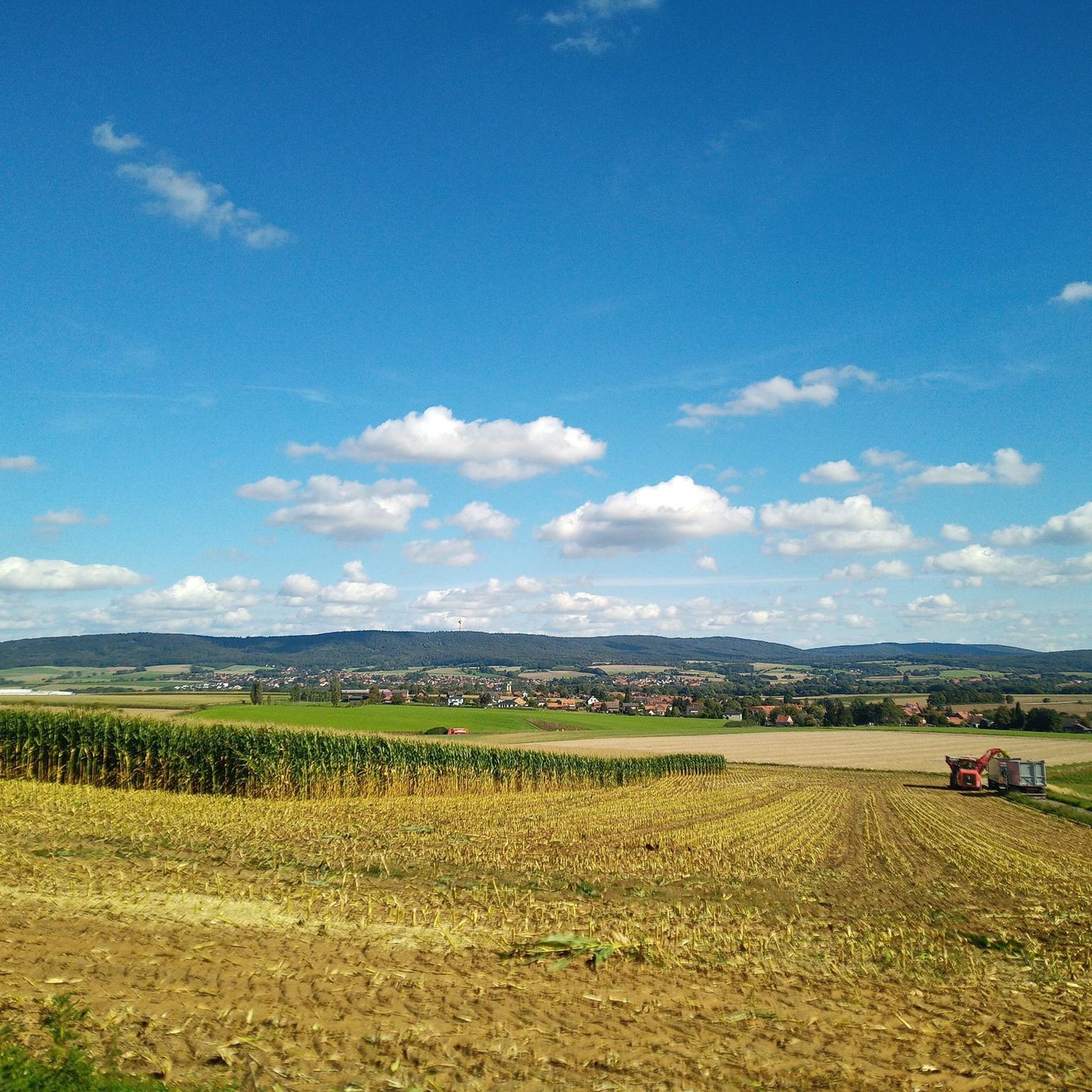
食事もできます🥘、デイスターでのハイキング🥾やサイクリング🚴♂️の後にコーヒーとケーキ🍰で休憩することもできます。
0
0
The Süntel Tower is temporarily closed. It may reopen on April 1st, 2026.
1
0
The Hohenstein in the Süntel hills is a striking rock formation and one of the most popular viewpoints in the Weser Uplands. From the approximately 340-meter-high cliff, there is a sweeping view across the Weser Valley and the surrounding hills. The Hohenstein's rocks are made of sandstone and drop steeply southward into the valley. From the natural viewpoints, especially the so-called "pulpit," the course of the Weser River, which meanders through the landscape in wide bends, is clearly visible. The area is part of the Süntel Nature Reserve and provides habitat for numerous animal and plant species.
1
0
Next to the construction sites for the State Garden Show is the idyllic NABU Oasis, worth a visit.
0
0
The Teufelskanzel (Devil's Pulpit) is a striking vantage point in the Weser Mountains near Hessisch Oldendorf, about 16 kilometers northwest of Rinteln. It is located on the Hohenstein, a wooded plateau at an altitude of approximately 340 meters, and offers impressive views over the Weser Valley and the surrounding Weser Uplands. The Teufelskanzel rock formation is part of the Hohenstein cliffs, which are up to 40 meters high and also include the "Green Altar" and the "Hirschsprung" (Deer Leap). These cliffs drop steeply to the Weser River and are accessible via well-marked hiking trails. The ascent involves some steep steps and requires surefootedness. Once at the top, the view rewards the effort with a magnificent panorama. The region around the Teufelskanzel is rich in myths and legends. It is said that the devil once preached here, which gave the rock formation its name. Other points of interest are nearby, such as the "Green Altar," which is considered a historically significant site and may have once served as a sacrificial site. For hikers, there's a circular route that leads from Zersen through the Blutbach Valley up to Hohenstein. The route is approximately eight kilometers long and leads through diverse landscapes with deciduous forests and open rocks. There are several rest stops along the way, including the Baxmannbaude hut, which is a great place to stop for a break.
0
0
Originally, where the Mooshütte is today, there was a shelter made of sticks and moss, next to a small pond that was fed by the Hessian spring. As early as 1895, the innkeeper of the Königseiche in Bantorf, Fritz Hecht, had been running the restaurant at the spring with a horse and cart, and only when the weather was good. In 1924, Fritz Hecht had the building of today's Mooshütte built, but it only contained a bar and a kitchen and was only later converted to residential use. In 1940, an ice and storage cellar was built into the mountain behind the Mooshütte, which always had the same temperature in summer and winter. In 1951, the steel construction company Preussag began emergency mining facilities around the Mooshütte. In 1954, the hall was added to the left of the building. Five years later, the Mooshütte was taken over by the daughter of the innkeeper Friedolf Hecht and her family, the Watermann family, who continued to expand the Mooshütte. After mining ceased in 1960, the Watermann family had the washhouse converted into a guest house. In October 1998, the Mooshütte was purchased by the Flügge family from Schmarrie, who had been interested in the building for some time and were in negotiations with the previous owner. They immediately set about renovating the property. On May 1, 1999, the Mooshütte opened its doors as a restaurant for day trippers and hikers. Since then, the Mooshütte has once again enjoyed its traditionally lively popularity. In the 2000s, further extensive renovations took place. There were new extensions and further redesigns. Source: https://mooshuette.de/#hi
3
0
This shortcut on the way to Hohenstein and the Kammweg is particularly recommended.
0
1


他の地域の最高のグラベルライドを見てみましょう。