フィレンバッハの洞窟・トップ5
ハイキングの途中で偶然見つけた場合でも、ガイドブックに沿ってたどり着いた場合でも、いつも特別な体験をもたらしてくれる城。フィレンバッハには訪れるべき 5
の美しい城があります。一覧から行きたい城を見つけて、次の冒険では歴史にも触れてみましょう。
最終更新日: 9月 7, 2026
ヘヒシュテット城
ハイライト • 城
翻訳者 Google •
役立つ情報 は

ヘヒシュテット城の橋
ハイライト • 橋
翻訳者 Google •
役立つ情報 は

今すぐサインアップして、こんな場所を発見しよう
最高のシングルトラック、ピーク、その他のエキサイティングなアウトドアスポットのおすすめを受け取ろう。
雪の城壁
ハイライト (セグメント) • 歴史的な場所
翻訳者 Google •
役立つ情報 は

Schloss Laugna
ハイライト • 城
On the archway of the foundation's forest office in Laugna …
翻訳者 Google •
役立つ情報 は


無料アカウントで今日から始めよう
次の冒険が待っています。
コミュニティからのヒント

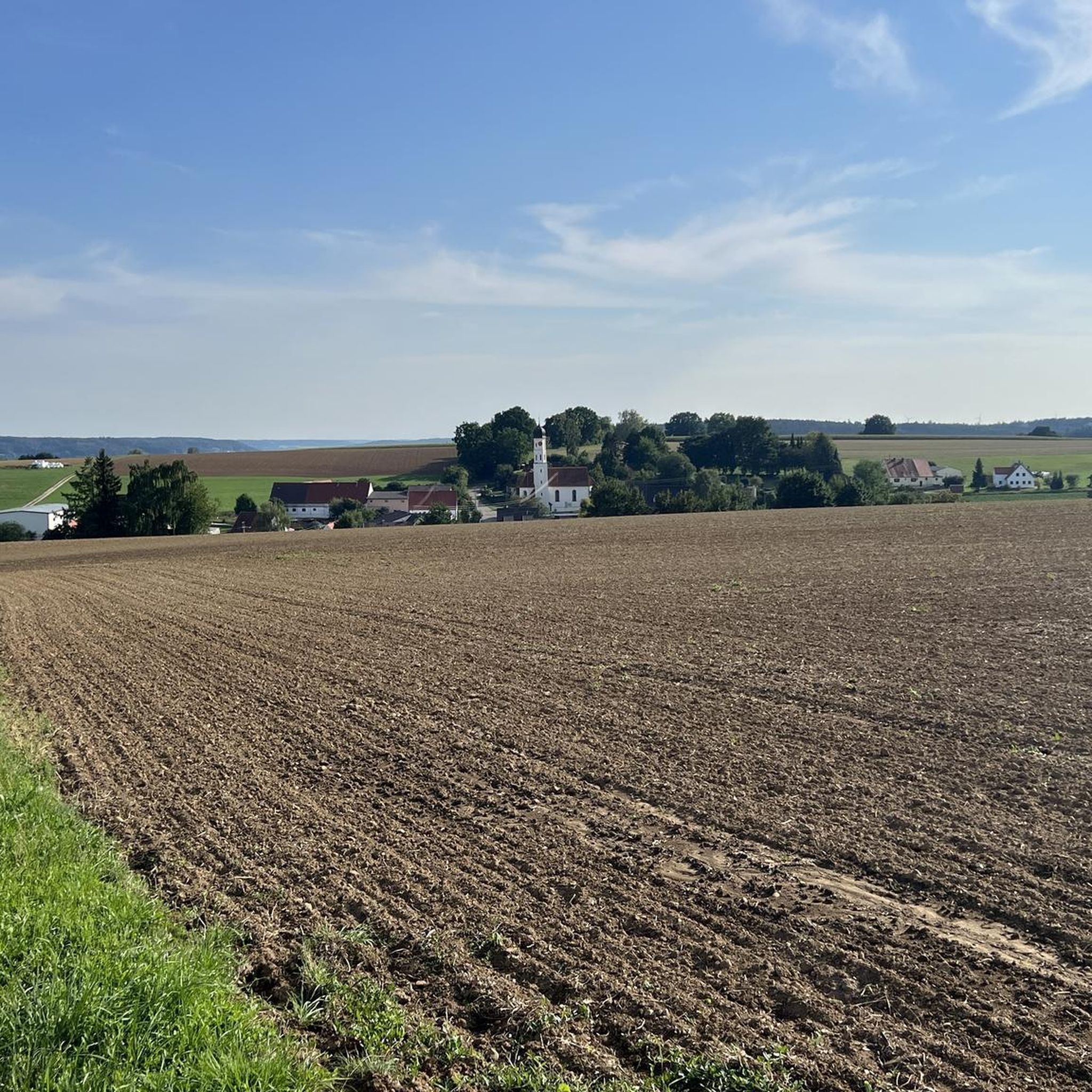
保存状態の良い環状土塁は、アウクスブルク侯領における最大かつ最も重要な地上史跡の一つです。 地質学的な構造は、覆い砂利に覆われた泥灰質の砂で構成されています。この砂利の一部は固結しており、ここではナゲルフルーとして現れています。 周囲約600メートルの不規則な円形の要塞は、おそらくハンガリー人の侵攻時代に避難城として利用され、おそらく青銅器時代にまで遡ります。
0
0

ウェルデン(アウクスブルク郡、バイエルン州)のシュネーブルクは、9世紀から10世紀にかけてマジャル人の侵攻から身を守るための避難城として機能した初期中世の環状土塁です。 この遺跡は、ウェルデンから南へ約1.5km、ラウゲンタールを見下ろす尾根の上に位置しています。 ここは、住民の避難場所および軍隊の集合場所として機能した重要な要塞でした。 要塞は木と土の構造物と堀で構成されており、東側はマジャル騎馬戦士に対抗するための典型的な段差構造を示していました。 今日では、土塁と堀が地上遺跡として保存されており、ルートヴィヒ・ガングホーファー周回ハイキングコースがこの地域を通っています。
0
0

The ringfort of Schneeburg is not the remains of a castle, but rather an archaeological monument that only reveals itself upon closer inspection. There were never any towers or stone walls here – the fortification consisted of earthworks, wooden palisades, and timber structures. Today, primarily ditches, ramparts, and the shape of the site are visible in the landscape. Historians assume that the oldest traces of Schneeburg date back to the Bronze Age. In the Middle Ages, it offered the local population protection from Hungarian invasions.
1
0


Two-story gable-roof building with octagonal corner tower with onion dome, built in 1613, altered in 1730; associated garden; 18th-century walling
1
0

From here you can take good photos of the castle
2
0

Höchstädt Castle in Höchstädt on the Danube is one of the most valuable buildings from the German late Renaissance. The castle was built between 1589 and 1603 at the request of Count Palatine Philipp Ludwig of Palatinate-Neuburg according to designs by Lienhart Grieneisen by court architect Sigmund Doctor as a three-storey building on a rectangular floor plan with more than 120 rooms, gables, stair towers and four round corner towers. The Gothic keep of a previous building was incorporated and defies symmetry. The castle served as a widow's residence for Philipp Ludwig's wife Anna von Jülich-Kleve-Berg, who lived there from 1615 to 1632. In contrast to her son Wolfgang Wilhelm, she remained a Protestant, as the painting in the castle chapel still testifies today. Wall paintings from the time of construction, stuccoed ceilings and inlaid portals have been preserved in the rooms. The castle later served as a district court with prison cells and, during the Nazi era, as a home for the Reich Labor Service. The Reich Leader Rosenberg Task Force (ERR), which was tasked with the theft of art in Europe, deposited over 550,000 objects of cultural property and scientific material, 14 railway wagons from Ukraine and 4 wagons of museum items from Minsk, in the castle in 1944 and employed a group of Ukrainian scientists to inventory them. The company was led by Paul Grimm, who was appointed curator, and by the directors Rudolf Stampfuß and Werner Hülle. In 1945, the objects were transported to the Central Collecting Point in Munich and restituted to the Soviet Union in 1946. The Bavarian Palaces and Lakes Administration began restoration in the 1980s. Since 2004, almost the entire castle has been restored and is accessible. Only the Duchess's bedrooms are still incomplete (as of 2007). Today (2007) the castle houses exhibition rooms for various traveling exhibitions, the Knights' Hall and the castle chapel as a concert hall, various seminar and conference rooms and the castle cellar as a venue for weddings, birthday parties, etc. Not least because of these numerous possible uses, the castle has developed into a cultural center for the community in recent years. In 2009, 12,900 visitors came. Source: https://de.wikipedia.org/wiki/Schloss_H%C3%B6chst%C3%A4dt
2
0

Around 1590/95, the Augsburg patrician Albrecht von Stetten had a so-called manor house built. The castle, which still exists in its basic structure today, was probably built in 1613 when the Fuggers bought the Bocksberg estate at the beginning of the 17th century. As the stucco ceilings in the hallway on the upper floor prove, the building was designed around 1830 according to the taste of the time. From 1811 to 2005, the castle housed the Princely and Countal Fugger Foundation Forestry Office and was the exclusive center of the extensive Fugger forestry districts. The Fugger coat of arms embedded in the front of the corner tower is reminiscent of the history of the Laugna Forestry Office. Source: https://de.wikipedia.org/wiki/Schloss_Laugna
2
0
フィレンバッハでのの人気観光スポット

komootモバイルアプリでインスピレーションを得よう


さらに探索
他の場所で最高の城を探していますか?他のガイドを発見しましょうフィレンバッハでの:
