Malczyce周辺のアトラクション&必見スポット - トップ20
Malczyceには必見のスポットがたくさんあります。ハイキング愛好家やサイクリング愛好家の方は、ぜひMalczyceを探索してこのエリアにある20
の隠れたスポットを訪れてみてください。このエリアの必見スポットを確認し、次の冒険に出かける計画を立てましょう。
最終更新日: 8月 25, 2026
ルビョンジのシトー会修道院
ハイライト • 歴史的な場所
The Cistercian Abbey in Lubiąż is one of the largest and most important monastic complexes in Central Europe.
翻訳者 Google •
役立つ情報 は

プロホヴィツェ城
ハイライト • 城
翻訳者 Google •
役立つ情報 は

今すぐサインアップして、こんな場所を発見しよう
最高のシングルトラック、ピーク、その他のエキサイティングなアウトドアスポットのおすすめを受け取ろう。
無料新規登録
イエス・キリストの聖心教会
ハイライト • 宗教的な場所
翻訳者 Google •
役立つ情報 は

セント・アンドリュー教会
ハイライト • 宗教的な場所
翻訳を表示中
役立つ情報 は

Lubiąż–Wołów自転車道
ハイライト (セグメント) • サイクリングロード
翻訳者 Google •
役立つ情報 は

無料でサインアップして、さらに多くの観光スポットを発見しましょう Malczyce。
無料新規登録
すでにアカウントをお持ちですか?
無料アカウントで今日から始めよう
次の冒険が待っています。
ログインまたは登録

コミュニティからのヒント


The abbey grounds are accessible, allowing you to explore every nook and cranny. The abbey itself can also be explored inside. I highly recommend it 😀👍
1
0

A pleasant section, with plenty to see, though there are a few pointlessly placed speed bumps along the way. The route ends strangely at this point, with a blockade at the entrance to the forest section, bearing a sign that says "No entry except for emergency services." After "bypassing the blockade," we continue along a pleasant single-track forest track to Lubiąż.
0
0
A Brief History of the Cistercian Abbey in Lubiąż The Cistercian Abbey in Lubiąż is one of the largest and most important monastic complexes in Central Europe. The beginnings of monastic settlement in Lubiąż date back to the 11th century, when the Benedictines probably had their establishment here. However, the real flourishing of the monastery began with the arrival of the Cistercians in 1163 from Pforta in Thuringia. They were brought by Duke Bolesław the Tall, who gave them lands in Lubiąż. The Cistercians, known for their diligence and management skills, quickly developed the monastery estates, establishing farms, fish ponds and mills. The abbey became an important economic, cultural and religious centre in Silesia. During the Middle Ages, Lubiąż was one of the richest and most influential Cistercian monasteries in Europe. Its abbots played a significant role in the political and ecclesiastical life of the region. Valuable manuscripts were created here, craftsmanship developed, and the monastery library gathered rich collections. The period of the Hussite Wars in the 15th century brought considerable destruction and the decline of the abbey. The monastery was burned down and plundered, and the number of monks decreased significantly. A revival took place in the second half of the 15th century and lasted through the 16th century, but on a smaller scale than during the period of glory. The real revival and Baroque reconstruction of the abbey took place in the 17th and 18th centuries. Monumental buildings were built at that time, such as an impressive church, library, refectory and abbots' palace. With the secularization of the monastic property in Prussia in 1810, the Lubiąż Abbey was dissolved. The monastery property was taken over by the Prussian state, and the buildings served various functions - from a psychiatric hospital, through warehouses, to barracks. Many valuable works of art and books were dispersed or destroyed. After World War II, Lubiąż found itself within the borders of Poland. The condition of the buildings was dramatic – the monastery was neglected, devastated and gradually fell into ruin. It was only in recent decades that intensive conservation and revitalization work was undertaken. Since 1989, the management of the abbey was taken over by the Lubiąż Foundation, which, together with the Ministry of Culture and National Heritage and EU funds, is conducting extensive renovation work. Thanks to this, it is gradually regaining its former glory and is being made available to visitors. Currently, the Cistercian abbey in Lubiąż is one of the greatest tourist attractions in Lower Silesia and a testament to the rich history of the region.
3
0
A Brief History of the Cistercian Abbey in Lubiąż The Cistercian Abbey in Lubiąż is one of the largest and most important monastic complexes in Central Europe. The beginnings of monastic settlement in Lubiąż date back to the 11th century, when the Benedictines probably had their establishment here. However, the real development of the monastery began with the arrival of the Cistercians in 1163 from Pforta in Thuringia. They were brought by Duke Bolesław the Tall, who gave them lands in Lubiąż. The Cistercians, known for their diligence and management skills, quickly developed the monastery estates, establishing farms, fish ponds and mills. The abbey became an important economic, cultural and religious centre in Silesia. During the Middle Ages, Lubiąż was one of the richest and most influential Cistercian monasteries in Europe. Its abbots played a significant role in the political and ecclesiastical life of the region. Valuable manuscripts were created here, craftsmanship developed, and the monastery library gathered rich collections. The period of the Hussite Wars in the 15th century brought significant destruction and decline to the abbey. The monastery was burned and plundered, and the number of monks decreased significantly. Rebirth occurred in the second half of the 15th century and lasted through the 16th century, but on a smaller scale than during the period of glory. The real rebirth and Baroque reconstruction of the abbey took place in the 17th and 18th centuries. Monumental buildings were built at that time, such as an impressive church, library, refectory and abbots' palace. With the secularization of the monastic property in Prussia in 1810, the Lubiąż Abbey was dissolved. The monastery property was taken over by the Prussian state, and the buildings served various functions - from a psychiatric hospital, through warehouses, to barracks. Many valuable works of art and books were dispersed or destroyed. After World War II, Lubiąż found itself within the borders of Poland. The condition of the buildings was dramatic – the monastery was neglected, devastated and gradually fell into ruin. Only in recent decades have intensive conservation and revitalization works been undertaken. Since 1989, the management of the abbey has been taken over by the Lubiąż Foundation, which, together with the Ministry of Culture and National Heritage and EU funds, is conducting extensive renovation works. Thanks to this, it is gradually regaining its former glory and is being made available to visitors. Currently, the Cistercian abbey in Lubiąż is one of the greatest tourist attractions in Lower Silesia and a testimony to the rich history of the region.
3
0

Auxiliary Church of the Sacred Heart of the Lord Jesus The church was built as an Evangelical church in the years 1864-1867, restored in 1962. Single-nave with a transept, chancel in the form of a pentagonal apse and a square four-storey tower, octagonal storey. Brick, lined with red facing with horizontal light stripes, on a stone plinth, buttressed. The gables of the nave above the chancel and transept are stepped with an attic and blind arcades. The roof of the nave and transept is gabled, the chancel is five-sloped, the tower is conical, covered with sheet metal. Crowning frieze, pointed arch openings. Neo-Gothic brick portals in the entrances. In the southern entrance in the transept above the door there is a bas-relief of Christ Teaching. On the third floor of the tower there is a clock, the fourth is topped with sharp gables separated by square pillars protruding above the roof. Interior furnishings from the 19th and 20th centuries. In front of the church there is a chapel with a figure of the Sacred Heart of the Lord Jesus in a display case placed on a pedestal of a monument to the villagers who died in World War I. A laurel wreath is engraved on the granite pedestal. Source: https://polska-org.pl/547860,Szczepanow,Kosciol_Najswietszego_Serca_Pana_Jezusa.html
0
0


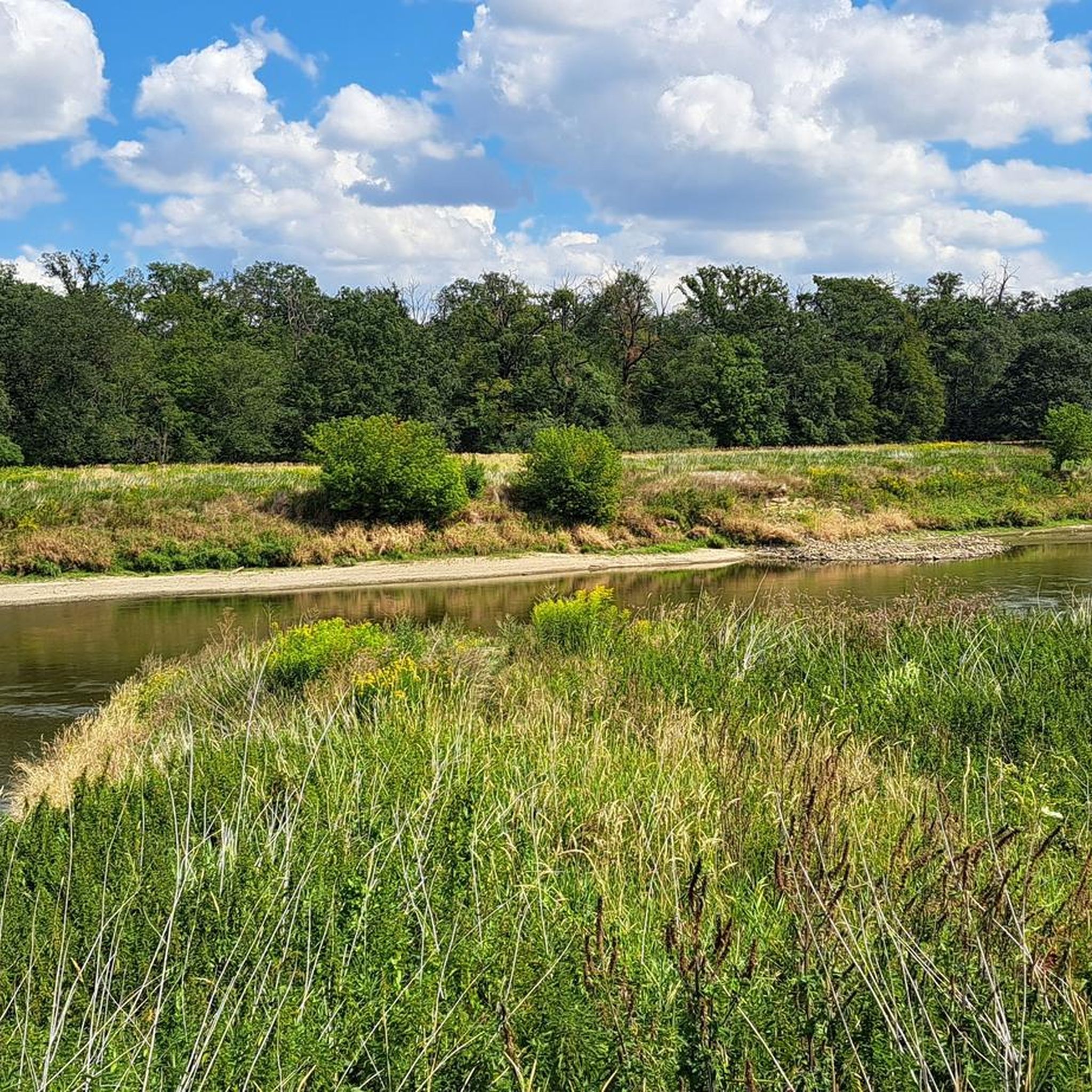
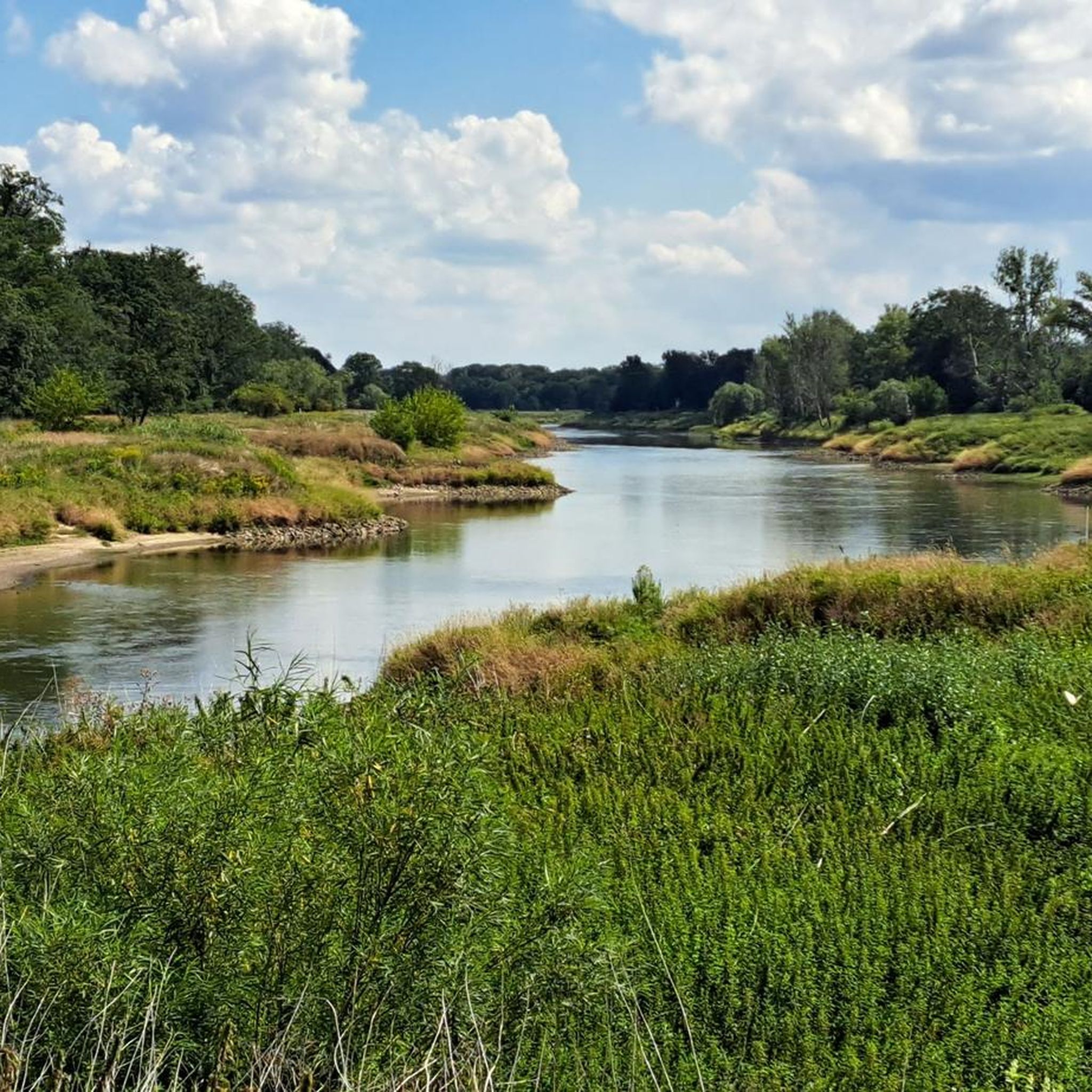
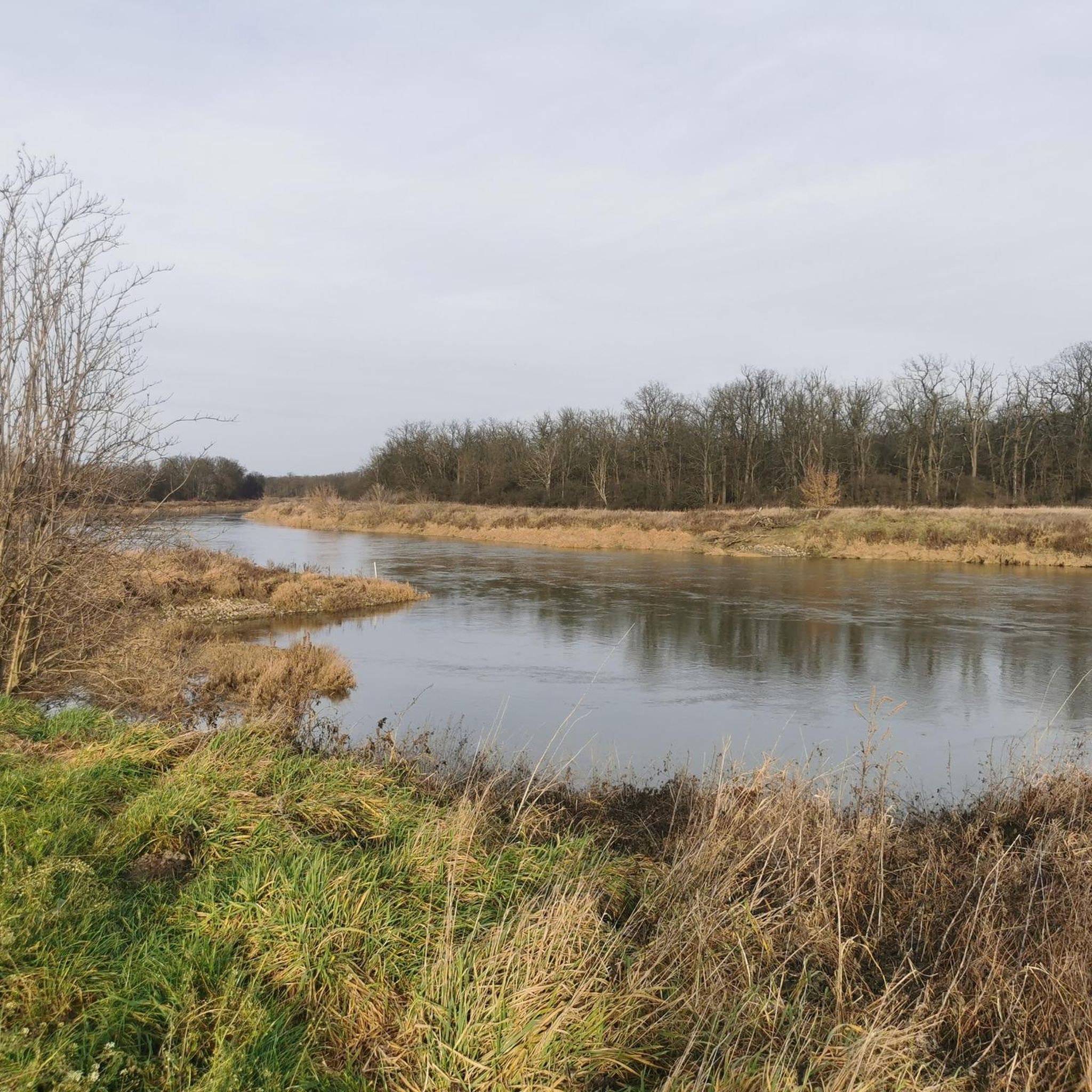
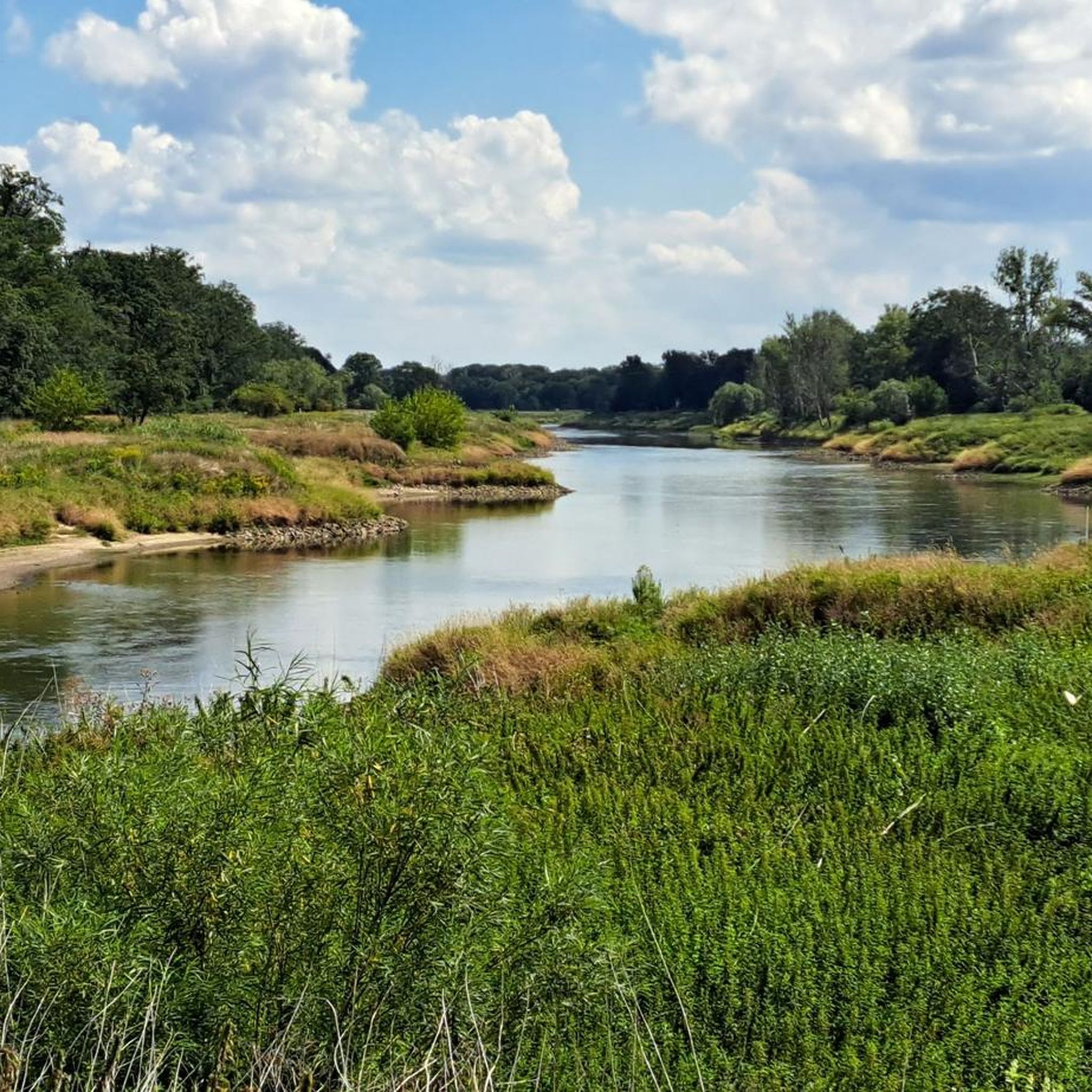
Perfect for road biking and cycling with the family.
1
0

komootモバイルアプリでインスピレーションを得よう


さらに探索
まだ探しているハイライトが見つかりませんか?他の地域のトップアトラクションのガイドを見てみましょう:
