インナーシュヴァントアムモンドゼーの洞窟・トップ4
インナシュヴァント・アム・モントゼー周辺の最高の城は、絵のように美しいザルツカンマーグート地方にあり、歴史的史跡と自然景観の融合を提供しています。インナシュヴァント・アム・モントゼーはモントゼー湖の南東岸に位置し、アウトドアアクティビティの場を提供しています。この地域には、中世の遺跡からかつての狩猟用ロッジまで、さまざまな歴史的建造物があります。この地域は、歴史と風光明媚な景色に興味のある人々の目的地となっています。
インナシュヴァント・アム・モントゼー周辺の最高の城
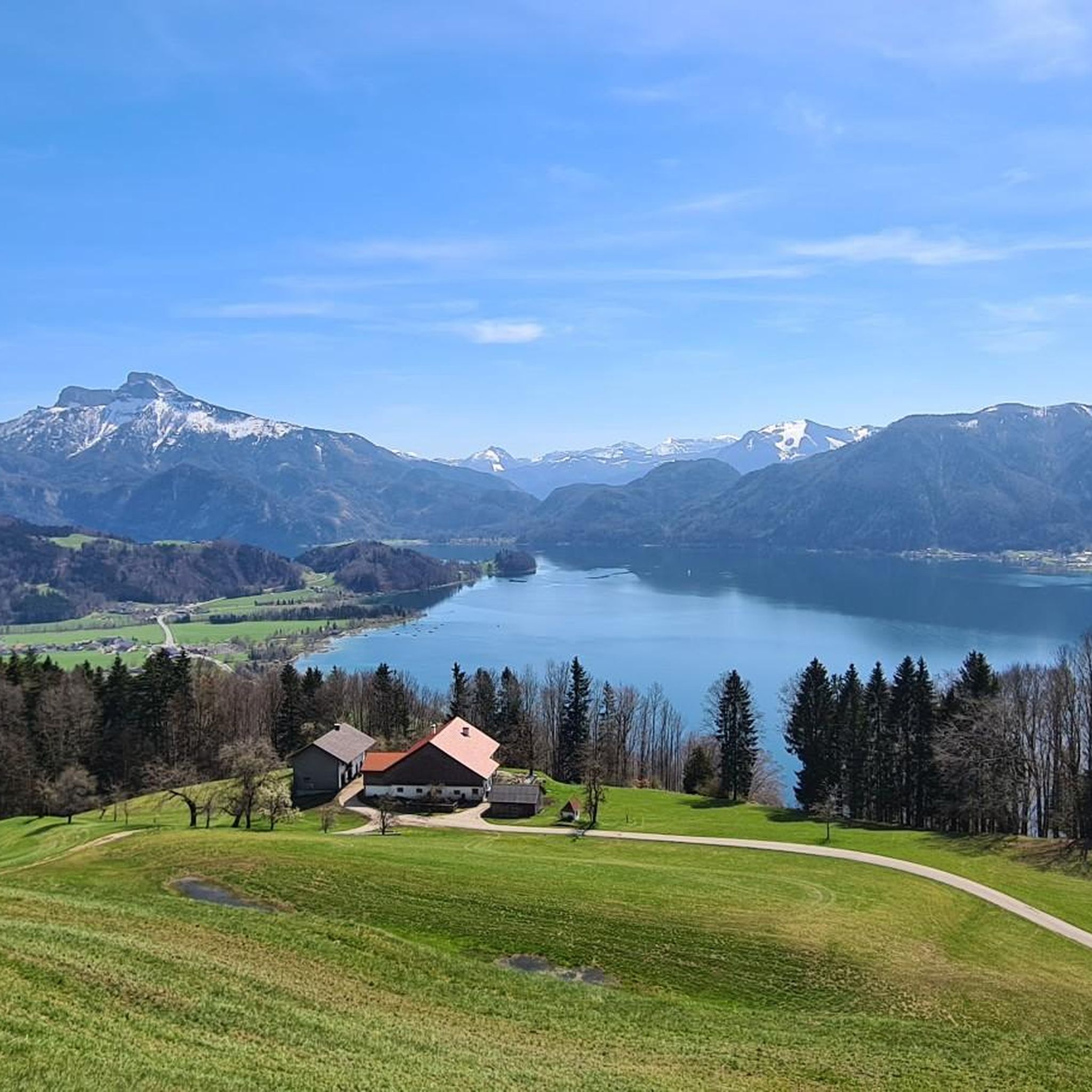
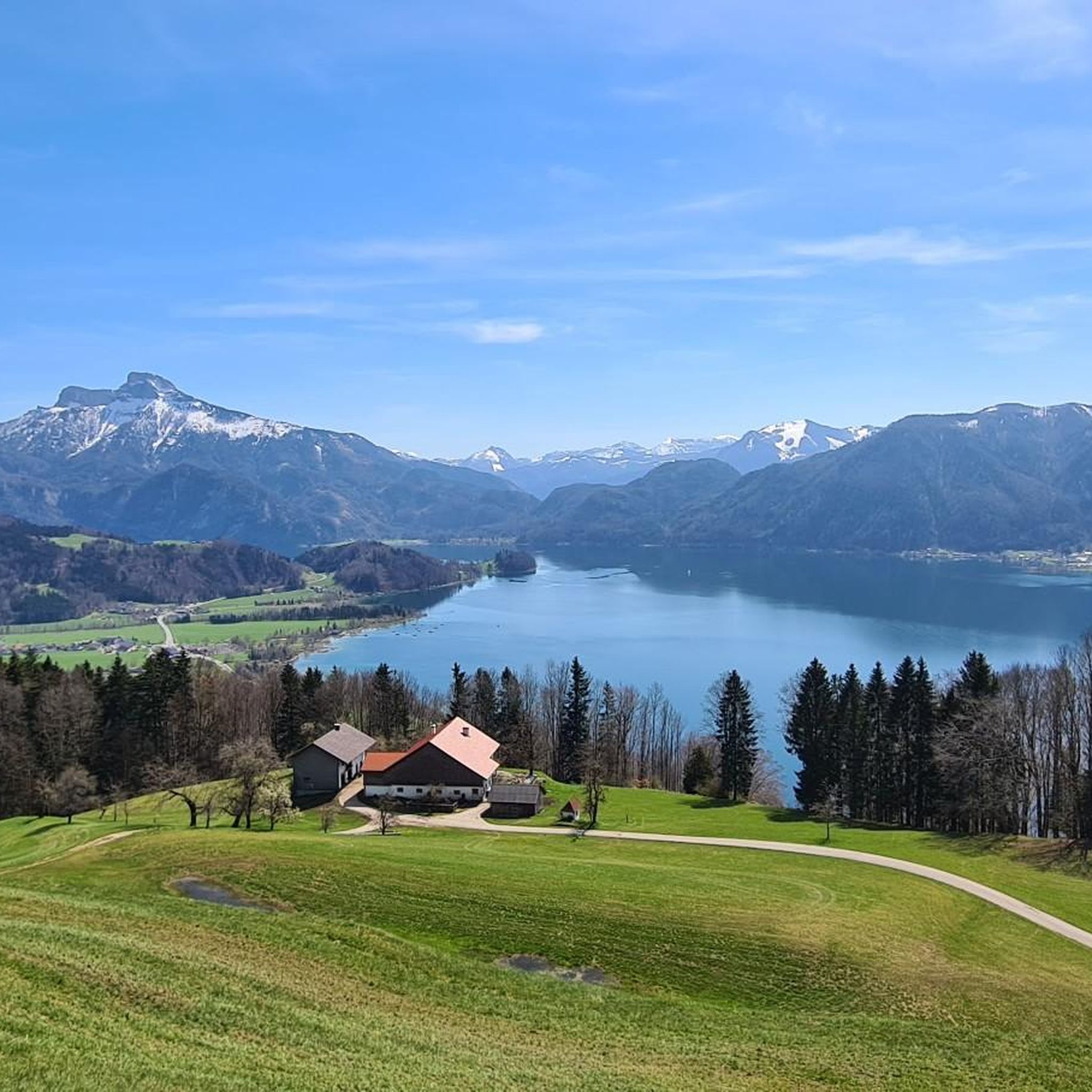
- 最も人気のある城は、かつての15世紀の狩猟用ロッジがある展望スポット、シュロス・フシュル湖畔の眺めです。この場所は現在、ザルツカンマーグートのフシュル湖畔にある5つ星ホテルです。
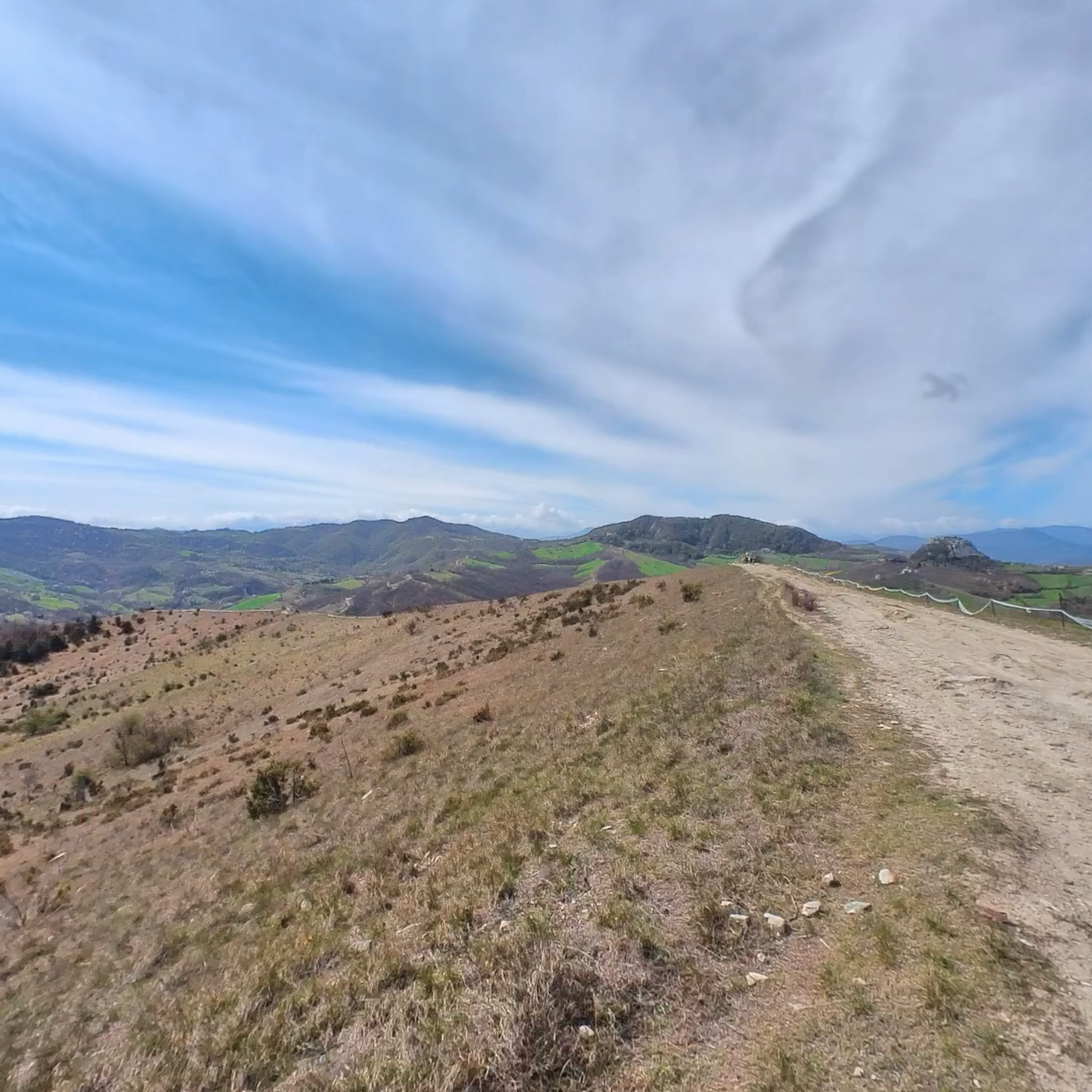
- もう一つの必見スポットは、歴史的な城跡であるヴァルテンフェルス城跡です。訪問者は1259年に遡る遺跡を探索し、周囲の景観のパノラマビューを楽しむことができます。
- 訪問者はまた、公園を通る美しい自転車道がある史跡、ヒュッテンシュタイン城も気に入っています。この城はクロテン湖の上にそびえ立ち、歴史的な興味とレクリエーションの機会を組み合わせて提供しています。
- インナシュヴァント・アム・モントゼーは、その歴史的な城、遺跡、かつての狩猟用ロッジで知られています。この地域は、保存状態の良い建造物から中世の遺物まで、探索できるさまざまな史跡を提供しています。
- インナシュヴァント・アム・モントゼー周辺の城は、komootコミュニティによって高く評価されており、1000件以上の「いいね」と訪問者によって共有された200枚以上の写真があります。
最終更新日: 10月 11, 2026
フシュル湖にあるシュロス・フシュルの眺め
ハイライト • 展望台
翻訳者 Google •
役立つ情報 は

ヴァルテンフェルス城跡
ハイライト • 城
翻訳者 Google •
役立つ情報 は

今すぐサインアップして、こんな場所を発見しよう
最高のシングルトラック、ピーク、その他のエキサイティングなアウトドアスポットのおすすめを受け取ろう。
ヒュッテンシュタイン城
ハイライト • 城
翻訳者 Google •
役立つ情報 は

ヴィルデネック城
ハイライト • 城
翻訳を表示中
役立つ情報 は

無料アカウントで今日から始めよう
次の冒険が待っています。

コミュニティからのヒント

Lengroidから来る場合、Wildenegg城跡からIrrsee方面へのルートは、段差があるためMTBでの走行には適さなくなっています。現在、倒木によりさらに通行が困難になっています(自転車を乗り越えさせる必要があります - 2026年6月現在)。
0
0


The castle's origins date back to a medieval fortress, first documented in 1323. Around 1565, it was converted into a court of law, but over time, its importance declined and it was already uninhabited by 1608. After the court's seat was relocated to St. Gilgen in 1703, the complex gradually fell into disrepair, and by 1811, large parts had been demolished or used as building material. In 1817, Field Marshal Carl Philipp von Wrede acquired the remains of the castle, and his son, Karl Theodor von Wrede, had a neo-Gothic palace built starting in 1843. Four octagonal towers, pointed arch windows, and a crenellated parapet were added, giving the current building its characteristic appearance. From 1880 onward, the castle changed hands several times, including Princess Franziska von Liechtenstein and later Demeter von Frank. Today, Hüttenstein Castle is owned by a private foundation and is not open to the public. The entire grounds, including the adjacent Krottensee lake, are used for private purposes. Visitors can only view the castle from the outside as part of cycling tours in the region.
0
0

A detour to the ruins is definitely worth it. :)
2
0

The area originally belonged to the rule of Hüttenstein Castle, not far north on the Schaflingerhöhe. In the course of the 16th century, a separate nursing court was set up in Hüttenstein and in 1565 a separate building was built for the nursing judge. This nursing court included today's communities of St. Gilgen and Strobl, as well as Fuschl am See. As early as a report from 1577 it was mentioned that poorly installed eaves had caused damage and could endanger the roof. In 1608 it was said that the castle was uninhabited. In 1614, a cost estimate for repairing the damage was drawn up, which was then doubled when implemented. In 1657, too, damage had to be repaired after a severe flood. An archive was set up in 1672. The nurses lived here until 1703, when the nursing court was moved to St. Gilgen. In 1747 the castle was a brick house with four rooms, two chambers, a kitchen, a cellar and the prison. At that time the castle was inhabited by a woodworker. In 1747, Johann Elias Geyer suggested that the castle, which was useless for defensive purposes, be left to the court chamber, which is what happened. In 1794 the Court Chamber asked to be allowed to tear down the castle and use the stones for a new hammer mill in Abersee, which is what happened. The rest of the building was auctioned off in 1811 to the woodmaster Johann Radauer. In 1817, the Bavarian field marshal Prince Carl Philipp von Wrede (1767–1838) bought Hüttenstein, followed in 1838 by Karl Theodor von Wrede, who began remodeling and rebuilding Hüttenstein in the neo-Gothic style in 1843, giving it its current shape. In 1880, Princess Franziska Liechtenstein, née Chalupetzky, bought the castle. She was followed in 1884 by Demeter Ritter von Frank, general director of the Romanian National Bank. Other owners were Dr. Edmund von Frank (1908), Thea Urban-Emmerich, née Morawitz (1917), Huogo Carl and Hans Edgar Urban-Emmerich (1938), Hugo Carl Urban-Emmerich (1948), Katharina Wunschek-Dreher (1951) and Robert Wimmer ( 1982) (Wikipedia).
3
0

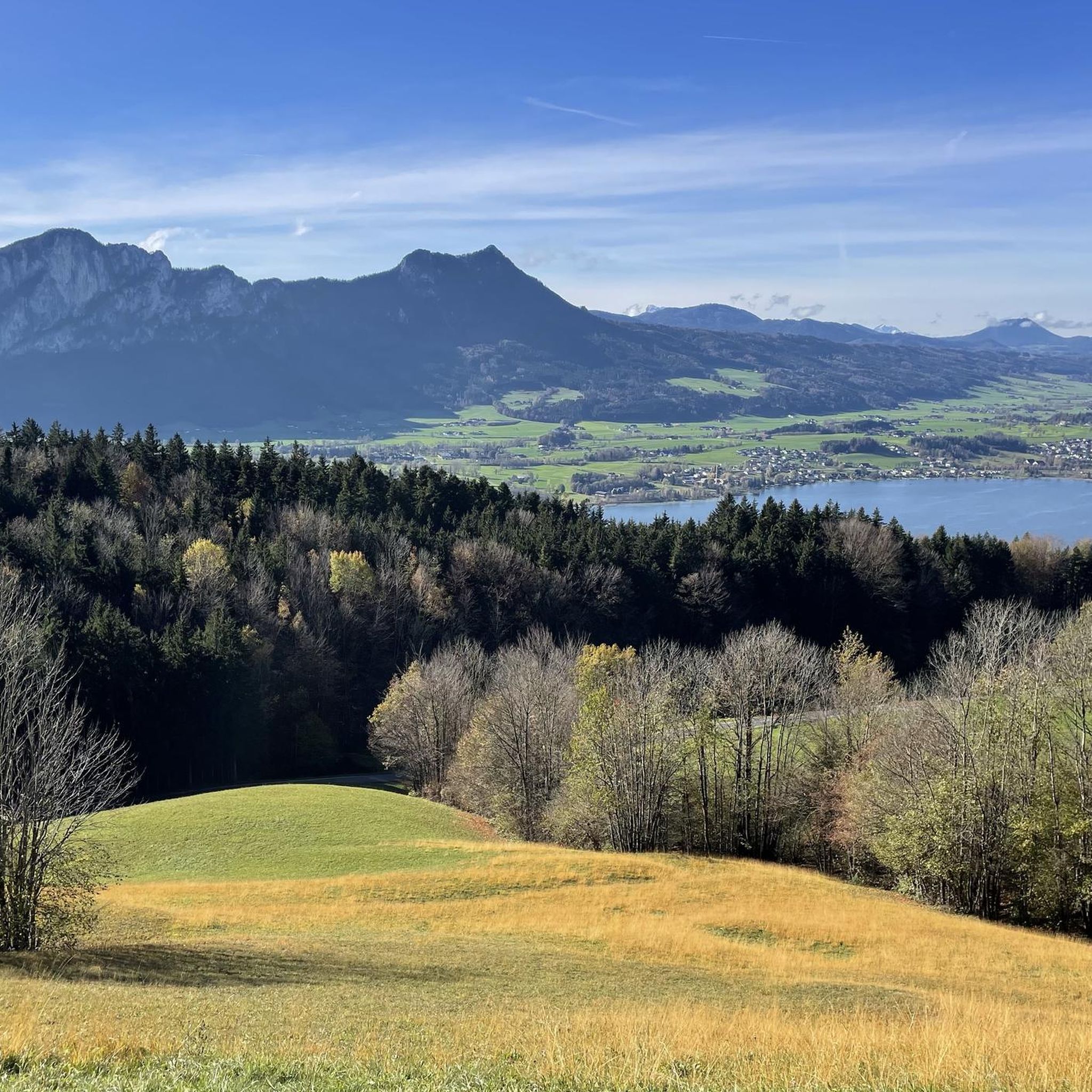
This little castle is enthroned very dominantly over the Krotensee.
3
0

There is a beautiful bike path through the park.
3
0
よくある質問
インナースシュヴァント・アム・モンドゼーの近くで探索できる歴史的な城はありますか?
この地域にはいくつかの歴史的建造物があります。1259年に遡るヴァルテンフェルス城跡を訪れることができ、そこからはパノラマビューを楽しめます。ヒュッテンシュタイン城はネオゴシック様式で知られ、もう一つの歴史的な宝です。歴史をより深く知るには、元々は748年のベネディクト会修道院であったモンドゼー修道院、城、博物館がおすすめです。現在は博物館と教会が入っています。
この地域には家族で訪れるのに適した城はありますか?
はい、いくつかの城は家族連れに適しています。ヴァルテンフェルス城跡は家族連れに優しく、魅力的な歴史体験と景色の良い眺めを提供します。モンドゼー修道院、城、博物館も素晴らしい選択肢であり、その博物館は地域の過去に関する教育的な洞察を提供しています。
城の訪問をハイキングやサイクリングなどのアウトドアアクティビティと組み合わせることはできますか?
もちろんです。インナースシュヴァント・アム・モンドゼー周辺のエリアは、歴史探訪とアウトドアアドベンチャーを組み合わせるのに最適です。例えば、ヒュッテンシュタイン城の公園を抜ける美しいサイクリングコースがあります。これらの史跡の近くを通る、グラベルサイクリング、交通量の少ない道、ロードサイクリングツアーなど、様々なサイクリングルートを見つけることができます。「3つの湖のグラベルツアー」や「インナースシュヴァント・アム・モンドゼー発、モンドゼー市街地~イルゼー湖畔の田舎道ループ」などのオプションを、インナースシュヴァント・アム・モンドゼー周辺のグラベルサイクリングまたはインナースシュヴァント・アム・モンドゼー周辺のロードサイクリングルートガイドで探してみてください。
この地域の城からはどのような景色が期待できますか?
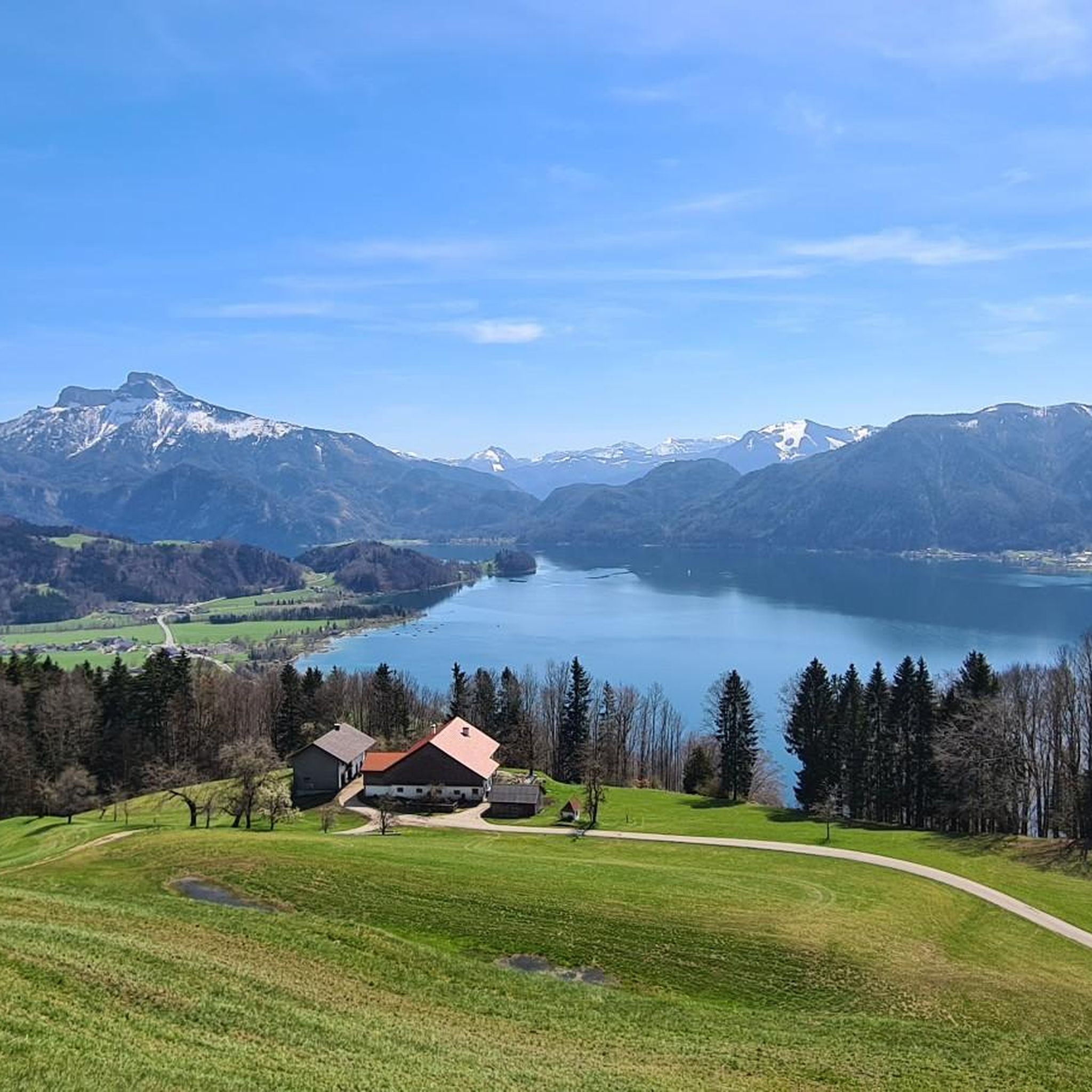
多くの城からは素晴らしい眺めが楽しめます。ヴァルテンフェルス城跡からは、周囲の景色のパノラマビューを楽しめます。フシュル城とフシュル湖の眺めは、湖と山の絵のように美しい風景を提供し、人気の写真スポットとなっています。ヒュッテンシュタイン城も、クロテンゼーを見下ろすその支配的な位置で知られています。
現在ホテルになっている城や、ユニークな体験ができる城はありますか?
はい、15世紀の狩猟小屋だったフシュル城は、フシュル湖畔の5つ星ホテルに生まれ変わりました。歴史とモダンなラグジュアリーが融合しています。モンドゼー修道院、城、博物館も、博物館や教会と並んで、一部はホテルとしても機能しています。
インナースシュヴァント・アム・モンドゼー周辺の城を訪れるのに最適な時期はいつですか?
一般的に、春と秋の月は、混雑が少なく、城とその周辺を探索するのに快適な気候を提供します。夏も人気があり、特に城訪問と湖のアクティビティを組み合わせるのに適しています。ヴァルテンフェルスのような一部の城跡は一年中訪れることができますが、冬には雪の影響でアクセスが制限される場合があります。
これらの城の訪問にはどのくらいの時間を確保すべきですか?
所要時間は城によって異なります。ヴァーテンフェルス城跡(Wartenfels Ruins)やヴィルデネッグ城(Wildenegg Castle)のような城跡の場合、特に短いハイキングと組み合わせる場合は、1〜2時間ほどかかることがあります。モンゼー修道院、城、博物館(Mondsee Abbey, Castle, and Museum)の場合は、博物館、教会、敷地内を探索するのに2〜3時間費やすことができます。複数の場所を訪れたり、他のアクティビティと組み合わせたりする場合は、丸一日以上を確保することを検討してください。
遺跡や歴史的な雰囲気をより楽しめる城はありますか?
はい、間違いなくあります。ヴァーテンフェルス城跡(Wartenfels Ruins)は、修復された壁とパノラマビューで中世の歴史を垣間見ることができる代表的な例です。同様に、ヴィルデネッグ城(Wildenegg Castle)は、わずかな基礎しか残っていませんが、12世紀の過去により非常に良い雰囲気を提供しています。
モンゼー周辺の城の近くには、他にどのような歴史的観光スポットがありますか?
城以外にも、モンゼー地域には他の重要な史跡があります。モンゼー博物館には、杭上住居博物館と修道院博物館が含まれており、地域の歴史に関する洞察を提供しています。モンゼーの聖ミカエル大聖堂(かつてのモンゼー修道院の一部)も、注目すべき歴史的および建築的なランドマークです。
城の近くにカフェやレストランはありますか?
すべての城に特定のカフェが記載されているわけではありませんが、モンゼーやホーフ・バイ・ザルツブルクなどの城の周辺の町や村には、様々な食事の選択肢があります。フシュル城(Schloss Fuschl)自体は、ダイニング施設を備えた五つ星ホテルです。近くのコミュニティには、食事や飲み物を楽しめる場所が便利に見つかります。
写真撮影に特に景色の良い城はありますか?
モンゼー湖畔のフシュル城の眺め(View of Schloss Fuschl on Lake Fuschl)は、きらめくターコイズブルーの湖と山々を背景にした城の典型的なショットを提供する、写真撮影に強く推奨されるスポットです。ヴァーテンフェルス城跡(Wartenfels Ruins)からのパノラマビューも、周囲の景色の素晴らしい写真撮影の機会を提供します。
インナーシュヴァントアムモンドゼーでのの人気ルート
インナーシュヴァントアムモンドゼーでのの人気観光スポット

komootモバイルアプリでインスピレーションを得よう


さらに探索
他の場所で最高の城を探していますか?他のガイドを発見しましょうインナーシュヴァントアムモンドゼーでの:
