ジンツィッヒの天然記念物・トップ20
ジンツィッヒが誇る美しい風景を見てみたいなら、ジンツィッヒの素晴らしい天然記念物・トップ20
に行ってみましょう。あなたにぴったりの場所が見つかるよう、素晴らしい天然記念物を探索するために必要なすべての情報を集めました。次のアウトドアの冒険に出かける計画の参考にしましょう。
最終更新日: 8月 19, 2026
トラス洞窟(Trasshöhlen)ブロールタール
ハイライト • 洞窟
翻訳者 Google •
役立つ情報 は

ヴォルフスシュルフトの滝
ハイライト • 滝
A real highlight on the hike
翻訳者 Google •
役立つ情報 は

今すぐサインアップして、こんな場所を発見しよう
最高のシングルトラック、ピーク、その他のエキサイティングなアウトドアスポットのおすすめを受け取ろう。
無料新規登録
ヴォルフシュルフトの滝とトラスの岩壁
ハイライト (セグメント) • 峡谷
翻訳者 Google •
役立つ情報 は

レマゲン橋の塔
ハイライト • 記念碑
翻訳者 Google •
役立つ情報 は



コミュニティからのヒント

This beautiful waterfall is located at the highest point of the Wolfschlucht.
15
1

When you cross the Trass caves, you go through a historical disaster area, it is about the eruptions of the Laacher See volcano, which erupted around 13,000 years ago.
18
1

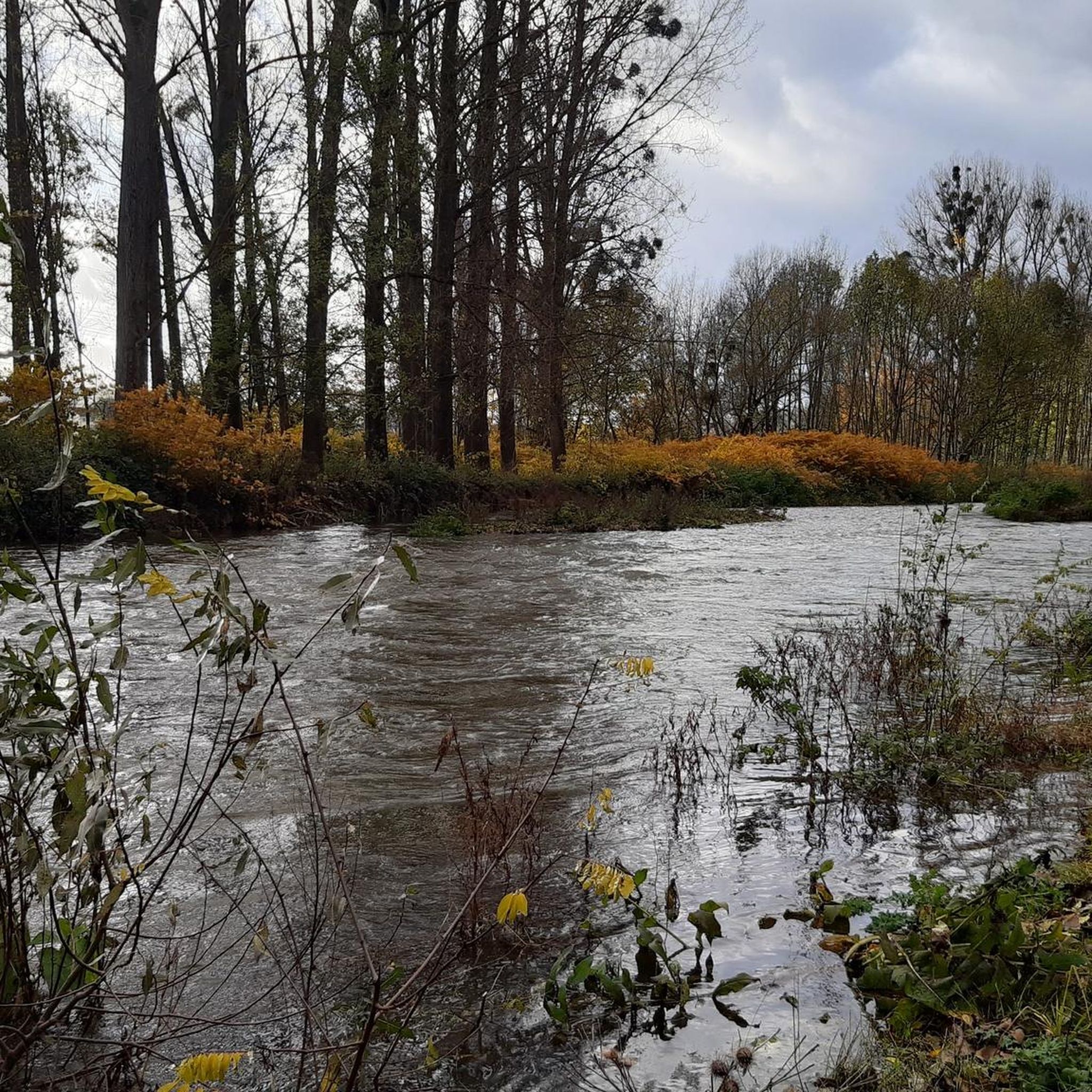
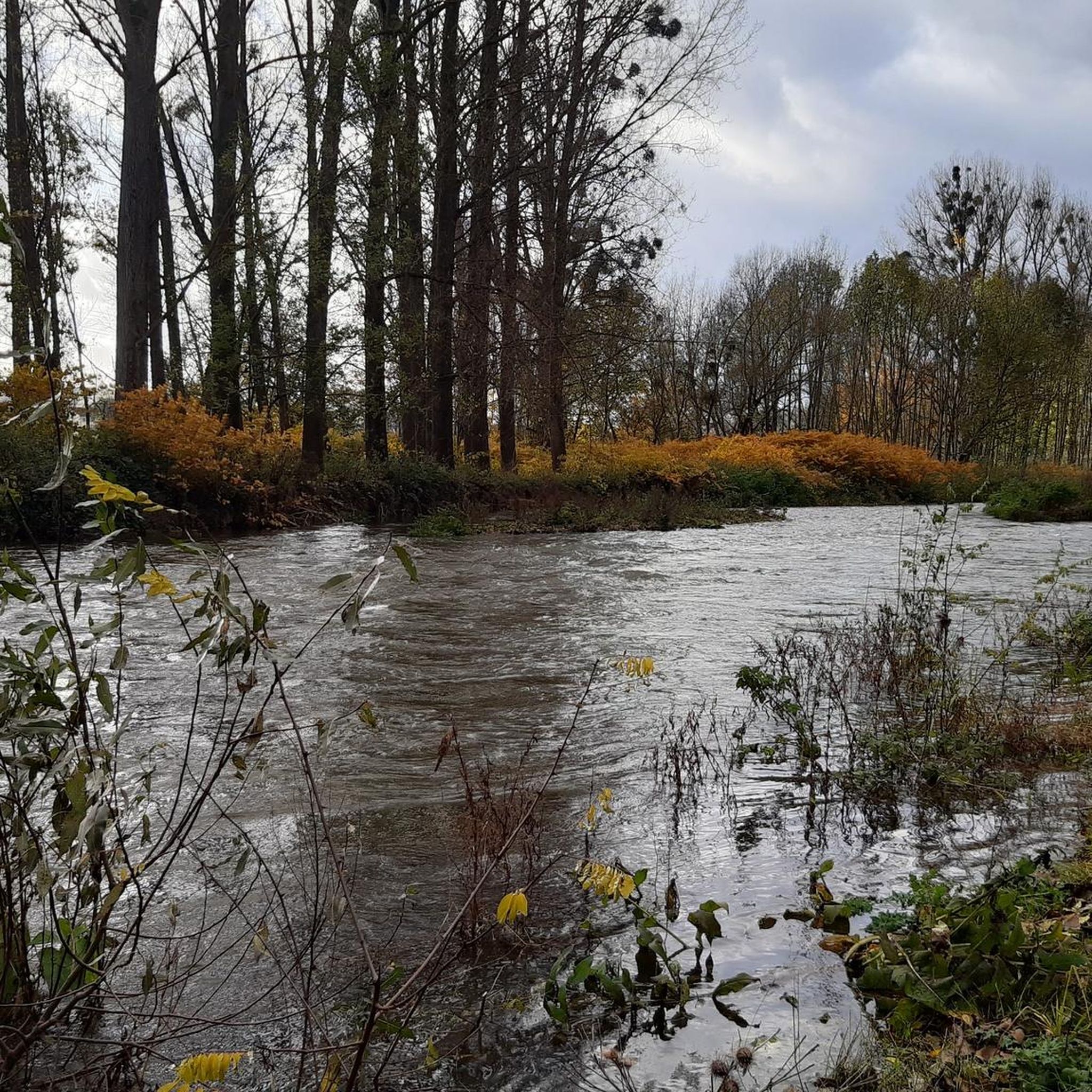
There are numerous beautiful views of the lake along the lake path. The views are particularly attractive in autumn, when there is fog on the lake.
12
1

The Wolfsschlucht near Kell is a great hiking destination, to the left and right of the path there are huge rock faces and there is also a waterfall to see!
12
0
Cultural events take place regularly in the old railway tunnel.
17
0

Very nice waterfall. Best done in the morning during the week.
13
0

Very idyllic place, jungle atmosphere. A real highlight on the hike
14
0

In June 2020, a large part of the slope broke off and optically changed the valley at the waterfall.
13
0

komootモバイルアプリでインスピレーションを得よう


さらに探索
これらのガイドで、最高の洞窟を探す範囲を広げましょうジンツィッヒでの:
