バルジングハウゼンの湖・トップ20
次の冒険でバルジングハウゼンの素晴らしい湖を訪れてみませんか?湖畔の穏やかな雰囲気や、天気が良い日のひと泳ぎは格別です。komootコミュニティがおすすめするバルジングハウゼンの素晴らしい湖の一覧を参考にして、次の冒険では湖をもっと満喫しましょう。
最終更新日: 10月 2, 2026
ブランケ池
ハイライト • 湖
翻訳者 Google •
役立つ情報 は

ダイスターのマス池
ハイライト • 湖
The stamp office is located outside the shelter - there are also the Wanderpaesse.
翻訳者 Google •
役立つ情報 は

今すぐサインアップして、こんな場所を発見しよう
最高のシングルトラック、ピーク、その他のエキサイティングなアウトドアスポットのおすすめを受け取ろう。
ボルデナウアー湖
ハイライト • 湖
翻訳者 Google •
役立つ情報 は

Georgs-/Toppiplatz
ハイライト • 記念碑
today a nice place for rest and rest
翻訳者 Google •
役立つ情報 は

クアパーク・バート・ミュンダー
ハイライト • 休憩所
翻訳者 Google •
役立つ情報 は

無料でサインアップして、さらに多くの湖を発見しましょう バルジングハウゼンでの。
すでにアカウントをお持ちですか?

コミュニティからのヒント

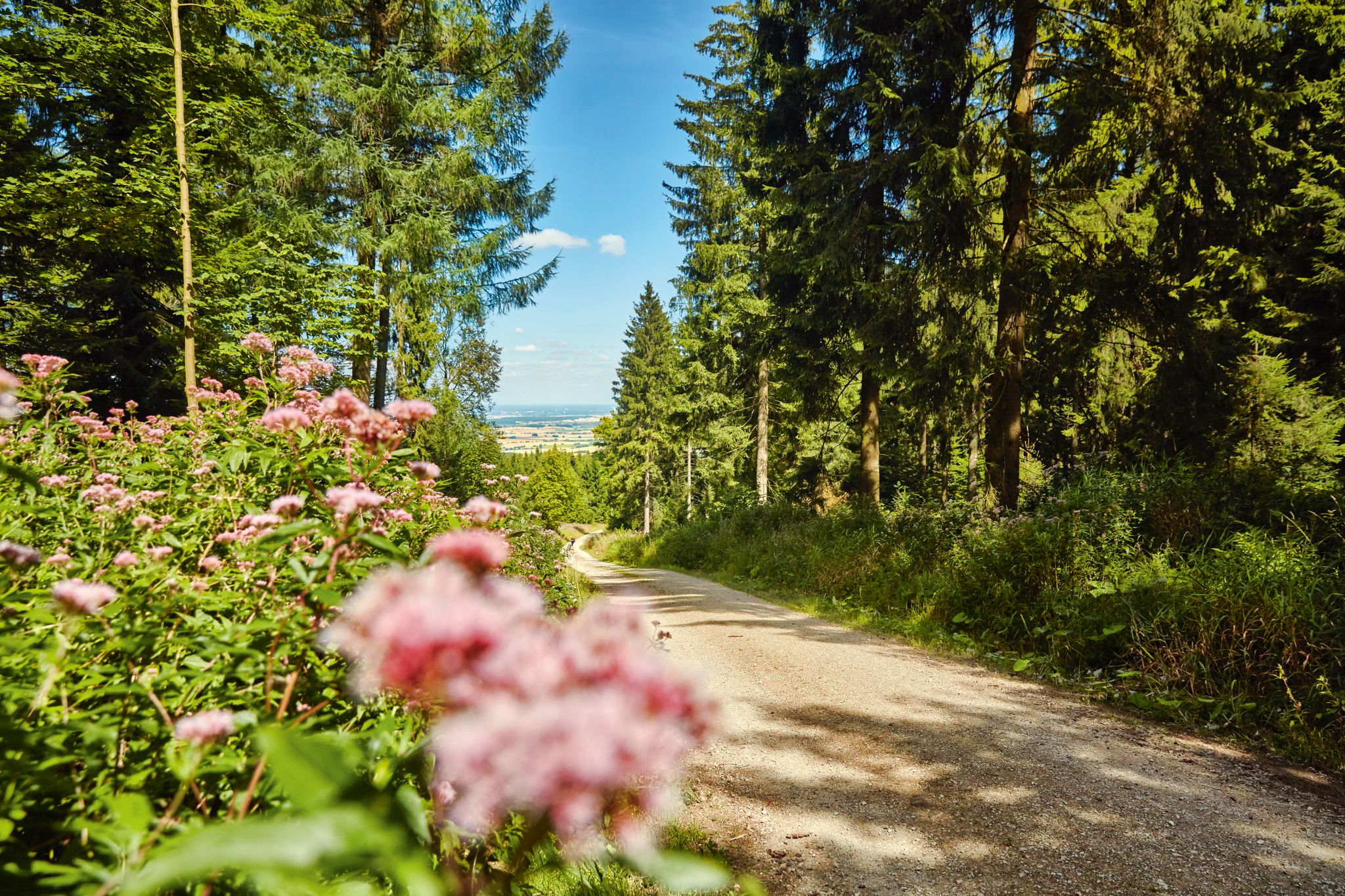
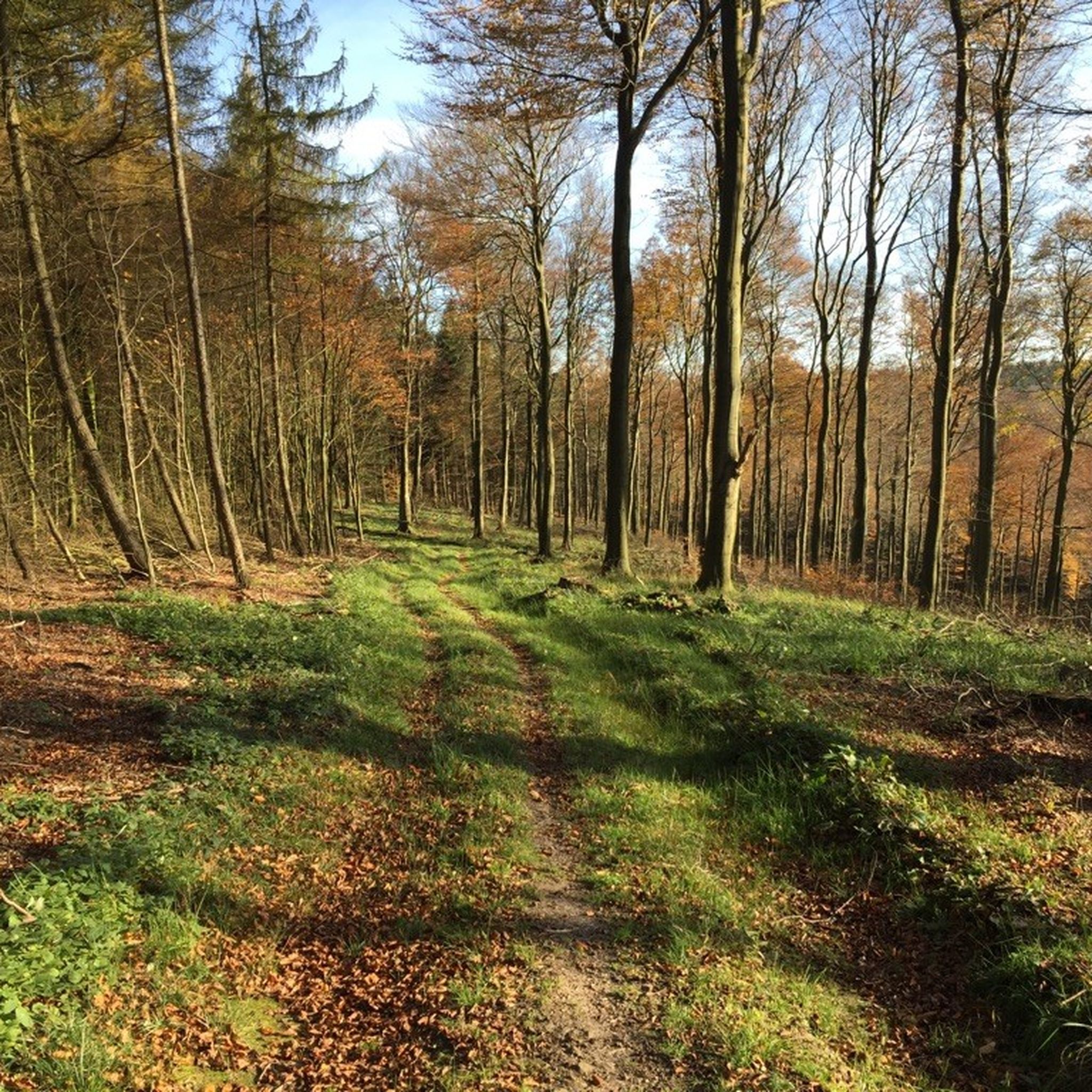
Wennigsen近郊のDeisterにあるGeorgs- und Toppiusplatzは、鉱業、狩猟、森林管理と密接に関連する歴史的な場所です。Georgsplatzは鉱夫たちの集会所として生まれ、19世紀には王室の狩猟小屋が設けられました。向かい側にあるToppiusplatzは、かつては狩猟儀式や集会に使用され、今日でも記念碑によって当時の出来事や人々を偲ばせています。現在、両方の場所は主にDeisterにおける静かな休憩やピクニックの場所として利用されています。
2
0
トッピウス記念碑は、密猟者との格闘で命を落とした王室の猟師トッピウスを記念するものです。当初はフォレレンタイヒ(Forellenteich)のさらに下方にありましたが、1901年に現在の場所に移されました。高さ約1メートルの石碑で、以下の碑文が刻まれています。 王室猟師トッピウスの追悼に。1807年2月28日、この地で職務中に致命傷を負い、ウェニクセン(Wennigsen)で2日後に亡くなった。 出典: https://de.wikipedia.org/wiki/Georgsplatz_(Wennigsen)
1
0

The plaza contains various commemorative stones loosely and widely spread over it. In between there are many places to rest.
2
0

Stamping points for the Deister hiking pass ~ No. 1 trout pond (stamp was permanently removed due to vandalism. As a replacement, you will find a code outside the refuge that you can enter in the pass instead of the stamp)
0
0
The grand opening took place in May 1879. The three-storey spa hotel was not completed until around 1900. In 1931, the mineral springs and spa facilities became the property of the city. In 1936 Münder was awarded the state title "Bad". In the 1990s, an expanded, modern landscaped park was created based on designs by the renowned Swiss landscape architect Dieter Kienast. The emphasis and the development of a high-contrast whole from existing and new parts of the park was the guiding principle of the design. Both natural relaxation zones and active areas have their place in the park, such as the world champion mini golf course. The Kurmittelhaus and the Tourist Information are also located here. Source: https://www.weserbergland-tourismus.de/de/poi/park/kurpark-bad-muender/21704148/
1
0
The lake has an area of approx. 40,000 square meters and is one of the bathing waters in the Hanover region. It was created as a gravel pond during the construction of the federal highway 6 and is now owned by the fishing club, which also takes care of the maintenance of the area or should take care of it. Sanitary facilities are no longer available. Until around the turn of the millennium, the lake had shallow, sandy entrances in several places and was therefore also very suitable for children. However, the "beach" that used to be popular with families is no longer there: it has become overgrown and there is no longer any sand to be found. The remaining entry points on the south-eastern shore of the lake are used primarily by people from Bordenau. A few dedicated swimmers regularly cut the paths and clear some entry points in summer. The regional administration regularly monitors the water quality from mid-May to mid-September. Source: https://www.bordenau.de/DerOrt/Kiesteich/index.htm
4
1

There are two registered monuments on Toppiusplatz: the Toppius stone and the Lendorff monument. The square was the traditional gathering place of the miners. The square is immediately southwest of Georgsplatz. It was laid out in terraces around 200 years ago. In the past it was used to lay the hunting track. Even today, a Zackelschau is held there regularly, in which the shed antlers of the Deister deer are shown. The Wennigser Mark local community uses the space for events such as the annual jazz brunch or church services.
1
0
The springs in Bad Münder have been known since the Middle Ages and were also visited by many travelers as "healing and beneficial". On the initiative of the pharmacist Adolf Andree, these mineral springs were used for health benefits in the mid-1870s. In 1878 a stock corporation was founded. Investments were made in a bathhouse on the former site of the Salzhof and a spa park with a pond was laid out. The area covered 1,250 square meters. The grand opening took place in May 1879. The three-storey spa hotel was not completed until around 1900. In 1931, the mineral springs and spa facilities became the property of the city. In 1936 Münder was awarded the state title "Bad". In the 1990s, an expanded, modern landscaped park was created based on designs by the renowned Swiss landscape architect Dieter Kienast. The emphasis and the development of a high-contrast whole from existing and new parts of the park was the guiding principle of the design. Both natural relaxation zones and active areas have their place in the park, such as the world champion mini golf course. The Kurmittelhaus and the Tourist Information are also located here. Source: https://www.weserbergland-tourismus.de/de/poi/park/kurpark-bad-muender/21704148/
0
0

komootモバイルアプリでインスピレーションを得よう


さらに探索
まだ完璧な湖が見つかりませんかバルジングハウゼンでの?これらの地域のガイドをチェックして、さらに美しい場所を見てみましょう。
