Top 20 Caves ニーダーバイエルンでの
次の冒険でニーダーバイエルンの洞窟を訪れてみませんか?素敵なアウトドア体験の計画をお手伝いできるよう、ニーダーバイエルンにある 20
の素晴らしい洞窟をまとめました。他のユーザーの体験に基づいた情報なので、どれも信頼できるおすすめのガイドです。次の冒険を計画する際の参考にしましょう。
最終更新日: 8月 25, 2026
リーシュロッホ滝
ハイライト • 滝
翻訳者 Google •
役立つ情報 は

ブッフベルガー・ライテの岩のトンネル
ハイライト • 洞窟
翻訳者 Google •
役立つ情報 は

今すぐサインアップして、こんな場所を発見しよう
最高のシングルトラック、ピーク、その他のエキサイティングなアウトドアスポットのおすすめを受け取ろう。
無料新規登録
Einsiedelei Klösterl(洞窟教会)
ハイライト • 宗教的な場所
翻訳者 Google •
役立つ情報 は

フリードリヒスルー洞窟
ハイライト • 洞窟
翻訳者 Google •
役立つ情報 は

Klosterhöhle
ハイライト • 洞窟
翻訳者 Google •
役立つ情報 は

石造りの小さな礼拝堂
ハイライト • 自然記念物
翻訳者 Google •
役立つ情報 は

クラウゼンホーレン
ハイライト • 洞窟
翻訳者 Google •
役立つ情報 は
石器時代の洞窟レプリカ(ナショナルパークセンター・ファルケンシュタイン)
ハイライト • 洞窟
翻訳者 Google •
役立つ情報 は

アイントハル近くのクラム洞窟
ハイライト • 洞窟
翻訳者 Google •
役立つ情報 は
シルバーベルクのゴッテスガープ鉱山
ハイライト • 歴史的な場所
翻訳者 Google •
役立つ情報 は

無料でサインアップして、さらに多くの洞窟を発見しましょう ニーダーバイエルンでの。
無料新規登録
すでにアカウントをお持ちですか?
無料アカウントで今日から始めよう
次の冒険が待っています。
ログインまたは登録
ニーダーバイエルン周辺で人気
ドイツを周りをトライアスロン
ユーラシュタイグ - ババリアの心臓部でハイキング
アースリアールドルックルーランドがないません - バートの路後
Trans Bayerwald – A mountain bike adventure through Bavaria's finest nature
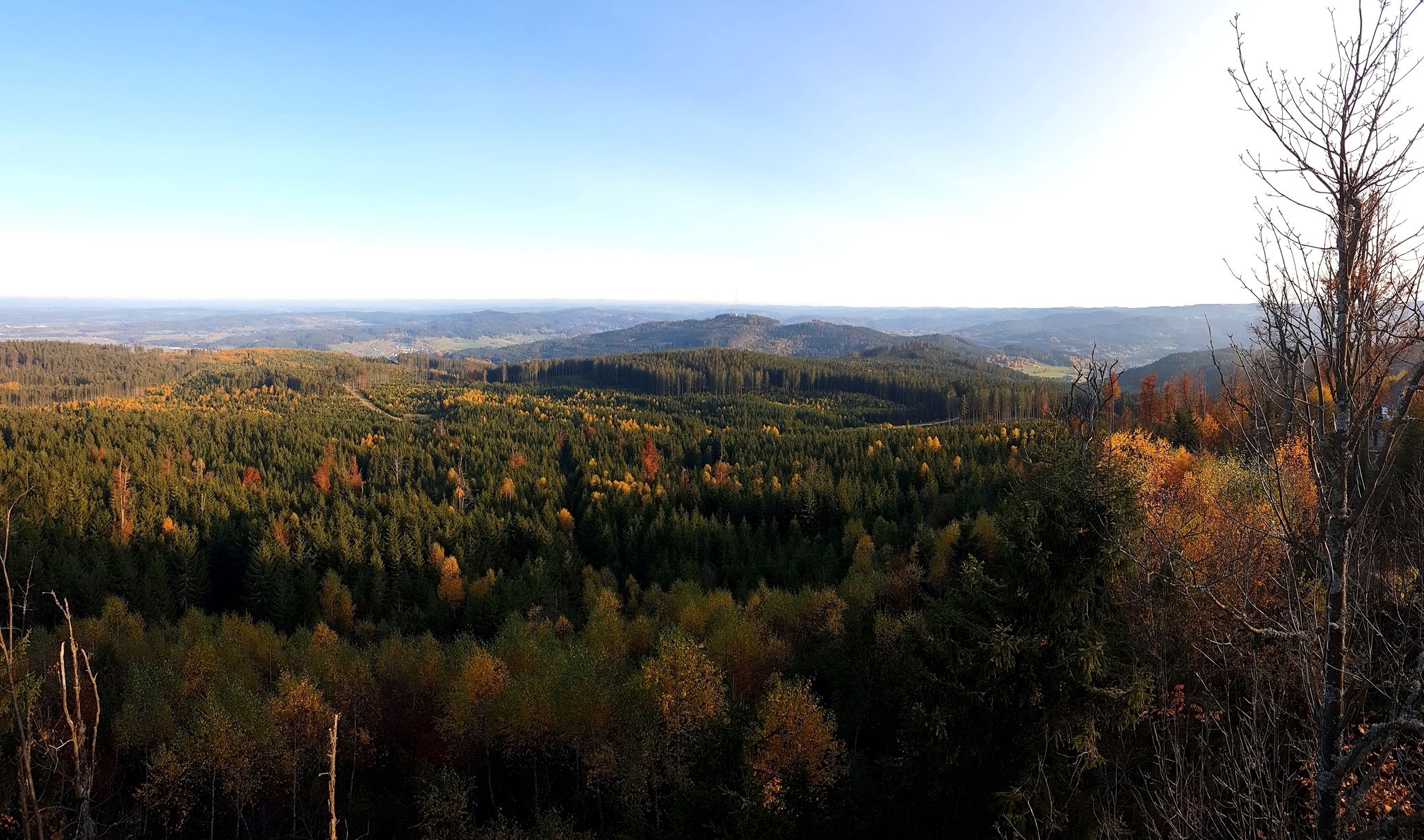
チェコ共和国とオーストリアの間をハイキング – ノルドワルドカムムトレイル
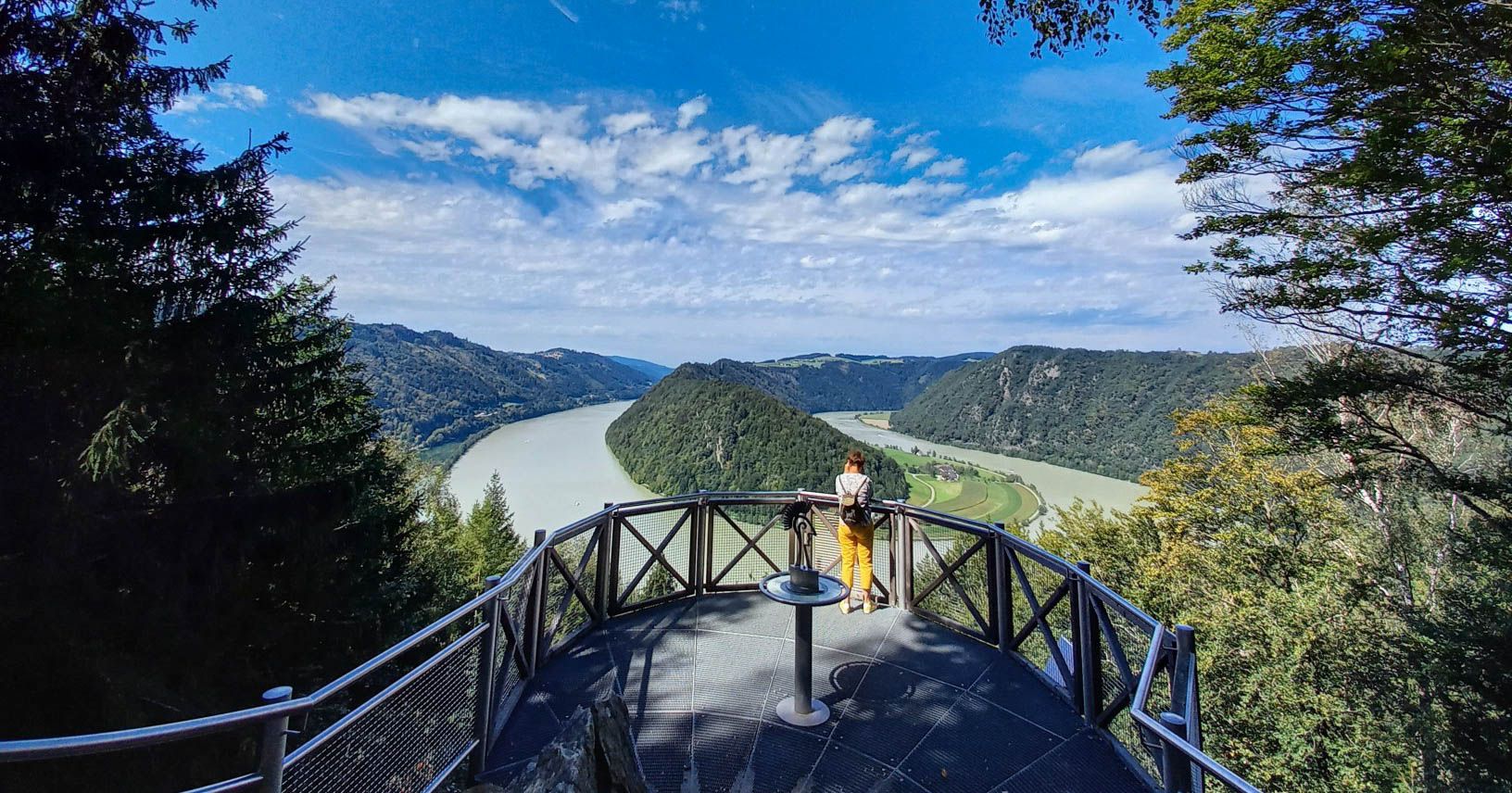
ドナウ川沿いの伝説の長距離ハイキング – ダナウブトレイル
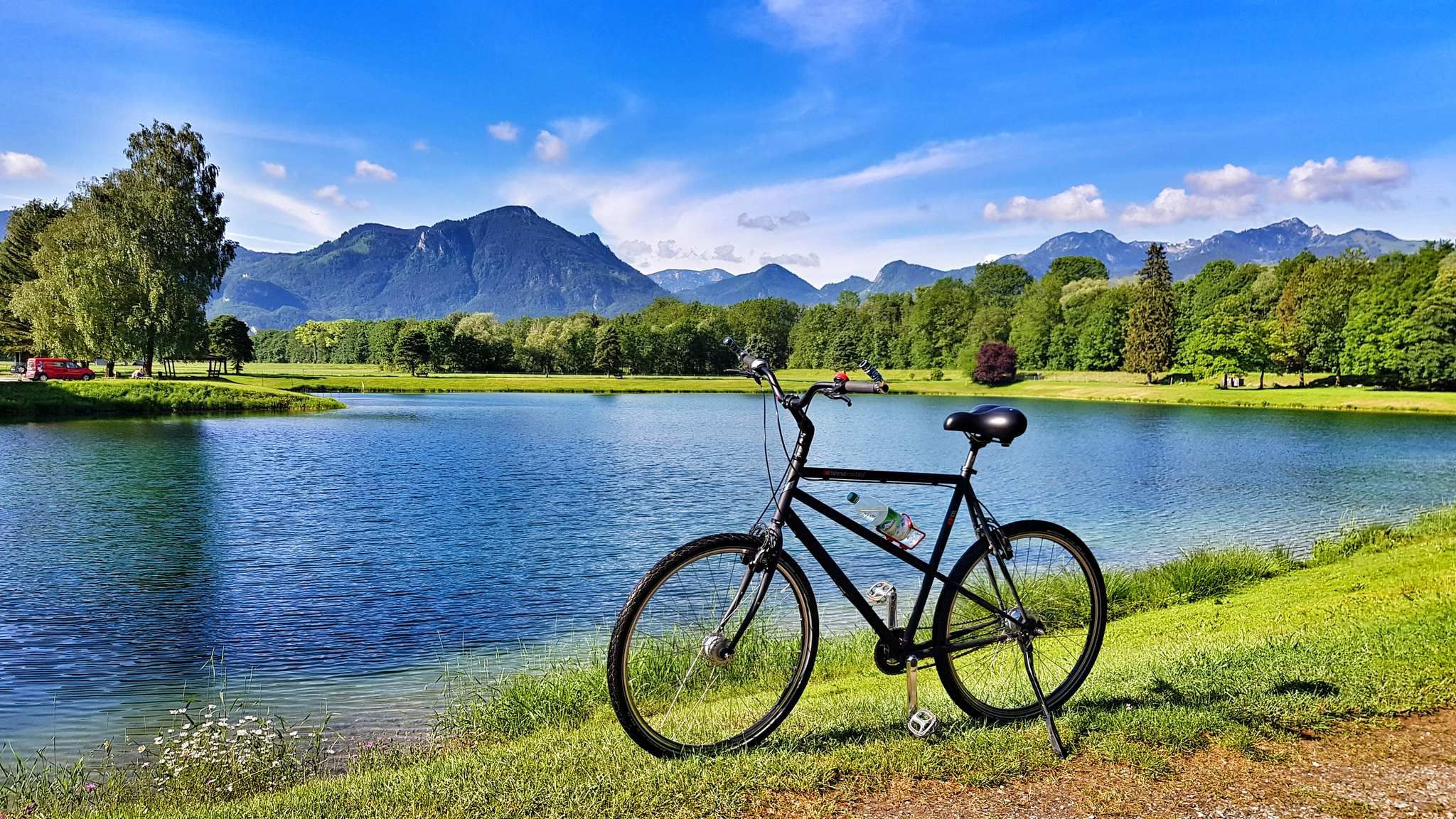
From a babbling brook to a mighty river - the Inn Cycle Path
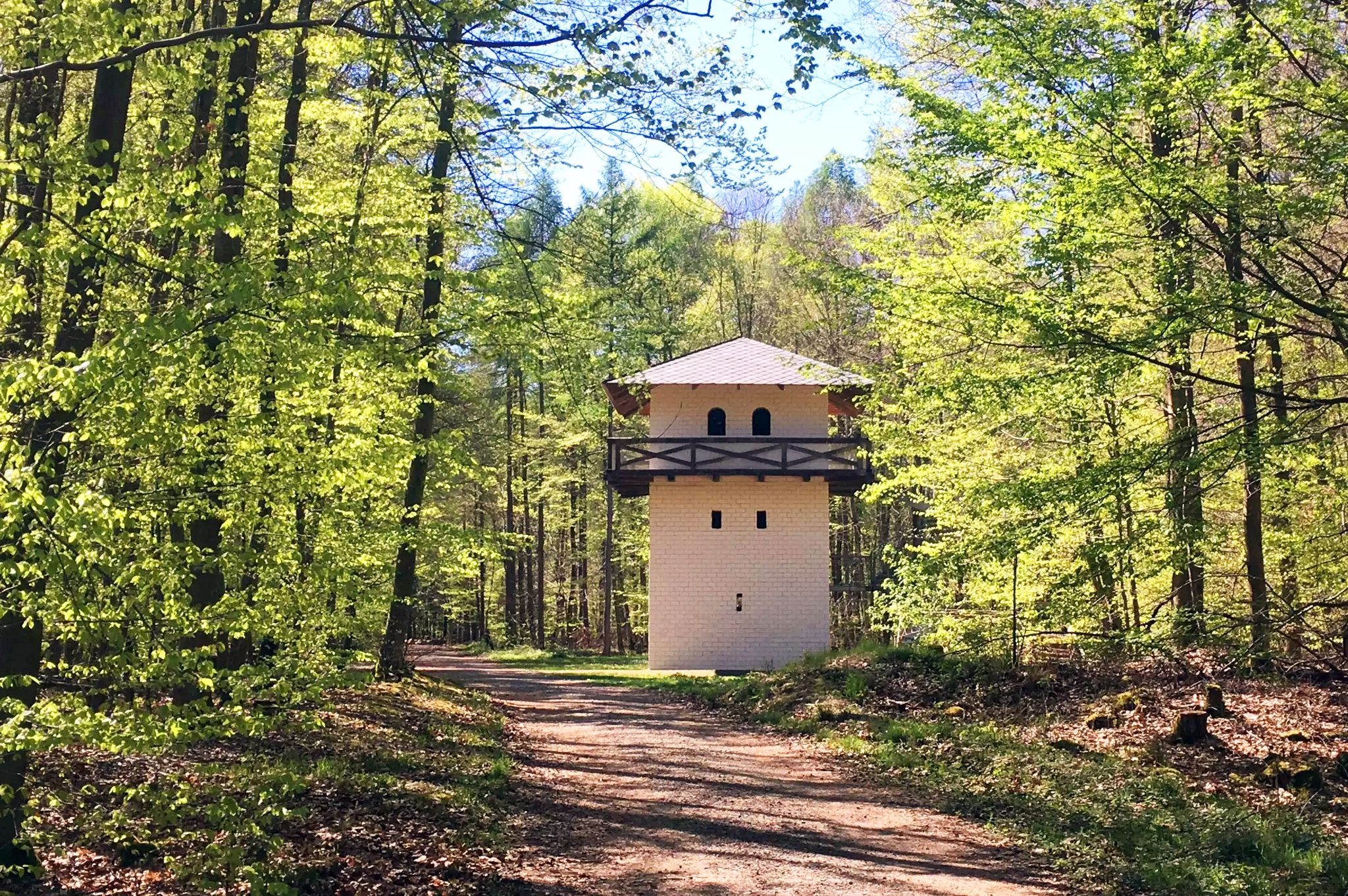
ドイツライメス自転車道をライン河からダヌーブ河までライディング
ドイツ・オーストリア境界のローマ人の足跡を追え
ゴールドシュタイグ - オーバーパラティナートとパッサウの間の38ステージ
ニーダーバイエルンでのの他の冒険


コミュニティからのヒント

地質学的考察 周辺全体に、強い球状風化作用を示す岩石の露頭が数多く見られます。第三紀には、岩石は深く風化しました。より緻密な花崗岩のドーム状の部分でのみ、風化はそれほど速く進行しませんでした。第四紀には、風化層が除去されました。無傷の花崗岩の領域だけが残りました。「シュタイネルネス・キルヒライン」付近の丸みを帯びた花崗岩のブロックからなる岩石群は、小さな空洞、ニッチ、岩の通路を形成しています。バイエルン州環境庁(LfU)。 https://www.umweltatlas.bayern.de/standortauskunft/rest/reporting/sb_geotope/generate?additionallayerfieldvalue=272R028
0
0

The Stone Church is a rock formation. The weathered rocks form towers, crevices and caves. An iron cross is attached to one such cave. Hence the name Stone Church.
1
0

If you walk the path through the animal enclosure counterclockwise, you will first pass the Stone Age cave. In addition to the replica of a Stone Age cave, a film about the Stone Age in the Bavarian Forest will also be shown.
4
0

It's not far from Prunn Castle to get to the grotto. There is climbing in the grotto. If you walk a little further you will come to a very nice viewpoint. But take good care of the children.
2
0

Smaller caves can often be found in the rock.
5
0

The settlement history of the Altmühl valley began at the beginning of the last ice age, in the so-called Würm ice age, about 80,000 years ago. On the other hand, there are no archaeological finds from the oldest phase of the Paleolithic, i. H. from the Günz, Mindel or early Rißeiszeit 500,000 - 120,000 years ago, but this is more likely due to the change in river systems. The Danube flowed through the Lower Altmühltal until about 200,000 years ago. Therefore, no older finds could be deposited in caves or rock overhangs. In the Würm Ice Age, around 100,000 - 10,000 years ago, there are first indications of people who stayed in the caves or under rock protection roofs, so-called rock shelters, in the Lower Altmühl Valley. At that time the climate here is similar to that of the tundra today. The ice-free Altmühltal was a favorable hunting ground, where mammoths, rhinos, reindeer, and later also horses, bison and primal lived. The Klausen Caves are a system of several caves nested one on top of the other: Lower Klause, Klausen Niche, Middle and Upper Klause. Except for the Lower Hermitage, tools and equipment from the Old, Middle and Upper Palaeolithic periods were found in the other caves. From the Klausen niche comes z. B. a deciduous incisor of a Neanderthal. In the middle hermitage, archaeologists from the Magdalenian layer were able to salvage a single-row harpoon, bone spikes and a perforated staff made of reindeer antlers, which is decorated with fantasy creatures. A limestone slab with incised lines of a wild horse document the first art products. In 1913, archaeologists found the skeleton of a Homo sapiens. The approximately 30-year-old man died about 18,000 years ago. His dead body was wrapped in a mighty red chalk pack. Fragments of mammoth tusks lay in the area of the skull. https://www.herzstueck.bayern/ attraction/07-station-klausenhoehlen-e617ad20c7
8
1


Great cave where you can find out about the Stone Age for free. There is a film in several languages and a small exhibition to watch.
3
0
ニーダーバイエルンでのの人気ルート

komootモバイルアプリでインスピレーションを得よう


探していたものは見つかりませんでしたか?
地域ごとにさらに多くの洞窟を発見しましょうニーダーバイエルンでの:
さらに探索
最高の洞窟を探す範囲を広げるために、これらのガイドをチェックしましょうニーダーバイエルンでの:
