キリリスのおすすめライド
633
ライダー
85
ライド
Killyliss周辺のロードサイクリングは、ティローン県に位置し、静かな田舎道と変化に富んだ地形が特徴です。この地域には起伏のある丘陵地帯と、川や湖のネットワークがあります。サイクリストは主に舗装路を走るルートを見つけることができ、スムーズな体験ができます。このエリアは、風光明媚な環境全体にわたって、さまざまなロードサイクリングの機会を提供しています。
Killyliss周辺の最高のロードサイクリングルート
- 最も人気のあるロードサイクリングルートは、ダンガノン発シックスマイルクロス&バリーゴーリーループで、距離は38.0マイル(61.2 km)、所要時間は約2時間39分です。この中程度の難易度のルートは、ダンガノン周辺の田園地帯を巡ります。
- 地元のロードサイクリストに人気のもう一つのルートは、カースルコーフィールド発パーカノーハウス~カースルコーフィールド遺跡ループで、距離は16.2マイル(26.0 km)の簡単なコースです。このルートからは歴史的建造物の遺跡の景色を楽しめます。
- 地元のロードサイクリストに人気のパーカノーマナーハウス発エミーラフ~バリーサガートラフループは、距離41.8マイル(67.2 km)のルートで、湖や静かな田舎道を通ります。所要時間は約2時間49分です。
- Killyliss周辺のロードサイクリングは、静かな田舎道、起伏のある丘陵地帯、そして風光明媚な湖が特徴です。このネットワークは、簡単なループからより挑戦的な上り坂まで、さまざまなレベルのサイクリストに対応するオプションを提供しています。
- 700人以上のロードサイクリストがkomootを利用して、Killylissの多様な地形を探索しました。
最終更新日: 9月 3, 2026
5
ライダー
61.2km
02:39
520m
520m
中程度のロードライド. ある程度のフィットネスレベルが必要です。 全般的に舗装状態が良好で走行しやすい道です。
15
ライダー
26.0km
01:08
210m
210m
初級者向けロードバイクライド. あらゆるフィットネスレベルに適しています。 全般的に舗装状態が良好で走行しやすい道です。

無料新規登録
13
ライダー
76.3km
03:18
650m
650m
中程度のロードライド. ある程度のフィットネスレベルが必要です。 全般的に舗装状態が良好で走行しやすい道です。
10
ライダー
67.2km
02:49
460m
460m
中程度のロードライド. ある程度のフィットネスレベルが必要です。 全般的に舗装状態が良好で走行しやすい道です。
7
ライダー
121km
04:59
740m
740m
中程度のロードライド. ある程度のフィットネスレベルが必要です。 全般的に舗装状態が良好で走行しやすい道です。
さらに多くのルートや他のユーザーのおすすめ情報を確認できます。
無料新規登録
すでにアカウントをお持ちですか?
おすすめのツアーは他のkomootユーザーが実際に経験した何千ものアクティビティに基づいています。
無料アカウントで今日から始めよう
次の冒険が待っています。
ログインまたは登録
キリリス周辺で人気


コミュニティからのヒント

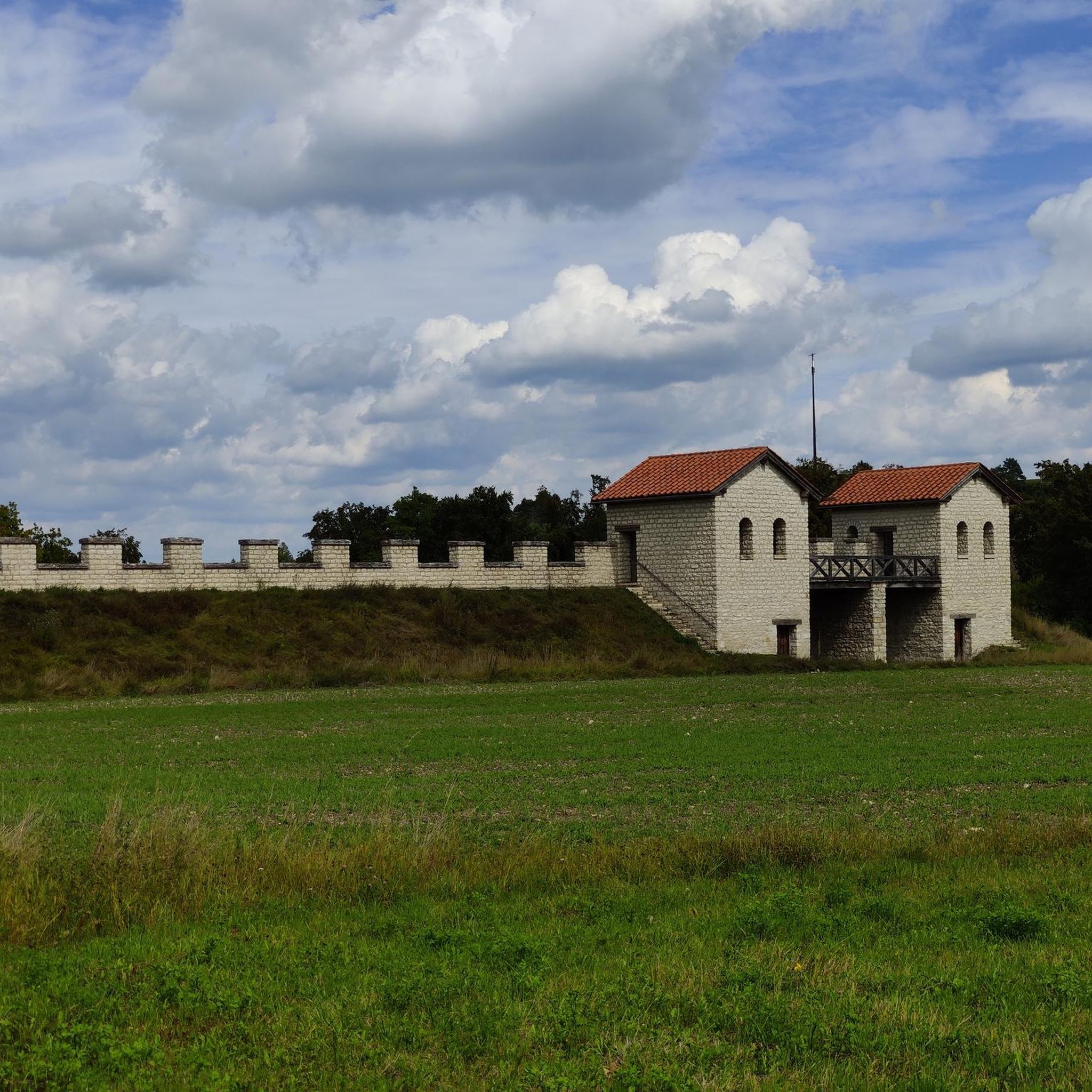
Lough Neaghの岸辺、Brockagh村の近くに、印象的なMountjoy Castleの遺跡があります。この城は1602年から1605年の間にMountjoy卿によって建設され、九年戦争の激動の時代には重要な軍事拠点として機能しました。 ユニークなのは、建材の特別な組み合わせです。下の階は粗い自然石で造られていますが、上の階は地元で焼かれた赤いレンガでできています。城は1648年から廃墟となっていますが、中央のブロックと特徴的な矢じり型の角塔は、今でも風景の中ではっきりと認識できます。
8
0

The Caledon Beam Engine is an exciting relic from another era that will accompany you on your tour through the Northern Ireland countryside. Nestled in the remains of an old wool mill, the beam engine tells of an era when the pounding and banging of machines shaped everyday life. Today it stands almost forgotten by the roadside and is a reminder of the region's industrial past. The ruin has its own charm - rusty gears, weathered walls and a feeling of time standing still. If you want to pause for a moment to take in the surroundings, this is an ideal place to dismount for a moment. This is not about perfectly restored monuments, but about the raw charm and stories that such places carry. Look out for the old inscriptions and the signs of decay that give the Beam Engine an almost sculptural appearance. This place is a silent witness to a time long gone and offers you a welcome change from the wide fields and winding roads of the region.
1
0

In the shadow of Northern Ireland's vast skies, the mysterious Mountjoy Castle rises on a hill above Lough Neagh. This ruined castle, whose Irish name "Caisleán Mhuinseo" whispers into the wind, stands like a proud sentinel in the village of Mountjoy, County Tyrone. The castle was built in 1602 by order of Charles Blount, 1st Earl of Devonshire and 8th Baron Mountjoy. But times have not always been kind to this building: as early as 1643, a devastating fire left scars on the walls of the castle. What remained is a two-story brick building with the ground floor clad in stone. The architecture speaks of a time of defense and vigilance - a central rectangular block protected by four spear-shaped towers, crisscrossed by embrasures. The north-western tower testifies to the fragility of time - partially collapsed, while the western curtain wall has lost its presence. The entrance, once on the south side of the eastern curtain wall, seems to whisper stories of days gone by, while wide windows on the upper floor capture the eyes of visitors. Unfortunately, an extension at the back keeps some of the castle's secrets hidden, and the interior area is closed to visitors' eyes. But even in its ruined state, Mountjoy Castle embodies the soul and history of Northern Ireland. Not only is it a State Care Historic Monument in the townland of Magheralamfield in the Mid Ulster District, but it is also a silent testament to time, inviting every walker to pause for a moment and listen to the whispers of history.
4
0

Also known as Black Lough, it's unique habitat means it is a great place for bird watching with a number of rare species being seen. You're also likely to spot people course fishing for pike and perch. There are even eels in the water.
0
0
Built in the early 17th century for Sir Toby Caulfield, who was given land during the Plantation. Park up your bike and take some time to explore the ruins by foot. Keep an eye out for the murder holes which give an idea of its grim history, as well as the Caulfield Coat of Arms in a prominent position above the doorway.
0
0
The last housed beam engine in Ireland is a significant piece of industrial and social history. The Caldon Beam Engine has been preserved since the Woollen Mill was destroyed in 1985.
2
0
Glaslough is a cute village, full of character. It's name means ‘calm or green lake’ in Irish. You'll notice plenty of historical buildings as you pedal through and the Castle Leslie Estate is next to the village. Or even better, stop for a something to eat and drink.
2
0
キリリスでのの人気観光スポット

komootモバイルアプリでインスピレーションを得よう


さらに探索
他の地域の最高のロードサイクリングルートを見てみましょう。
